



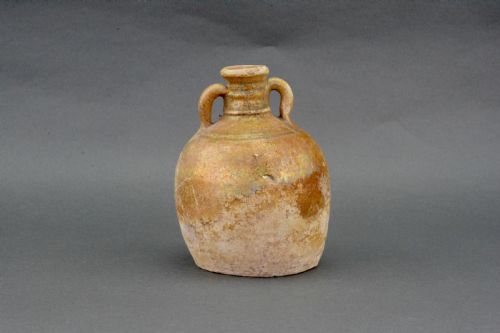

Earthenware Twin Handled Vessel
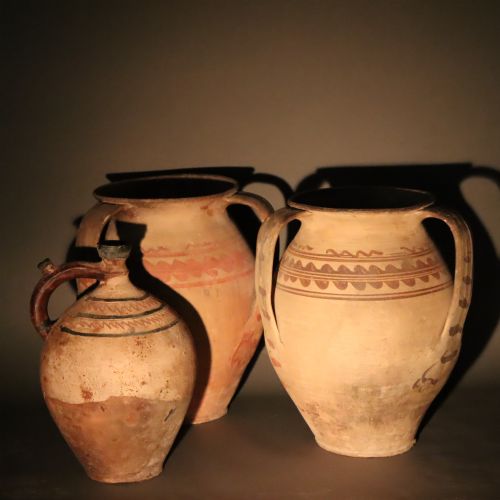
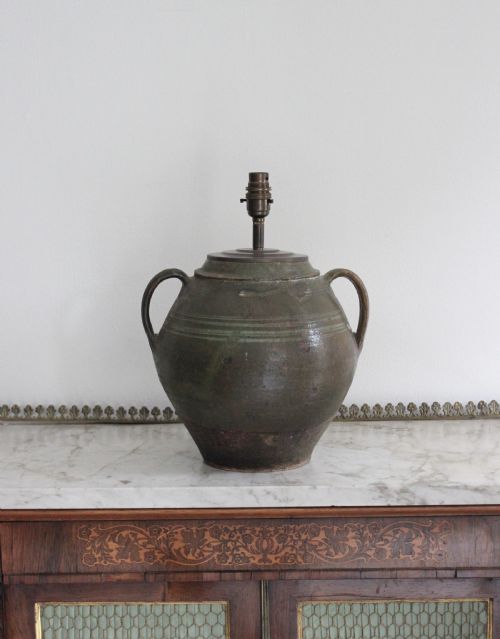
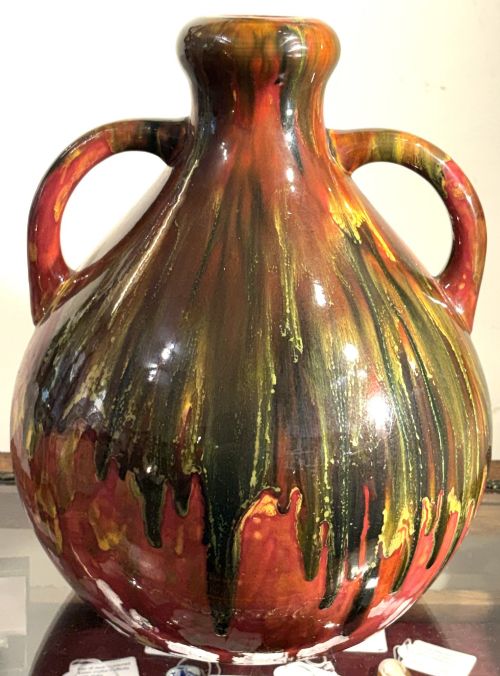
These earthenware twin handled vessel pieces are robust ceramic forms that bring tangible historical depth to a room.
Earthenware Twin Handled Vessel
An earthenware twin handled vessel is a functional or decorative ceramic piece featuring two opposing grips, originating from periods spanning pre-16th century Roman history up to the 20th century. These items manifest in various forms including vases, loving cups, posset pots, and amphorae.
The versions most commonly met on this page range from Victorian art pottery and Arts and Crafts examples to 18th century delftware and Art Nouveau designs. Collectors encounter everything from small late Roman flasks to large Satsuma and Burmantofts creations.
How they were made
Makers shaped these earthenware vessels from clay before applying ceramic glaze, tin glaze, or standard glaze to seal the body. Many pieces received surface enrichment through enamel, polychrome decoration, or applied gold leaf.
Production techniques varied from traditional throwing and moulding used in historic potteries to specialised regional methods seen in Devon pottery, Japanese Satsuma wares, and slip-decorated loving cups.
Earthenware Twin Handled Vessel Retail Price Guide 2026
Typical asking prices for earthenware twin handled vessel among the pieces listed under this phrase on Sellingantiques today, from the lower quarter to the upper quarter. They describe what is for sale here now, not the wider market.
Materials recorded across the current selection include standard earthenware, tin glaze, enamel, gold leaf, and ceramic glaze.
What varies in quality
Quality rests upon the precision of the form, the complexity of the glazing, and the artistic ambition of the decoration. Pieces exhibiting refined hand-painted patterns or specialised ceramic chemistry stand apart from simpler utilitarian wares.
The reputation of the pottery and the distinctiveness of the design dictate the standing of an individual vessel. Well-preserved surfaces and intact decorative details preserve the integrity of the piece.
Royal Doulton·Wileman Intarsio·Brannam Art Pottery·Macintyre and Co·William Moorcroft
The Earthenware Twin Handled Vessel Glossary
- Earthenware
- Porous pottery fired at a relatively low temperature which requires a glaze to hold liquids. It forms the structural base for many historic and art pottery vessels.
- Tin glaze
- An opaque white ceramic glaze containing tin oxide, commonly used on delftware to provide a smooth surface for painted decoration. It allows for vibrant cobalt blue and polychrome designs.
- Loving cup
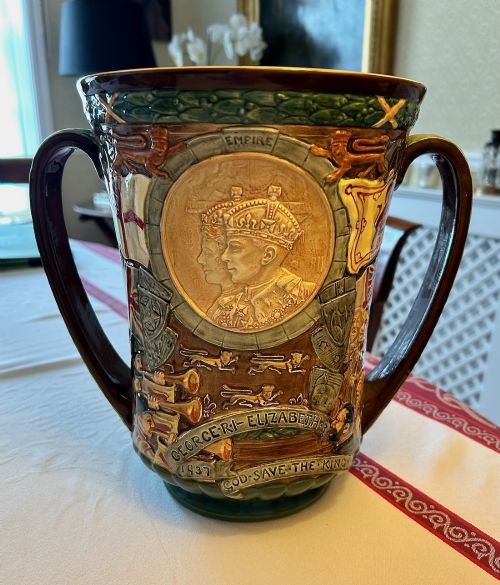
- A large ceramic vessel with two or more handles designed to be passed among guests during communal drinking occasions. These pieces frequently commemorate royal events or feature figurative elements.
- Posset pot
- A covered ceramic container with twin handles used historically for serving a hot drink made of curdled milk and wine or ale. They often include spouts and lids alongside the double handles.
- Amphora
- A tall ancient container with two handles and a narrow neck, utilised historically for storing and transporting oil or wine. Later revival potteries adopted this classical shape for decorative vases.
Earthenware Twin Handled Vessel: Frequently Asked Questions
What is a twin handled vessel used for?
These ceramic forms served varied functions depending on their specific type, ranging from holding flowers to facilitating communal drinking rituals at historic gatherings. Posset pots and loving cups played direct roles in social customs.
Other examples functioned purely as decorative art objects or commemorative pieces for significant national events like coronations.
How do I care for antique earthenware?
Keep earthenware vessels out of direct sunlight and away from areas with fluctuating humidity to protect the ceramic body and glaze. Dust them gently with a soft dry cloth.
Avoid using water or cleaning agents on porous surfaces, particularly pieces with delicate enamel or gold leaf decoration.
How can I tell an 18th century piece from a 19th century one?
Examination of the glaze, clay body, and painting style reveals clues to a vessel's age and origin. Eighteenth-century delftware exhibits distinct tin glazes and pigment behaviours.
Nineteenth-century art potteries often utilised marked bases, registered design numbers, and distinct stylistic revivals associated with the Victorian era.
What does tin glazed mean?
Tin glazing involves adding tin oxide to a lead glaze to create an opaque white finish that covers the underlying reddish or buff earthenware body. This technique provided a clean background for painted cobalt and polychrome designs.
It became the defining characteristic of delftware production across European potteries.