

Glazed Earthenware Vase
When you seek a glazed earthenware vase, you meet centuries of European and Japanese ceramics shaped by diverse regional traditions.
Glazed Earthenware Vase
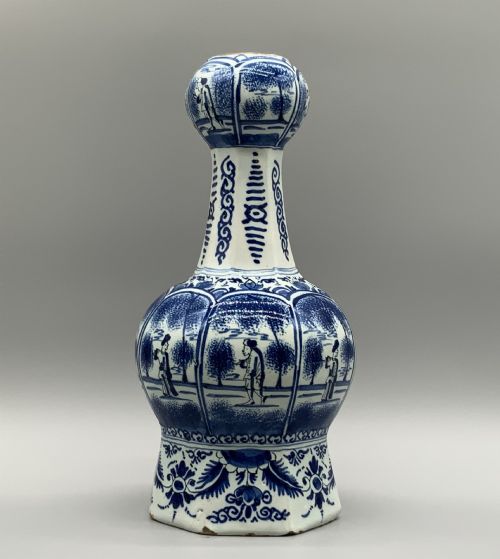
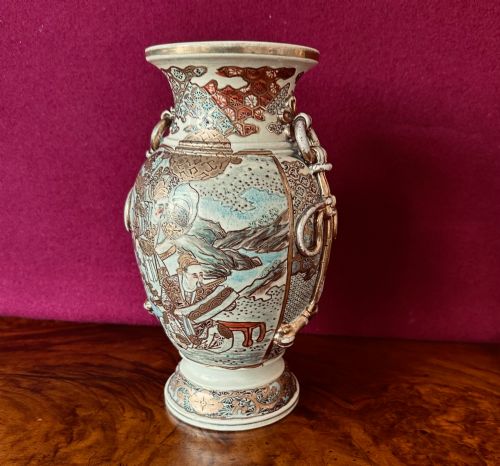
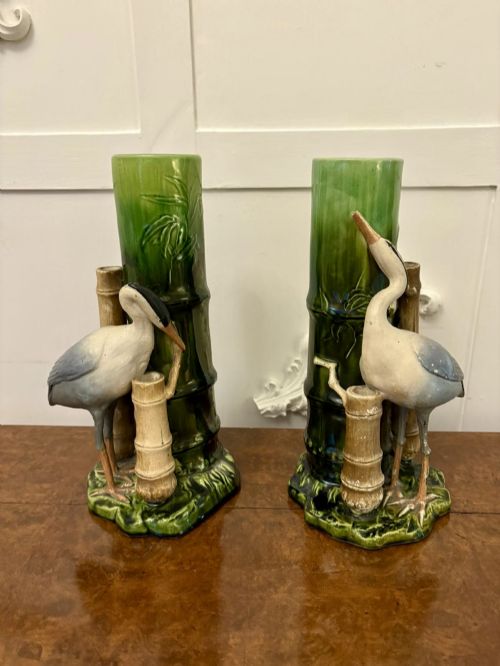
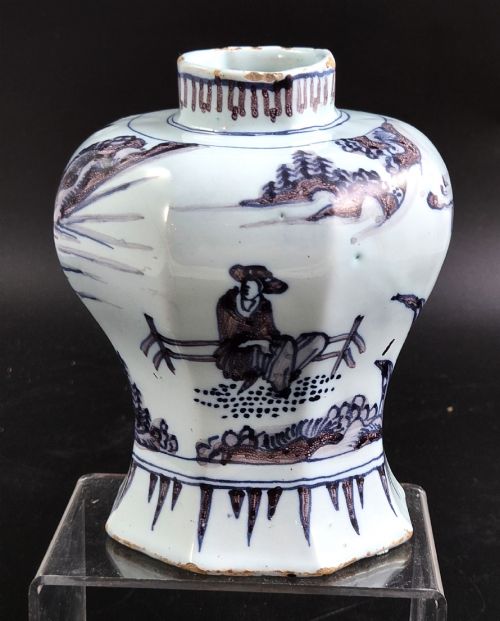
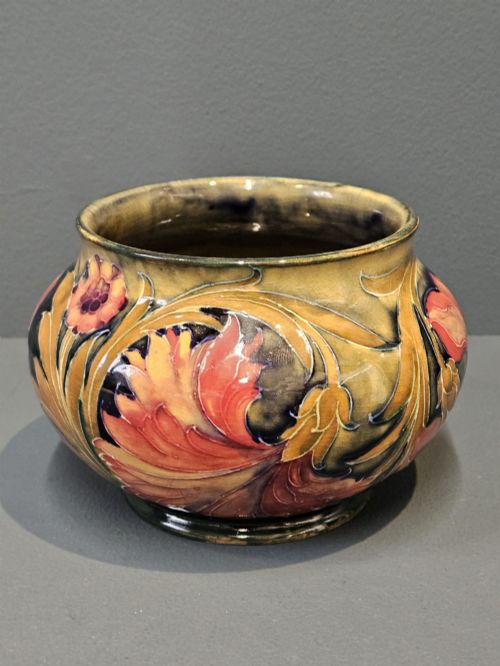
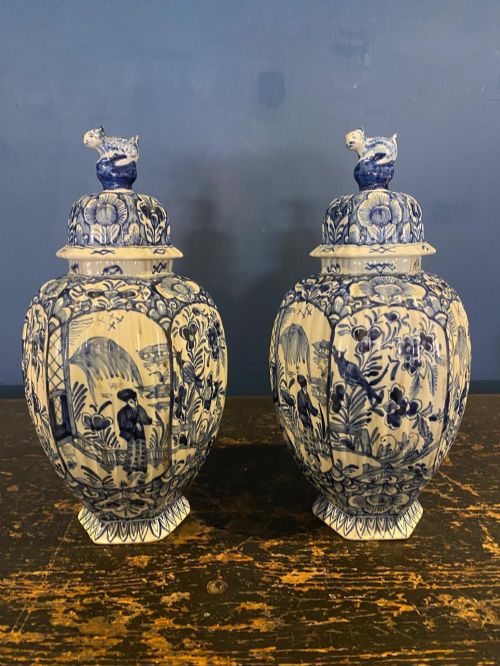
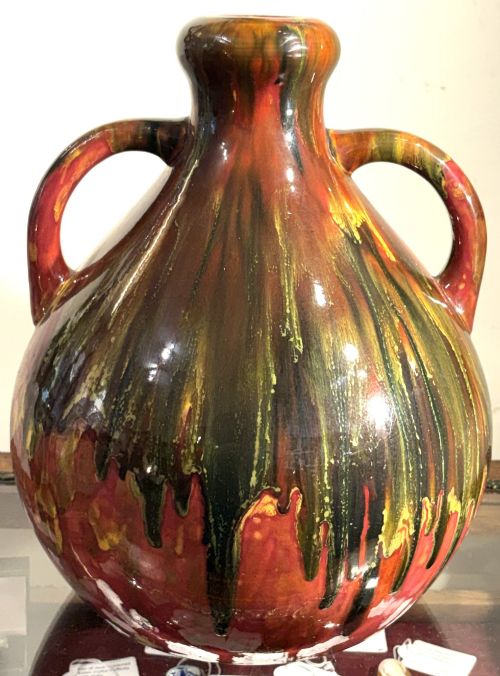
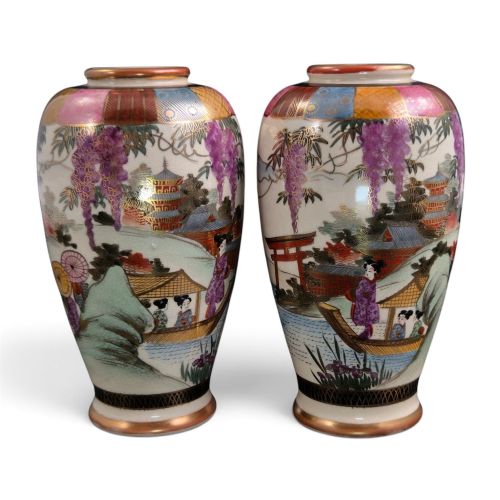
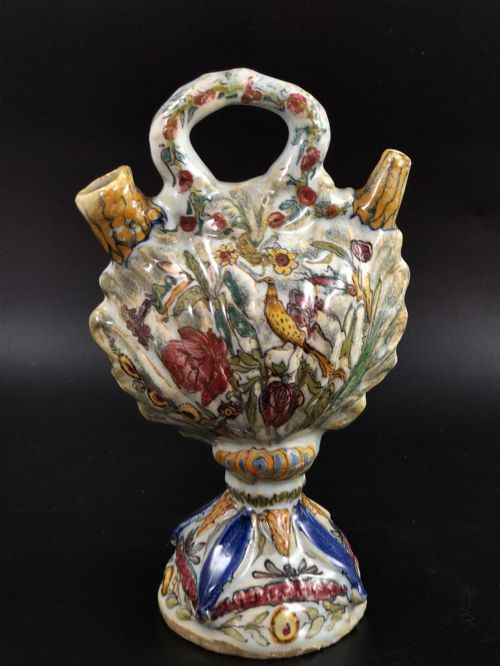
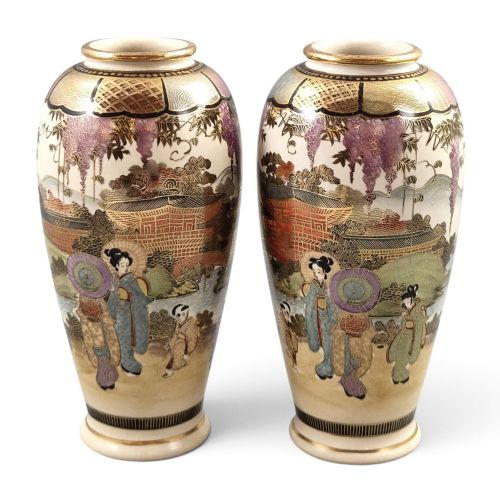
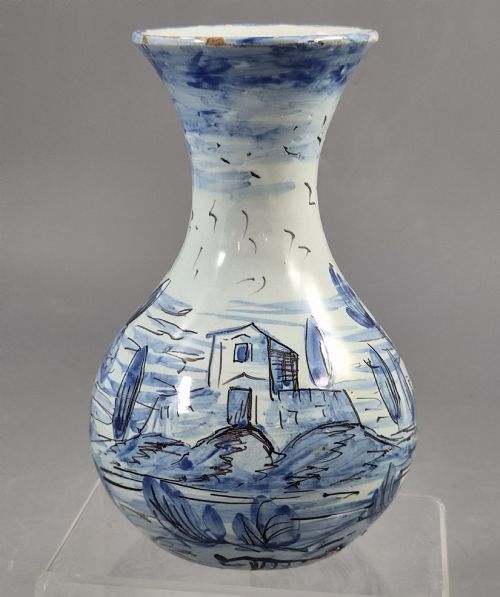
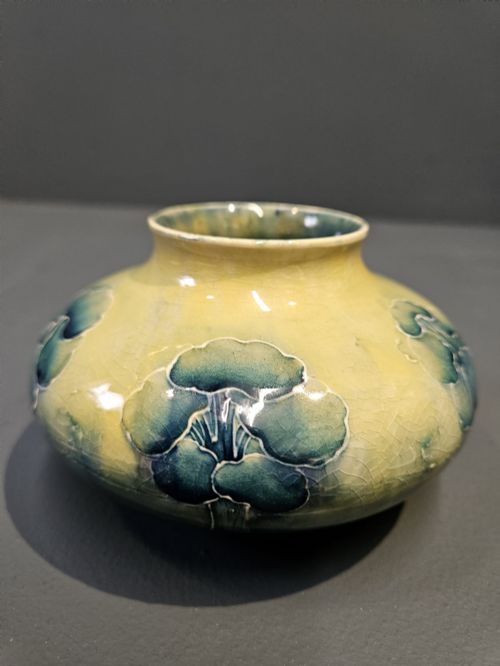
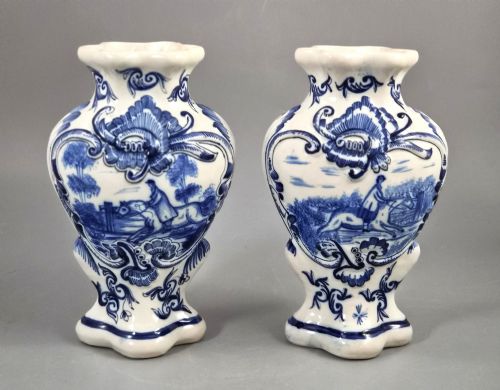
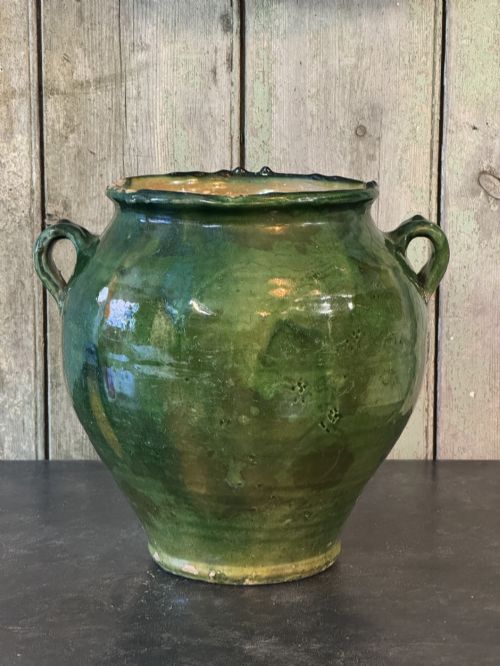
A glazed earthenware vase encompasses tin-glazed vessels, majolica, faience, and delftware originating from the eighteenth and nineteenth centuries. Buyers frequently encounter Dutch delft vases, Japanese Satsuma pieces, and Victorian earthenware forms.
The selection ranges from tall lidded jars and cabinet urns to spill vases and wall pockets. These vessels served decorative and utilitarian roles in historical interiors.
Regional variations span from English Staffordshire figures and Doulton Lambeth pieces to French Desvres faience and Italian majolica. Each centre of production employed distinct motifs and glazing techniques.
Materials and Construction
Potters shaped earthenware bodies on the wheel or pressed them into moulds before applying liquid glazes. Tin glaze provided an opaque white surface suitable for painted enamel decoration.
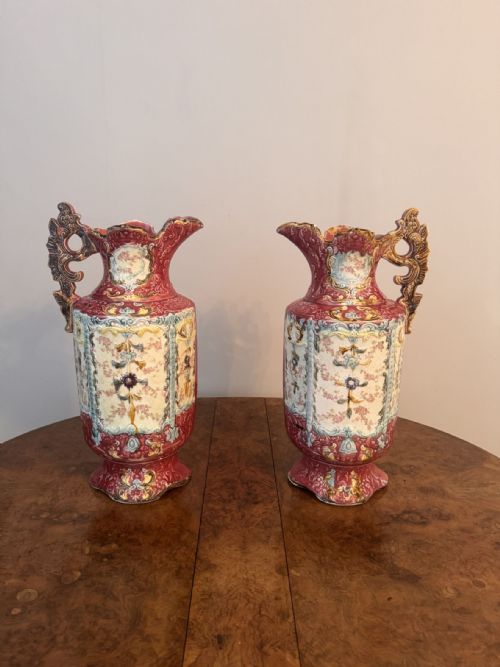
Many pieces received hand-painted details in cobalt blue or polychrome pigments, sometimes accented with gold leaf. Subsequent firing fixed the glaze and enamel colours to the ceramic body.
Certain nineteenth-century spill vases depict woolly sheep standing permanently beside imaginary hearths.
Assessing the Standard
Quality rests upon the crispness of the modelled form and the precision of the hand-painted brushwork. Superior examples display controlled glazing without excessive pooling or surface blemishes.
Works bearing signatures from established workshops or identified makers demonstrate higher execution standards than unmarked domestic wares.
Moorcroft·Cantagalli·Doulton Lambeth·Kinkōzan Workshop·Fourmaintraux-Courquin
The Glazed Earthenware Vase Glossary
- Majolica
- Opaque tin-glazed earthenware produced in Italy and later revived across Europe during the nineteenth century. This technique allowed for vibrant polychrome decoration on a smooth white ground.
- Delftware
- Tin-glazed earthenware produced in the Netherlands and England, strongly influenced by imported Chinese porcelain. It is most commonly recognised by blue and white painting.
- Spill vase
- A narrow tubular vessel designed to hold taper candles or wooden spills used for lighting pipes and fires. These decorative items sat on mantelpieces in nineteenth-century homes.
- Baluster
- A vase form characterised by a rounded lower body that tapers towards a narrow neck and flared rim. This silhouette appears frequently in ceramic design across multiple periods.
Glazed Earthenware Vase: Frequently Asked Questions
How do I date a glazed earthenware vase?
Dating relies upon examining the ceramic body, glaze characteristics, and any painted or impressed factory marks on the base. Stylistic cues such as Victorian revival motifs or Art Nouveau lines also indicate the period of production.
Comparative study of known workshop outputs helps narrow down the decade of manufacture. Physical wear on the base provides further clues regarding age.
What is the difference between delft and majolica?
Delft generally refers to tin-glazed earthenware from the Netherlands or England, typically finished in blue and white. Majolica is the term used for Italian tin-glazed pottery and its nineteenth-century European revivals, often featuring rich polychrome glazes.
Both utilise a porous earthenware body covered in an opaque tin enamel. The distinction lies primarily in their geographic origin and decorative palette.
Where were spill vases placed?
Spill vases sat upon mantelpieces and tabletops in proximity to fireplaces and hearths. They held thin wood splints used to transfer flames from the hearth fire to candles and lamps.
Their practical function faded with the invention of matches, leaving them as decorative mantel ornaments.
How should I clean my antique vase?
Dust antique earthenware gently with a dry, soft-bristled brush to remove surface particles. Avoid submerging porous ceramic bodies in water, especially if glazes exhibit fine cracks or old repairs.
Professional conservation advice should be sought for pieces with delicate enamel or gold leaf decoration.