
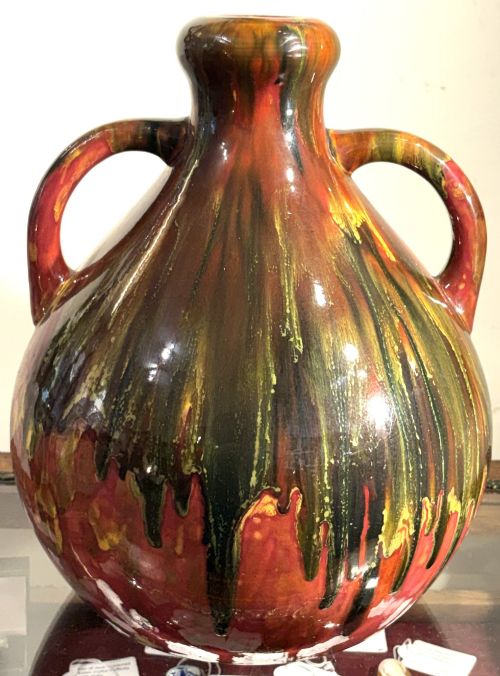


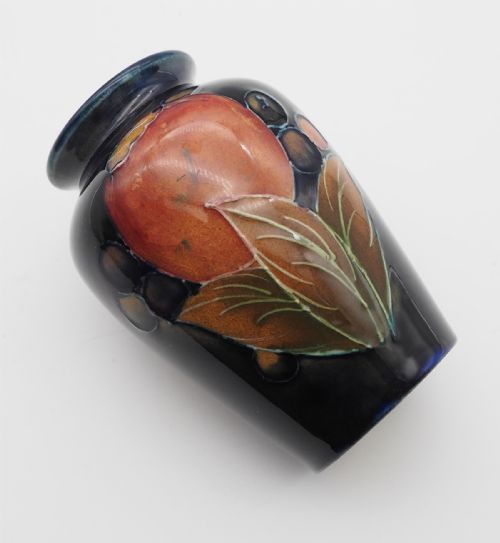


British Art Pottery Vase
These british art pottery vase examples offer tactile craftsmanship and striking forms, bringing distinct character and historical texture to any mantel or cabinet.
British Art Pottery Vase
When you search for a british art pottery vase, you are looking at ceramic vessels originating from creative movements spanning the late nineteenth century through the early decades of the twentieth century. These pieces encompass umbrella stands as well as vases, reflecting the diverse utilitarian and decorative output of British kilns.
The selections available here showcase distinct design movements such as Victorian Art Pottery, Arts and Crafts, Art Nouveau, and Art Deco. These styles bridge the gap between industrial production and individual studio craft, embodying the ethos of their respective periods.
How they were made
Potters shaped these works primarily using earthenware and stoneware, along with fine bone china and porcelain for select delicate forms. Artisans applied varied ceramic glazes to finish the surfaces, occasionally incorporating gold gilt details for heightened visual contrast.
Decoration relied heavily on handpainted artistry and careful modelling. Makers utilised skilled decorators to apply intricate pigments and glazes before firing, ensuring each vessel retained a unique, artisanal quality.
Listings feature periods spanning from 1880 through the Edwardian era and the 1920s, utilising earthenware, stoneware, and porcelain.
What varies in quality
The distinction between standard production and superior examples often rests on the sophistication of the handpainting and the complexity of the glaze effects. Pieces carrying named artists or renowned studios typically demonstrate superior execution in both form and surface decoration.
The integrity of the ceramic body and the precision of the modelling also separate ordinary items from exceptional ones. Stronger forms display balanced proportions and deliberate, crisp detailing that reflect the maker's mastery.
Burmantofts·Moorcroft·Royal Doulton·Doulton Lambeth·Emily Edwards·William Moorcroft·Poole Pottery·Carter Stabler Adams
The British Art Pottery Vase Glossary
- Earthenware
- A porous pottery type fired at lower temperatures, commonly used for traditional ceramic vessels. It requires a glaze to render it completely waterproof.
- Stoneware
- A dense, vitreous ceramic fired at high temperatures until non-porous. This material provides exceptional durability and a heavy, robust feel.
- Art Nouveau
- A decorative style characterised by flowing, organic lines and floral motifs. It heavily influenced ceramic design around the turn of the twentieth century.
- Arts and Crafts
- A design movement promoting traditional craftsmanship and simple forms. It rejected mass production in favour of individual artistic expression.
British Art Pottery Vase: Frequently Asked Questions
How do I date a british art pottery vase?
Dating relies heavily on identifying maker marks, studio stamps, and stylistic cues unique to periods like Victorian, Edwardian, or Art Deco. Examining the specific glaze type and decorative motifs also helps narrow down the decade of production.
Comparing signatures or painted monograms against known kiln registries provides further chronological accuracy.
What is the difference between earthenware and stoneware?
Earthenware is fired at lower temperatures and remains slightly porous until glazed, whereas stoneware vitrifies during high-temperature firing to become dense and completely waterproof.
Stoneware generally offers greater weight and resilience compared to the more delicate nature of standard earthenware bodies.
Where should I display my art pottery?
Place your pieces in stable locations away from direct sunlight and heavy foot traffic to protect their historic glazes and surfaces. Mantelpieces, display cabinets, and sturdy side tables provide secure settings.
Ensure larger items, such as umbrella stands, sit on level flooring where they face minimal risk of accidental knocks.
How should I clean these ceramic pieces?
Dust surfaces gently with a soft, dry cloth to remove everyday particles without abrasive friction. Avoid using harsh chemical cleaners or submerging antique vessels in water.
Consult a professional restorer if deeper cleaning is necessary to preserve delicate handpainted details and gold gilt.