



Hand Painted Art Vessel
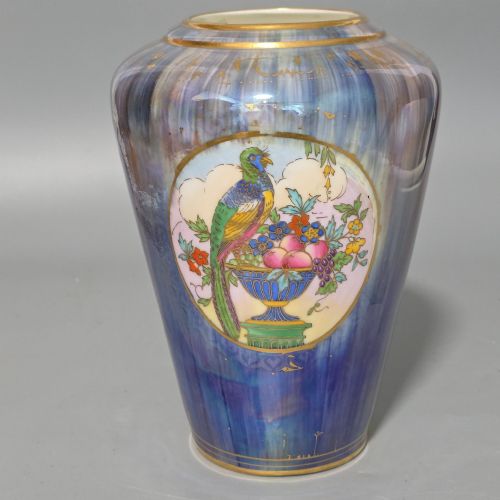
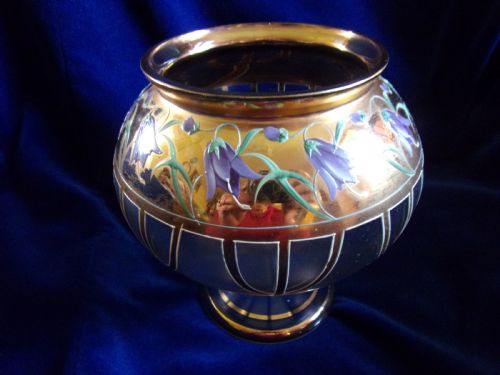
These hand painted art vessel pieces combine painted ornament with ceramic and glass forms, offering collectors distinct decorative statements from the eighteenth century to the art deco era.
Hand Painted Art Vessel
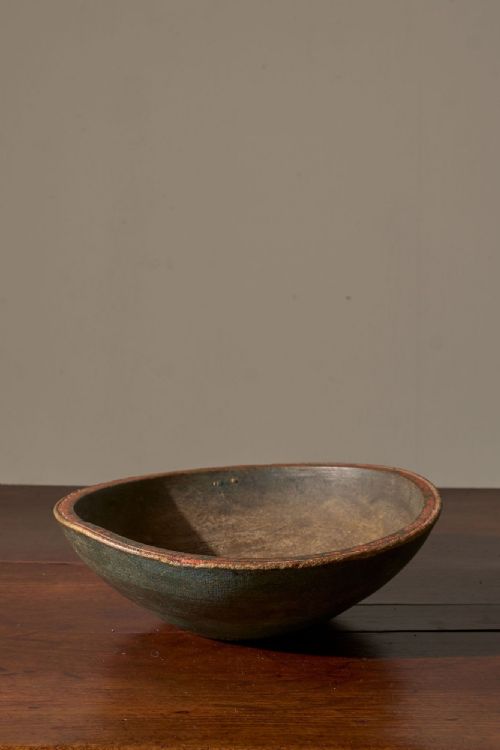
When you search for a hand painted art vessel, you encounter a diverse range of decorative ceramic and glass forms. These objects span from eighteenth century Swedish bowls to nineteen thirties art deco pottery.
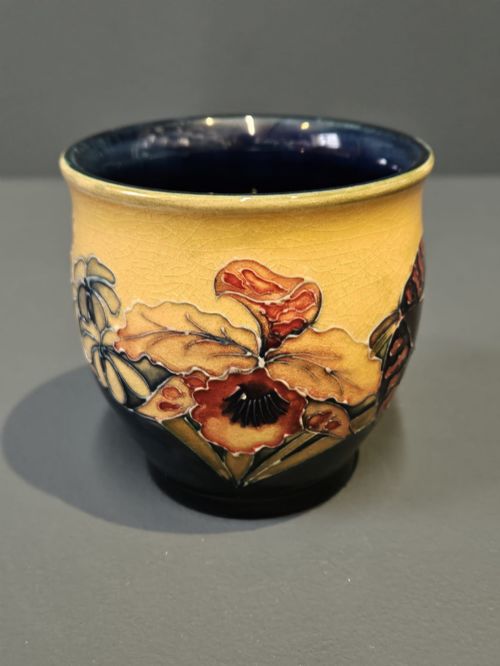
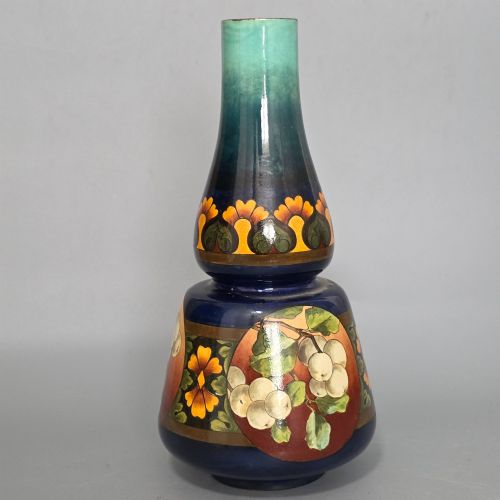
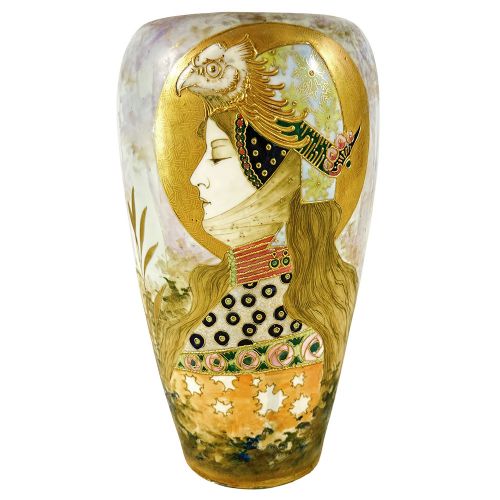
The pieces on this page include vases, decorative vessels, bowls, and commemorative cups. You are most likely to meet earthenware and porcelain vases decorated with floral, portrait, or abstract painted schemes.
Origins vary widely across the selection, ranging from British potteries like Doulton and Moorcroft to continental workshops and Asian manufacturers. Each maker brings distinct regional aesthetics to the painted surface.
How they were made
The foundational bodies are shaped from earthenware, stoneware, porcelain, or glass before receiving their initial firing. Artisans then apply pigments, enamels, and glazes by hand directly onto the surface.
Many examples incorporate specialised techniques such as slip trailing, faience glazing, or intarsio decoration. Subsequent firings bond the pigments and metallic accents like gold leaf to the ceramic body.
Materials represented across the selection include earthenware, stoneware, porcelain, glass, enamel, and gold leaf.
What varies in quality
Quality rests upon the skill of the brushwork and the precision of the hand painted detail. Pieces decorated by named artists or major pottery studios demonstrate superior control over colour and line.
The complexity of the glaze chemistry and the integration of surface ornamentation also distinguish finer pieces. Well preserved enamel work and crisp gilding elevate the standing of an individual vessel.
Doulton Lambeth·Royal Doulton·William Moorcroft·Clarice Cliff·Ernst Wahliss·Charlotte Rhead·Wileman
The Hand Painted Art Vessel Glossary
- Earthenware
- A porous pottery body fired at lower temperatures, requiring a glaze to achieve impermeability. It serves as the canvas for many painted vessel designs.
- Faience
- Tin glazed earthenware that provides an opaque white background for painted decoration. This technique allows for detailed polychrome pictorial scenes.
- Intarsio
- A decorative ceramic technique developed by Doulton, creating an inlaid tile effect on pottery. Pieces utilising this method display rich surface texture and colour.
- Enamel
- Vitrified glass paste applied to ceramics or glass as decoration and fired at high heat. It produces vibrant, glossy surface colours that endure over time.
- Gilding
- The application of gold leaf or gold paint to accentuate details on a vessel. This embellishment highlights rims, handles, and painted motifs.
Hand Painted Art Vessel: Frequently Asked Questions
What is a hand painted art vessel?
A hand painted art vessel is a decorative ceramic or glass object adorned with brushwork by an artist or artisan. These pieces include vases, bowls, and cups created across various decorative periods.
They reflect the artistic movements of their time, combining functional vessel forms with pictorial or abstract surface decoration.
How do I identify the period?
Identifying the period involves examining the stylistic traits, maker marks, and material composition of the vessel. Art Nouveau pieces often feature organic floral motifs, while Art Deco examples display geometric patterns.
Marks stamped or painted on the base provide definitive clues regarding the workshop and decade of manufacture.
Were these vessels used practically?
Many of these vessels were created primarily for decorative display within domestic interiors rather than for utilitarian tasks. Items like commemorative cups and fine porcelain vases served as ornamental centerpieces.
Certain bowls and vessels retained functional utility alongside their artistic presentation.
How should I care for my vessel?
Care for these pieces requires gentle dusting with a soft, dry cloth to protect fragile enamels and gold leaf. Hand painted surfaces can be sensitive to moisture and harsh cleaning agents.
Displaying them away from direct sunlight preserves the vibrancy of the original pigments and glazes.