


1920s Art Pottery
1920s art pottery brings vibrant glazes and geometric forms into a room, offering striking decorative presence through earthenware and porcelain.
1920s Art Pottery
1920s art pottery encompasses vases, decorative bowls, figurines, lamps, and stick stands created during an era of significant stylistic transition. Pieces span the 1900s through the 1930s, reflecting Edwardian sensibilities alongside the emergence of Art Deco and Arts and Crafts movements.
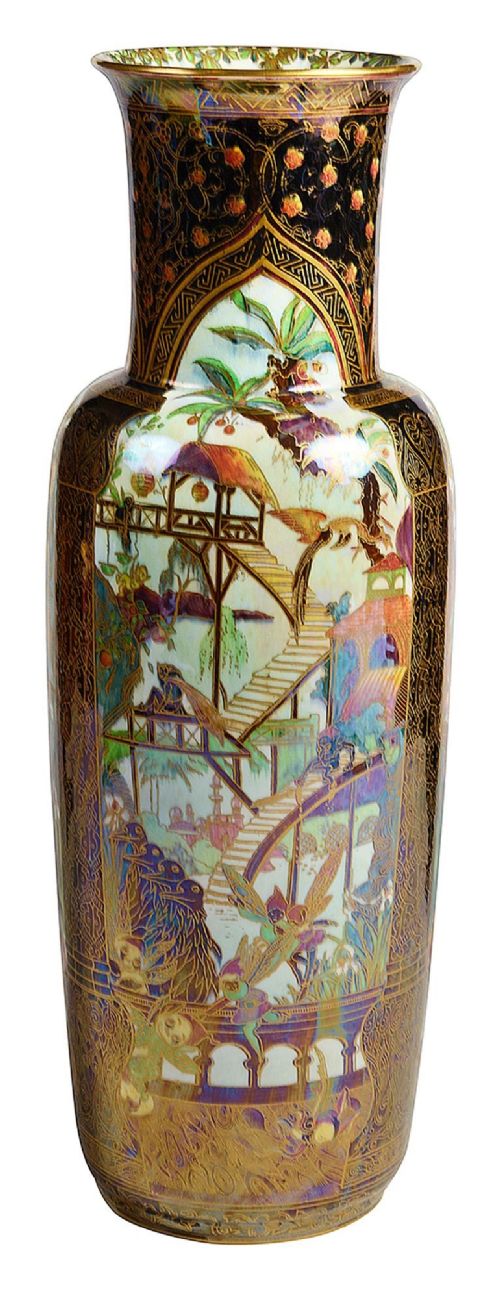
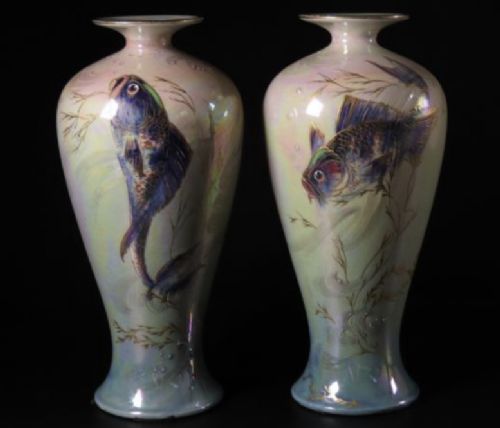
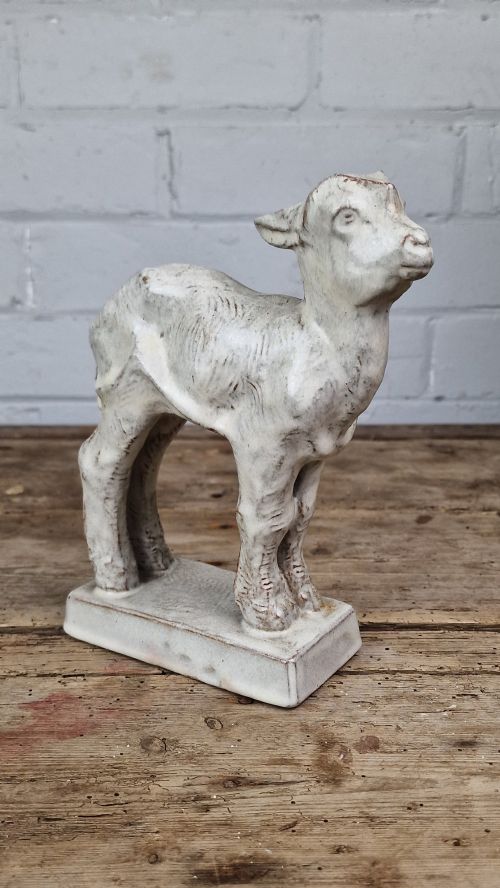
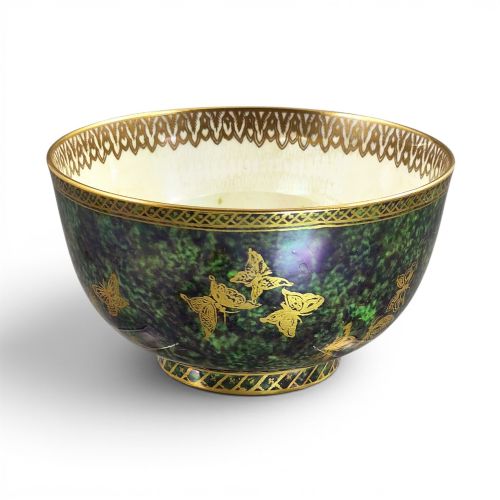
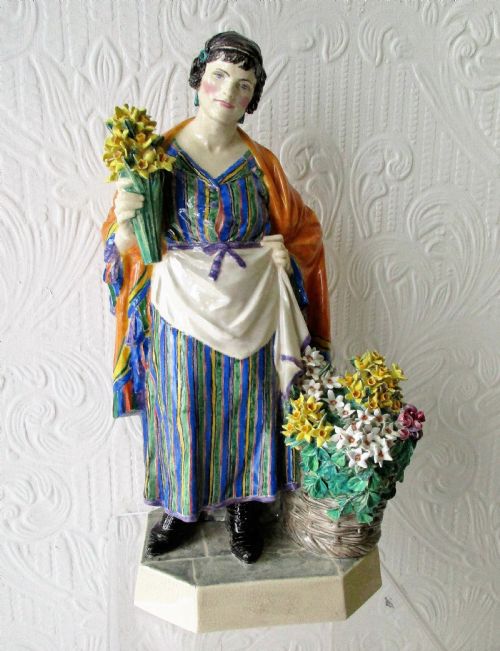
The selections available here frequently showcase notable English and French ceramic production, including notable lustre glazes and hand-painted figures. Vases and bowls dominate the forms, alongside specialised items like powder boxes and animal models.
Materials and Construction
Potters of this period utilised earthenware, bone china, and porcelain as the primary bodies for their vessels and figures. These bases were shaped into both thrown forms and moulded terracotta models.
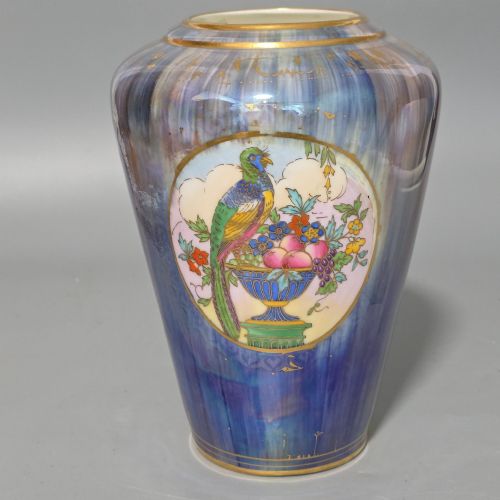
Decoration relied heavily on specialised ceramic glazes, often enhanced with gold leaf, enamel, and hand-painted designs. Lustre techniques created iridescent surfaces, while other pieces used simple coloured grounds and painted motifs.
The selection spans periods from the Edwardian era through the nineteen-thirties.
Distinctions in Quality
Quality rests upon the execution of the glaze and the clarity of the hand-painted decoration. Superior pieces display complex lustre work or precise enamel application without blurring or pooling.
The reputation of the designer or pottery dictates much of the standing within this field. Works attributed to named artists or established factories command attention through accomplished modelling and disciplined design.
Daisy Makeig-jones·Walter Slater·Charles Vyse·Robert T Lallement·Richard Joyce
The 1920s Art Pottery Glossary
- Lustre
- A type of ceramic glaze containing metallic oxides that produce an iridescent, reflective surface when fired. This technique was favoured by prominent English potteries during the period.
- Earthenware
- Porous pottery fired at lower temperatures, commonly used for larger decorative vases, jardinières, and animal figures. It forms the base for many hand-painted designs.
- Porcelain
- A fine, vitrified ceramic material made from clay containing kaolin, fired at high temperatures. It provides a smooth, white body suited for delicate figurines and blue grounds.
- Enamel
- Opaque glass-like paint applied to the surface of fired pottery before a final low-temperature fixation. It gives bright, durable colour to decorative motifs.
- Art Deco
- A design style characterised by stylized geometric motifs, clean lines, and bold colours. It heavily influenced the ceramic forms and decorative patterns of the nineteen-twenties.
1920s Art Pottery: Frequently Asked Questions
How do I identify a lustre glaze?
Lustre glazes exhibit a distinct metallic sheen that catches the light, often showing shifting rainbow colours across the surface of the vase or bowl.
This effect results from metallic oxides reacting during the firing process in the kiln.
Where were these ceramics made?
The pieces originate primarily from English potteries and French studios working in earthenware and porcelain during the early twentieth century.
Major production centres in England and continental Europe drove these distinct stylistic developments.
How should I display a ceramic figurine?
Figurines and animal models benefit from placement on stable surfaces away from direct sunlight to protect enamel and painted details.
Ensure adequate clearance so the form can be viewed clearly from multiple angles.