

Vintage Decorative Pottery Vase
When you search for a vintage decorative pottery vase, you are looking at earthenware, porcelain and stoneware shaped across the Victorian, Edwardian and Art Deco periods.
Vintage Decorative Pottery Vase
A vintage decorative pottery vase brings together forms from the nineteenth and twentieth centuries, spanning periods from the Victorian era through the 1930s. You will encounter earthenware, porcelain and stoneware vessels designed for display, including ewers, jars, urns and table lamps.
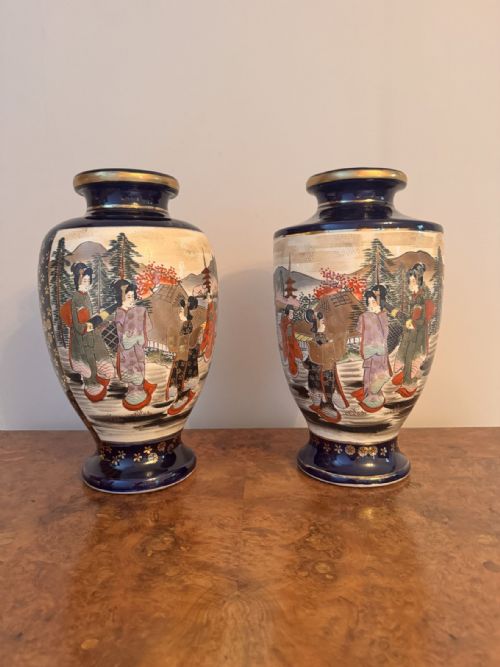
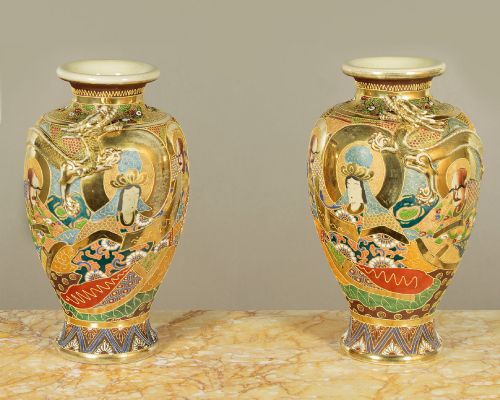
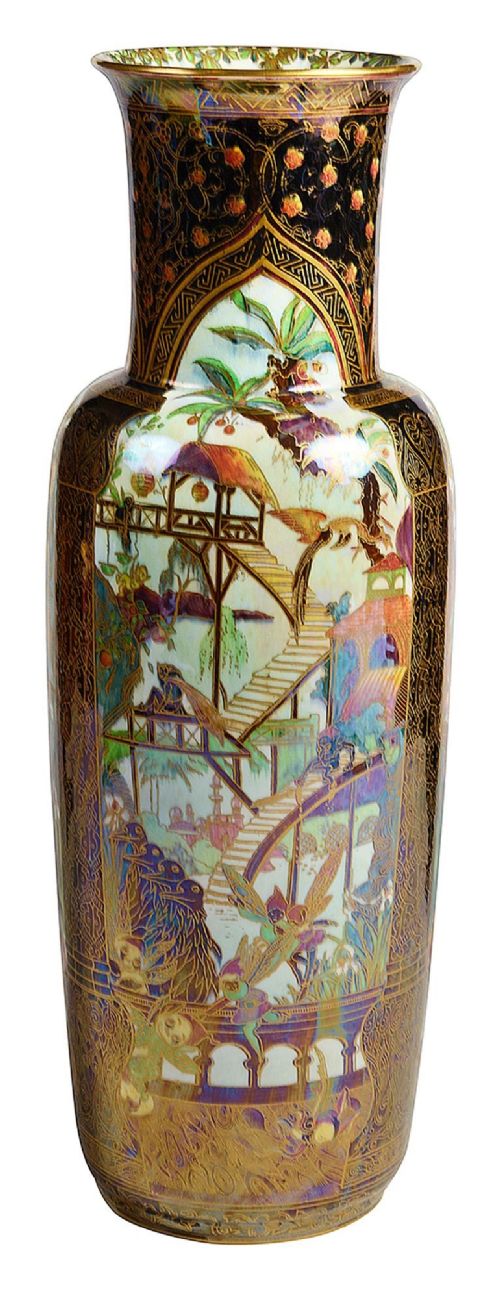
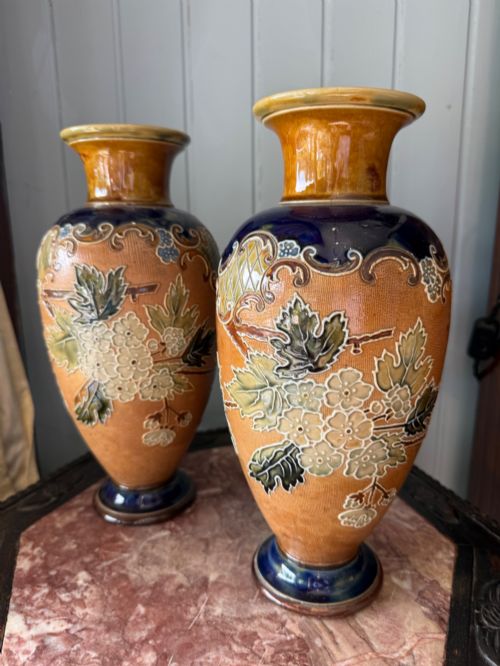
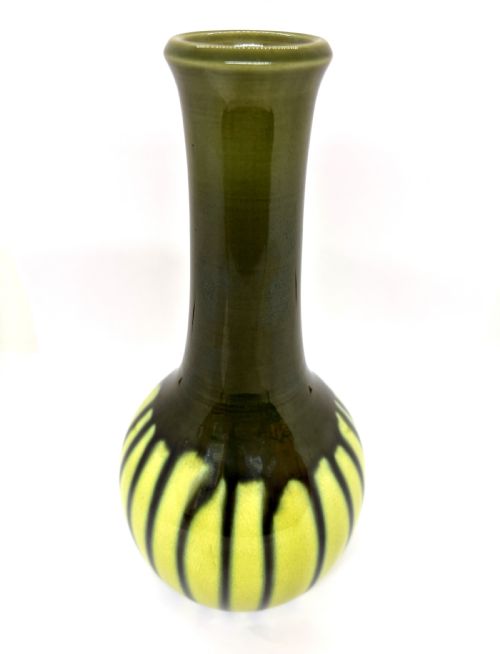
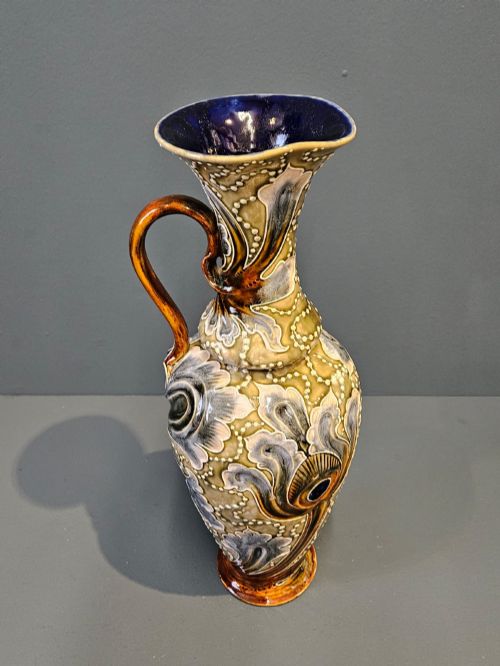
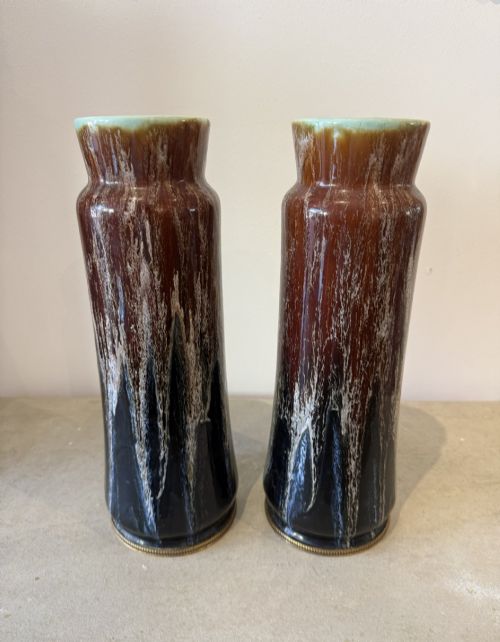
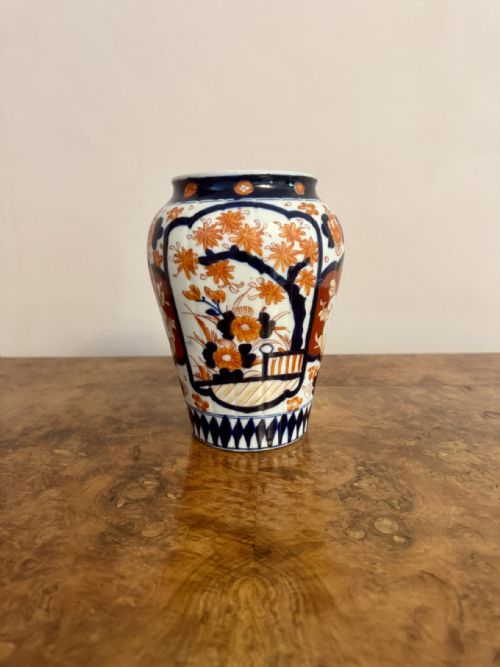
The selection on this page draws heavily from British potteries such as Doulton Lambeth and Bretby, alongside continental European makers and Japanese Satsuma and Imari works. Forms range from simple baluster shapes to large handled jugs ornamented with applied figures and metal mounts.
How They Were Made
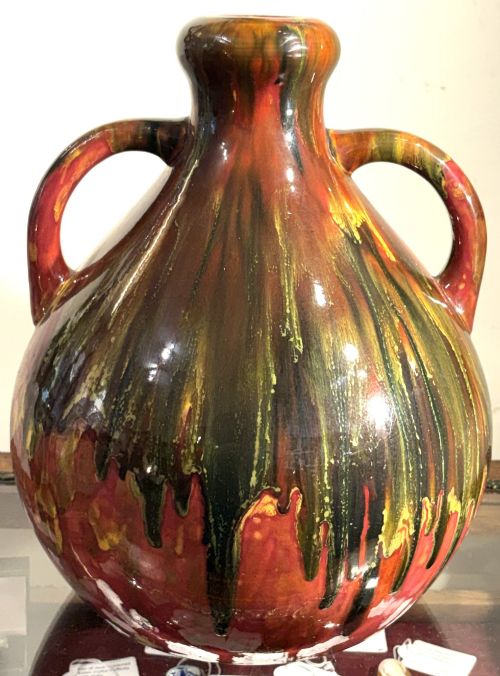
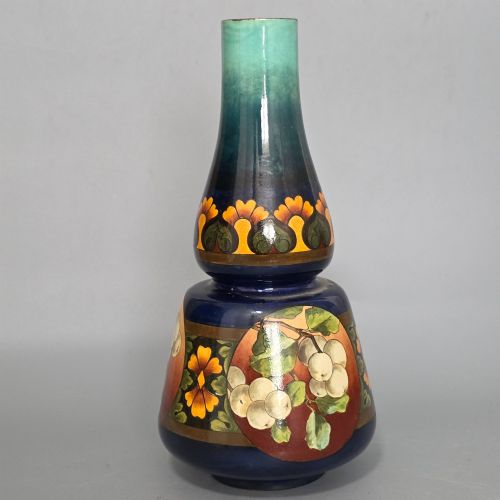
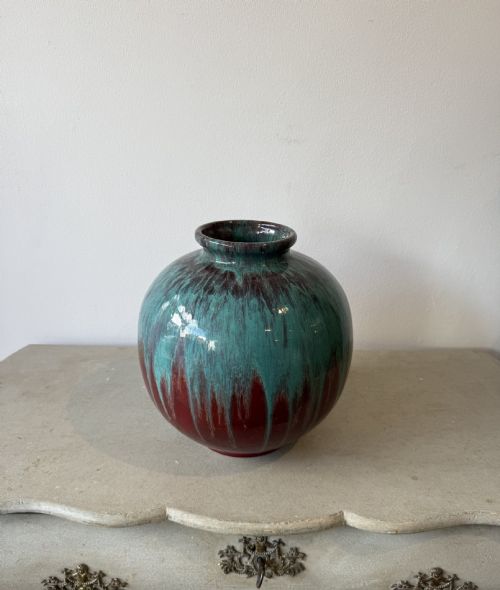
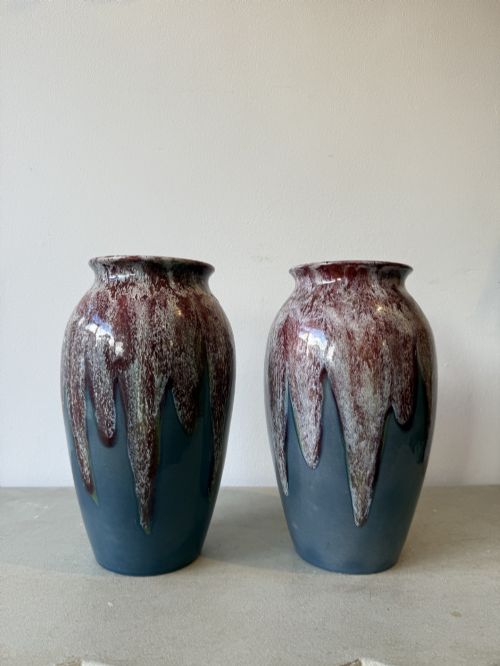
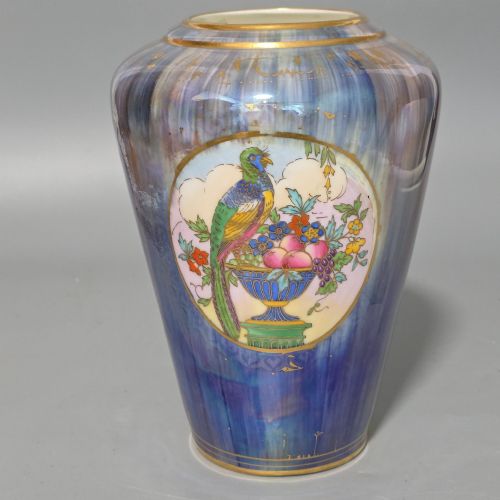
Potters shaped these vessels using earthenware, porcelain and stoneware clays, often building them on the wheel or casting them in moulds before applying glazes and enamels. Surface decoration relied on hand painting, transfer printing, and specialised glaze effects such as copper finishes and lustre sheens.
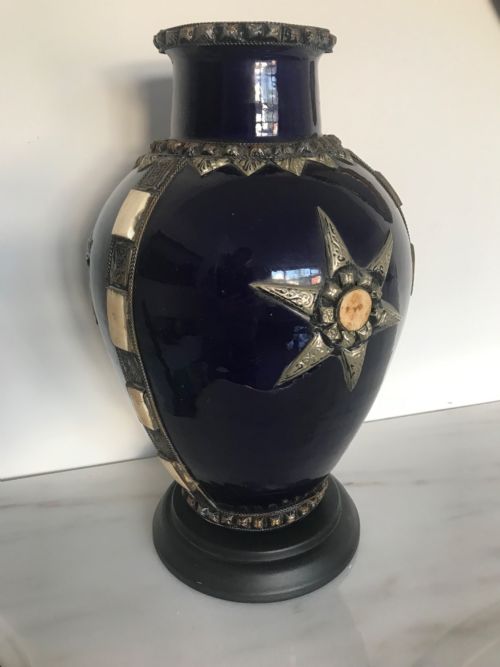
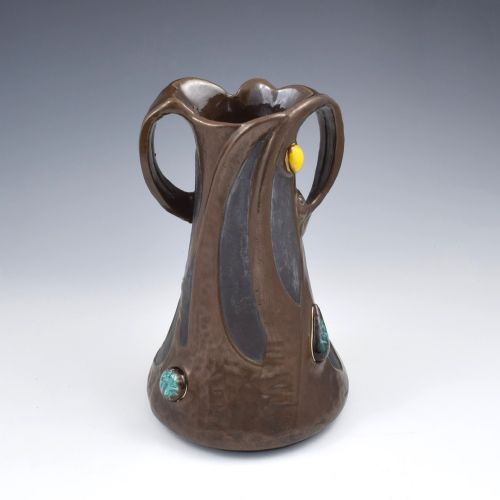
Many pieces incorporate applied details, including silver cabochons, metal mounts, jewelled cabochons and low relief figures modelled in clay. Firing techniques varied from traditional kilns to specialised lustre firings that produced shimmering metallic surfaces.
Some vases proudly wear silver cabochons and applied clay figures of tiny human characters climbing up their sides.
What Varies in Quality
Quality rests upon the skill of the execution, from the precision of the hand painting to the richness of the glaze and enamel work. Pieces designed by named artists or produced by leading workshops display superior control over form and surface decoration.
The refinement of the body, the complexity of applied elements such as mounts and cabochons, and the depth of the fired finish distinguish standard production pieces from exceptional examples.
Daisy Makeig-jones·Royal Doulton·Bretby Pottery·Doulton Lambeth·Boch Freres·Alice Euphemia Thatcher·Gallilleo Chini·Robert T Lallement·Carlton Ware·Chosei·Hakusan·Kinkozan·Ethel Beard·Charlotte Rhead·Ernst Wahliss·Richard Joyce
The Vintage Decorative Pottery Vase Glossary
- Earthenware
- A porous pottery body fired at lower temperatures, requiring a glaze to become impermeable to water. It serves as the base for many nineteenth-century decorative pieces.
- Lustre
- A type of pottery glaze containing metallic salts that produce an iridescent, reflective surface upon firing. It was used extensively by artists in the early twentieth century.
- Cabochon
- A polished, convex gemstone or glass ornament without facets, often applied as a decorative mount to ceramic vessels. They appear frequently on nineteenth-century continental and British art pottery.
- Stoneware
- A dense, hard ceramic fired at high temperatures until vitrified, making it naturally waterproof. It forms the robust body of many Doulton Lambeth pieces.
- Faience
- Tin-glazed earthenware decorated with painted designs, often associated with continental European pottery workshops. It provides a smooth white ground for intricate floral and figural scenes.
Vintage Decorative Pottery Vase: Frequently Asked Questions
How do I date a vintage pottery vase?
Dating relies on stylistic markers, materials and manufacturer marks stamped or painted on the base. Comparing the form and decorative motifs to documented periods helps narrow down the era.
Examination of the glaze and clay body also provides clues, as certain techniques were specific to the Victorian, Edwardian or Art Deco eras.
What is the difference between earthenware and stoneware?
Earthenware is fired at lower temperatures and remains porous unless glazed, whereas stoneware is fired until the clay vitrifies and becomes completely non-porous.
Stoneware offers greater durability and weight, while earthenware provides a softer base for brightly coloured glazes and hand-painted enamels.
Were these vases meant for flowers?
While many were designed to hold cut flowers, a significant portion served purely as decorative objects for mantelpieces and display cabinets.
Larger urns, ewers and pieces with delicate applied mounts were intended primarily as ornamental centrepieces rather than functional vessels.
How should I clean a vintage ceramic vase?
Dust gently with a soft, dry cloth to remove surface particles without disturbing delicate enamel or metallic mounts. Avoid harsh chemical cleaners and abrasive scouring pads entirely.
If washing is necessary for unmounted ceramic bodies, use lukewarm water and mild soap, ensuring the piece is dried thoroughly afterward.