



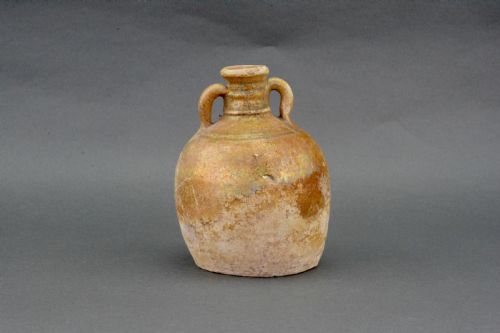

Twin Handled Pottery Vessel
These twin handled pottery vessel pieces offer striking forms and historical craft, bringing tactile depth and distinctive character to any interior scheme.
Twin Handled Pottery Vessel
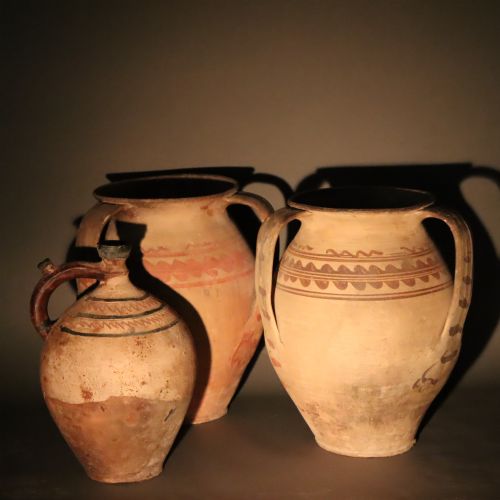
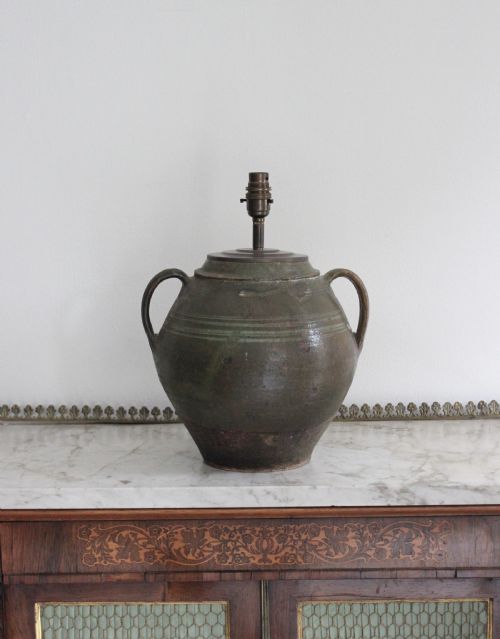
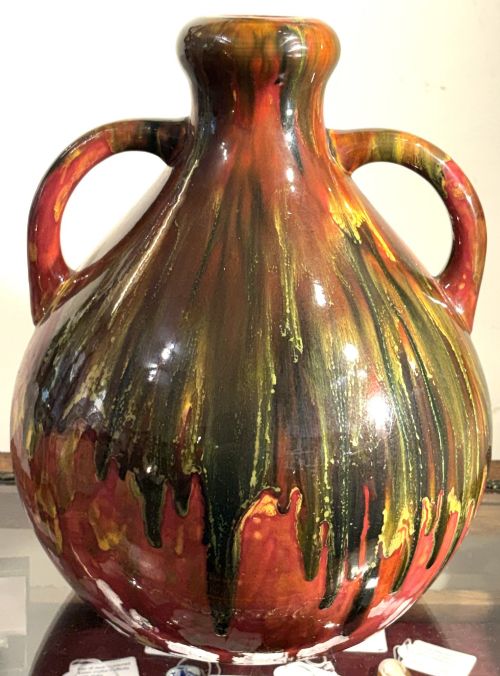
When you search for a twin handled pottery vessel, you encounter a remarkably diverse range of forms spanning centuries of ceramic history. The examples gathered here stretch from late Roman period flasks and eighteenth century delft posset pots up through nineteenth century Victorian art pottery, Arts and Crafts pieces, and into twentieth century Art Deco designs.
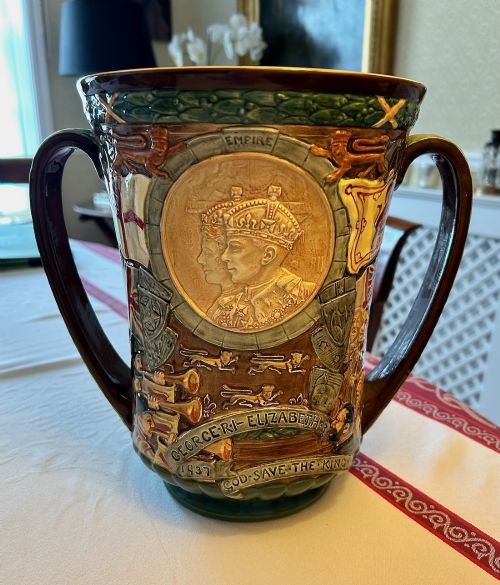
The practical function and decorative ambition of these objects vary widely across the periods represented. You will find monumental amphorae, functional loving cups adorned with frogs and newts, commemorative coronation vessels, and finely potted Satsuma wares alongside experimental studio pottery.
Most commonly, the pieces meeting this search take the form of vases and decorative vessels shaped from earthenware and glazed ceramic. They cross various cultural traditions, encompassing British provincial potteries, European studio makers, and Meiji period Japanese works.
Materials and construction
The foundation of these pieces relies primarily on earthenware and ceramic bodies, shaped by hand or wheel before receiving protective and decorative coatings. Potters utilised tin glaze, polychromed enamel, and specialised ceramic glazes to seal the porous clay and introduce rich colour to the surface.
Many of the decorative vessels incorporate additional surface embellishments such as applied gold leaf to highlight intricate relief details. Specialised techniques are evident across different eras, from the delicate hand-painted polychrome designs of eighteenth century delftware to the distinctive reactive glazes of later studio pottery.
Twin Handled Pottery Vessel Retail Price Guide 2026
Typical asking prices for twin handled pottery vessel among the pieces listed under this phrase on Sellingantiques today, from the lower quarter to the upper quarter. They describe what is for sale here now, not the wider market.
Listings span multiple eras, encompassing eighteenth century delftware, nineteenth century Victorian art pottery, and twentieth century Art Deco ceramic glaze works.
Factors that define quality
The calibre of a twin handled pottery vessel depends heavily on the ambition of its design and the sureness of its execution. Superior examples display balanced proportions, confident handling of the twin handles, and precise application of glazes or enamels.
Artistic attribution and provenance elevate certain pieces considerably, particularly those bearing documented designs by notable makers or originating from significant potteries. The complexity of the decorative scheme, whether in sculptural relief or painted detail, further distinguishes standard production items from masterworks.
Royal Doulton·Brannam Art Pottery·A Macintyre and Co·William Moorcroft·Liberty and Co·Roger Guerin
The Twin Handled Pottery Vessel Glossary
- Earthenware
- Porous pottery fired at relatively low temperatures that requires a glaze to become watertight. It forms the structural base for the majority of traditional decorative vessels.
- Tin glaze
- An opaque white glaze containing tin oxide, providing a smooth surface that accepts painted polychrome decoration. It is characteristic of delftware and majolica traditions.
- Loving cup
- A large drinking vessel featuring two or more handles designed to be passed among company. They frequently commemorate royal events, weddings, or civic occasions.
- Amphora
- A tall ancient container featuring two vertical handles used for storage or transport. Later revival periods adopted this classical silhouette for ornamental vases.
- Posset pot
- A spouted vessel with twin handles historically used for serving a rich hot drink curdled with milk or ale. Lidded examples preserve the complete domestic form.
Twin Handled Pottery Vessel: Frequently Asked Questions
What is a posset pot?
A posset pot is a traditional vessel fitted with a lid, a spout, and twin handles for communal drinking. They date back centuries and were used to serve spiced warm milk mixed with wine or ale.
The surviving examples often display intricate ceramic modelling and painted details, making them prized display pieces today rather than functional tableware.
How do I identify Satsuma ware?
Satsuma ceramics originate from Japan and are instantly recognised by their characteristic ivory-coloured, crackled earthenware glaze. They are frequently decorated with elaborate polychrome enamel and gold leaf.
Pieces from the Meiji period often feature complex figurative scenes, florals, and meticulous geometric borders across twin handled vases and decorative vessels.
Were loving cups used for drinking?
Loving cups were originally designed for ceremonial drinking at banquets and celebratory gatherings. The two opposite handles allowed people to pass the vessel securely around a table.
While some historical examples saw genuine domestic use, many surviving pieces served as commemorative items to mark coronations or historical events.
How should I clean antique pottery?
Antique pottery and earthenware require gentle care due to the fragile nature of historic glazes and applied gold leaf. Dusting with a soft, dry brush is generally sufficient for routine maintenance.
Avoid submerging older unglazed ceramics in water or using modern chemical cleaners, as moisture can penetrate porous earthenware bodies and damage historical surfaces.