


Japanese Landscape Ceramics
Japanese landscape ceramics bring distant scenes and classic craftsmanship into your room, offering painted vistas from various historical periods.
Japanese Landscape Ceramics
When you search for japanese landscape ceramics, you encounter an array of vessels capturing rivers, trees, and mountainous horizons. These works span multiple eras, including the Edo, Meiji, and Taisho periods.
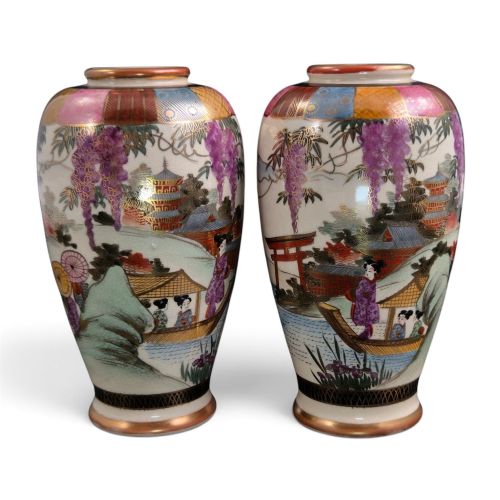
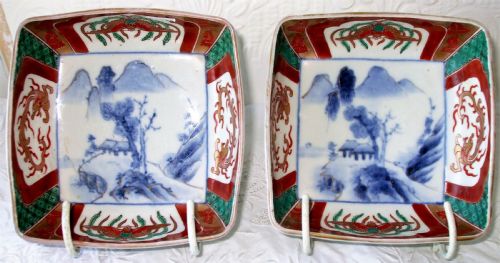
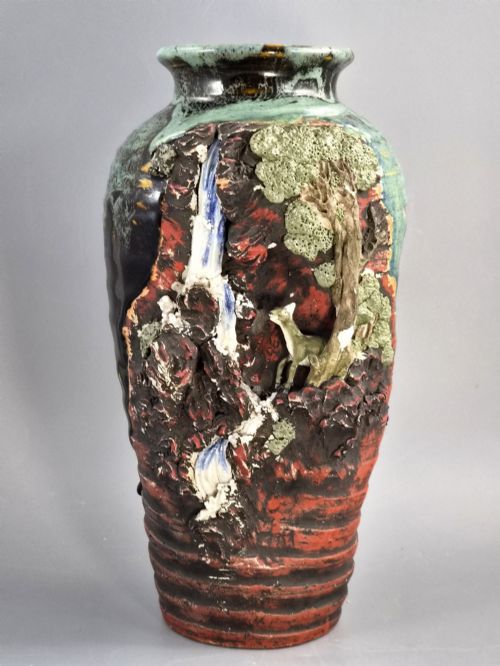
The selections on this page predominantly feature decorative vases, bowls, and dishes created in porcelain, earthenware, and stoneware. Many examples showcase intricate painted panels depicting lakes, wisteria, waterfalls, and stags.
Originating from renowned production centres and studios, these items reflect both traditional aesthetics and the distinct creative output of their respective decades. Buyers frequently find paired vases and large chargers suited for display.
Materials and techniques
Potters utilised earthenware, porcelain, and stoneware as foundations for these painted scenes, applying detailed glaze and enamel work across the surfaces. Many items incorporate gold leaf and heavy gilt detailing to accentuate the landscape motifs.
Makers employed specialised techniques such as moriage relief work and hand-painted blue and white designs. Kiln firing and meticulous brushwork brought depth to the depictions of trees, lakes, and architectural elements.
The selection includes regional styles such as Satsuma, Imari, Kutani, and Arita alongside sculptural Sumida Gawa vessels.
Assessing quality and execution
The refinement of the brushwork and the complexity of the landscape composition dictate the distinction of a piece. Delicate handling of enamel and the precision of the gilding separate standard production from finer examples.
Condition and the presence of artist signatures, such as the work associated with Yamashu or Makuzu Kozan, influence the character of the object. The integration of sculptural elements, like those seen on Sumida Gawa wares, further defines the standard.
Yamashu·Makuzu Kozan·Tashiro
The Japanese Landscape Ceramics Glossary
- Satsuma
- A type of earthenware with a fine crackle glaze, typically decorated with polychrome enamels and gilt. It originated in Satsuma Province and became widely produced in Kyoto and other centres during the Meiji period.
- Imari
- A style of Japanese porcelain featuring underglaze blue and overglaze iron red, gold, and other colours. These items were traditionally exported from the port of Imari.
- Moriage
- A decorative ceramic technique using slip to build up raised patterns on the surface. This method creates a textured, three-dimensional effect often highlighted with gold.
- Kutani
- A style of Japanese porcelain known for bold colour palettes and intricate pictorial designs. Pieces often incorporate rich greens, blues, yellows, and purples.
- Arita
- A Japanese town renowned for its porcelain production since the early Edo period. Arita wares include classic blue and white export pieces.
Japanese Landscape Ceramics: Frequently Asked Questions
How do I identify a Meiji period piece?
Meiji period items often display dense decoration, heavy gilding, and intricate landscape panels reflecting the artistic output of that era. Makers and studios during this time produced highly detailed earthenware and porcelain for both domestic and international markets.
Examining the base for signatures or specific studio marks can also help confirm the period of manufacture, alongside characteristic potting styles and glaze textures.
What is the difference between Satsuma and Imari?
Satsuma ceramics are typically earthenware with a characteristic ivory-coloured crackle glaze, decorated with enamel paints and gold leaf. They frequently feature detailed figural and landscape scenes.
Imari ceramics are hard-paste porcelain decorated in underglaze blue and contrasting overglaze colours like iron red and gold, usually featuring geometric and floral patterns rather than crackled glazes.
How were these decorative vases used?
These vases served primarily as ornamental display pieces in both Japanese interiors and Western drawing rooms during the late nineteenth and early twentieth centuries. Their scale and detailed landscape painting made them focal points on mantelpieces and tabletops.
Larger vessels and chargers were designed to showcase the technical skill of the potter and the aesthetic tastes of the period, rather than for holding flowers.
How should I care for antique ceramics?
Keep these items out of direct sunlight to protect the enamel colours and gilt detailing from fading over time. Dust them gently with a soft, dry brush or cloth without using chemical cleaners or water.
Handle vases and bowls with clean hands, supporting the base and body rather than lifting by narrow necks or handles that may be vulnerable to stress.