





Japanese Sumida Gawa
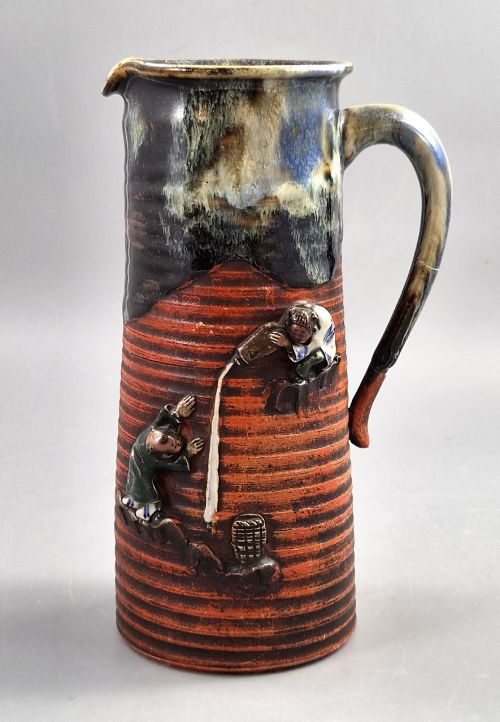
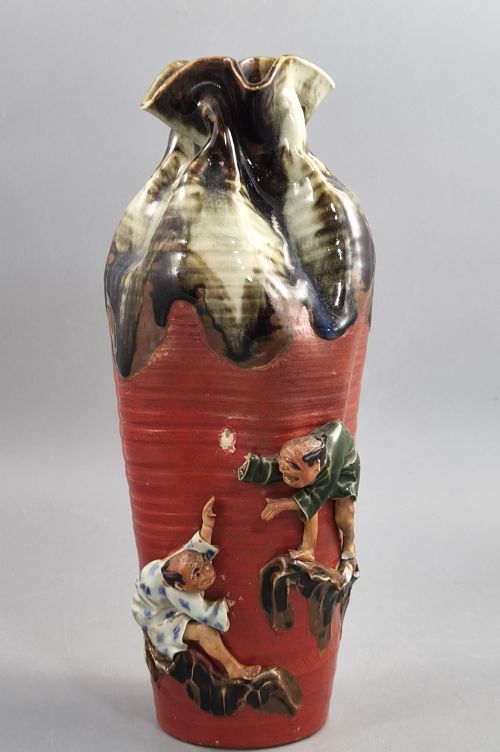
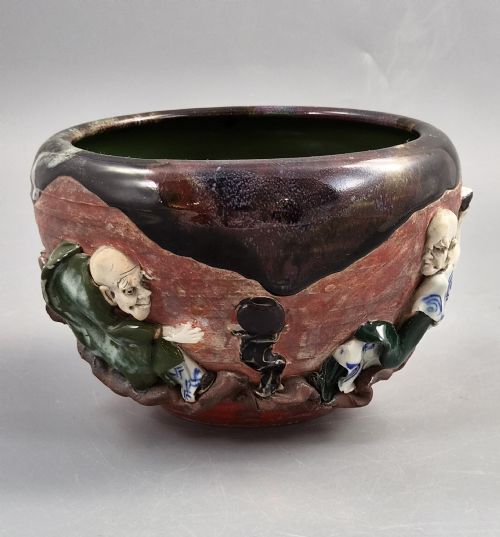
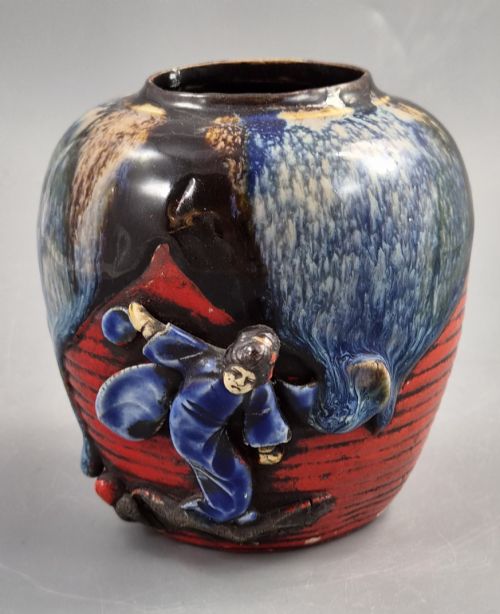
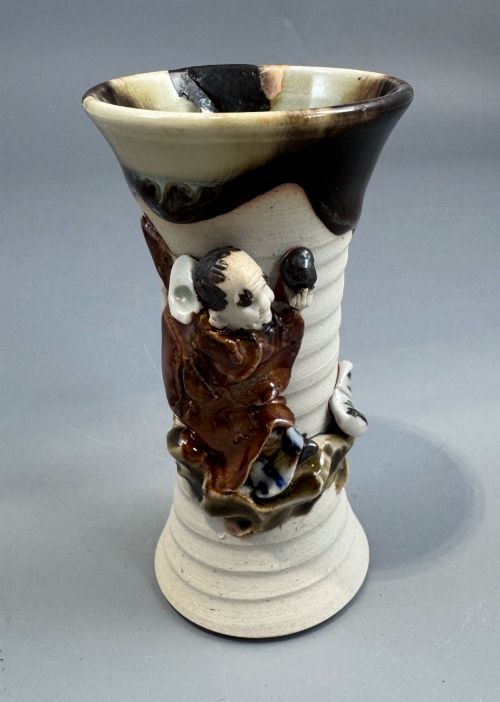
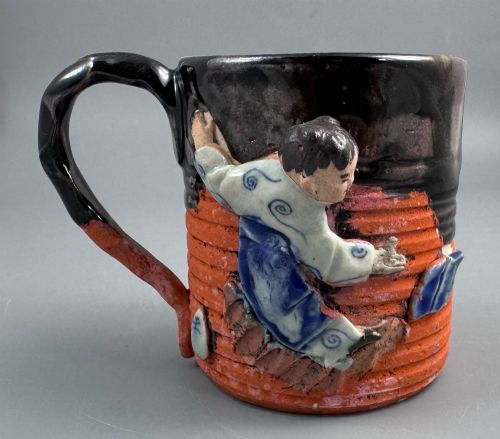
Japanese sumida gawa pottery brings together tactile glazes and sculpted figures, offering an engaging piece of Meiji and Taisho craft to display at home.
Japanese Sumida Gawa
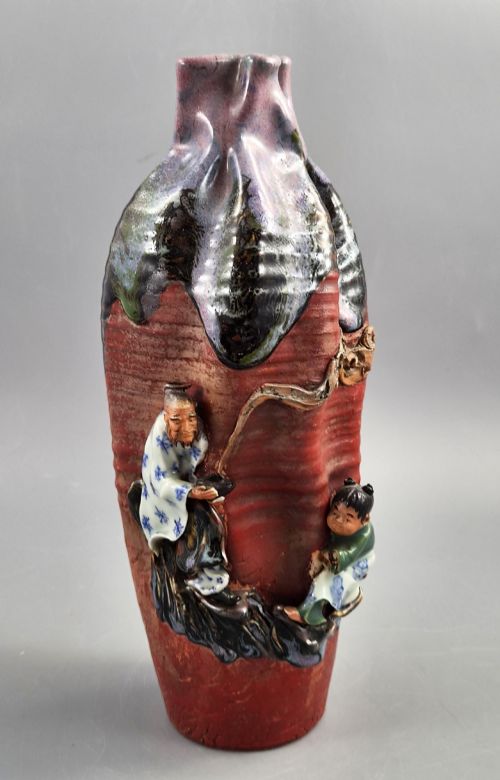
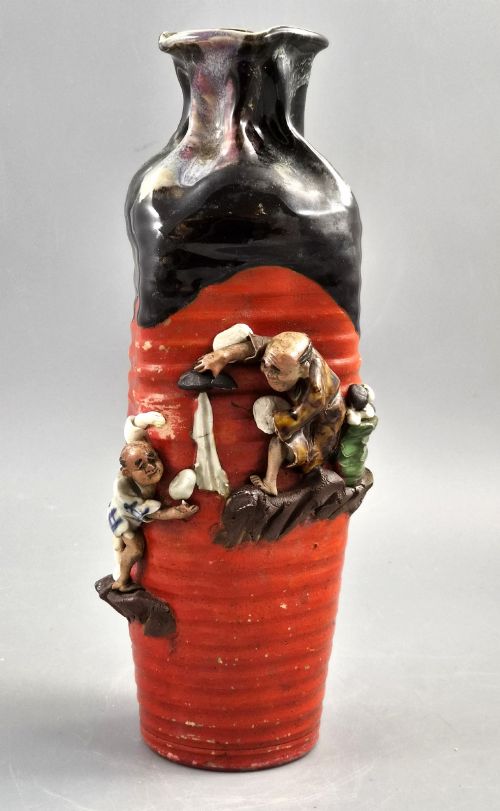
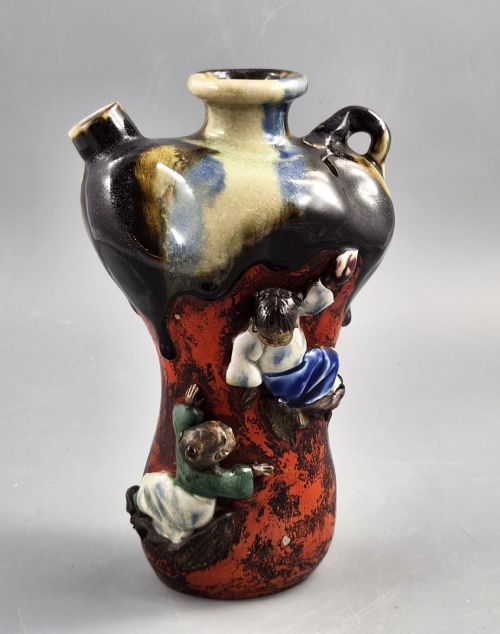
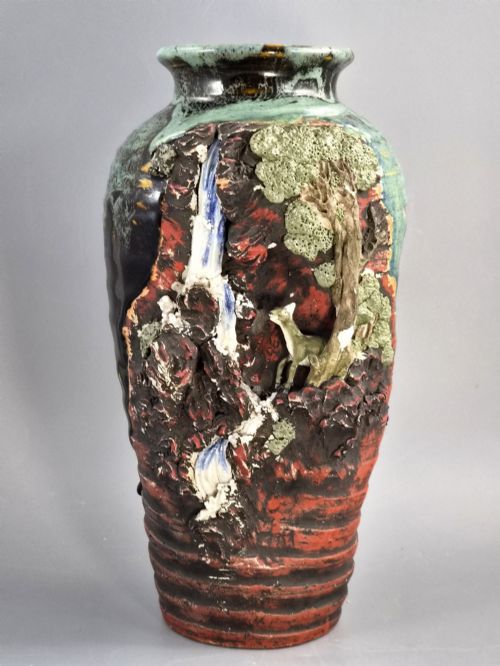
The forms vary widely across the selection, encompassing tall vases, pitchers, decorative bowls, teapots, and mugs. Many examples display pinched rims or textured surfaces designed to complement the three-dimensional scenes wrapped around the vessel.
Makers working in this tradition utilised signature glazes, leaving sections of raw terracotta or stoneware exposed to contrast with the glossy drip effects. This combination of narrative modelling and experimental glazing defines the core of what collectors encounter when searching for Japanese sumida gawa.
Materials and Techniques
Potters constructed these vessels using earthenware, stoneware, and terracotta, applying thick ceramic glazes that often pool and drip down the sides. Flambe, lavender, blue, and oxblood glazes appear frequently, creating vibrant colour variations across the surface.
The figurative elements are hand-modelled separately and applied to the body of the vase or bowl before firing. Signatures are typically incised into applied plaques or directly into the clay body by the artisan.
Listings for Japanese sumida gawa feature earthenware and stoneware bodies decorated with rich flambe and oxblood glazes.
Judging Quality and Execution
The distinction between average and exceptional pieces rests in the sharpness and expression of the applied figures. Skillfully modelled faces and hands convey character and movement, whereas lesser examples appear stiff and lack fine detail.
Glaze control also separates the tiers of production, as successful flambe and drip effects require precise kiln temperatures. Well-executed pieces balance the glossy surface with the rough texture of the exposed clay, creating a deliberate contrast.
Inoue Ryosai·Ban ni·Hiroshi
The Japanese Sumida Gawa Glossary
- Flambe glaze
- A streaked or mottled glaze produced by chemical reactions in the kiln. It creates complex patterns of blue, red, and purple.
- Rakan
- A term for a follower of the Buddha, frequently depicted as a sage in these ceramic scenes. These figures appear climbing across vases and mugs.
- Karako
- A traditional Chinese motif representing a playful child, commonly shown in relief on Japanese sumida gawa vessels. They add a narrative element to the pottery.
- Suiban
- A shallow decorative basin used for holding water or arranging plants. Examples in this tradition incorporate applied figures along the rim.
- Terracotta
- Fired clay left unglazed in specific areas to provide textural contrast against glossy surfaces. It forms the base material for many relief decorations.
Japanese Sumida Gawa: Frequently Asked Questions
What is Japanese sumida gawa pottery?
Japanese sumida gawa pottery is a distinctive type of ceramic originating from the late Meiji and Taisho periods, characterised by rough terracotta bodies and glossy flambe glazes. The vessels are instantly recognizable by the figures sculpted in high relief climbing across the outer surface.
These pieces were produced primarily for export, combining traditional Japanese sculpting techniques with experimental glazing methods. Collectors value them for their theatrical appearance and tactile qualities.
How were these ceramic pieces used?
Many of these items served as decorative vases, jars, and bowls intended to display floral arrangements or stand alone as sculptural objects in a room. Other forms, such as mugs, teacups, and teapots, functioned as tableware.
The applied figures and textured rims meant they were tactile objects meant to be handled closely. Today, they primarily serve as decorative display pieces in interior settings.
How do I care for Japanese sumida gawa?
Care for these ceramics by dusting them gently with a soft, dry cloth to protect the delicate applied figures in relief. Avoid using water or liquid cleaners, as moisture can seep into unglazed terracotta or vulnerable areas.
Keep the pieces away from direct sunlight and areas prone to heavy vibration to prevent damage to the protruding sculptural elements. Proper placement on a stable surface ensures the long-term preservation of the glaze and clay.
How can I tell the period of a piece?
Dating these ceramics relies on stylistic shifts between the Meiji period and the later Taisho and Showa eras. Earlier works often feature more detailed modelling and specific artisan signatures, while later examples show variations in glaze chemistry and form.
Examining the base and the signature style provides further clues regarding the workshop of origin. Comparing the specific glaze colours and figural motifs against known dated examples helps narrow down the timeline.