
Blue Glaze Ceramic Vase
A blue glaze ceramic vase brings depth of colour to a room through cobalt pigments and rich fired surfaces.
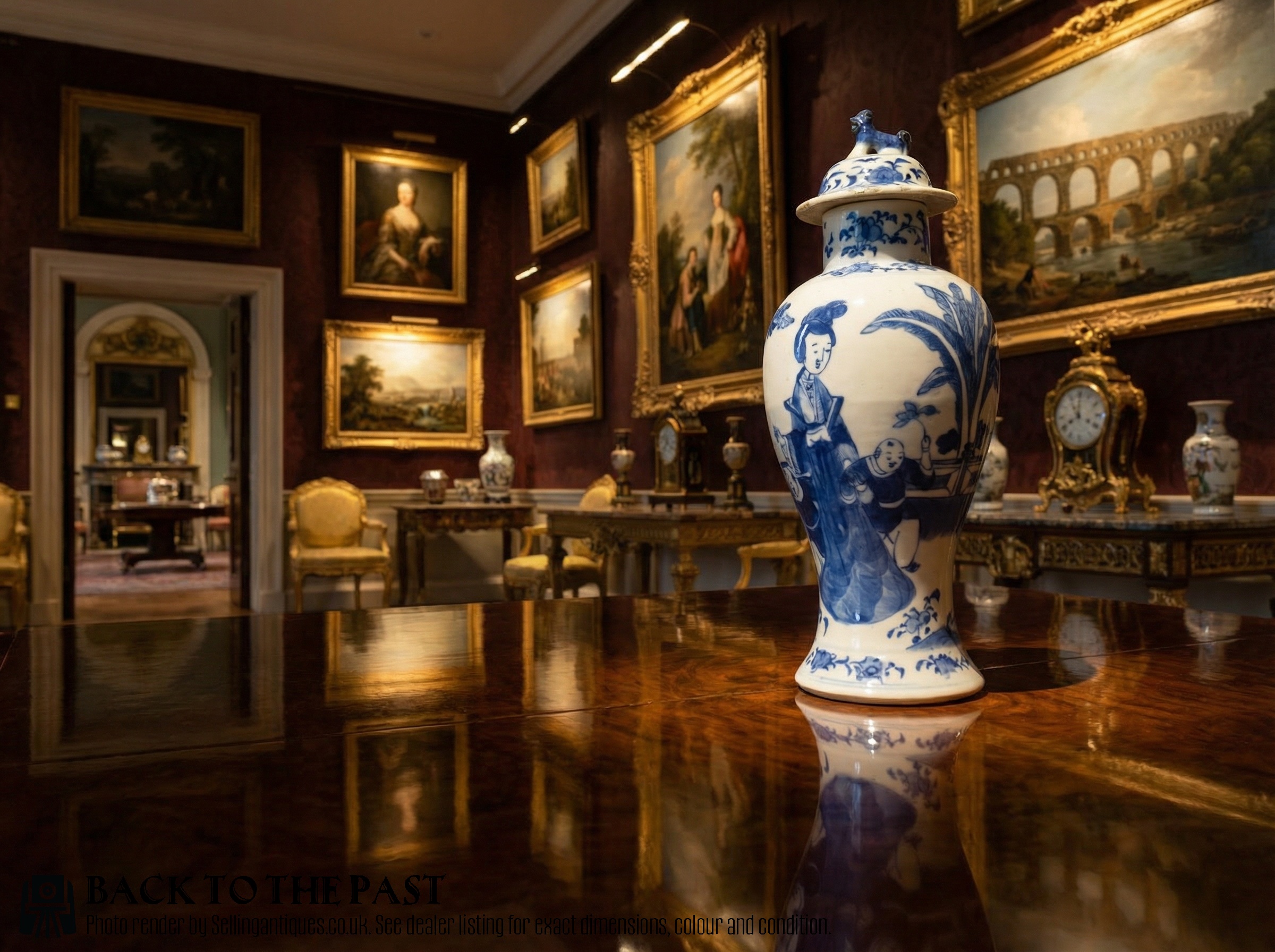
Blue Glaze Ceramic Vase
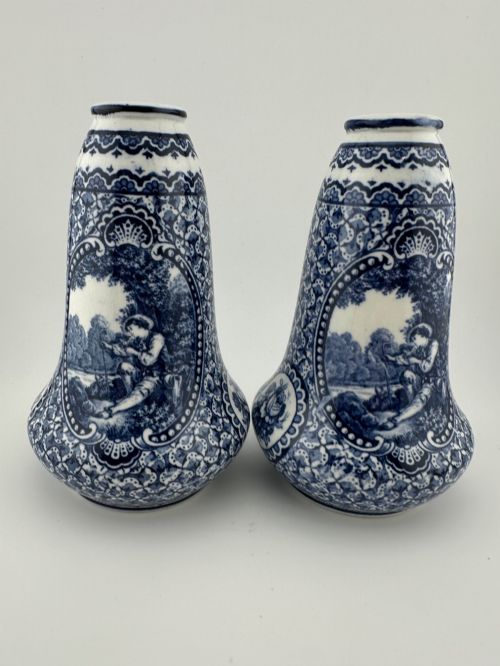
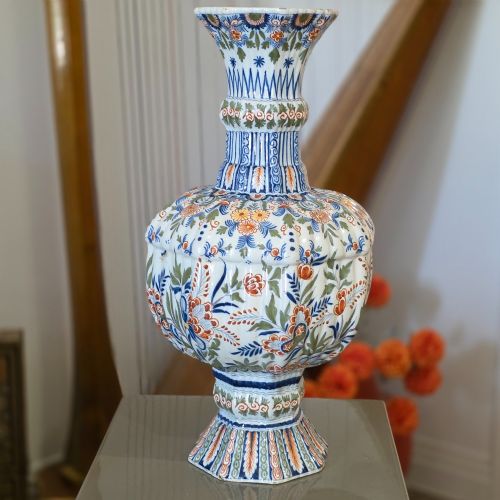
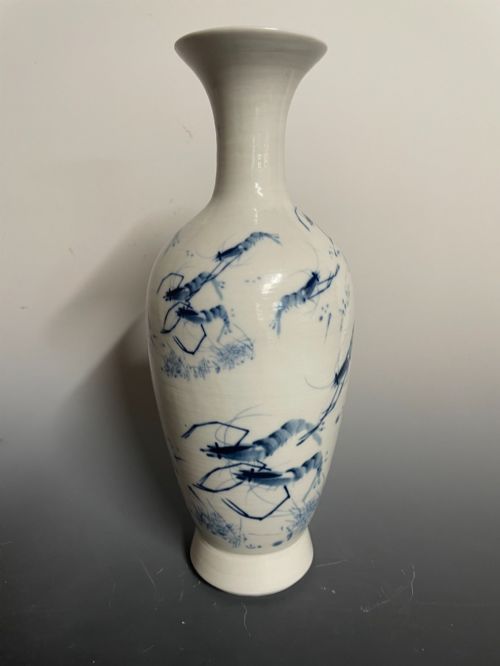
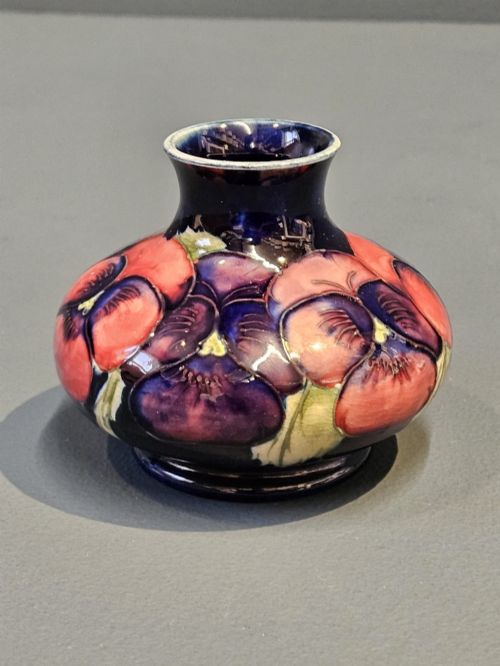
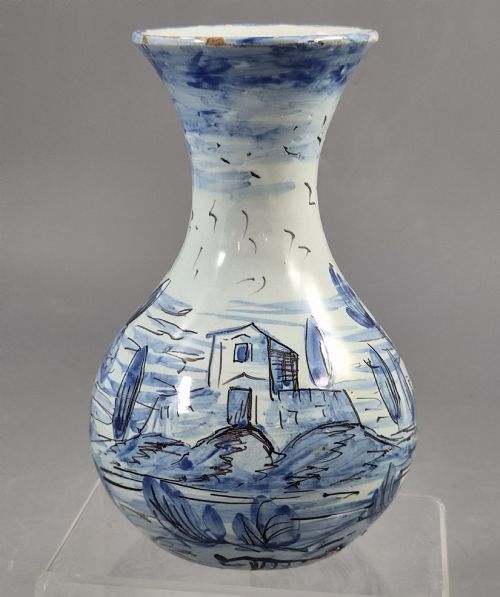
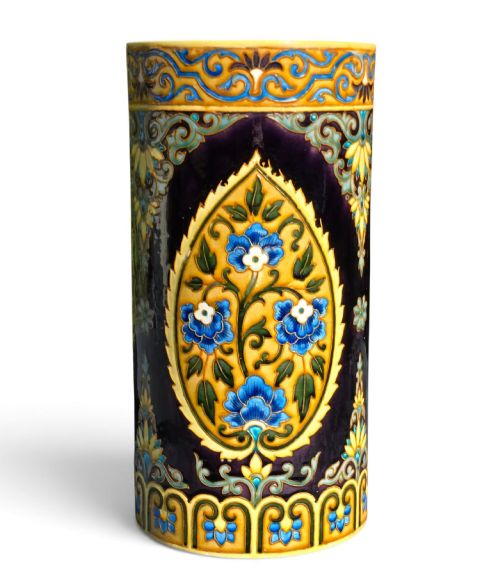
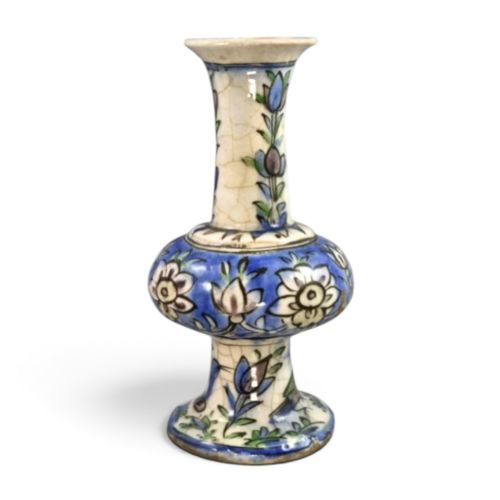
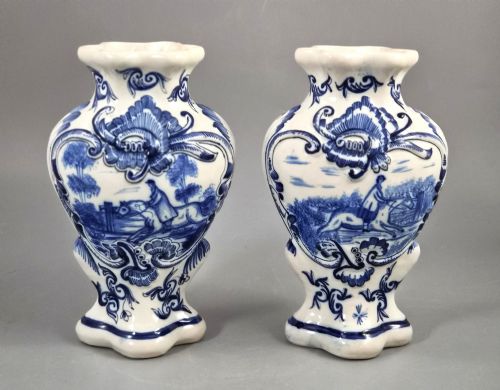
When searching for a blue glaze ceramic vase, a buyer encounters a diverse group of objects spanning centuries and origins, from English stoneware and Dutch delftware to Asian porcelain and French faience. The selection on this page contains everything from cabinet pieces and lidded jars to large umbrella stands and garden urns.
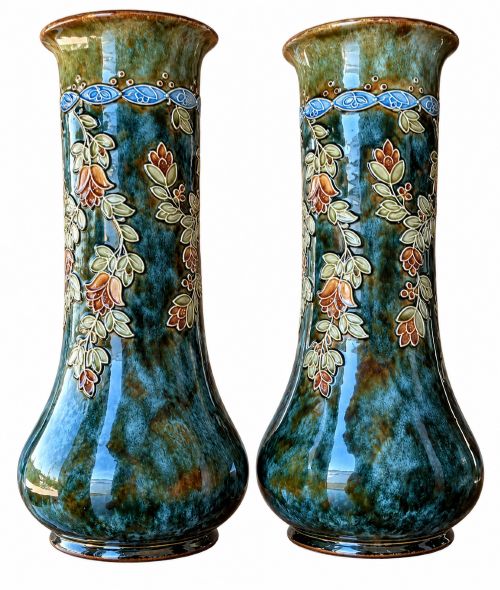
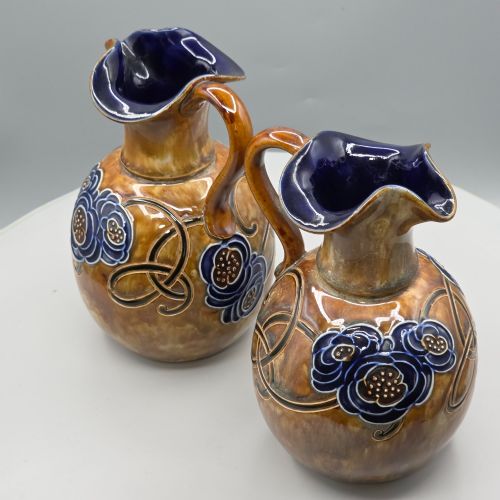
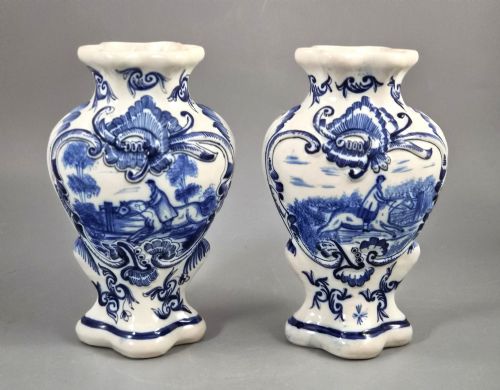
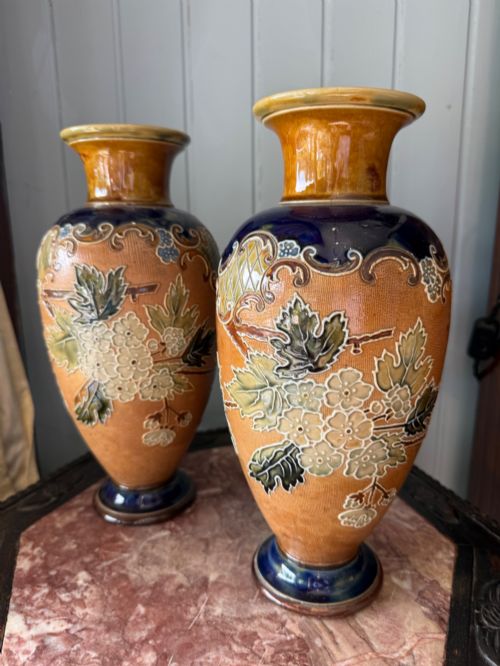
The most frequent examples found here originate from nineteenth-century production, particularly English salt-glazed stoneware from makers like Doulton, alongside continental European earthenware and traditional Dutch delft pieces. These vessels take various forms, including baluster vases, jugs, bottle vases, and cachepots.
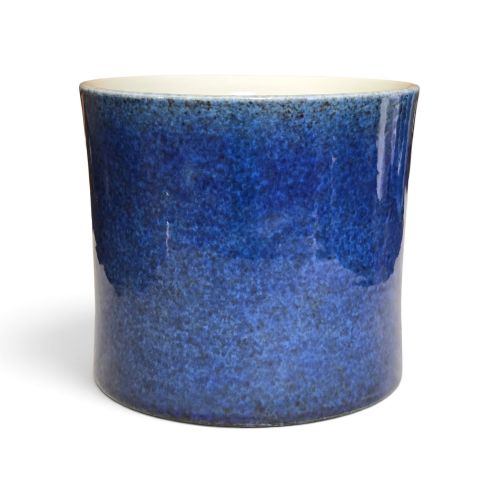
Beyond standard vessels, the category encompasses related ceramic forms such as brush holders, wall pockets, spill vases, and decorative ewers. Each piece relies on the interaction between fired clay bodies and cobalt or metallic glazes to create its visual impact.
How they were made
Makers shaped these vessels using earthenware, stoneware, or porcelain bodies, throwing them on the potter's wheel or moulding them into specific forms before applying liquid mineral glazes. Cobalt oxide served as the primary agent for achieving deep blue coloration, often applied directly onto the raw clay or over an opaque white tin glaze.
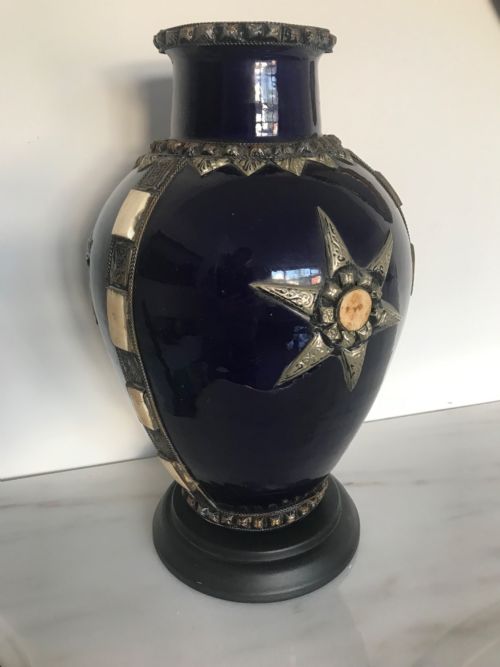
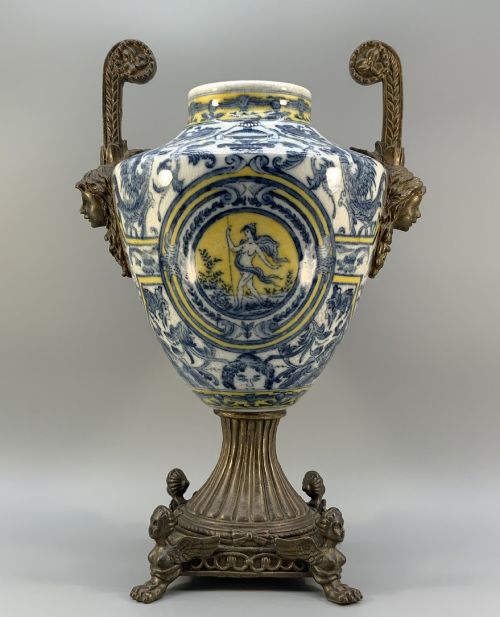
Firing took place in high-temperature kilns where chemical reactions transformed the raw minerals into vitrified surfaces, occasionally producing dynamic variations like flambé or mottled effects in the glaze. Artisans sometimes added metal mounts in bronze, silver, or gilt trim to finish the pieces after the final firing.
Several pieces incorporate climbing figures and portrait decorations into their blue glazes, adding unexpected life to the ceramic surfaces.
What varies in quality
The distinction between ordinary and exceptional examples rests upon the control of the glaze and the crispness of the modelled or painted decoration. Superior pieces display even saturation of colour, deliberate brushwork, and harmonious integration between the ceramic body and any applied metal mounts.
Artistry in form and historical significance elevate certain items, particularly when individual studio potters or renowned factories executed the design with careful attention to proportion and surface texture.
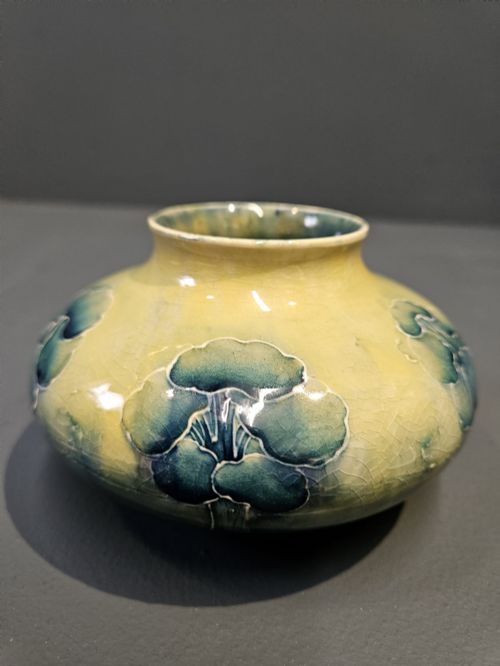
Royal Doulton·Moorcroft·Théodore Deck·Fourmaintraux-Courquin·Lauder Pottery·Brannam
The Blue Glaze Ceramic Vase Glossary
- Stoneware
- A dense, impermeable ceramic fired at high temperatures until the clay body vitrifies into a stony substance. This material resists liquids naturally and often accepts salt glazes.
- Delftware
- Tin-glazed earthenware produced in the Netherlands and England, typically featuring blue and white decoration inspired by imported Chinese porcelain. The opaque white background highlights the painted cobalt designs.
- Baluster
- A vertical architectural form characterised by a swelling lower body that tapers toward the top. Ceramic vases of this shape provide a stable base and generous surface area for decoration.
- Faience
- European tin-glazed earthenware decorated with coloured pigments over a white enamel ground. This technique developed extensively in France and Italy during the Renaissance and later periods.
Blue Glaze Ceramic Vase: Frequently Asked Questions
How do I care for a ceramic vase?
Dust these vessels gently with a soft, dry cloth and avoid exposing them to harsh household cleaners that might damage the fired glaze surface. Keep them away from areas with extreme temperature fluctuations to protect the underlying ceramic body.
When displaying them with fresh flowers, place a small glass or plastic liner inside rather than pouring water directly into antique vessels, as older clay bodies can remain porous over time.
Are these vases watertight?
Many stoneware and porcelain vessels hold water effectively, while older earthenware and porous pieces may seep moisture through tiny micro-fissures in the glaze. Testing the vessel on a dry surface before regular use prevents accidental damage to furniture.
Utilising internal glass containers remains the safest method for displaying fresh arrangements in delicate or porous antique ceramics.
How can I tell different periods apart?
Distinguishing periods relies on examining the characteristics of the clay, the formulation of the glaze, and the style of decoration applied to the surface. Nineteenth-century pieces frequently exhibit revivalist motifs or industrial factory marks, whereas earlier eighteenth-century examples display hand-mixed pigments and traditional folk or orientalist painting styles.
Reference marks, stamps, and signatures stamped into the base offer further clues for dating specific workshops and makers.
Where were these ceramic styles made?
These ceramic pieces originate from diverse global traditions, including European pottery centres in England, France, Holland, and Italy, alongside Asian and Middle Eastern kilns. Each region developed distinct methods of preparing clay and mixing cobalt glazes.
Trade routes and cross-cultural exchanges heavily influenced the spread of specific decorative styles, such as Iznik motifs in France or Chinese blue and white designs in Dutch delftware.