
English Ceramic Vase
An english ceramic vase brings centuries of kiln artistry into a room, offering both sculptural presence and a tangible link to historic British manufactories.
English Ceramic Vase
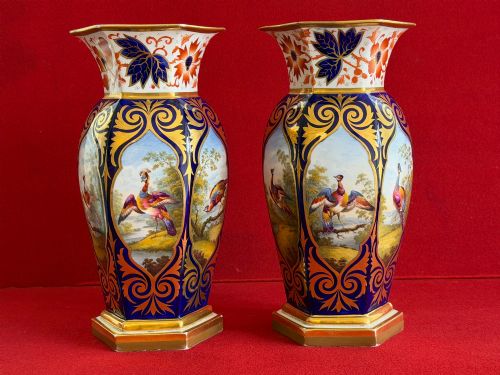
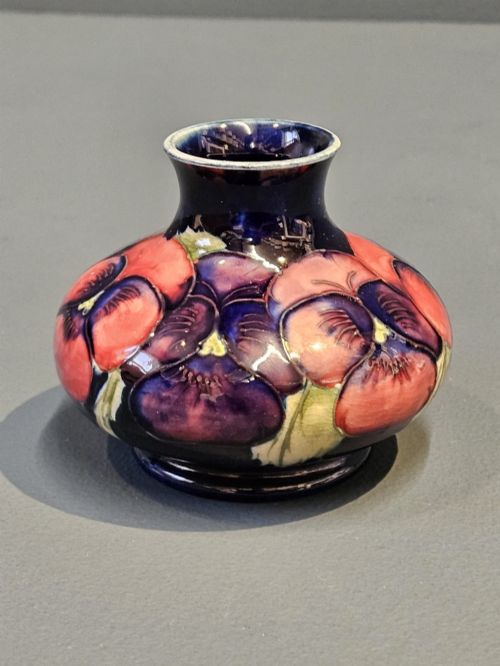
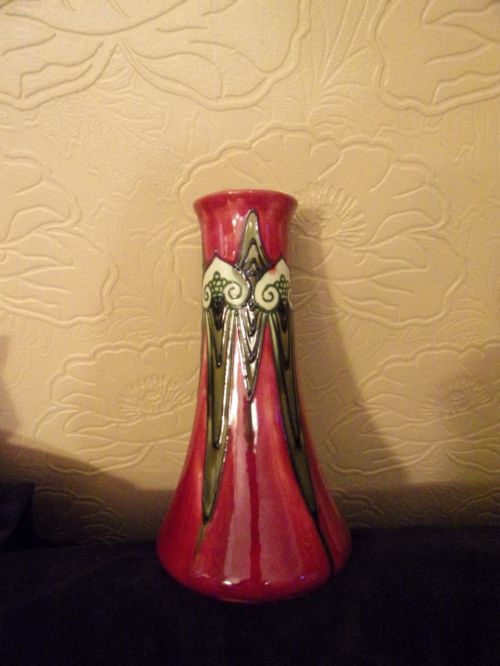
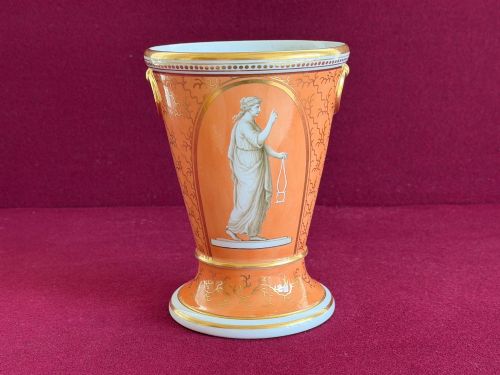
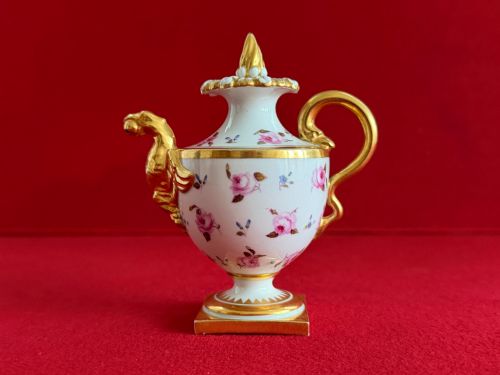
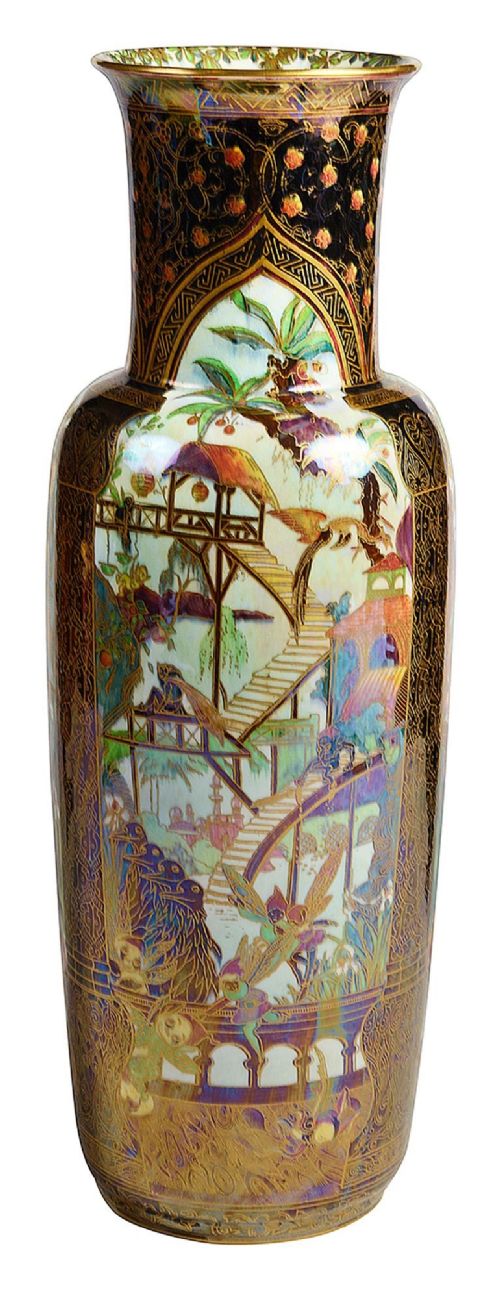
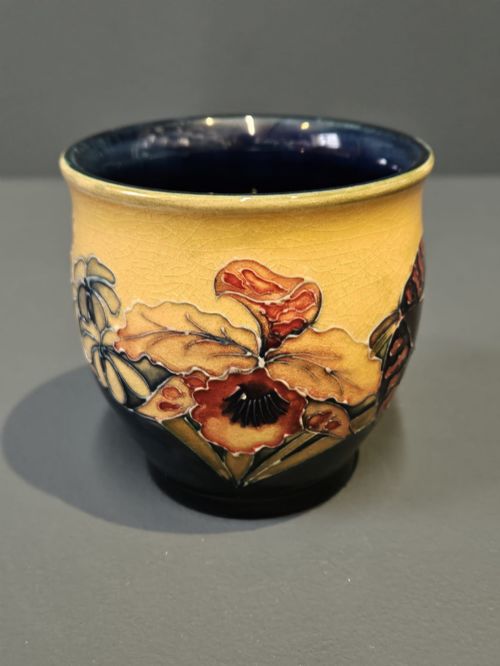
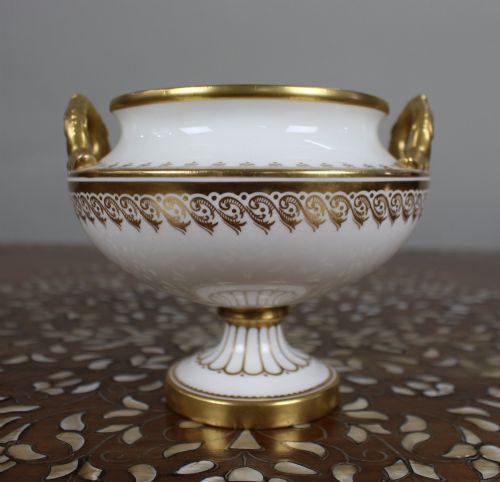
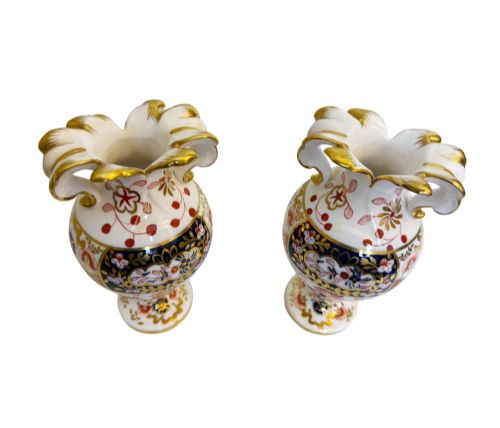
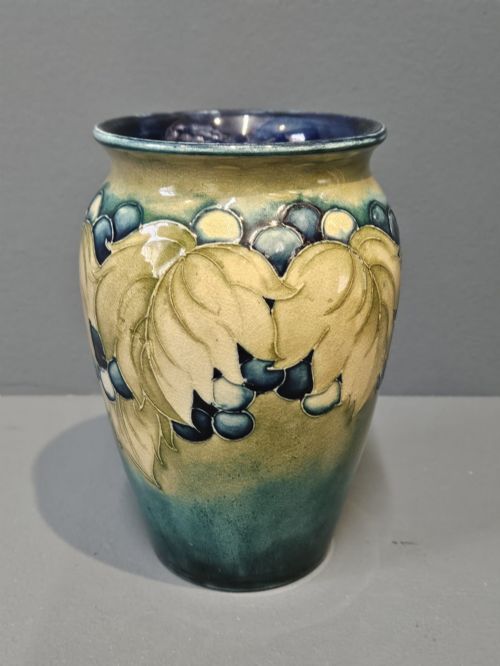
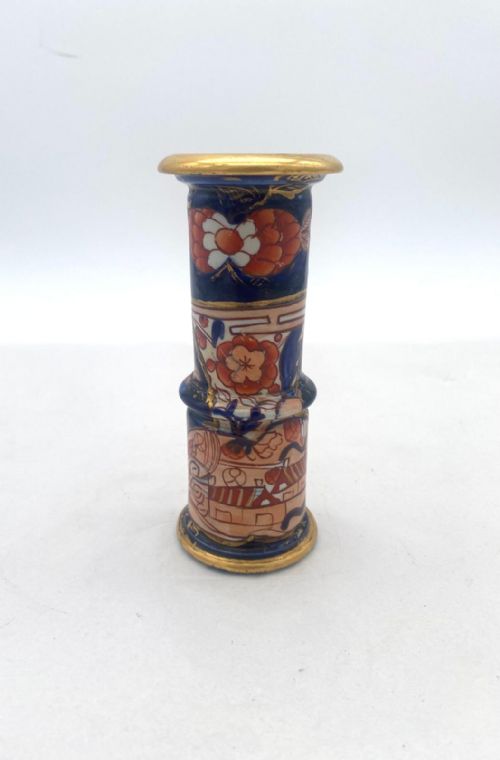
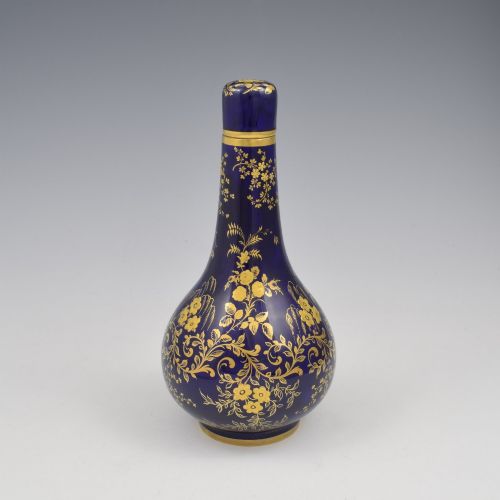
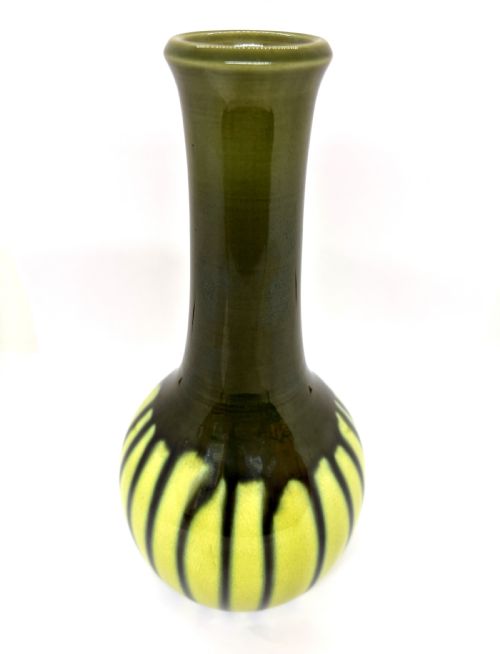
When searching for an english ceramic vase, collectors encounter a diverse range of forms spanning from eighteenth-century soft-paste porcelain to twentieth-century art pottery and earthenware. The selection on this page leans heavily toward nineteenth-century cabinet pieces, decorative urns, and spill vases produced by celebrated historic factories.
Forms vary widely from monumental campana urns and two-handled mantel vases down to delicate cabinet pieces and spill vases intended for the hearth. Pieces emerge from notable periods including the Georgian, Regency, and Victorian eras, as well as later Edwardian and Art Nouveau designs.
Buyers will find everything from neoclassical hand-painted porcelain to rustic faience and glazed stoneware. This variety reflects the shifting domestic tastes and evolving ceramic technologies of British workshops over three hundred years.
Materials and Manufacturing Techniques
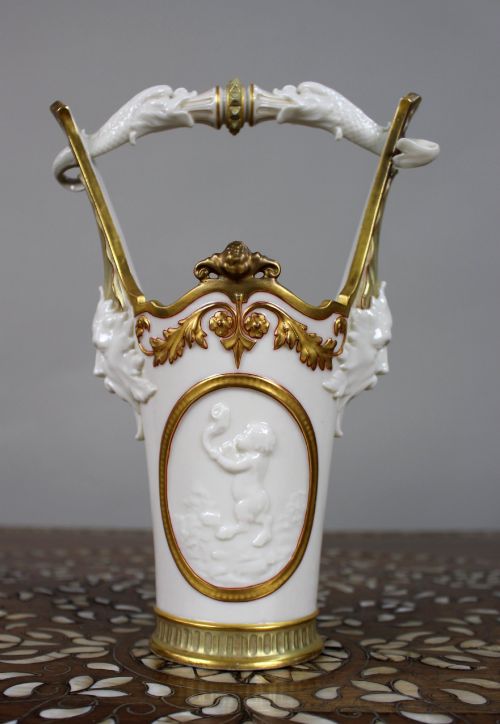
Potters shaped these vessels using fine porcelain, sturdy earthenware, ironstone, and specialised faience, applying vibrant underglazes, enamels, and rich gilding. Many nineteenth-century works combine fluid body pastes with intricate mouldings, hand-painted botanical or figurative scenes, and applied relief details.
Surface decoration frequently relied on specialised techniques such as tube-lining, lustre glazes, and blush ivory finishes. Kiln firing methods determined whether a piece achieved a glossy translucency or a dense, opaque stoneware body capable of holding heavy enamels.
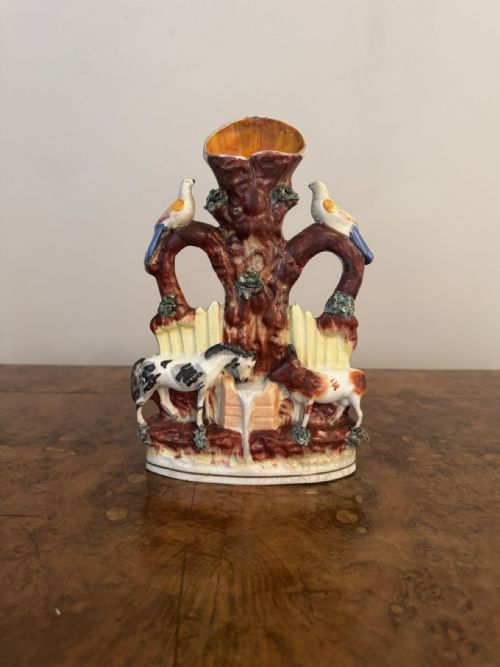
Victorian Staffordshire potters occasionally modelled cows with calves, creating charming ceramic vessels that served as whimsical spill holders on the mantelpiece.
Distinguishing Quality in British Ceramics
The finest examples demonstrate exceptional precision in throwing or moulding, paired with meticulous hand-painting that exhibits great control over enamel and gilt application. Master painters working for prominent manufactories achieved remarkable depth and detail in floral panels, landscapes, and Watteau scenes.
Superior execution also shows in the uniformity of the glaze and the crispness of relief work, whereas lesser production pieces may display minor glaze pooling or simpler, less refined transfer-printed outlines.
Flight Barr And Barr·Royal Worcester·Moorcroft·Wedgwood·Spode·Doulton Lambeth
The English Ceramic Vase Glossary
- Campana urn
- A bell-shaped vessel with flared rims and handles, often mounted on a square plinth. These classical forms were immensely popular during the Regency and Victorian periods.
- Spill vase
- A narrow cylindrical container designed to hold wooden spills for lighting candles and fires. They often feature charming domestic or rural scenes.
- Ironstone
- A dense, durable type of earthenware patented in the early nineteenth century to imitate Chinese porcelain. It provides a robust body for rich mazarine blue and Imari decorations.
- Blush ivory
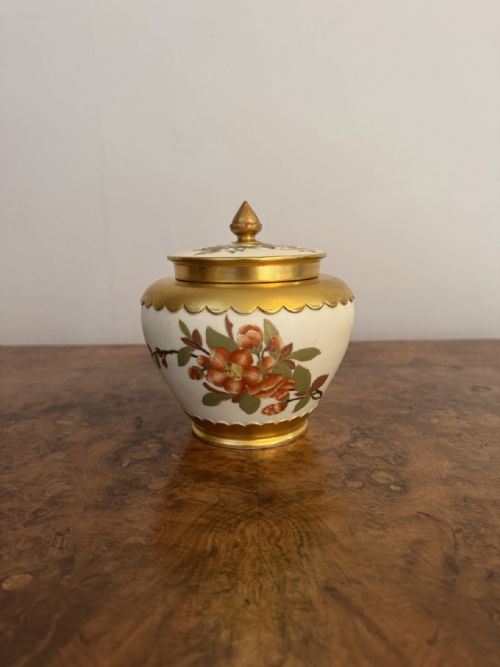
- A matte cream-coloured porcelain body introduced by Royal Worcester in the late nineteenth century. It serves as a delicate ground for soft floral hand-painting.
- Tube-lining
- A decorative technique where lines of slip are squeezed through a nozzle onto the clay body to create raised outlines for enamel colours. This method defines much Arts and Crafts and Secessionist pottery.
English Ceramic Vase: Frequently Asked Questions
How do I date an antique english ceramic vase?
Dating relies on identifying factory marks, pattern numbers, and stylistic cues such as Regency neoclassical shapes or Art Nouveau flowing lines. Examining the base often reveals impressed or painted ciphers specific to certain decades.
Changes in body composition, from soft-paste porcelain to ironstone and bone china, also help narrow down the period of manufacture.
What is the difference between a vase and an urn?
Vases generally feature open necks and serve primarily as decorative vessels or floral containers. Urns typically include handles, covers, and more formal classical proportions designed for display on mantelpieces.
Many nineteenth-century examples blur these lines by functioning as decorative garniture sets rather than practical flower holders.
How should I display and care for antique ceramics?
Keep delicate porcelain and earthenware out of direct sunlight to prevent enamel fading and gilt degradation. Place them on stable surfaces away from high-traffic areas where vibrations could cause a fall.
Clean them only with a soft, dry brush or cloth, avoiding chemical detergents that can damage historic glazes.