




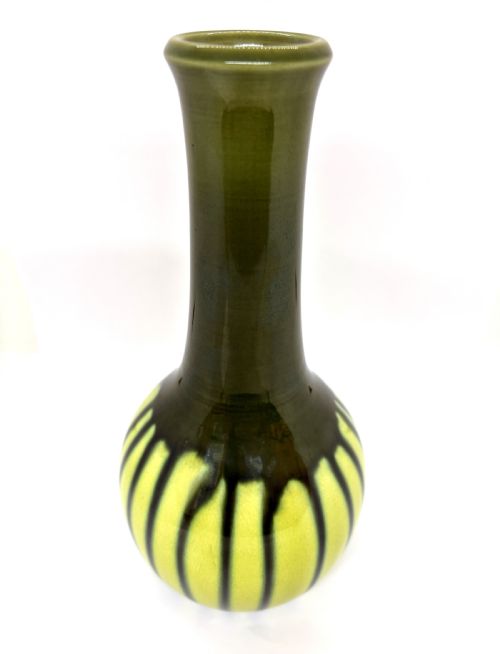


Decorative Ceramic Flower Vase
A decorative ceramic flower vase brings organic form and colour to a room, holding cut stems or standing alone as a sculptural focal point.
Decorative Ceramic Flower Vase
A decorative ceramic flower vase encompasses a wide variety of vessels designed to display botanicals or function as standalone decorative objects. These pieces range from compact posy holders and twin-handled urns to large jardinieres and flowing jugs.
The selections available span multiple eras, most notably the Victorian, Edwardian, and Art Nouveau periods, alongside later Art Deco and mid-century designs. Collectors encounter earthenware, porcelain, and stoneware formations shaped during the nineteenth and twentieth centuries.
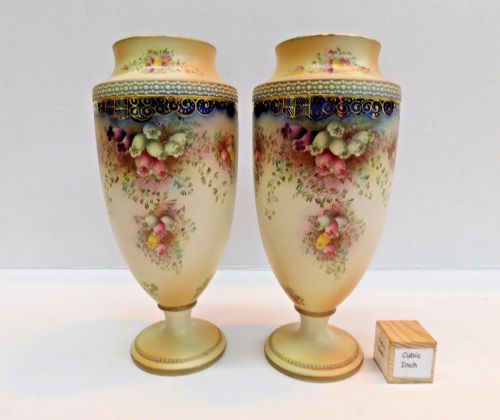
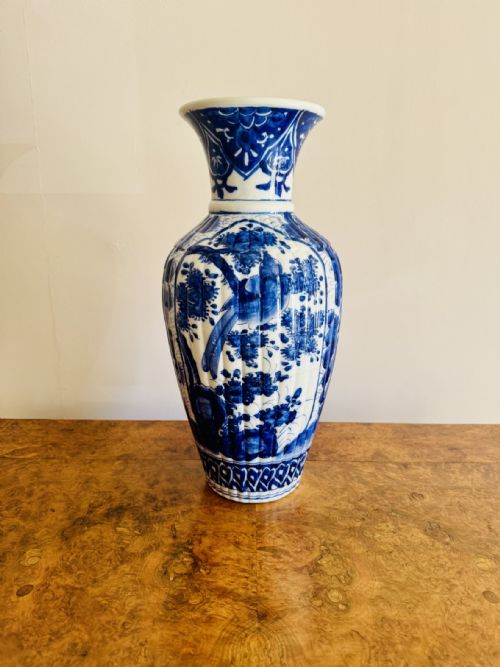
Makers and potteries from England, continental Europe, and Japan dominate the category. Forms vary from traditional imari patterns and hand-painted floral motifs to distinct tube-lined patterns and textured glazes.
Materials and production techniques
Potters utilised materials such as porcelain, earthenware, and stoneware, shaping them on the wheel or casting them in moulds. Finished bodies received glazes, enamels, and occasionally gold leaf applications to enhance their decorative surfaces.
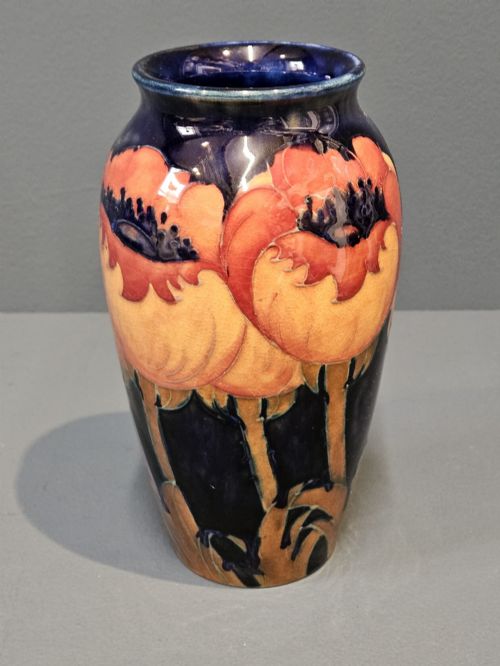
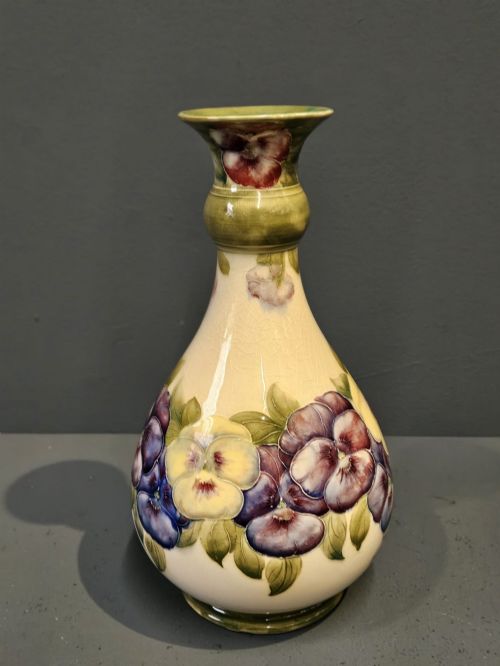
Techniques such as hand-painting and tube-lining, seen in pieces by Moorcroft and Charlotte Rhead, required precise artistic control before firing. Stoneware varieties often relied on incised decoration or applied floral decor rather than surface painting alone.
Decorative Ceramic Flower Vase Retail Price Guide 2026
Typical asking prices for decorative ceramic flower vase among the pieces listed under this phrase on Sellingantiques today, from the lower quarter to the upper quarter. They describe what is for sale here now, not the wider market.
One cheerful Edwardian porcelain figure depicts a young boy pushing a wheelbarrow that doubles as a functional posy holder.
Judging the standard of execution
Quality rests upon the crispness of the modelled form and the precision of the hand-painted or enamel decoration. Pieces bearing distinct artist signatures or recognised studio culls display superior attention to detail.
The depth of the glaze and the harmony of the palette distinguish finer examples from standard production items. Intricate additions such as twin handles, modelled figures, or gilt highlights elevate the overall presence of the vessel.
Moorcroft·Royal Doulton·Makuzu Kozan II·Ernst Wahliss·Charlotte Rhead·Royal Worcester·Coalport·Poole Pottery
The Decorative Ceramic Flower Vase Glossary
- Jardiniere
- A large decorative pot or stand designed to hold growing plants rather than cut flowers. These are frequently heavy earthenware or stoneware pieces meant for tabletops or pedestals.
- Stoneware
- A robust ceramic category fired at high temperatures until vitrified and rendered impermeable to liquids. It forms a dense, durable body often decorated with salt glazes or applied ornament.
- Enamel
- A vitrescible composition fused to the ceramic surface during a secondary firing to add vibrant colour. This technique creates a glossy, raised design that catches the light.
- Lustre
- A metallic film applied to the ceramic glaze to produce an iridescent, shimmering sheen. This finish was particularly favoured during the Art Deco era for its reflective qualities.
Decorative Ceramic Flower Vase: Frequently Asked Questions
How do I use an antique vase safely?
Historic ceramic vases often have porous interiors or delicate enamel decorations that disallow direct water contact. Placing a small glass insert inside protects the antique body from moisture damage.
Display these vessels away from direct sunlight and high-traffic areas where they might be knocked over. Regular dusting with a soft, dry cloth preserves the exterior finish.
How do I identify Art Nouveau designs?
Art Nouveau pieces feature flowing, asymmetrical lines inspired by natural plant stems and floral motifs. The forms appear organic, avoiding rigid geometric symmetry.
Colour palettes tend toward muted greens, blues, and earthy tones that mimic natural growth. Artists working in this style embraced sinuous contours across both vases and jardinieres.
Can I date a piece by its maker mark?
Pottery marks changed frequently as firms updated their registration numbers, royal warrants, or corporate names. Comparing the stamped or painted mark against standard reference guides provides a reliable production window.
Hand-written initials or decorator ciphers often accompany factory marks, helping to identify specific artists within larger workshops like Royal Doulton or Royal Worcester.