

Green Glazed Pottery Vase
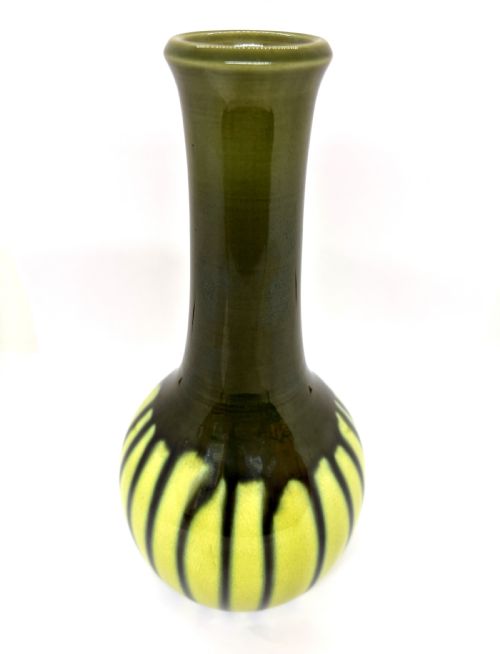
These pieces of green glazed pottery vase range from nineteenth century Staffordshire figures to ambitious studio pottery, bringing rich colour and historic form into a room.
Green Glazed Pottery Vase
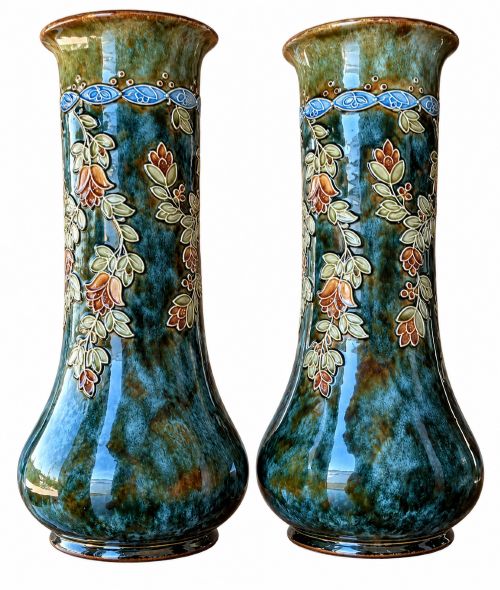
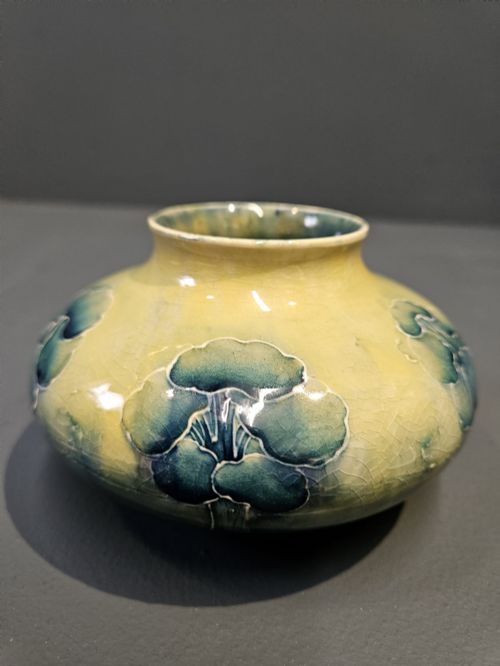
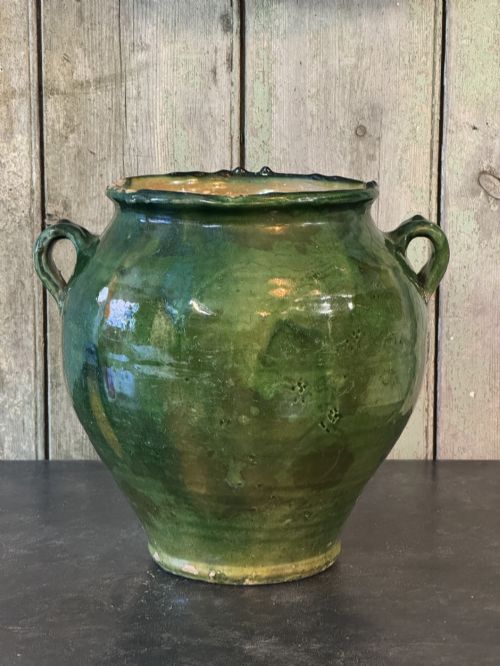
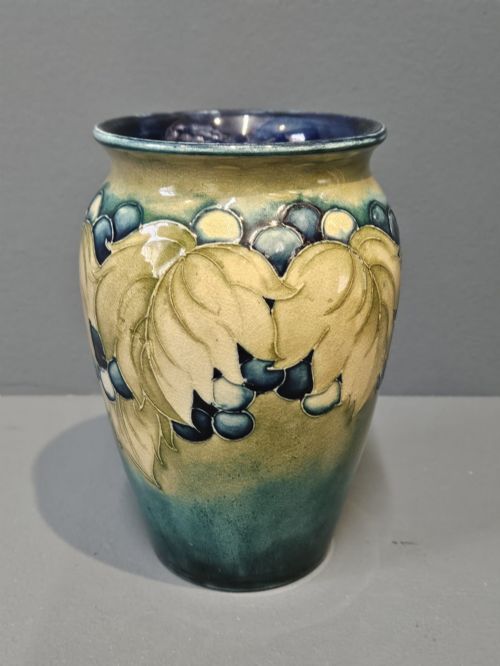
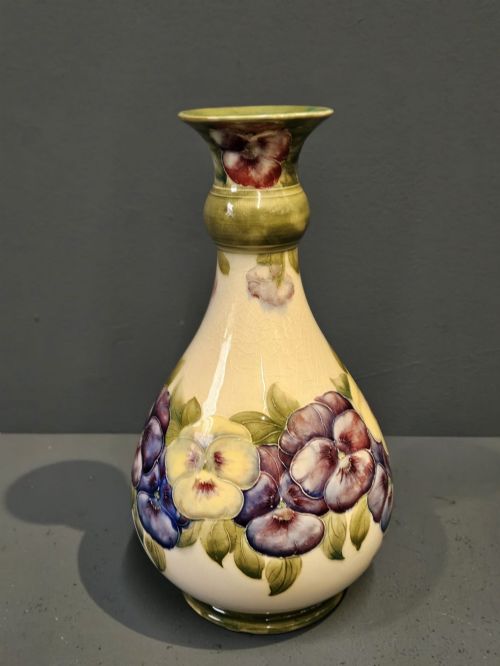
A green glazed pottery vase brings together centuries of ceramic tradition, spanning English earthenware spill vases, French confit jars, and ambitious studio pieces from the Victorian and Edwardian eras. When searching this phrase, a buyer meets everything from domestic utilitarian vessels to highly decorative creations shaped during the Arts and Crafts and Art Nouveau movements.
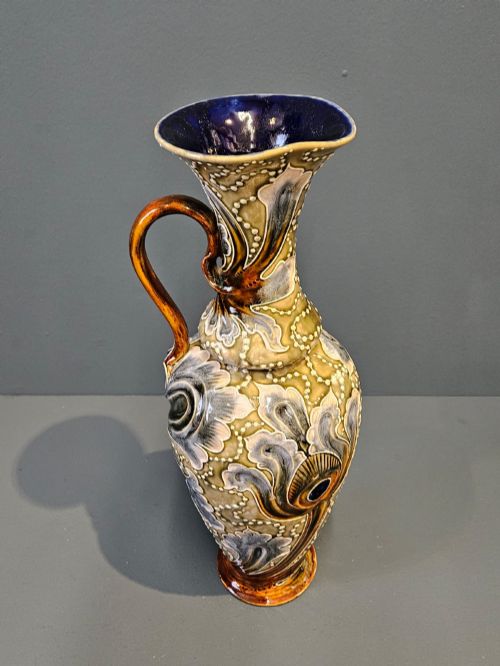
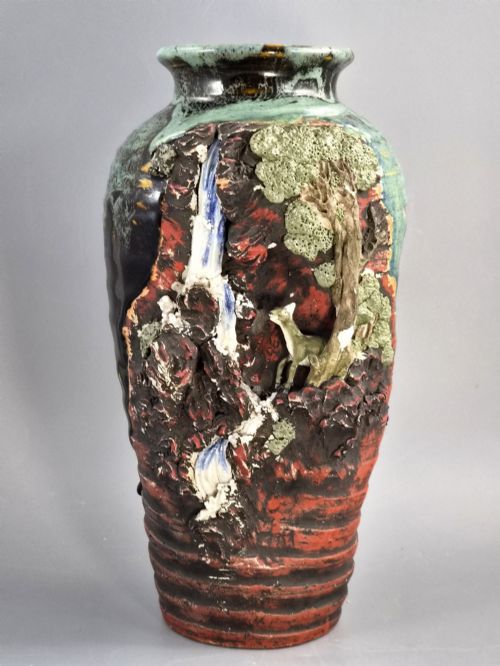
The selection on this page relies heavily on nineteenth and early twentieth century origins, featuring British potteries alongside continental examples and Asian ceramics. Forms vary from simple utilitarian jars and spill vases to elaborate ewers, baluster vessels, and sculptural Japanese landscapes.
How they were made
Makers shaped these vessels from earthenware, stoneware, terracotta, and ceramic bodies before applying rich liquid glazes. Techniques include tube lining, majolica work, and specialised celadon or tea dust glaze applications that pool naturally in the recesses of the clay.
Kiln firing transformed these raw mineral components, fixing rich green tones, metallic lustres, and enamels across the surface of the pottery. Hand-thrown and moulded bodies demonstrate both commercial production methods and individual studio craftsmanship from periods like the Meiji era and the late Victorian decades.
Materials appearing across the inventory include earthenware, stoneware, terracotta, porcelain, and specialised glazes such as celadon and tea dust.
What varies in quality
The distinction between standard commercial wares and exceptional examples rests upon the depth and control of the glaze. Rich, even coverage and successful chemical reactions during firing produce striking green tones that elevate the visual presence of the vessel.
Execution of form and decorative detail separate ambitious studio pieces from ordinary production. Strong definition in moulded reliefs, precise tube lining, and the confident hand of named artists create lasting distinction across these historic items.
Royal Doulton·Minton·Moorcroft·Burmantofts Pottery·Makuzu Kozan·Zsolnay Pecs·Ulisse Cantagalli·Royal Lancastrian·Brannam Art Pottery·Sir Edmund Harry Elton
The Green Glazed Pottery Vase Glossary
- Earthenware
- Porous pottery fired at lower temperatures, commonly coated in an impermeable glaze. This material forms the base of many nineteenth century spill vases and confit jars.
- Stoneware
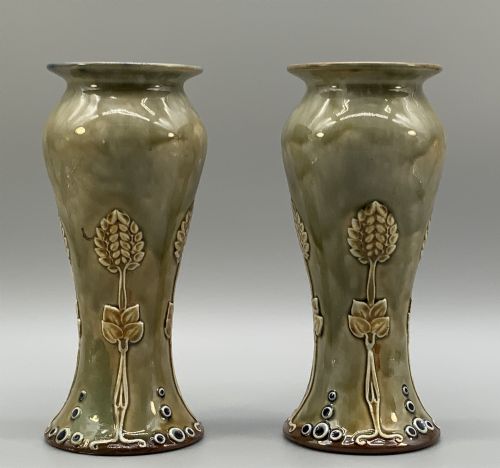
- Dense, vitrified ceramic fired at high temperatures until non-porous. Potteries such as Doulton Lambeth utilised this durable body for their art vessels.
- Spill vase
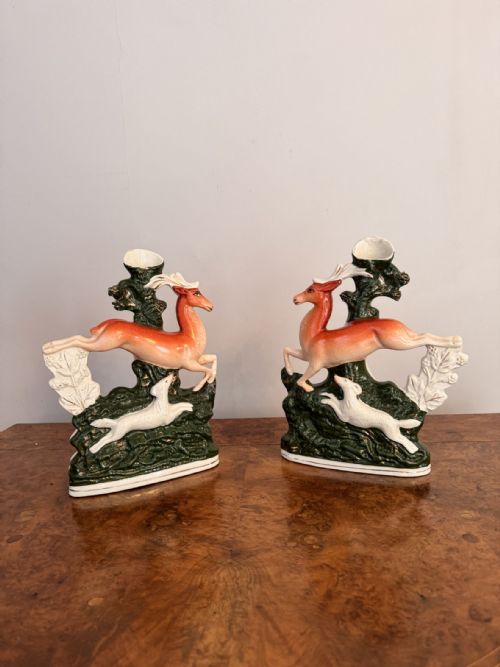
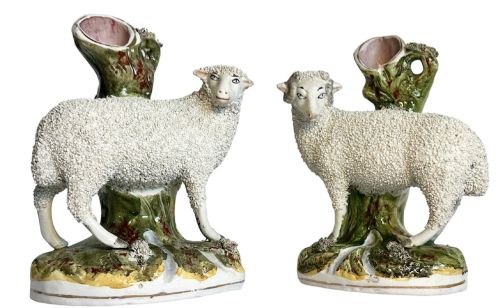
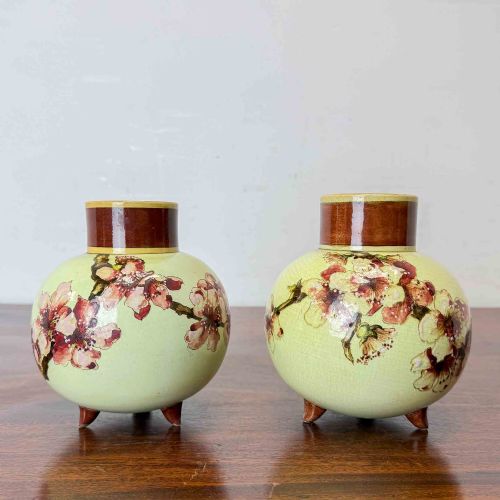
- A small decorative container designed to hold wooden spills used for lighting candles and fires. Staffordshire potters frequently modelled these in pairs featuring animals.
- Majolica
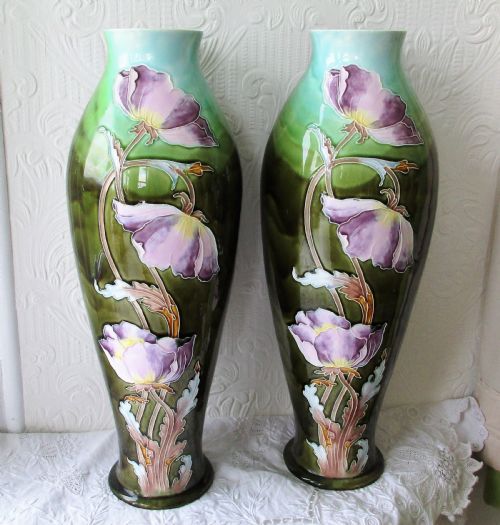
- Low-fired earthenware covered with an opaque tin-lead glaze and painted with metallic oxide colours. Victorian makers adopted this technique for vibrant decorative vessels.
- Tube lining
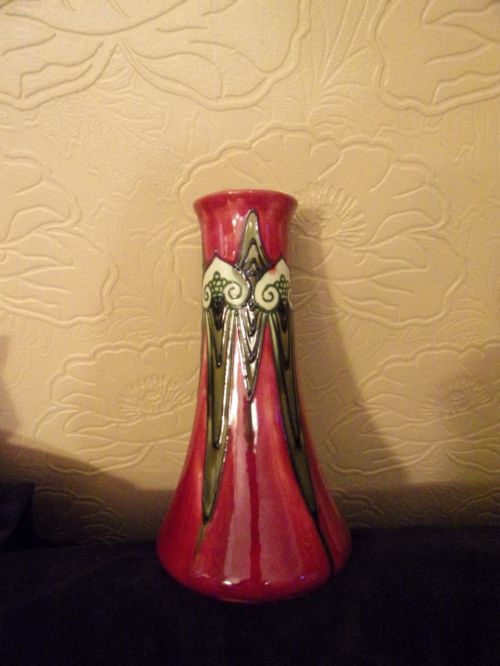
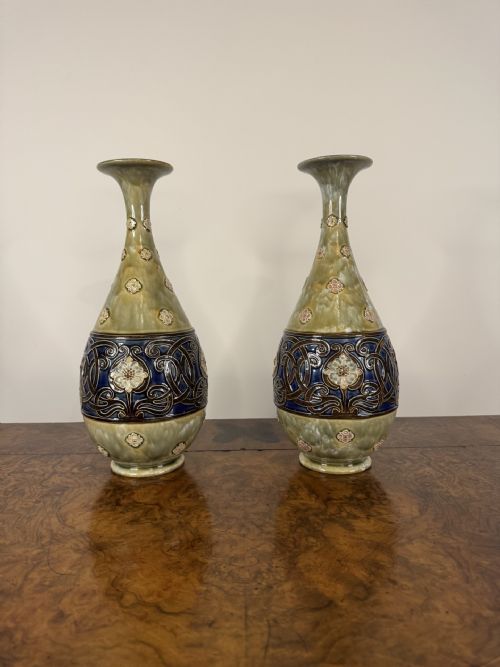
- A decorative ceramic technique where trailing lines of liquid clay are applied to create raised outlines before glazing. This method defines many Art Nouveau and Secessionist pieces.
Green Glazed Pottery Vase: Frequently Asked Questions
What is a green glazed pottery vase?
These items are historic ceramic vessels finished with green glazes, originating from diverse traditions including nineteenth century British studio potteries, French utilitarian wares, and Asian dynasties.
They encompass practical containers like confit pots alongside decorative spill vases and exhibition pieces designed during the Arts and Crafts movement.
How were these vases used originally?
Many served functional roles in homes, from holding dried botanicals to storing provisions in French country kitchens, while others functioned purely as mantelpiece decoration.
Spill vases held wooden tapers near fireplaces for lighting candles, oil lamps, and hearth fires before matches became common household items.
How do I date a ceramic vase?
Dating relies on identifying maker marks, impressed registry numbers, stylistic movements such as Art Nouveau or Victorian design, and the specific clay body utilised.
Comparing the glaze chemistry and manufacturing techniques against known historical periods helps narrow down the origin of unmarked pieces.
How should I display antique pottery?
Position these vessels on stable surfaces away from direct sunlight and sudden temperature shifts to protect the historic ceramic body and glaze.
Allowing adequate space around sculptural forms or pairs of spill vases highlights their individual silhouettes and surface textures.