

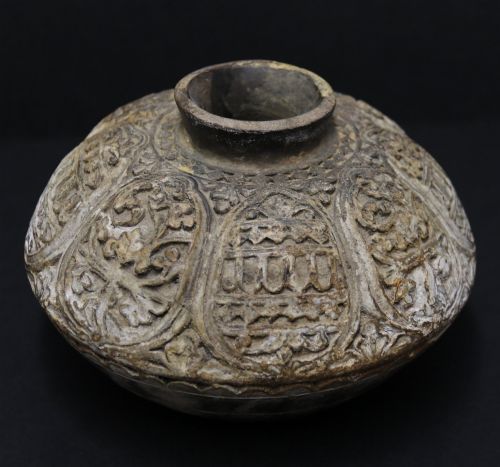
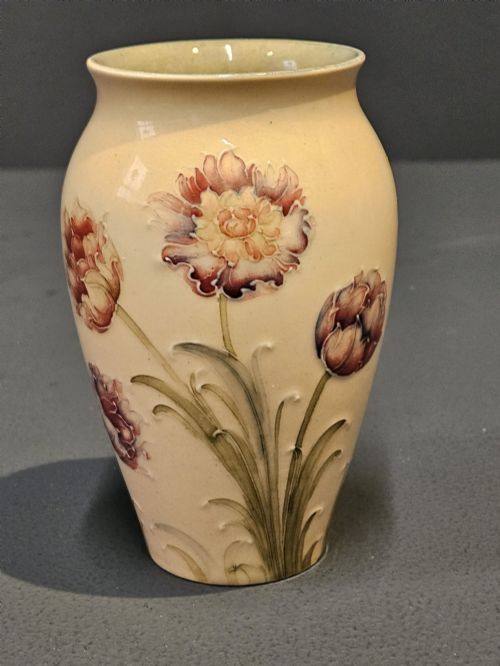

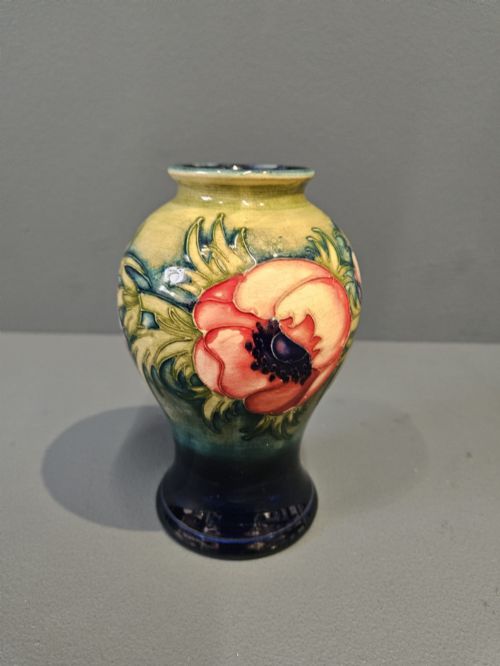
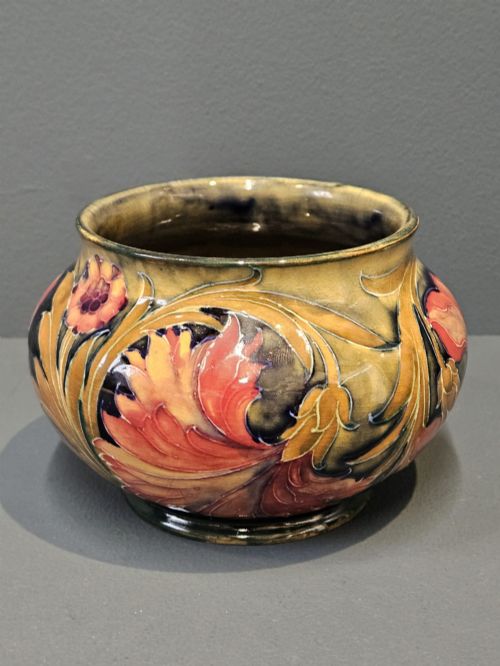
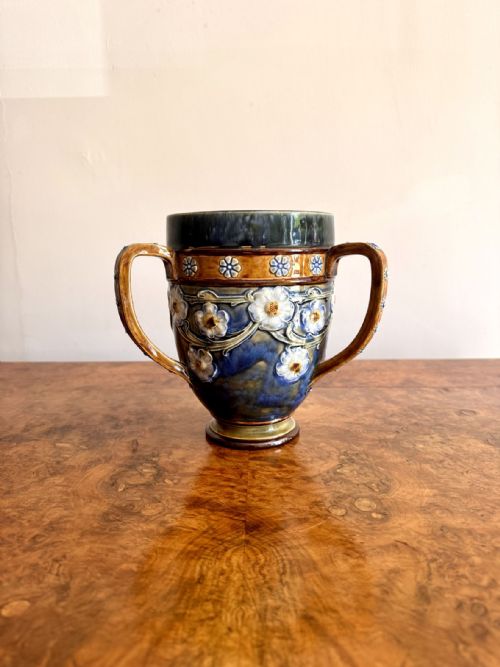
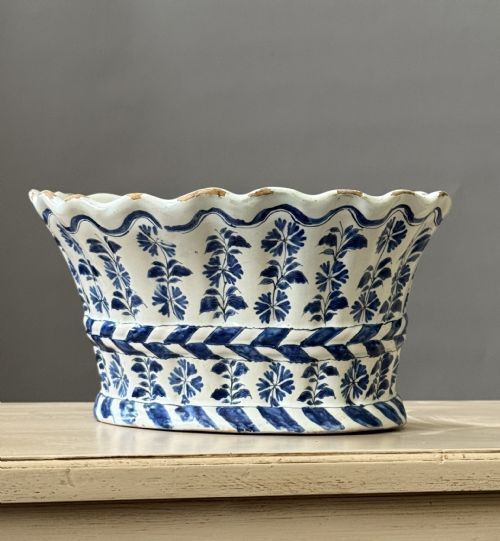
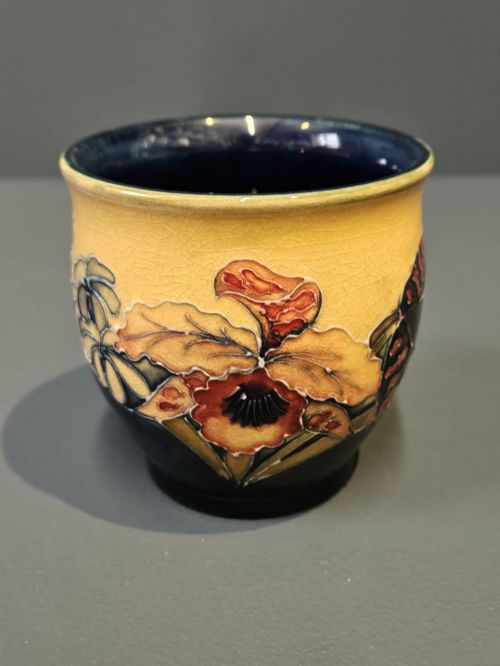
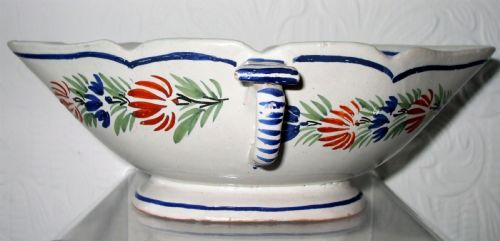
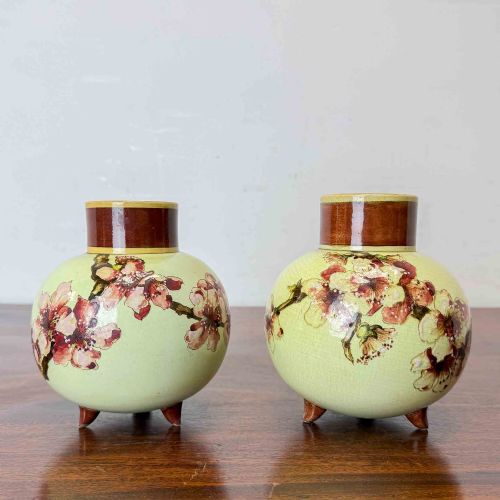


Earthenware Floral Vessel
An earthenware floral vessel holds flowers and foliage, combining practical function with painted or glazed botanical ornament from centuries past.
Earthenware Floral Vessel
When searching for an earthenware floral vessel, collectors encounter a diverse range of forms designed to hold blooms or display botanical motifs. These pieces span centuries of production, appearing in domestic settings from the Georgian era through the Arts and Crafts and Art Nouveau periods.
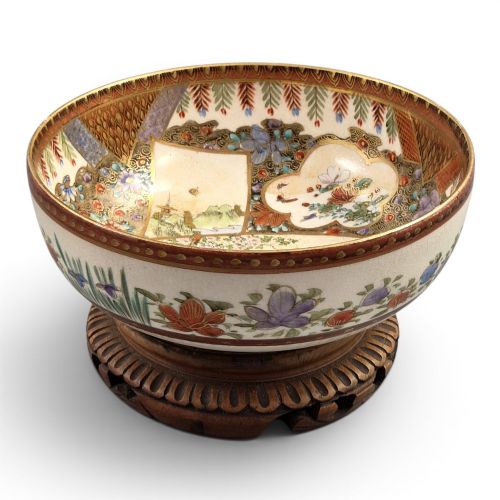
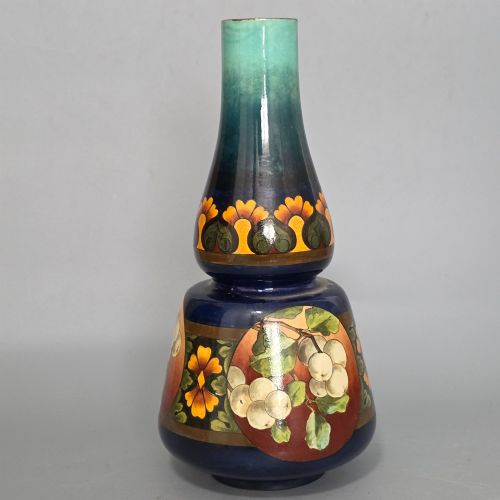
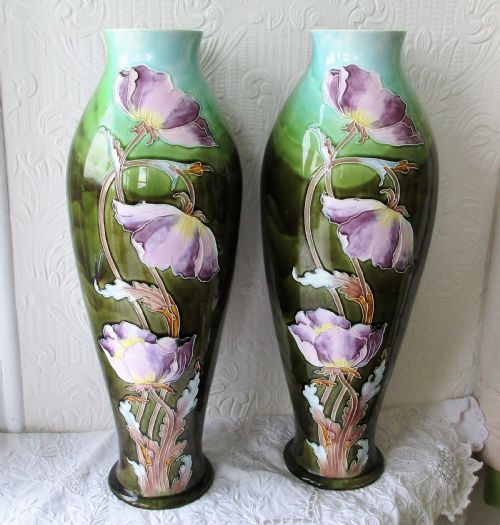
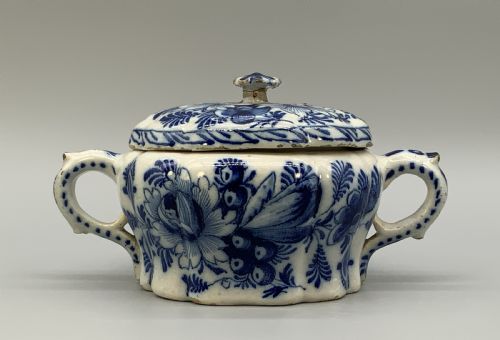
The most common examples on this page take the form of vases, planters, and jardinieres shaped from ceramic bodies. Many of these incorporate historical styles influenced by Japanese Meiji designs, English Delftware, and early twentieth-century potteries.
Vessels range from large floor-standing jardinieres to miniature incense burners and cabinet vases. Each item displays distinct regional characteristics, originating from English, French, German, Italian, and Japanese workshops.
Materials and production methods
Potters shaped these vessels using earthenware and tin-glazed earthenware bodies, often applying opaque or transparent glazes to the porous clay. Some pieces utilise stoneware or creamware formulations to achieve different structural weights and surface textures.
Decoration relied heavily on hand-painted enamel pigments, blue and white pigments, and occasional accents of gold leaf. Potters painted floral subjects directly onto the raw or fired glaze before subjecting the ceramic to kiln firing.
Earthenware Floral Vessel Retail Price Guide 2026
Typical asking prices for earthenware floral vessel among the pieces listed under this phrase on Sellingantiques today, from the lower quarter to the upper quarter. They describe what is for sale here now, not the wider market.
Listings feature earthenware floral vessels spanning the seventeenth century through the 1930s, encompassing English Delft, Satsuma wares, and Art Nouveau designs.
Assessing quality in ceramic vessels
The standard of a vessel depends upon the crispness of the hand-painted floral decoration and the control demonstrated during the glazing process. Superior pieces display finely detailed brushwork, balanced composition, and harmonious colour palettes without distracting running or pooling in the glaze.
Execution of form and the integration of stylistic movements dictate upper-tier examples, particularly where ceramic artists achieved precise throwing and moulding. Maker attributions and signatures from notable potteries or named decorators elevate the standing of individual pieces within the market.
Royal Doulton·Doulton Lambeth·Moorcroft·Burmantofts Faience·Miles Mason·Poole Pottery·Kinkozan·Mettlach Pottery
The Earthenware Floral Vessel Glossary
- Earthenware
- Porous pottery fired at relatively low temperatures that requires a glaze to become impermeable to liquids. It forms the primary body for most traditional floral vessels and majolica wares.
- Faience
- Tin-glazed earthenware decorated with coloured metal oxides on an opaque white enamel background. The technique originated in Italy and spread across European pottery centres.
- Jardiniere
- An ornamental ceramic pot or stand designed to hold growing plants or large floral arrangements. These pieces often feature substantial proportions and decorative relief or painted surfaces.
- Posset pot
- A historical vessel featuring multiple handles and a spout, traditionally used for serving a spiced milk drink curdled with wine or ale. Surviving examples frequently exhibit early floral and botanical designs.
- Creamware
- A refined light-coloured earthenware developed in eighteenth-century England, possessing a pale yellow or buttery tone under a clear lead glaze. It provided a smooth surface suited to delicate painting.
Earthenware Floral Vessel: Frequently Asked Questions
How do I distinguish Delftware from later pottery?
Examine the base and unglazed rims for the characteristic chalky, porous buff or pinkish-white clay body typical of tin-glazed earthenware. Early pieces often reveal slight imperfections in the white enamel glaze and hand-painted blue floral motifs applied with swift, confident brushstrokes.
Later Victorian and twentieth-century revivals display different weight distributions, machine-ground foot rings, and chemical formulations in the glaze. Comparing the weight and surface sheen against documented examples helps confirm the production period.
Can these vessels hold water for fresh flowers?
Many glazed earthenware pieces hold water successfully, provided the interior glaze remains intact and free from microscopic crazing. However, centuries-old earthenware can develop hairline fractures that allow moisture to seep slowly through the porous clay body.
Protect wooden furniture and display surfaces by placing a small saucer or protective mat beneath older vessels. For delicate or historically significant items, dry floral arrangements or glass inserts offer a safer display method.
What defines Meiji period Satsuma pottery?
Satsuma wares from the Meiji period feature a distinctive ivory-coloured, crackle-glazed earthenware body painted with intricate polychrome enamels and raised gold leaf. Common motifs include dense floral compositions, thousand-flower arrangements, and traditional Japanese scenes.
These pieces often bear handwritten artist signatures or workshop marks on the base, reflecting production from Kyoto and Satsuma province. The fine network of crackles across the clear glaze serves as a hallmark of this specific ceramic tradition.