
Antique Bronze Vases
These antique bronze vases bring substantial weight, classical proportion and fine Japanese casting into a room.
What antique bronze vases are
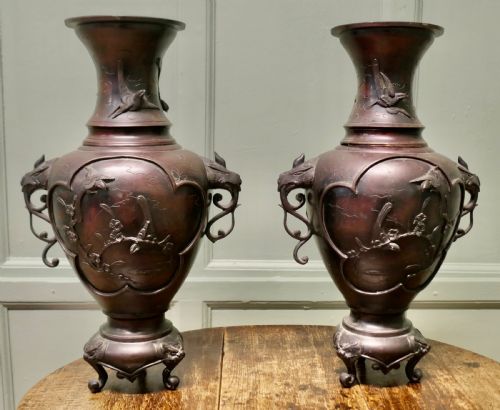
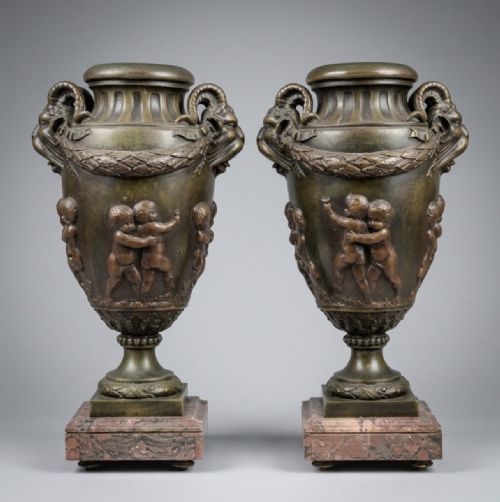
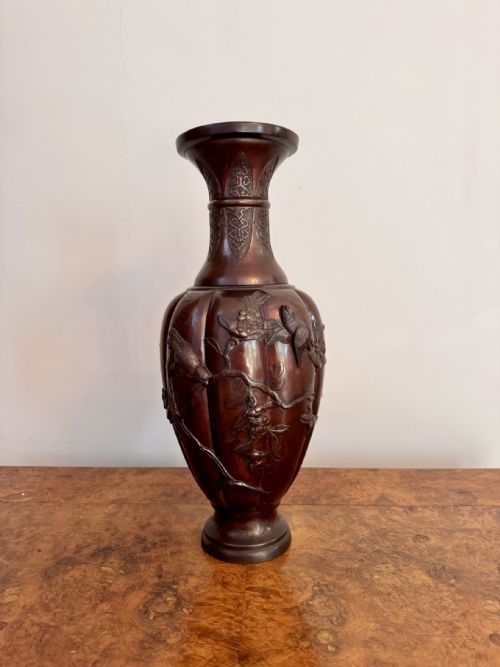
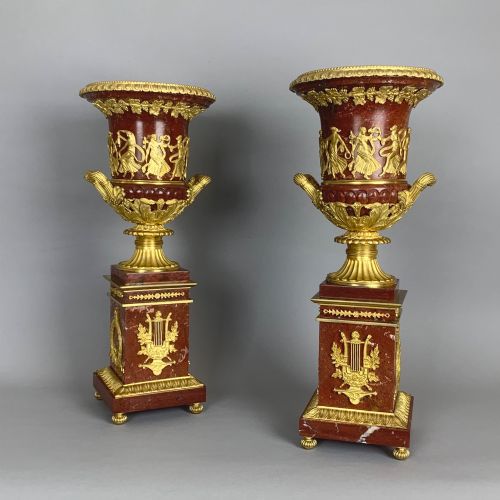
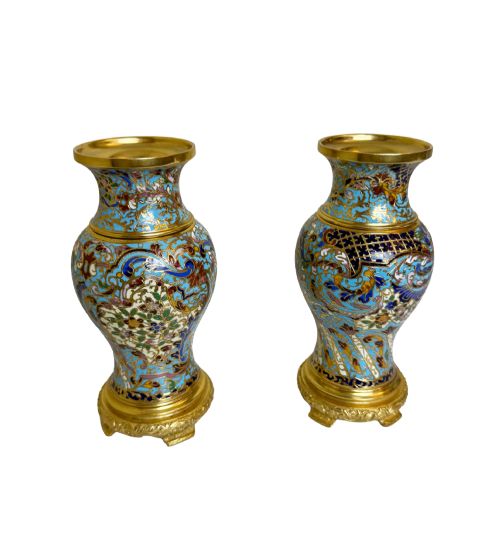
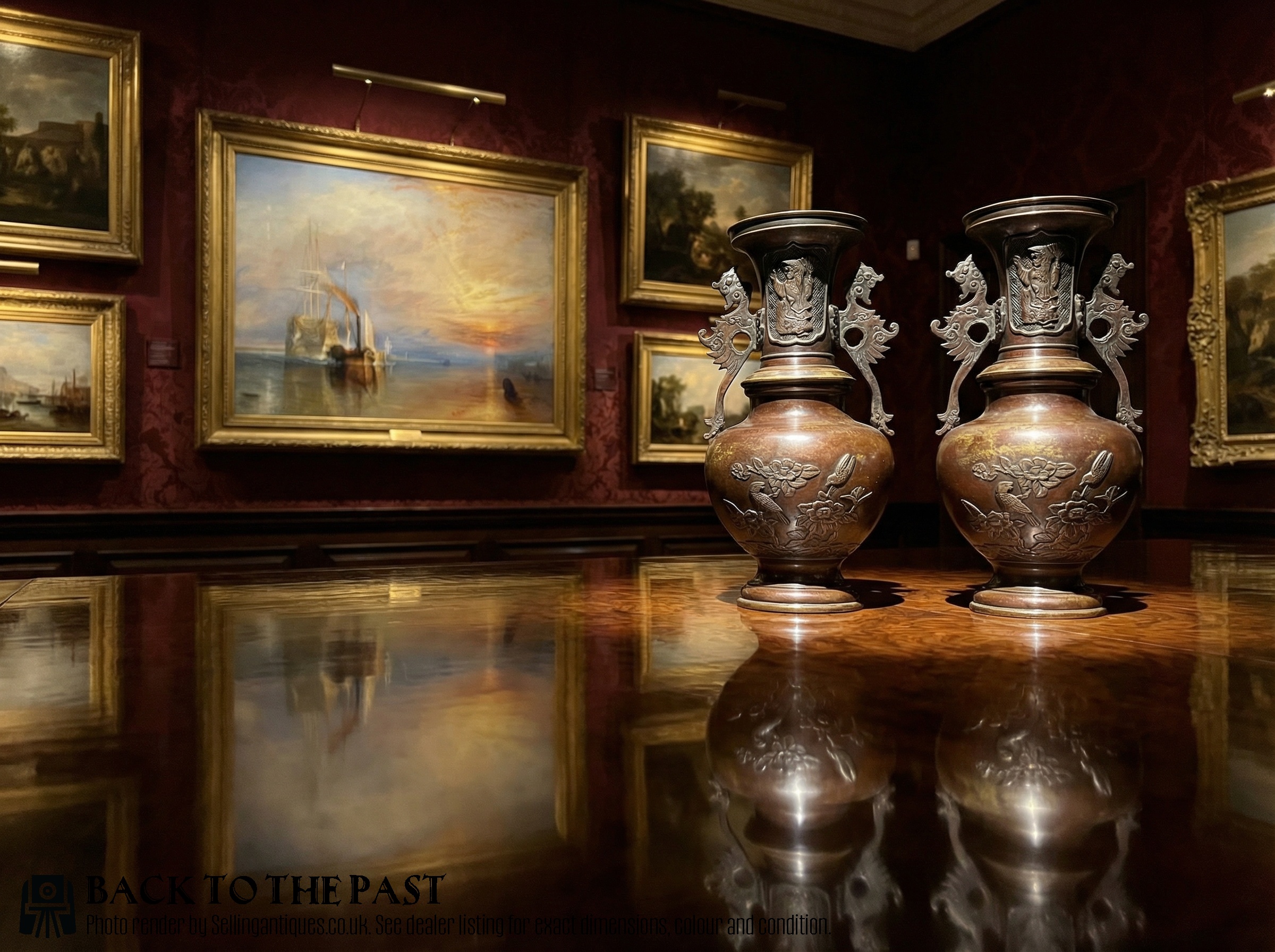
When you search for antique bronze vases, you find heavy decorative vessels originating from the nineteenth century, including the Victorian era, alongside Japanese export wares from the Meiji period. The selection on this page splits primarily between classical European Grand Tour souvenir pieces and detailed Japanese bronzes.
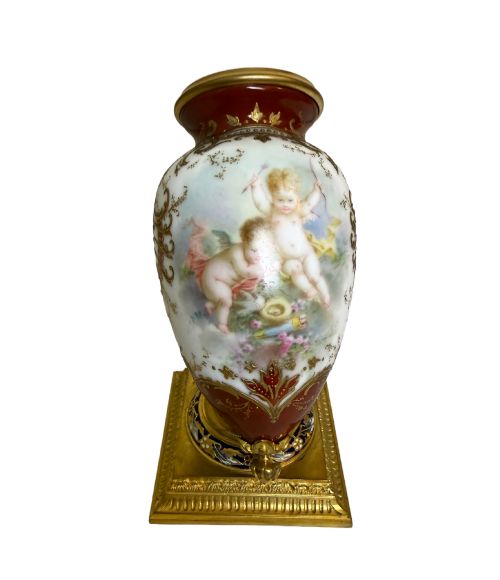
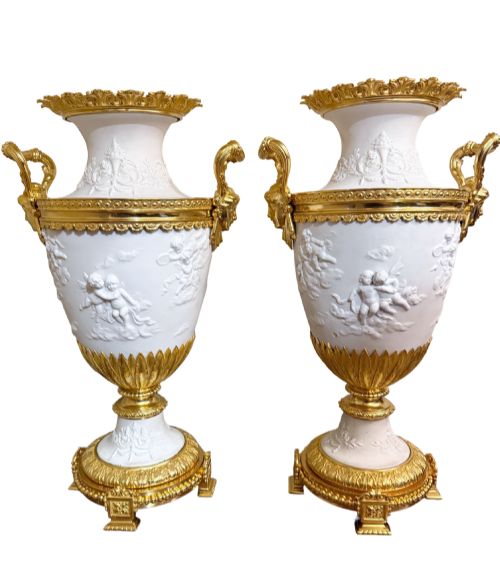
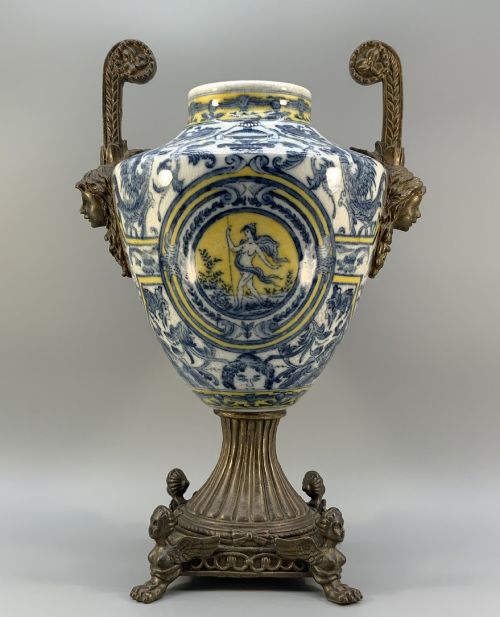
Grand Tour examples typically draw on ancient models like the Warwick, Medici, Borghese and Albani vases. These neoclassical pieces often incorporate ormolu, slate, black marble, and gilt-brass mounts.
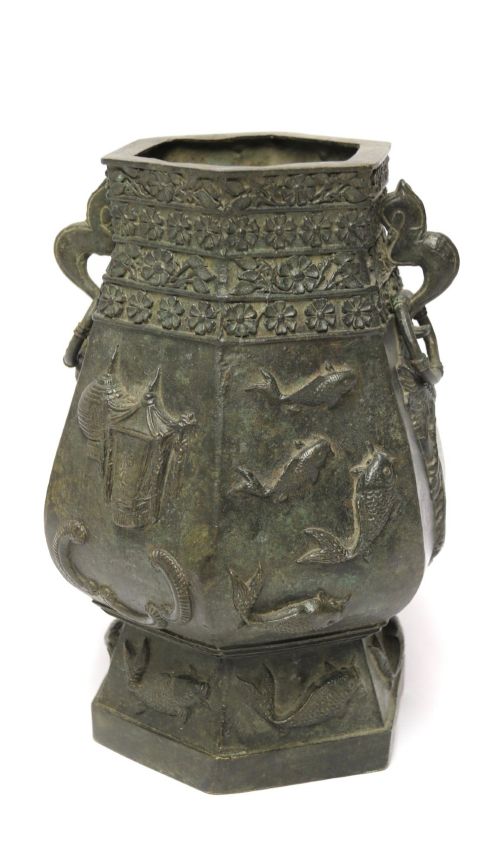
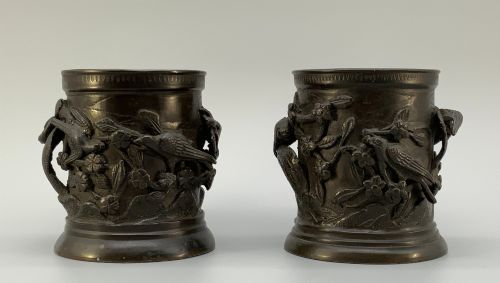
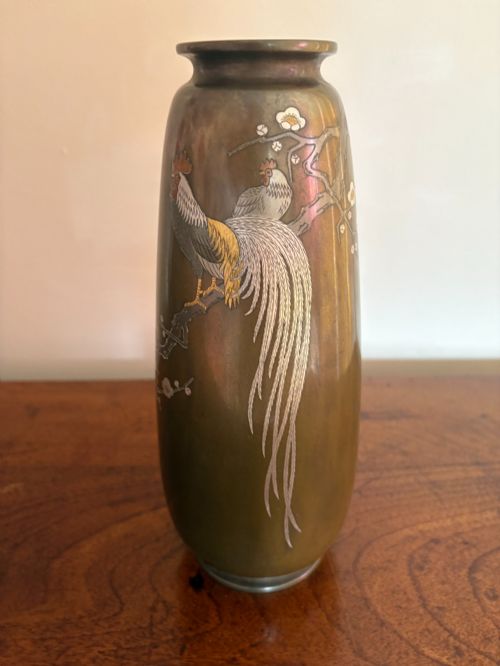
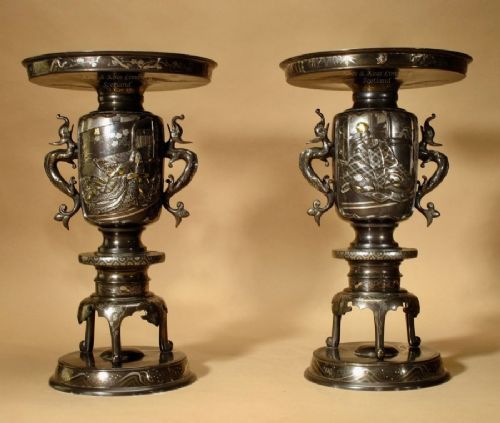
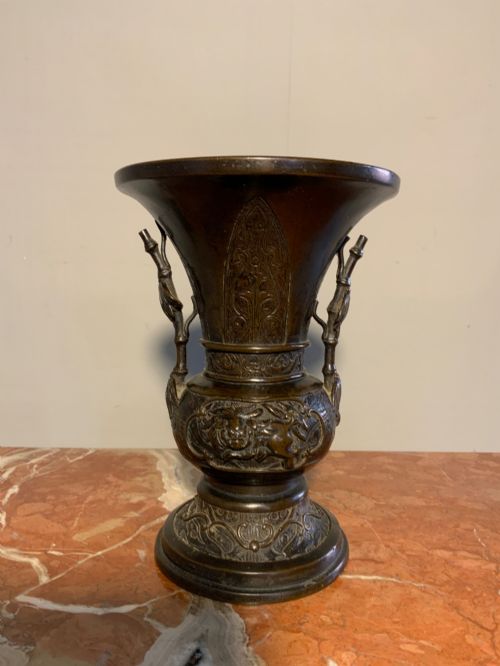
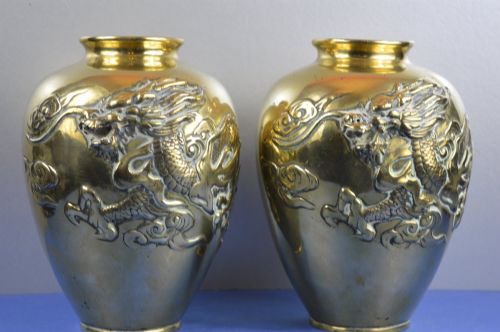
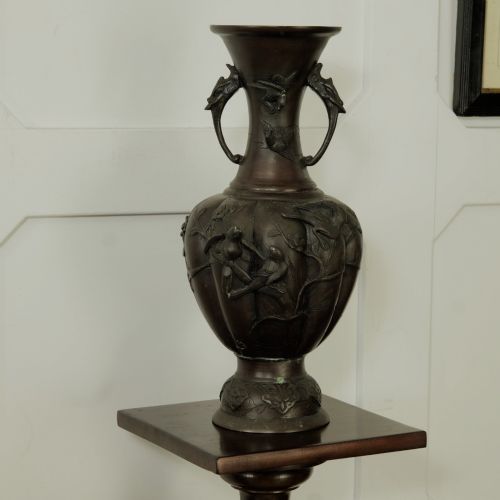
Japanese Meiji period vases bring distinct forms, sometimes featuring inlay work or twin handles. They appear frequently as pairs and span varying dimensions from modest mantle ornaments to very large floor pieces.
How they were made
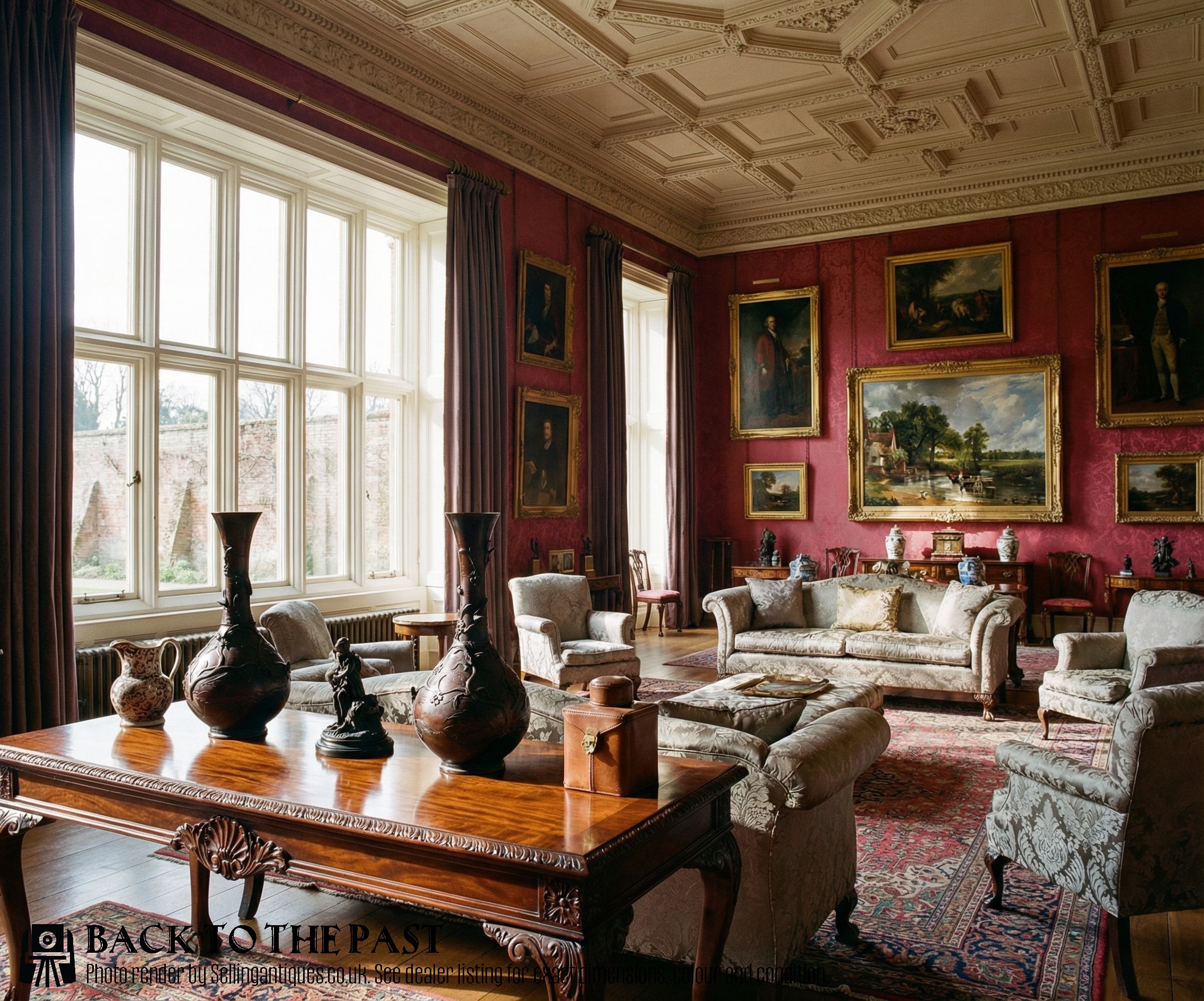
These pieces rely upon traditional casting methods in bronze, sometimes enhanced with patination or gilded details. European examples incorporate contrasting materials such as slate and black marble bases.
Japanese bronzes from the Meiji period demonstrate complex casting and surface finishing techniques. Certain larger vases include inlaid elements within the metal body.
Retail Price Guide 2026
Typical UK retail prices for bronze vases, calculated from the Sellingantiques database of over a million retail prices indexed since 2003. This retail price guide relies exclusively on Sellingantiques data; no external sources or auction records are used, so the figures do not describe the wider market.
Materials recorded across the inventory include bronze, ormolu, slate, and black marble.
What varies in quality
Quality rests in the crispness of the casting and the articulation of ornament. Top tier pieces show sharp definition in handles, classical friezes and surface decoration.
The choice of secondary materials dictates the character of the piece. Grand Tour examples benefit from rich patination and the precise integration of marble or ormolu mounts.
The Antique Bronze Vases Glossary
- Bronze
- An alloy primarily of copper and tin used for casting sculpture and vessels. It takes patination well and permits sharp surface detail.
- Ormolu
- Gilded bronze or brass applied as mounts or decorative details on nineteenth-century European pieces. It adds a bright metallic contrast to dark patinated bronze.
- Grand Tour
- A nineteenth-century cultural tradition where travellers collected classical souvenirs in Italy. Vases in this manner copy famous antiquities such as the Warwick or Medici forms.
- Meiji Period
- A Japanese historical era lasting from 1868 to 1912 noted for high technical skill in metalwork exported to Western markets.
- Patination
- The surface coloration and finish acquired naturally over time or applied chemically by a maker. It protects the metal and defines the visual tone.
Frequently Asked Questions
Are these vases watertight?
Most nineteenth-century decorative bronzes and Grand Tour urns were intended purely as ornamental display objects. Using them to hold water can damage internal joins or historical linings.
If you wish to display fresh flowers, place a separate glass or plastic vessel inside rather than filling the bronze directly.
What is a Grand Tour vase?
Grand Tour vases are nineteenth-century European souvenirs modelled on classical antiquities seen by travellers in Italy. They frequently replicate famous archaeological finds like the Warwick or Medici vases.
These pieces often combine cast bronze with marble plinths, slate, or ormolu mounts in a neoclassical style.
How do I identify a Meiji period bronze?
Japanese Meiji period vases date from the late nineteenth or early twentieth century and often feature distinct bird, floral, or geometric motifs. They frequently display exceptionally fine casting and rich patination.
Some examples include inlaid metalwork or twin handles suited to the aesthetic demands of the export market.