
Vintage Porcelain Vase
A vintage porcelain vase brings hand-painted colour and diverse global styles into a room, spanning delicate English miniatures to large Japanese Imari vessels.
Vintage Porcelain Vase
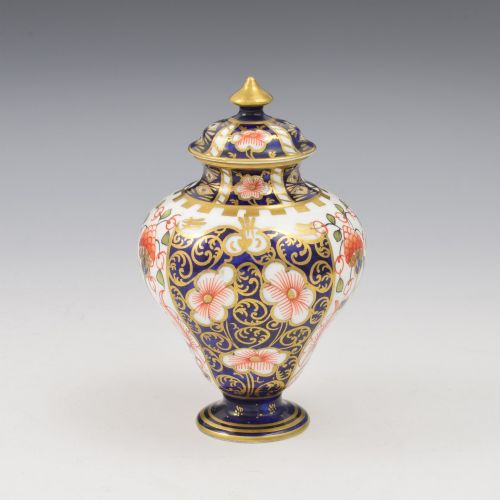
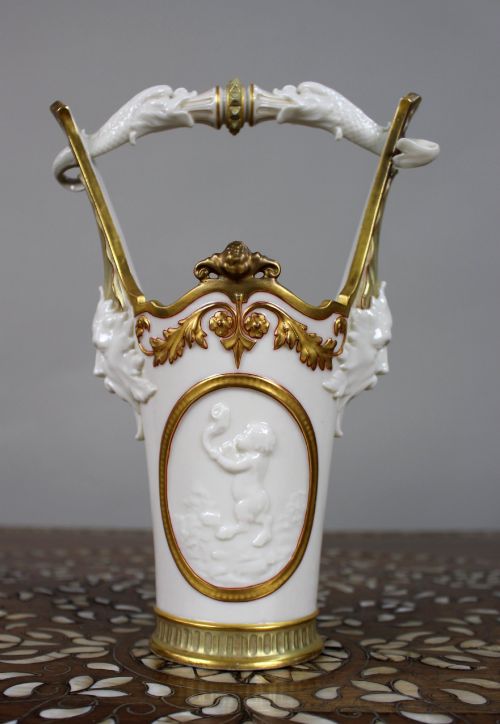
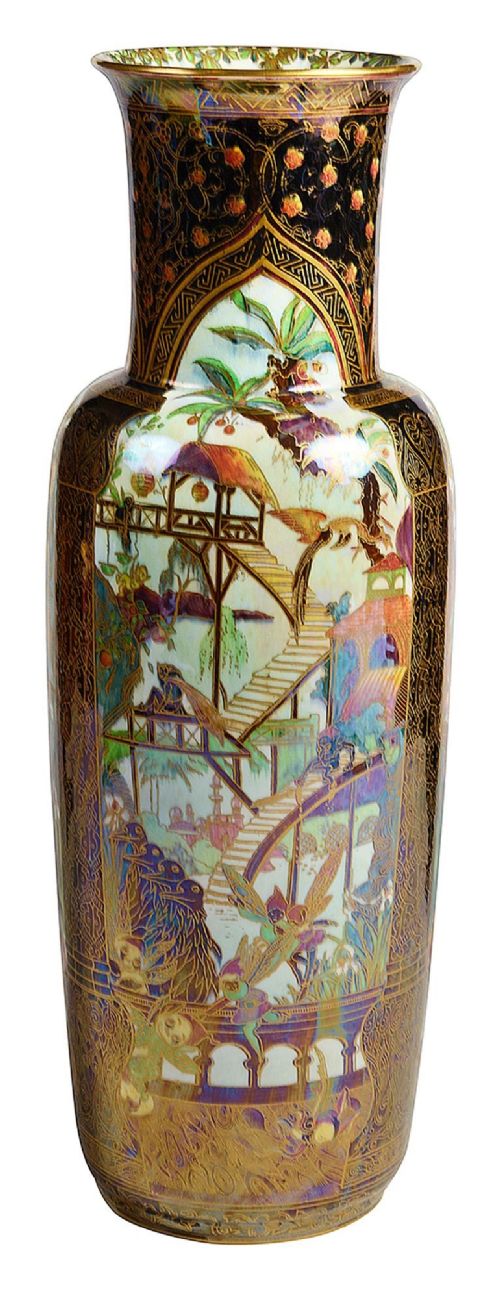
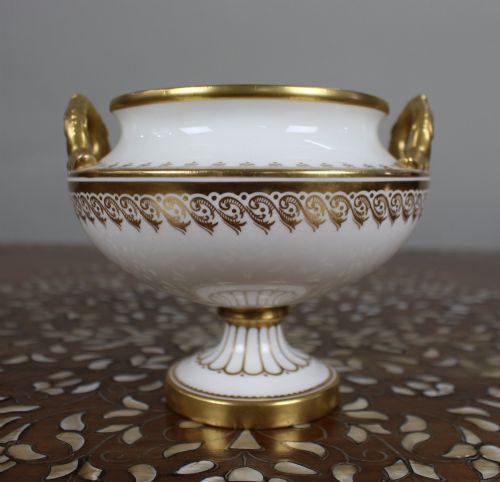
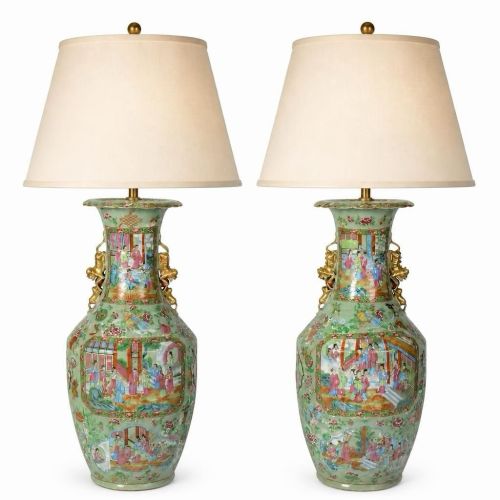
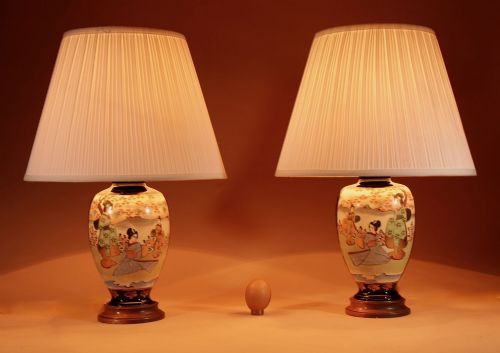
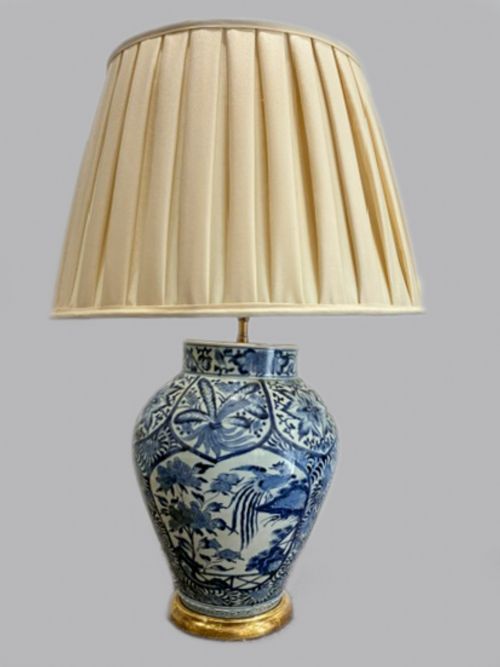
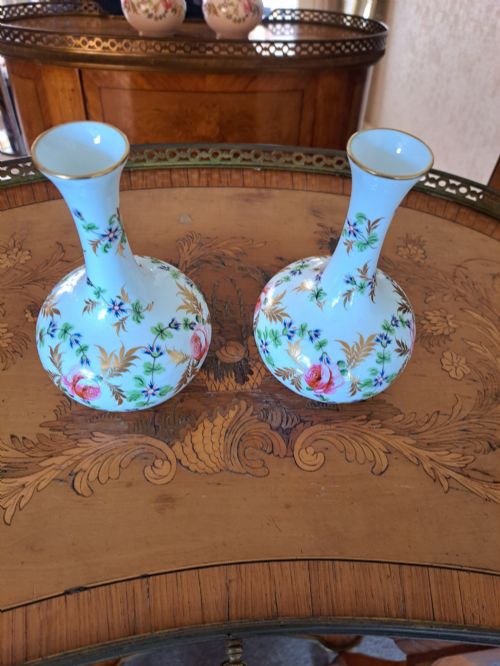
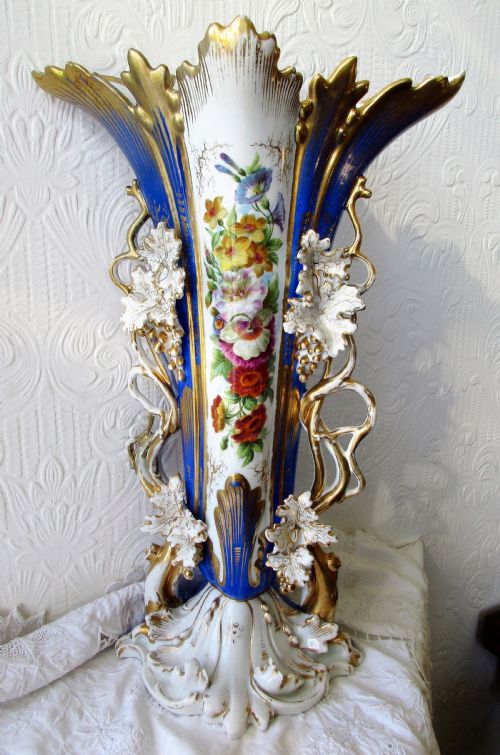
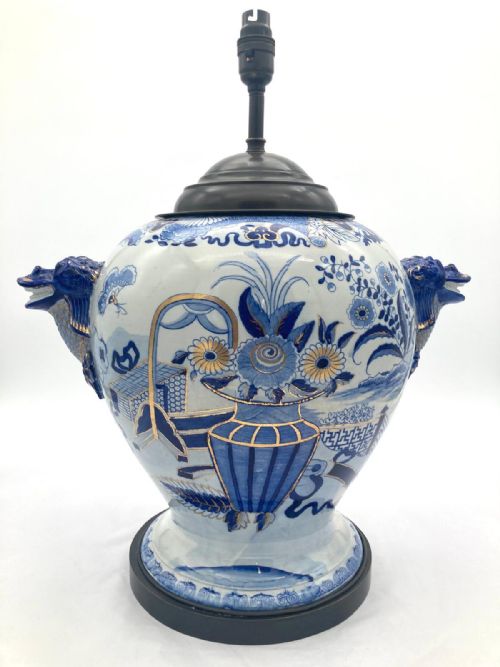
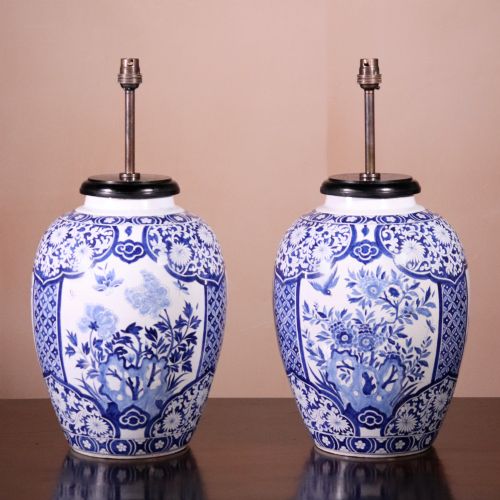
A vintage porcelain vase takes many forms across this selection, from covered ginger jars and loving cups to grand garnitures and vessels later converted into table lamps. The pieces span centuries of production, capturing Victorian and Edwardian tastes alongside earlier Chinese exports and Japanese wares from the Meiji period.
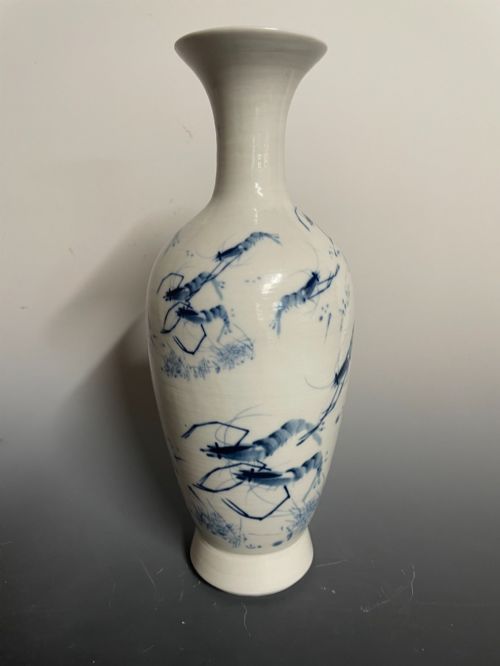
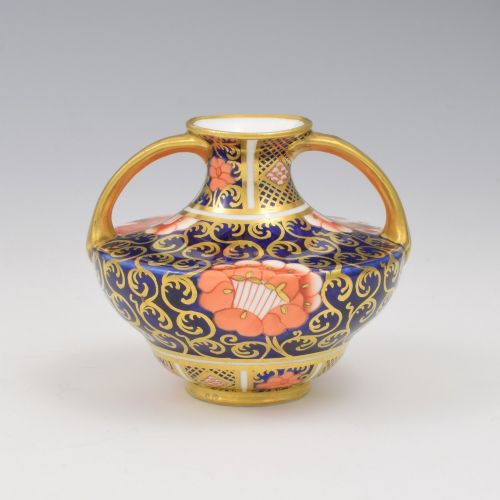
English manufactories contribute delicate miniature urns and painted fruit vessels, while Asian traditions supply blue and white patterns and Satsuma earthenware. Buyers frequently encounter pairs alongside single statement pieces, reflecting how these objects were originally displayed in period interiors.
How They Were Made
Makers shaped ceramic and porcelain bodies before applying intricate glazes, enamel pigments, and hand-painted details. Many items incorporate gilding and gold leaf accents, highlighting specific decorative motifs across the surface.
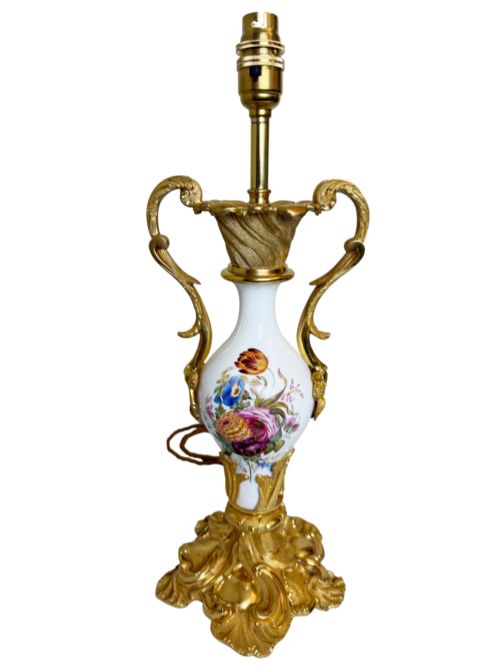
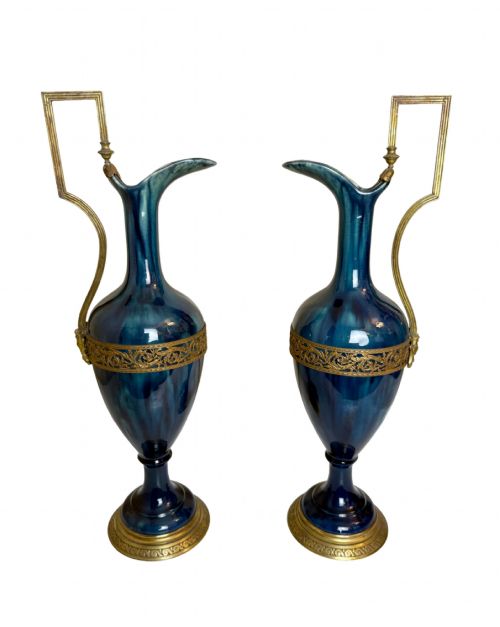
Mounts in brass and gilt bronze appear on selected pieces, particularly when vessels transition into functional table lamps. Ironstone and earthenware also form the structural base for several notable examples in the collection.
Listings feature porcelain, earthenware, and ironstone, decorated with enamel, gold leaf, and glaze across Victorian, Edwardian, and Meiji periods.
What Varies in Quality
The precision of hand-painted brushwork distinguishes standard production from exceptional examples, particularly in figurative scenes and floral enamelling. Crisp definition in gilding and the clarity of the underlying porcelain glaze indicate superior workshop standards.
Completeness alters the character of a piece, such as matching pairs remaining together or covers surviving alongside their original vases. Alterations like lamp conversions change the original function while demonstrating how owners adapted historical objects for modern use.
Royal Crown Derby·Royal Worcester·Wedgwood·Hicks and Meigh·Booths Silicon China·Royal Doulton·H and R Daniel·Meissen·Minton
The Vintage Porcelain Vase Glossary
- Imari
- A style of Japanese porcelain decorated in underglaze blue, iron red, and gold, named after the port from which the wares were shipped. These vibrant pieces gained immense popularity in European interiors during later centuries.
- Satsuma
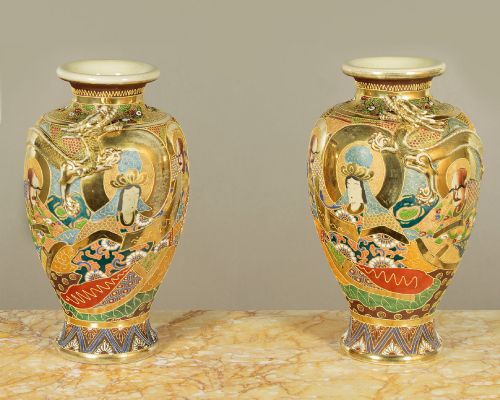
- A type of Japanese earthenware featuring a crackle glaze and elaborate polychrome and gilt enamel decoration. These vessels often depict traditional figures, landscapes, and floral patterns.
- Garniture
- A set of three or more matching vases or urns designed to be displayed together on a mantelpiece or sideboard. They typically share a cohesive decorative scheme.
- Urn
- A vase with a rounded body, often raised on a stem or foot, sometimes fitted with handles. These formal vessels frequently serve decorative display functions rather than holding cut flowers.
Vintage Porcelain Vase: Frequently Asked Questions
How do I identify a Meiji period Japanese vase?
Meiji period pieces often display dense Imari or Satsuma decoration utilising iron red, blue, and gold leaf.
These items frequently date from the late nineteenth or early twentieth century and reflect traditional Japanese craft standards adapted for international export markets.
Were these vases originally made as lamps?
Many ceramic vessels and urns were originally produced as standalone display pieces before being converted into table lamps at a later date.
This adaptation preserves the decorative ceramic body while integrating modern electrical fittings for contemporary interiors.
What is the difference between porcelain and earthenware?
Porcelain is fired at higher temperatures, producing a dense, vitreous material that is often semi-translucent. Earthenware, such as Satsuma wares, remains more porous and requires a thick glaze for stability.
Both materials support detailed hand painting, enamel work, and gilding.
How should I display a pair of urns?
Pairs of urns or covered vases work well symmetrical to a central focal point, such as on a sideboard or mantelpiece. Matching garniture sets of three offer a balanced arrangement across wider surfaces.