
Antique Porcelain Holder
An antique porcelain holder gathers light, ink, and stems upon the desk or mantel, bringing refined utility from Georgian, Victorian, and continental workshops.
Antique Porcelain Holder
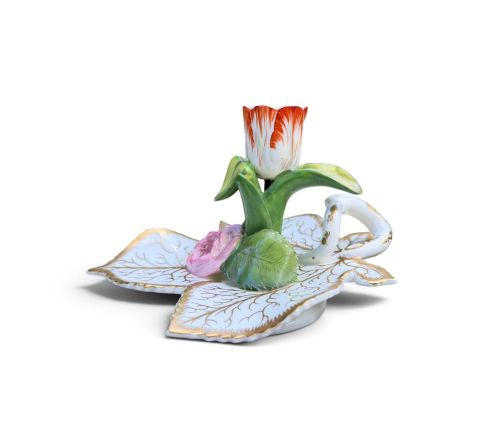
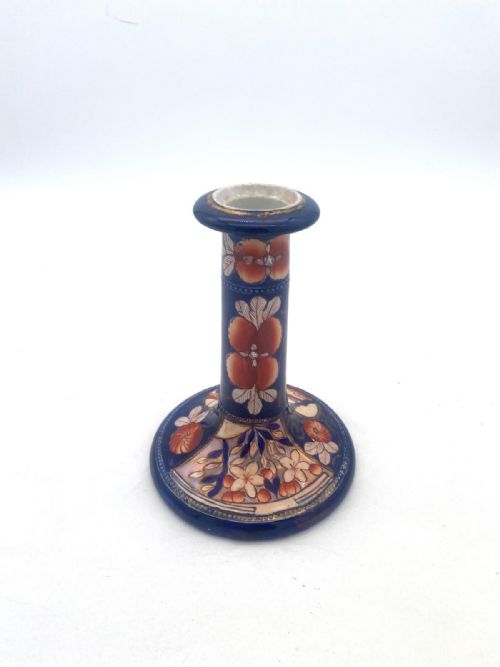
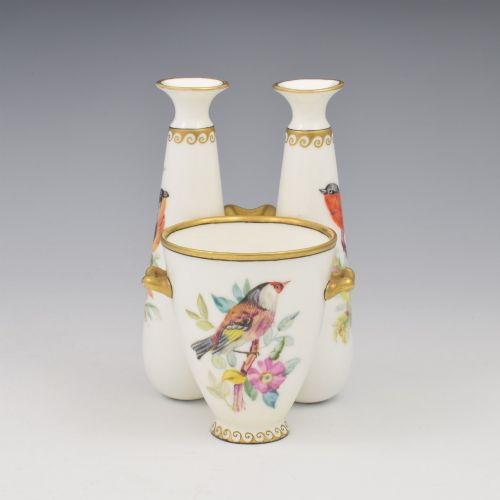
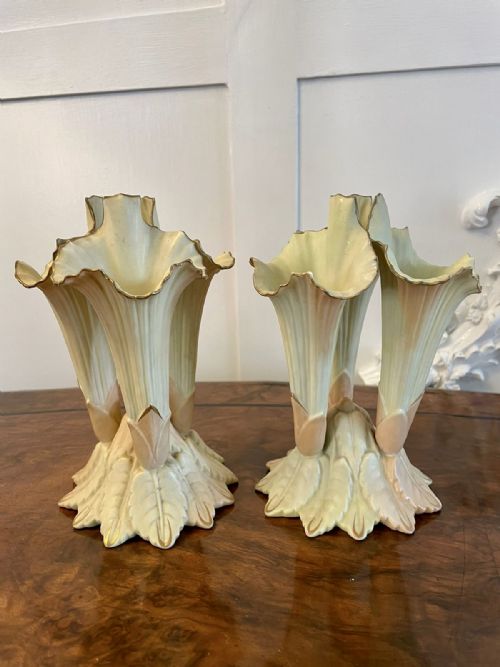
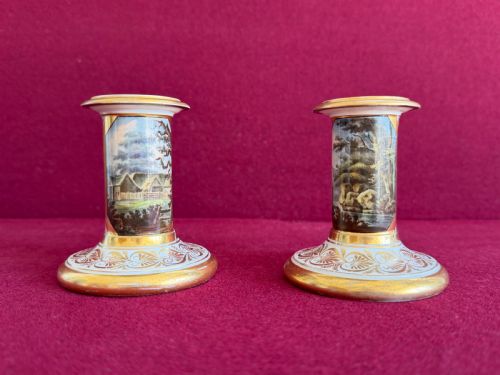
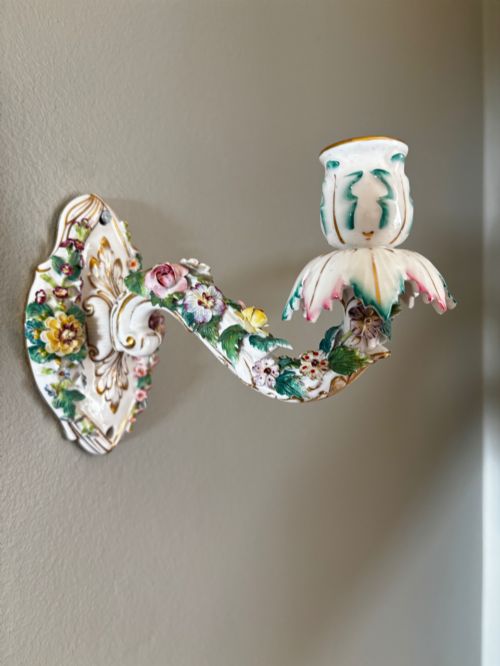
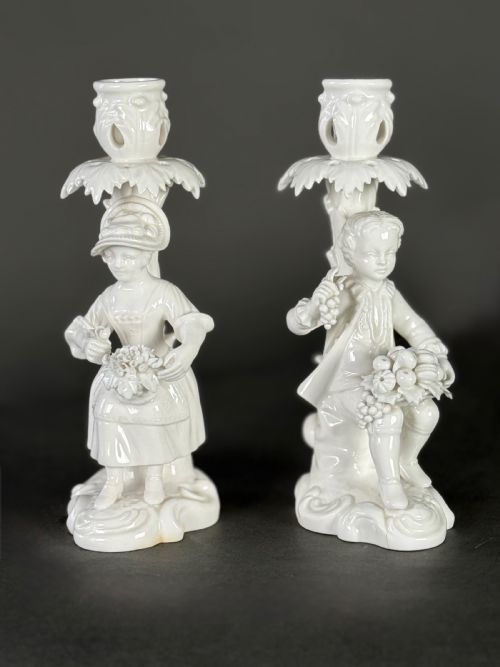
When you search for an antique porcelain holder, you encounter a diverse group of domestic objects designed to sustain candles, flowers, brushes, and ink. These functional pieces span desk accessories, spill vases, wall sconces, and chambersticks produced across European and Chinese kilns.
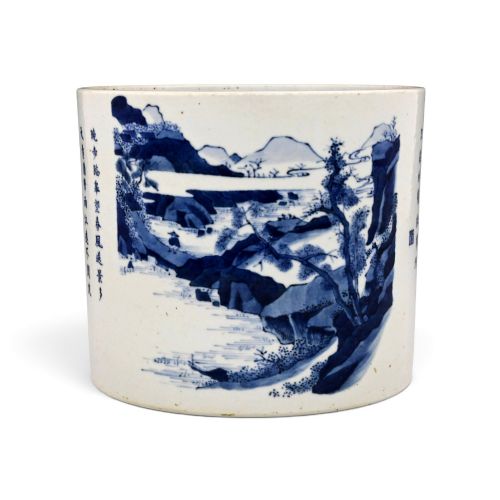
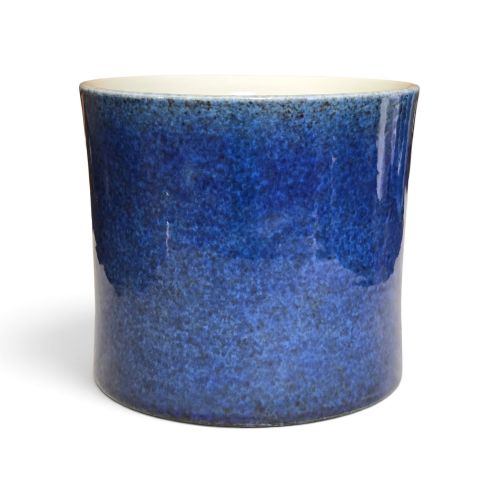
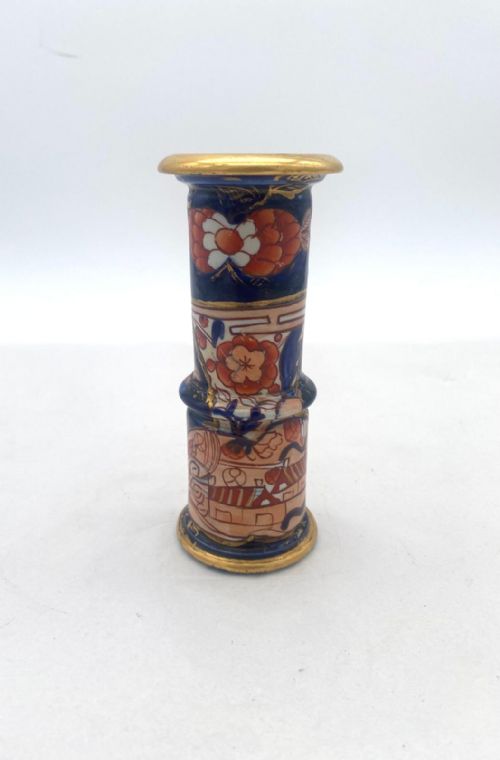
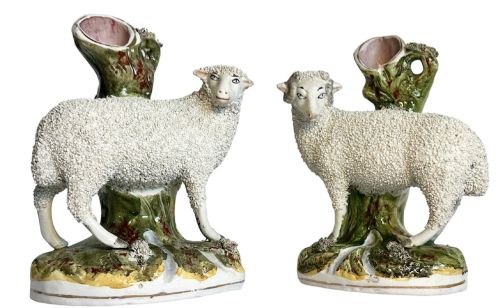
The domestic forms appearing in this selection include English spill vases and Staffordshire animal figures, alongside grander continental figures and Chinese scholar's brush pots, known as bitong. Such items served specific daily roles in the nineteenth-century household or scholar's study.
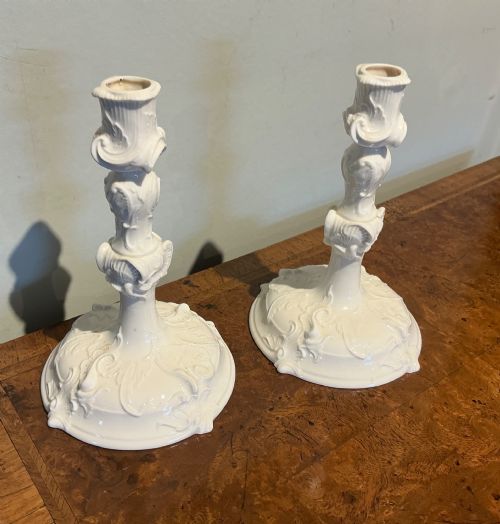
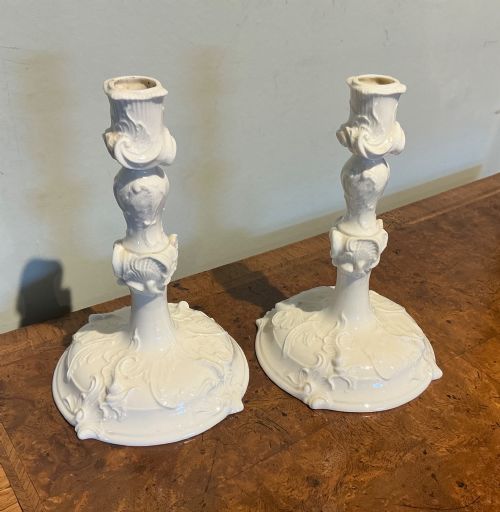
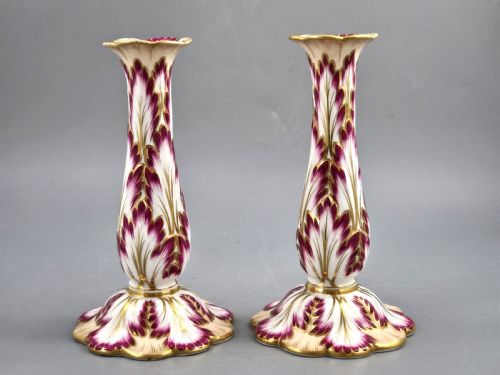
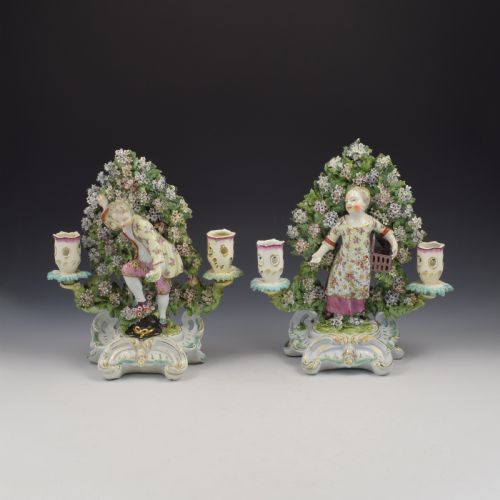
Continental factories such as Meissen, Nymphenburg, and Derby contribute figural candlesticks and bocage work, while English makers like Spode, Worcester, and various Staffordshire potteries supply floral and animal designs. These varied domestic objects reflect both utilitarian purpose and decorative ambition.
How they were made
Potters shaped these objects from hard paste or soft paste ceramic bodies, often finishing the surfaces with a smooth glaze. Many pieces incorporate delicate hand-painted motifs, transfer printing, or ironstone bodies for added durability.
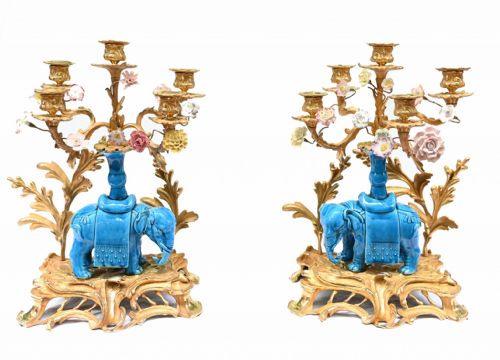
Decoration frequently involves rich gilding, gold leaf application, and enamel pigments fired onto the glazed porcelain. Certain continental and English examples integrate cast or gilt-metal mounts to secure the ceramic components.
Listings feature 19th Century, Georgian, 1920, 1880, Victorian, 1900, 18th Century, and Regency periods.
What varies in quality
The standard of modeling and hand-painting dictates the visual success of each piece, distinguishing lively, detailed figures from stiffer production wares. Crisp application of enamel colours and careful placement of gilding indicate higher workmanship.
Nymphenburg·Masons·Ridgway·Royal Worcester·Locke And Co·Barr Flight And Barr·Meissen·Derby·Spode·Volkstedt·Doulton Burslem·Flight Barr And Barr·Krister KPM Waldenburg·Sitzendorf
The Antique Porcelain Holder Glossary
- Bitong
- A cylindrical brush pot used by scholars in China, typically rendered in porcelain with blue and white or famille rose decoration.
- Bocage
- An encrustation of applied ceramic leaves and flowers framing figural groups, common in eighteenth and nineteenth-century figures.
- Chamberstick
- A low candlestick fitted with a handle and a drip pan, designed for carrying through a darkened house.
- Spill vase
- A small upright container meant to hold thin wooden spills used for lighting fires and candles before the invention of safety matches.
- Ironstone
- A heavy, durable type of earthenware patented in England, bridging the gap between pottery and fine porcelain.
Antique Porcelain Holder: Frequently Asked Questions
What is a bitong?
A bitong is a cylindrical scholar's brush pot originating from China, typically shaped from porcelain and decorated in blue and white or famille rose pigments. These vessels held writing brushes on traditional desks.
Such pots date across the seventeenth, eighteenth, and nineteenth centuries, valued for their painted landscape or official scenes.
How were chambersticks used?
A chamberstick is a low, portable candle holder featuring a small pan to catch melting wax and a loop handle for carrying. Servants and homeowners carried them through rooms before electric lighting.
They often included a small conical snuffer resting in the tray to extinguish the flame safely.
What is bocage decoration?
Bocage refers to the dense background of applied ceramic leaves, branches, and blossoms that frames figural porcelain groups. It originated in eighteenth-century European kilns to evoke an outdoor arbour.
Because these leafy details are extremely fragile, surviving examples often show careful restoration to the foliage.
How do I date a porcelain holder?
Dating relies on factory marks stamped or painted on the base, combined with stylistic clues such as Regency neoclassical lines or Victorian floral painting. Ironstone and hard paste bodies also point to specific manufacturing eras.
Comparing pattern numbers and glaze characteristics with known factory archives helps narrow the production period.