



Antique Decorative Flower Vase
An antique decorative flower vase brings texture and history to a room, holding cut stems just as well today as it did a century ago.
Antique Decorative Flower Vase
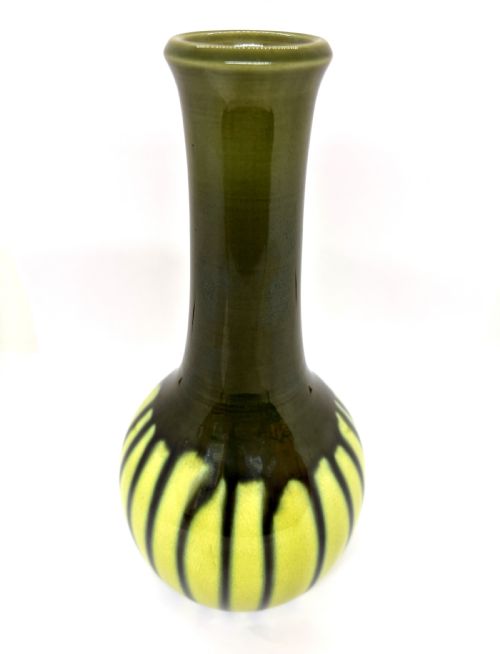
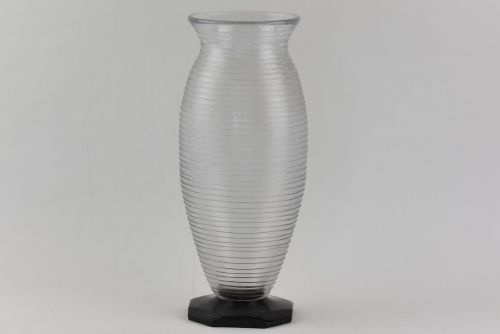
An antique decorative flower vase serves as both a functional vessel for blooms and an ornamental centrepiece for the interior. When searching for an antique decorative flower vase, buyers encounter varied forms such as slender spill vases, sturdy jardinières, and broad-shouldered urns.
The selection ranges widely across periods, including Victorian, Edwardian, and Art Nouveau designs. Production spans diverse origins, from English potteries and French glassworks to Japanese Meiji period metalwork and ceramics.
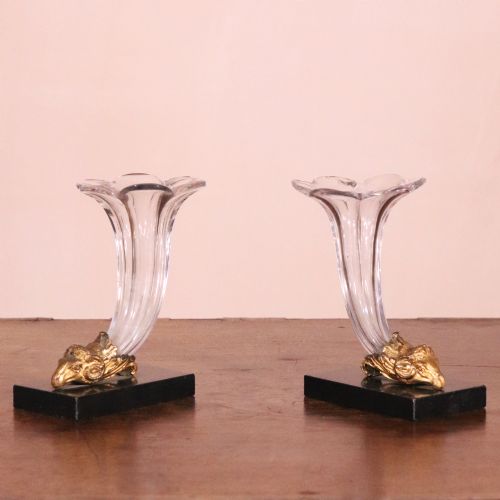
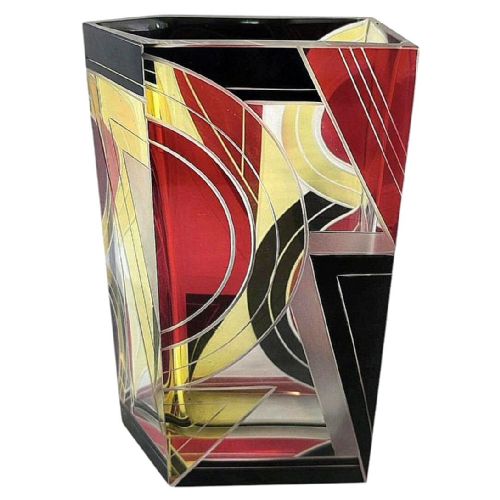
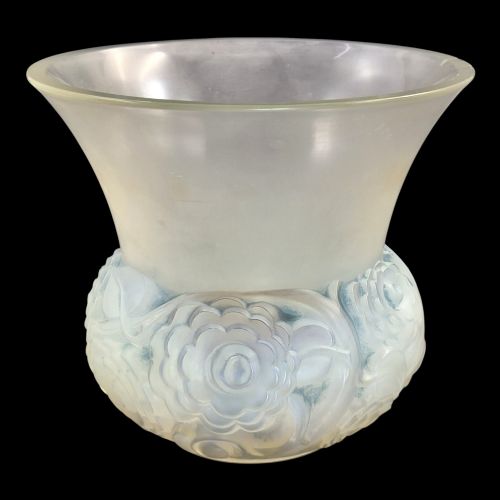
Vessels take many shapes, including twin-handled urns, posy holders, and cornucopias. Each piece reflects the aesthetic priorities of its decade, whether the flowing lines of turn-of-the-century glass or the geometric cuts of the 1930s.
How they were made
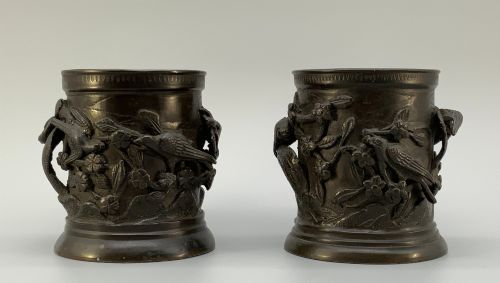
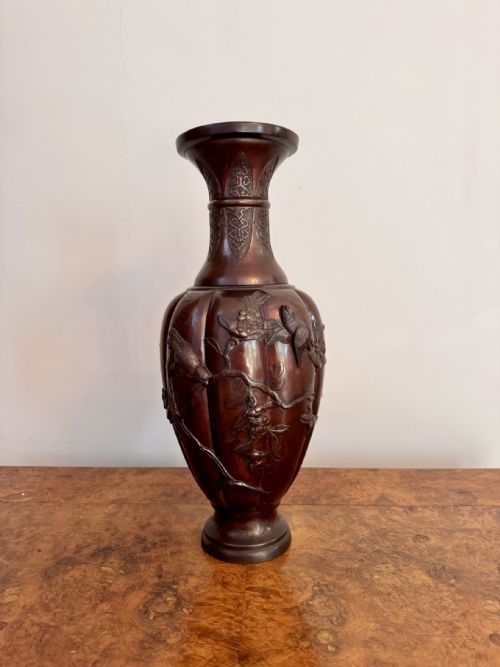
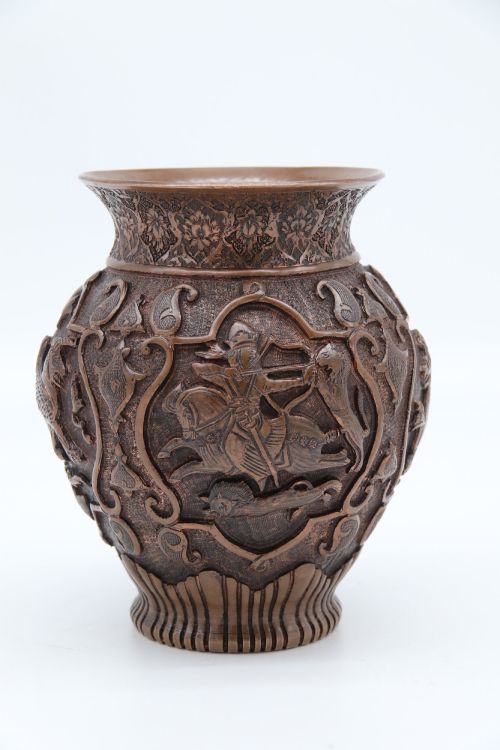
Makers shaped these objects using traditional techniques suited to each medium. Bronze and copper pieces often involve intricate casting, repoussé work, and deep hand-chased surface detailing.
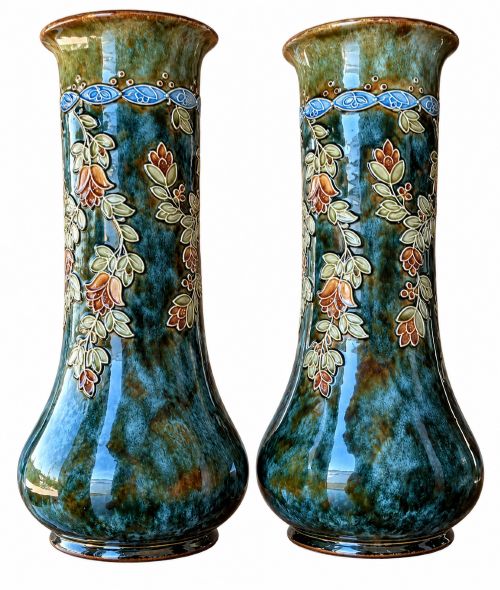
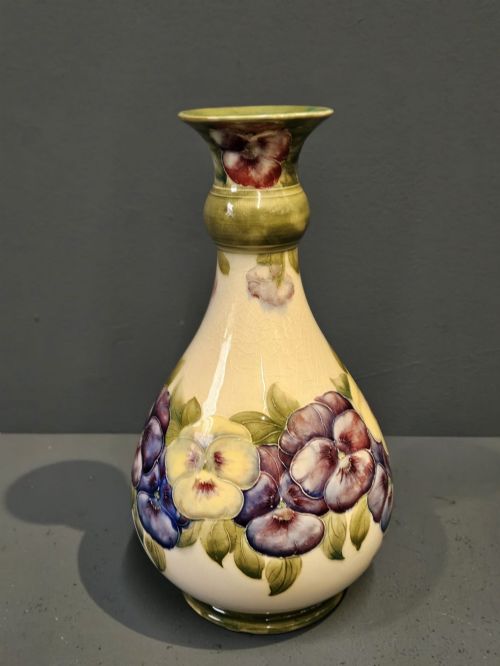
Glassmakers utilised optical blowing, cameo layering, and acid-etching, frequently adding enamel or gold leaf by hand. Potteries employed stoneware, earthenware, and porcelain, finished with reactive glazes, slips, and hand-painted motifs.
Listings feature items from the 19th Century, Victorian period, Edwardian era, and the 1900s to the 1930s.
What varies in quality
The standard of an antique decorative flower vase depends on the precision of the maker's hand and the ambition of the design. Superior examples display crisp chasing on metalwork, controlled gradients of colour in layered glass, and carefully articulated hand-painted decoration.
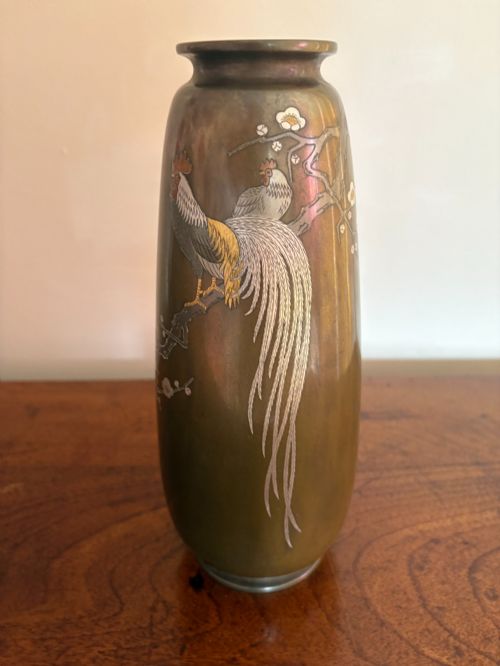
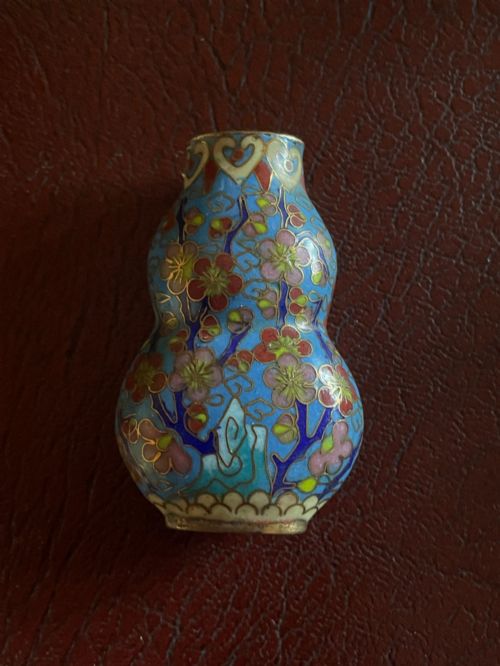
Material choice and finishing set finer pieces apart from standard production. Signed studio ceramics, complex cloisonné wirework, and heavy cast bronze distinguish master workshops from commercial output.
Royal Doulton·Emile Galle·Ando Jubei·Makuzu Kozan II·Daum Nancy·Karl Palda·Royal Worcester·James Powell
The Antique Decorative Flower Vase Glossary
- Cloisonné
- Enamelling technique where thin metal wires are applied to a metal base to form compartments filled with coloured paste.
- Jardinière
- An ornamental pot or stand designed to hold a growing plant or large floral arrangement.
- Repoussé
- Metalworking method in which a design is hammered into relief from the reverse side of a sheet of copper or bronze.
- Cornucopia
- A horn-shaped container traditionally symbolising abundance, adapted in the nineteenth century as a decorative table vase.
- Cameo glass
- Glass formed with multiple layers of different colours, carved down to create a raised design against a contrasting background.
- Spill vase
- A slender vessel traditionally used to hold tapers for lighting candles or fires.
Antique Decorative Flower Vase: Frequently Asked Questions
What flowers fit these vases?
Most historic vessels suit short-stemmed garden gatherings rather than tall florist arrangements. Slender necks hold single stems, while wider urns accommodate loose bunches.
Posy holders and baskets work best with compact, low arrangements that respect the balance of the piece.
Can I use them for water?
Many ceramic and glass vessels hold water safely for fresh flowers. Metal and earthenware pieces sometimes require a hidden inner container to protect historical interiors.
Checking the internal glaze or lining helps determine whether a vase is suited for live stems or dry displays.
How do I date a vase?
Makers marks, factory stamps, and stylistic cues provide the clearest timeline. Art Nouveau curves suggest the late Victorian and Edwardian decades, while geometric cuts point towards the 1930s.
Material composition and signature styles also align pieces with specific periods and active workshops.
How do I clean an antique vase?
Gentle dusting with a soft cloth preserves delicate surface decoration such as gold leaf and enamel. Harsh chemical cleaners can strip historic patinas and glazes.
Interior cleaning requires lukewarm water and mild soap, avoiding abrasive scrubbers on fragile glass or metal.