
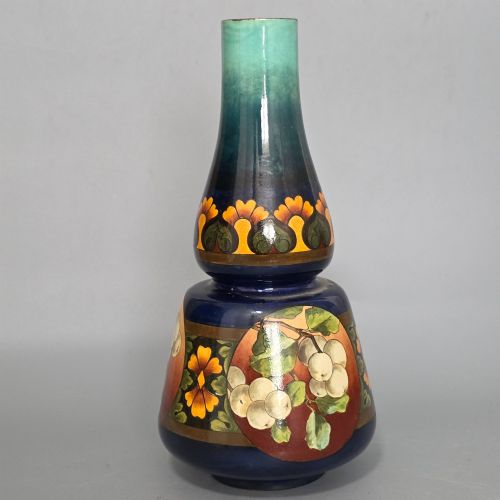
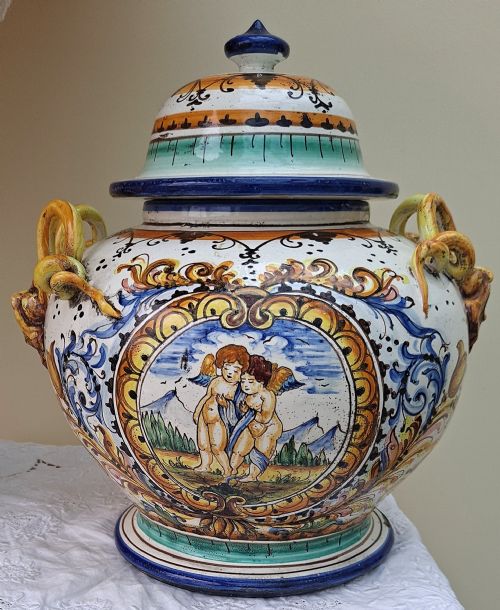
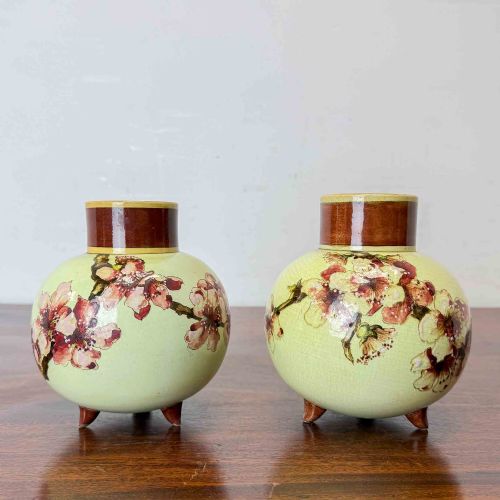


Victorian Faience Pottery Vase
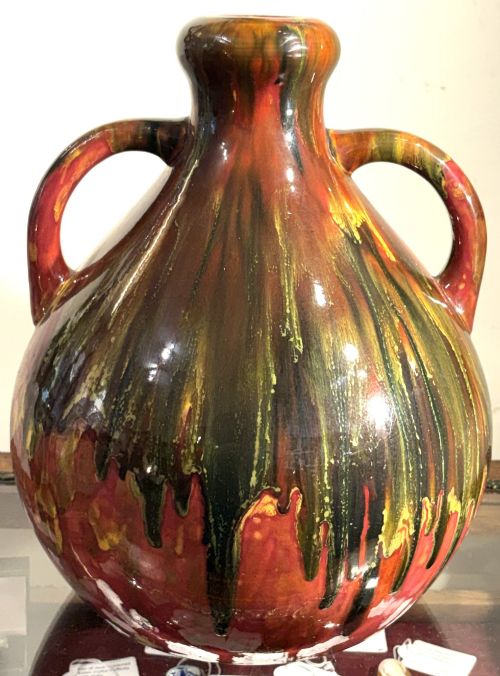
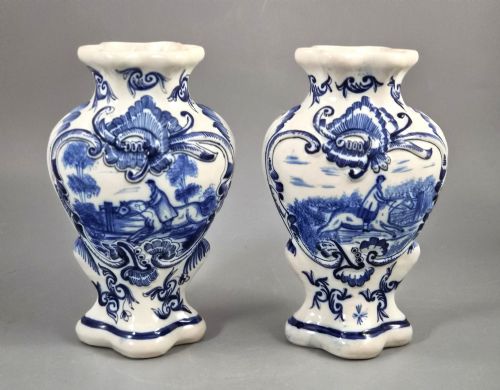
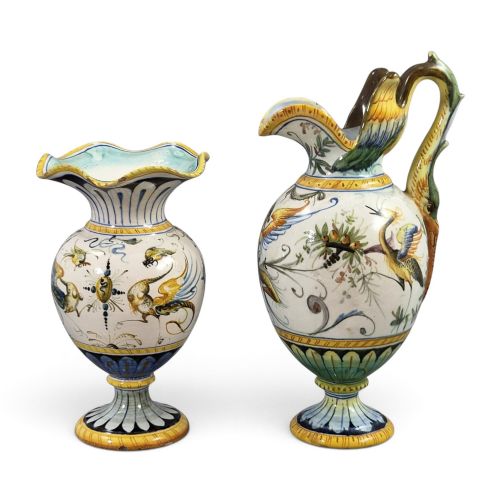
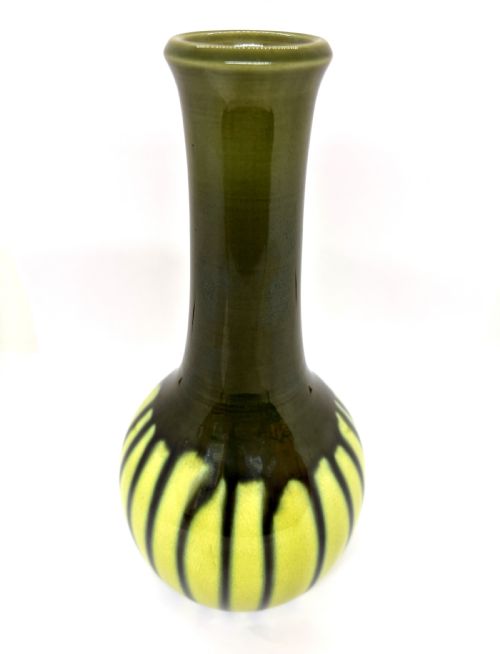
These Victorian faience pottery vase pieces bring rich tin-glazed earthenware and vibrant majolica decoration into domestic rooms.
Victorian Faience Pottery Vase
A Victorian faience pottery vase brings together tin-glazed earthenware and colourful ceramic decoration from the nineteenth century. Buyers searching this phrase encounter English art pottery and continental European majolica pieces produced during the height of the Victorian era.
The selection on this page centres on glazed ceramic vessels spanning the 1880s and 1890s, including twin-handled vessels, ewers, and bottle forms. Pieces range from large decorative urns to converted table lamps and wall pockets.
Makers from Leeds to Florence and Desvres produced these works, drawing on Renaissance Revival, Aesthetic Movement, and Arts and Crafts styles. English factories like Burmantofts and Doulton Lambeth appear alongside Italian and French workshops.
What varies in quality
Quality rests upon the crispness of the moulded relief and the control shown in the tin glaze application. Finer pieces demonstrate precise brushwork and rich, unblemished colour coverage across complex surfaces.
The distinction between standard production items and superior works lies in the ambition of the form and the clarity of the glaze finish. Signed pieces from notable workshops display greater artistic intent in their decorative schemes.
Styles span Renaissance Revival, Arts and Crafts, Aesthetic Movement, and French Rococo Revival across various European workshops.
Burmantofts·Fourmaintraux Courquin·Cantagalli·Doulton Lambeth·Alice Euphemia Thatcher
The Victorian Faience Pottery Vase Glossary
- Faience
- Tin-glazed earthenware produced in Europe, often featuring colourful painted decoration over an opaque white glaze. The term covers various regional styles of glazed ceramic production.
- Majolica
- Opaque tin-glazed pottery with brightly coloured painted designs, popular in nineteenth-century revivals of Italian Renaissance ware. Makers utilised this technique for decorative vases and ewers.
- Earthenware
- Porous pottery fired at lower temperatures than stoneware or porcelain, requiring a glaze to render it waterproof. This material formed the standard body for Victorian art pottery.
- Slip
- Liquid clay mixture used for surface decoration, relief work, or coating ceramic bodies before firing. Potters applied slip to build texture and pattern.
- Intarsio
- A decorative ceramic technique developed by Doulton Lambeth that created inlaid coloured glazes resembling mosaic work. This method produced rich, patterned surfaces on faience vases.
Victorian Faience Pottery Vase: Frequently Asked Questions
What is Victorian faience?
Victorian faience is tin-glazed earthenware produced during the nineteenth century, combining traditional ceramic techniques with contemporary artistic styles. These pieces range from British art pottery to continental majolica revivals.
Potters used opaque glazes as a canvas for hand-painted or moulded decoration, creating ornamental vessels that reflected nineteenth-century historicism.
How do I identify a Burmantofts vase?
Burmantofts pieces often display distinctive slip decoration, intense colour glazes, and impressed factory marks on the base. Their production spans characteristic forms like sunburst bottle vases and twin-handled shapes.
Examining the underside usually reveals specific pottery stamps and shape numbers associated with the Leeds works.
Where were these vases made?
These ceramic pieces originated in prominent European pottery centres across England, France, and Italy. English workshops in Leeds and London worked alongside traditional Italian majolica studios and French ceramic factories.
Each region brought distinct stylistic influences, from Renaissance Revival motifs to Arts and Crafts surface patterns.
How should I display these vases?
Display these glazed earthenware vessels on stable surfaces away from direct sunlight to protect the coloured glazes. Their decorative presence suits mantelpieces, side tables, or dedicated shelving.
Some pieces were adapted historically into table lamps, offering a way to integrate nineteenth-century ceramics into daily domestic lighting.