




Cream Porcelain Spill Vase
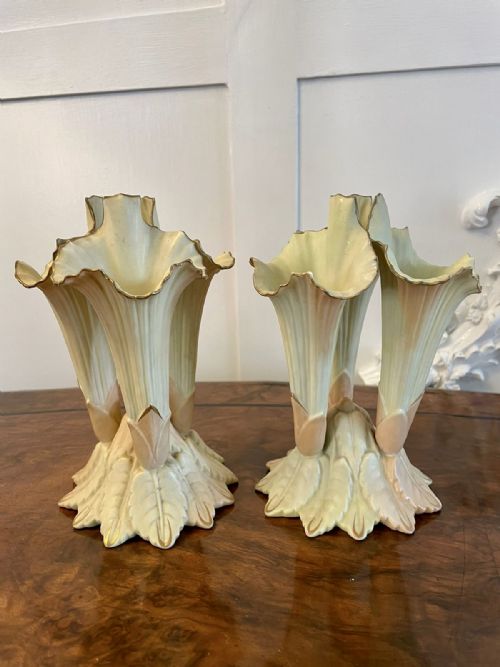
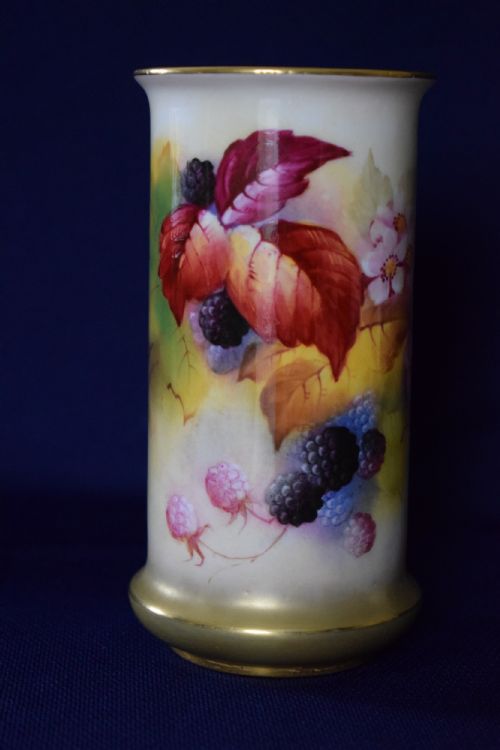
These cream porcelain spill vase examples hold tapers for lighting fires, bringing delicate hand-painted artistry to a mantelpiece.
Cream Porcelain Spill Vase
A cream porcelain spill vase takes cylindrical or figurative forms designed to hold thin wooden spills near a hearth. These pieces date from the late Victorian period through the mid-twentieth century.
The English traditional style dominates the available selection, often featuring blush ivory grounds or painted natural scenes. Buyers frequently encounter works bearing factory marks from prominent English ceramic houses.
Makers shaped these items as simple upright cylinders or incorporated them into figurative compositions alongside young boys or cattle. Each variation serves the dual purpose of utility and cabinet display.
How they were made
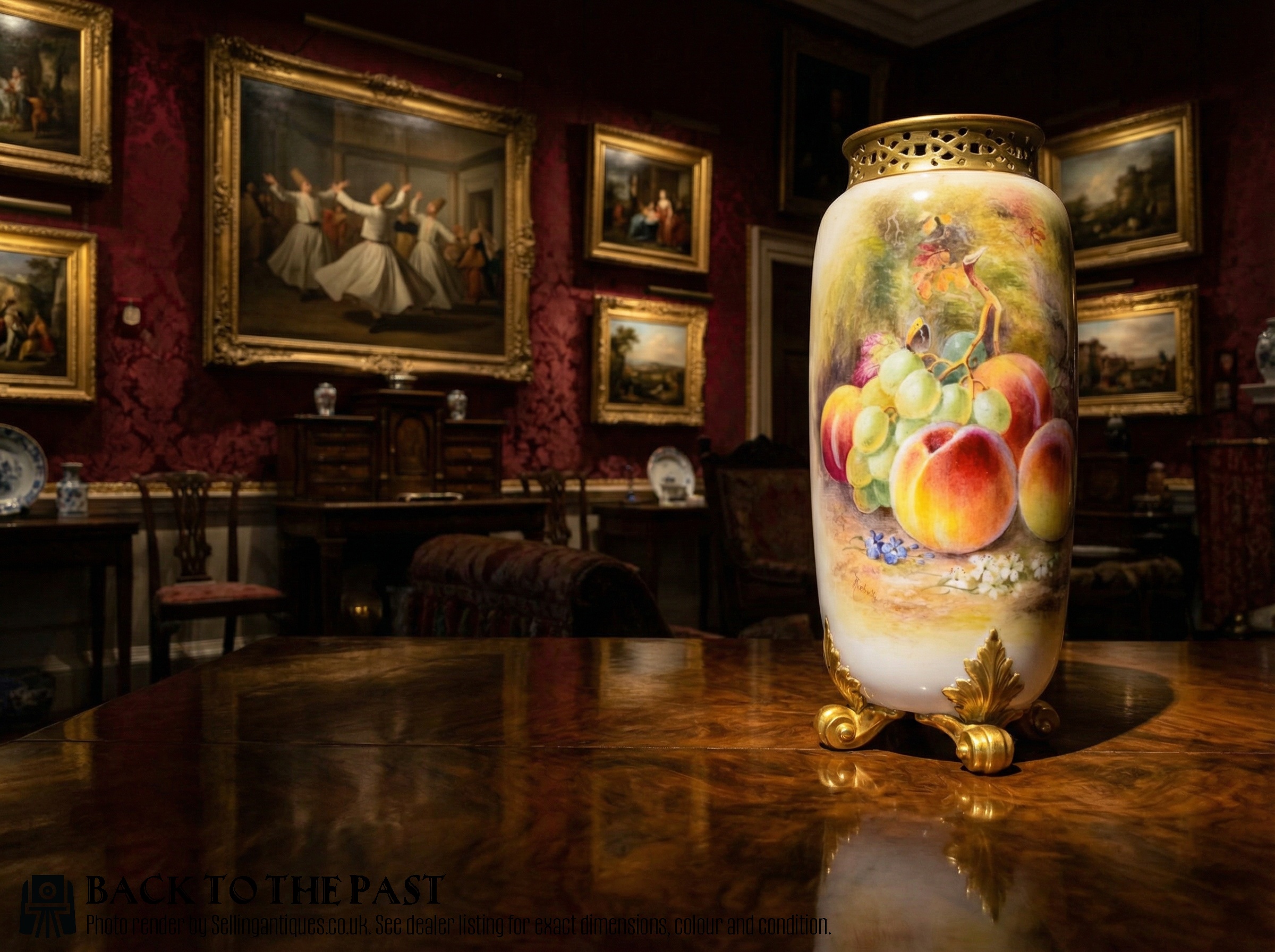
Potters shaped fine porcelain and bisque porcelain bodies, applying smooth cream glazes as a base for subsequent decoration. Artisans then executed detailed hand painting over the glaze, depicting subjects like highland cattle and delicate fruit.
Gilding, gold leaf, and rich gilt highlights frame the painted panels and rims to catch the light. Kiln firing fixed the enamel colours permanently to the ceramic surface before final finishing.
Cream Porcelain Spill Vase Retail Price Guide 2026
Typical asking prices for cream porcelain spill vase among the pieces listed under this phrase on Sellingantiques today, from the lower quarter to the upper quarter. They describe what is for sale here now, not the wider market.
Highland cattle peer out from several nineteenth-century cylinders, proving that Scottish cows found their way onto English mantelpieces.
What varies in quality
The distinction between standard production and superior work rests entirely upon the skill of the artist. Hand-painted naturalism by known ceramic painters elevates an ordinary vessel into a work of fine art.
Execution of the gilt detailing and the crispness of the enamel work determine the visual depth of the piece. Well-preserved blush ivory surfaces without rubbing demonstrate careful ownership over the decades.
Locke & Co.·Royal Worcester
The Cream Porcelain Spill Vase Glossary
- Blush ivory
- A soft cream-coloured porcelain ground developed in the late nineteenth century to mimic natural ivory. This matte finish accepts delicate floral and landscape painting with subtlety.
- Spill
- A thin wooden taper used to transfer a flame from the fireplace to a candle or pipe. Spill vases kept these tapers close at hand on the mantelpiece.
- Bisque porcelain
- Unglazed white ceramic fired once to create a porous, matte surface resembling marble. It appears frequently on figurative pieces from the Victorian era.
- Gilt
- A thin layer of gold applied to ceramic surfaces for ornamentation. Artisans burnished this material to achieve a bright contrast against the cream porcelain body.
Cream Porcelain Spill Vase: Frequently Asked Questions
How do I date these porcelain pieces?
Dating relies heavily upon the factory marks stamped or painted on the underside of the ceramic base. Pattern numbers and specific crown or monogram ciphers indicate the exact decade of manufacture.
Stylistic cues such as blush ivory grounds and the signature of known artists also help narrow the production period. Comparing the style of painting to documented factory timelines confirms the era.
How should I clean my spill vase?
Dust the porcelain surface gently with a dry, soft brush to remove everyday accumulation. Avoid soaking pieces with delicate hand-painted enamel or gold leaf in water.
Harsh chemical cleaning agents will strip the gilt highlights and damage the porous glaze. If necessary, wipe the ceramic lightly with a slightly damp cloth and dry immediately.
Were these vases made as pairs?
Potters frequently produced these vessels in matching pairs to balance mantelpiece decoration on either side of a clock or mirror. Single items also emerged from studios as individual cabinet pieces.
Matching pairs display identical dimensions and complementary painted motifs executed by the same studio hand. Collectors often seek out complete pairs for display purposes.