
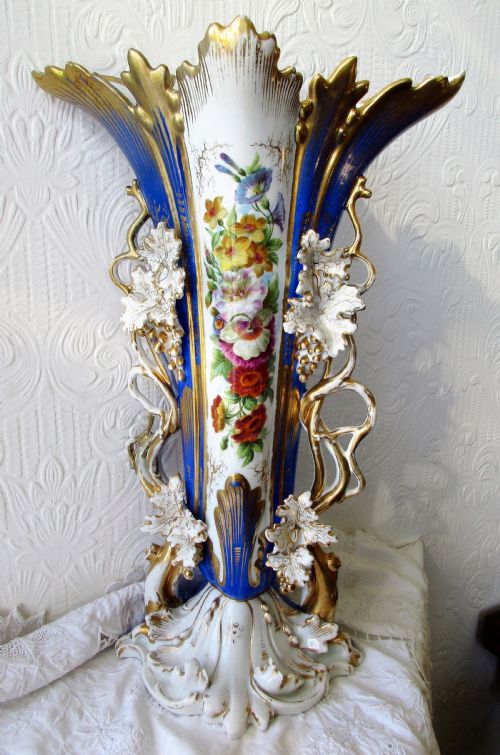
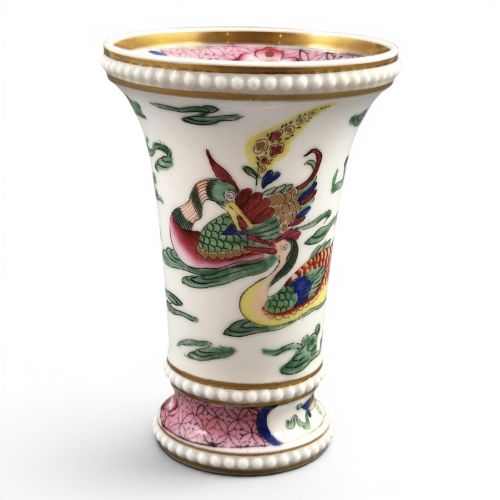


Antique Porcelain Spill Vase
An antique porcelain spill vase holds folded paper tapers for lighting fires, combining utility with miniature artistry.
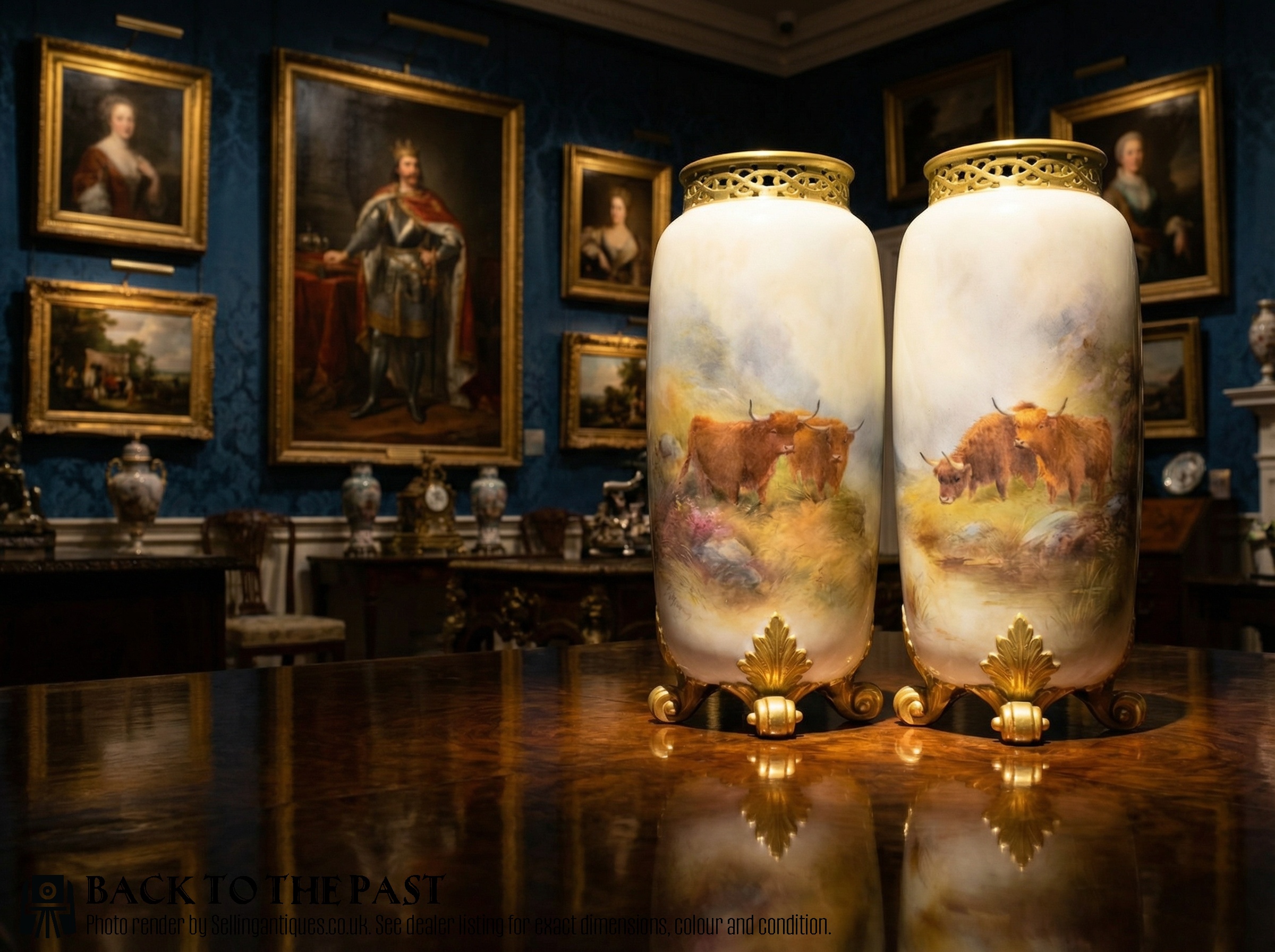
Antique Porcelain Spill Vase
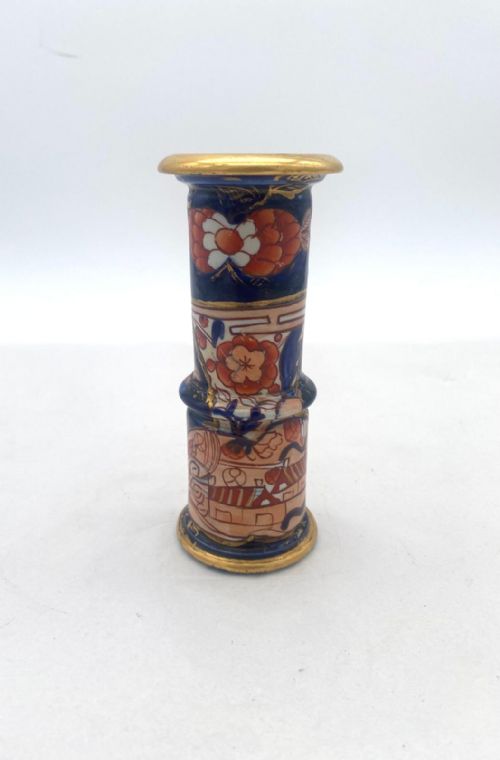
An antique porcelain spill vase is a slender vessel designed to hold taper spills next to a fireplace. These domestic objects appear across the nineteenth and early twentieth centuries in various regional British, continental European and Japanese traditions.
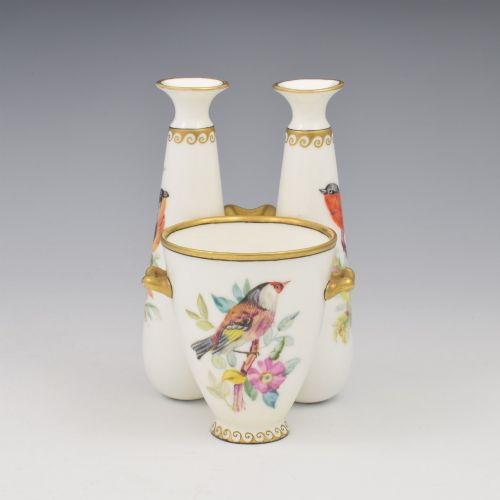
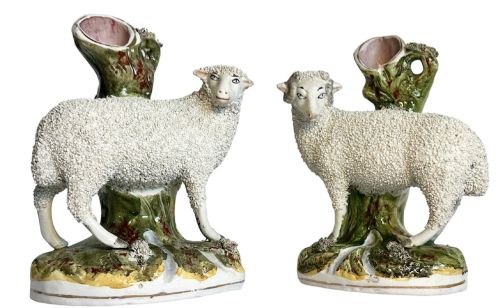
The versions most common in these listings range from Georgian and Regency porcelain pieces to Victorian Staffordshire animal figures and early twentieth century Royal Worcester painted items. Makers fashioned them as simple cylindrical tubes or modelled them as sheep, deers, swans and human figures incorporating a small receptacle.
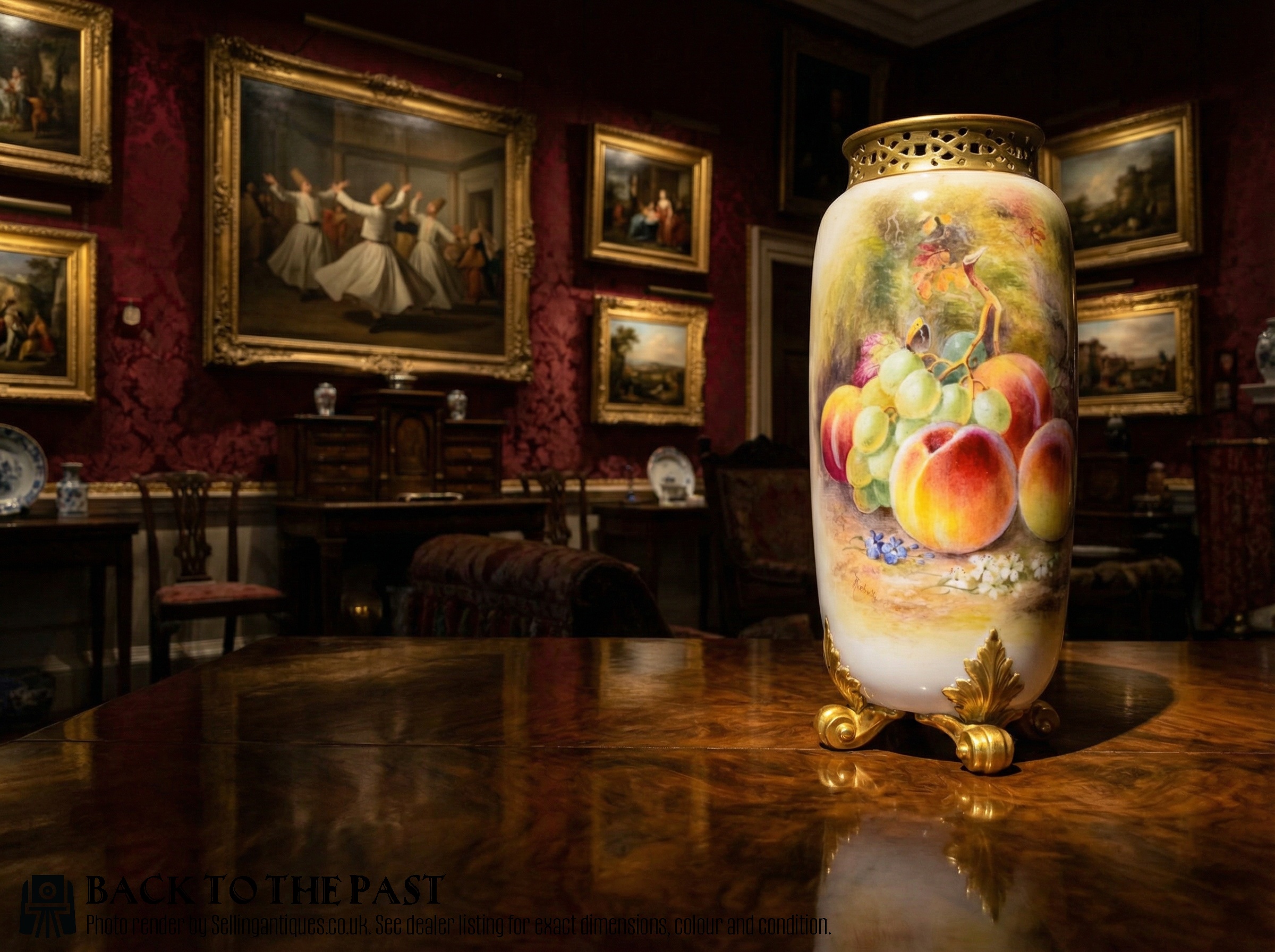
How they were made
Potters shaped these vessels using porcelain, earthenware or bisque ceramic bodies, applying lead or tin glazes to seal the surface. Many factories enhanced the basic ceramic form with surface embellishments including enamel painting, gold leaf, gilding and gilt accents.
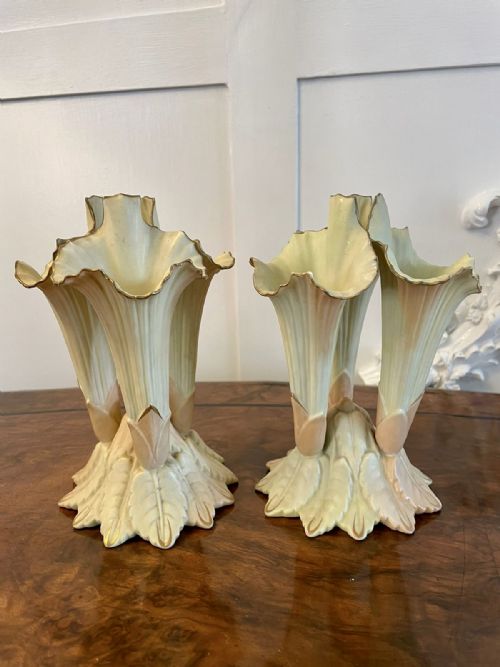
Makers utilised specialised techniques such as blush ivory grounds, moriage relief work and hand-painted ornithological or pastoral scenes by named artists. Firing methods varied from low-temperature earthenware kilns to high-firing porcelain furnaces depending on the workshop origin.
Antique Porcelain Spill Vase Retail Price Guide 2026
Typical asking prices for porcelain spill vase among the pieces listed under this phrase on Sellingantiques today, from the lower quarter to the upper quarter. They describe what is for sale here now, not the wider market.
Listings feature porcelain, earthenware and bisque ceramics decorated with enamel, gold leaf and hand-painted pastoral scenes from the nineteenth and early twentieth centuries.
What varies in quality
The standard of painting and artistic execution divides mass-produced wares from exceptional studio output. Signed pieces by established painters or notable factories demonstrate superior brushwork, precise enamel control and refined gilding compared to simpler domestic items.
Form and modelling complexity also determine overall excellence, particularly in figural Staffordshire pottery or Japanese Imari vessels. Crisp moulding detail, balanced proportions and harmonious colour palettes separate standard decorative items from superior collector pieces.
Royal Worcester·Locke and Co·Spode·Flight Barr and Barr·Ernst Wahliss·Vion et Baury
The Antique Porcelain Spill Vase Glossary
- Spill
- A slender rolled twist of paper used for transferring a flame from a hearth to a candle or pipe. These vessels were made specifically to hold bundles of them.
- Blush ivory
- A subtle cream-coloured porcelain ground developed by factories such as Locke and Co. It provides a warm matte surface beneath floral decoration.
- Moriage
- A Japanese ceramic technique using piped clay slips to build up raised decorative patterns. This ornament is often highlighted with gilding.
- Flatback
- A style of Staffordshire pottery figure moulded with a flat unglazed reverse designed to stand against a wall. This technique saved materials on pieces meant for mantelpieces.
- Bisque
- Unglazed white porcelain fired once to a porous matte state. It resembles marble and was frequently utilised for nineteenth-century figurative sculptures.
Antique Porcelain Spill Vase: Frequently Asked Questions
What is an antique porcelain spill vase?
An antique porcelain spill vase is a small nineteenth or early twentieth-century container created to hold paper tapers near a fireplace. These tapers were lit from the hearth to carry flames to candles or lamps.
They appear in various styles from simple Georgian cylinders to elaborate Victorian Staffordshire animal groups and painted Royal Worcester porcelain. Their compact size made them suitable for mantelpieces and tabletops across period homes.
How do I date a spill vase?
Dating relies on factory marks, ceramic paste composition, painting styles and recorded historical periods. Georgian and Regency examples often feature hand-painted botanical or ornithological scenes on fine porcelain bodies.
Victorian pieces frequently include Staffordshire earthenwares with figural animal models or transfer-printed patterns. Early twentieth-century pieces often display specific artist signatures or factory ciphers from potteries like Royal Worcester.
How were spill vases used?
These vessels sat on mantelshelves holding bundles of twisted paper known as spills. Before matches became common, people used these paper tapers to transport fire from the hearth.
The vertical cylindrical form kept the paper upright and dry while adding decorative colour to the fireplace surround. Some figural designs integrated the tube behind animal or human sculptures.
Can I use them as regular vases?
Most antique spill vases can accommodate small flower stems or dried foliage provided the interior glaze remains intact. Their original purpose was holding paper tapers rather than water.
Buyers should inspect the internal glaze of earthenware or porcelain pieces before filling them with water. Fine antique porcelain handles short-stemmed blooms safely when treated with care.