

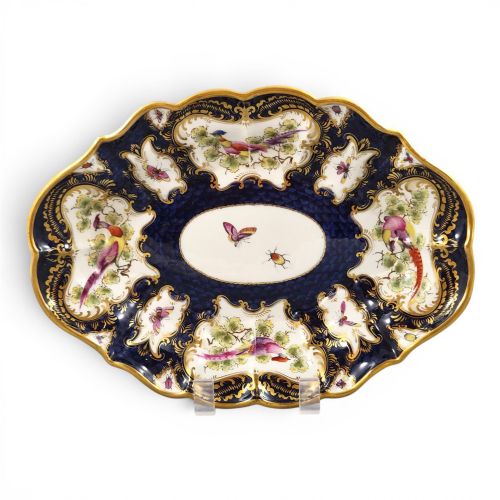
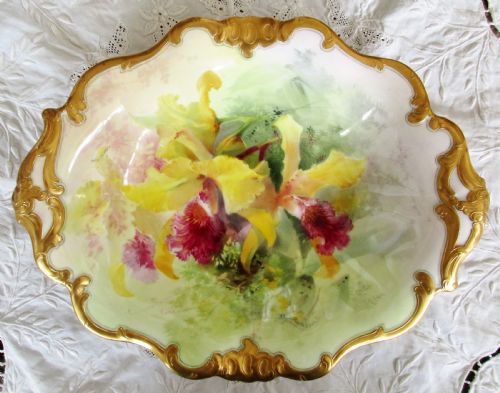
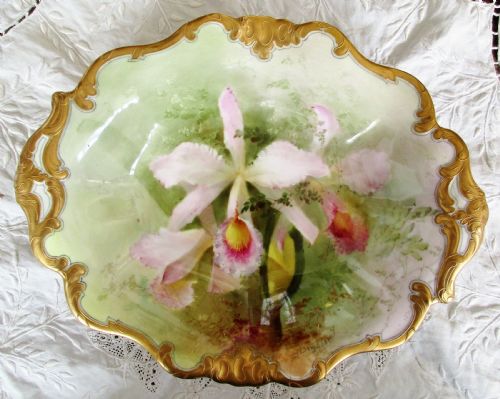
Edwardian Hand Painted Porcelain
Edwardian hand painted porcelain brings together delicate ceramic forms and meticulous brushwork from the turn of the twentieth century.
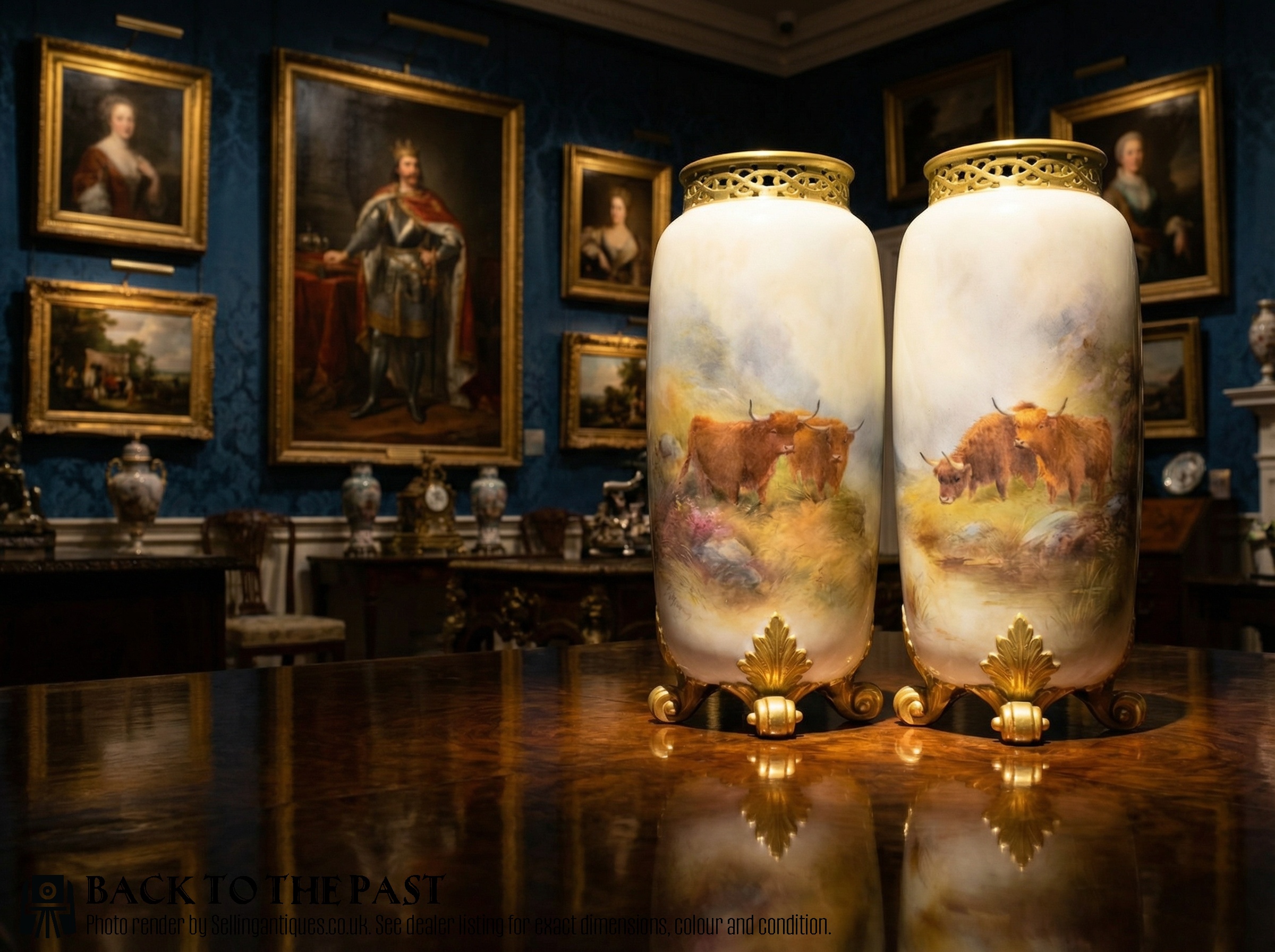
Edwardian Hand Painted Porcelain
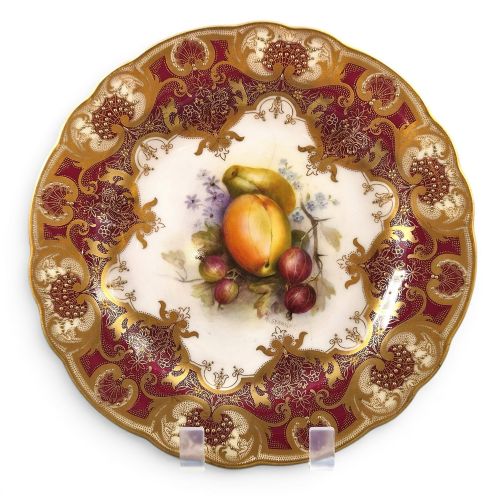
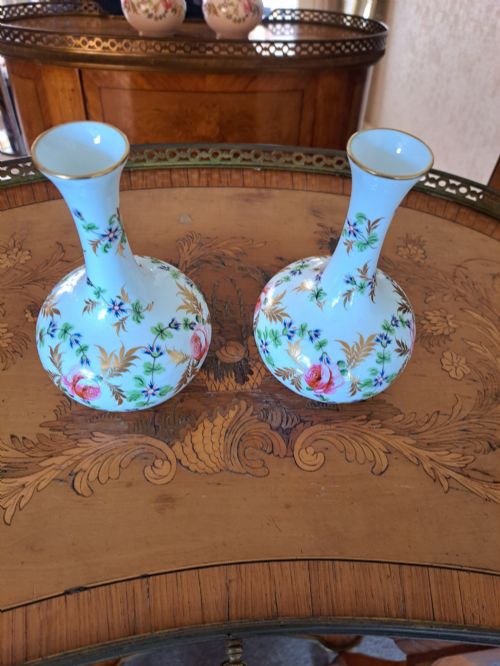
When you search for edwardian hand painted porcelain, you find cabinet plates, decorative bowls, and vases intended for display in formal reception rooms. The pieces recorded here span the late nineteenth century through to the interwar decades, with a strong concentration of early twentieth-century British production.
Royal Worcester and Royal Doulton dominate the selection, alongside Japanese Imari wares, continental factories, and English potteries such as Crown Derby, Shelley, and Minton. Forms range from utilitarian breakfast sets and dinner services to purely decorative plaques and centrepieces.
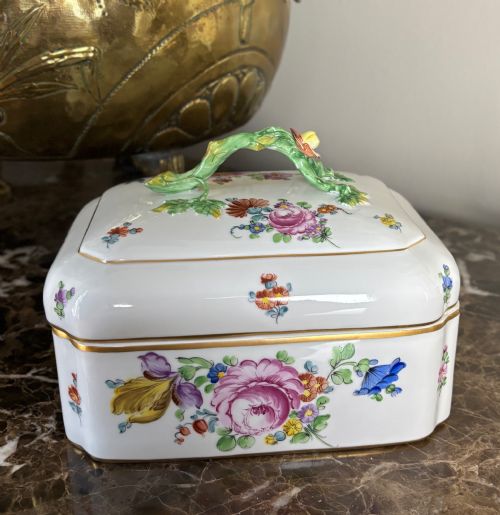
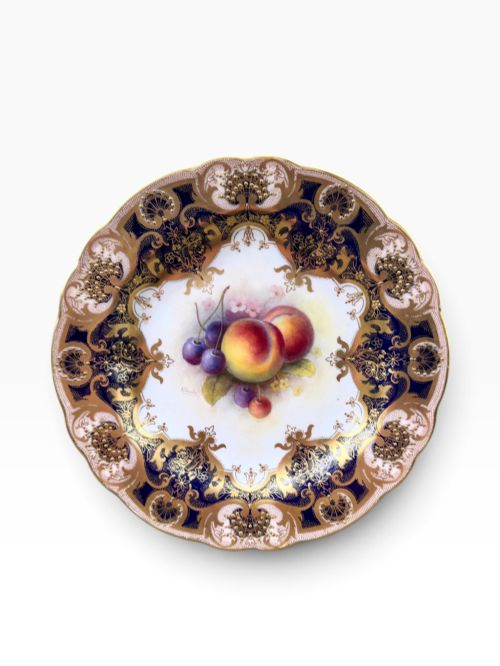
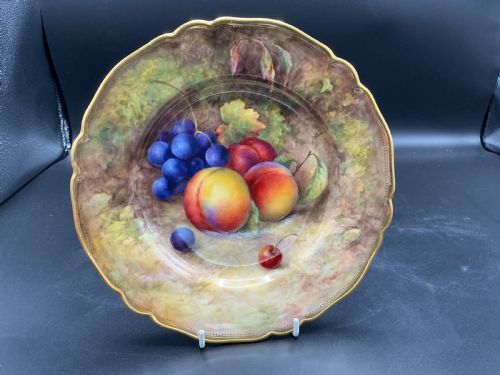
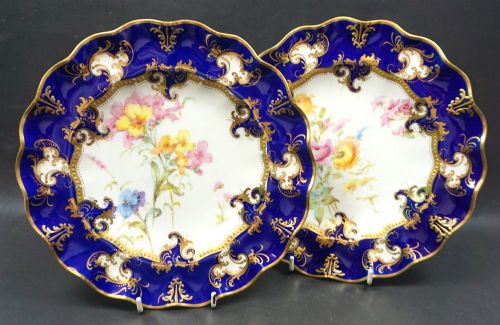
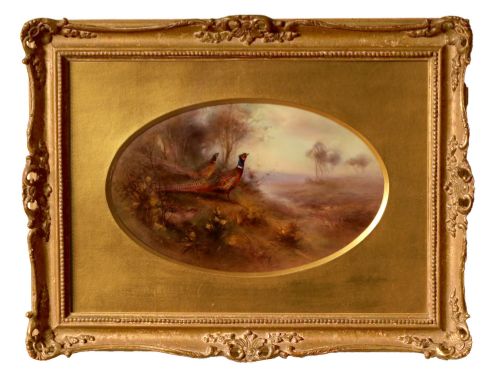
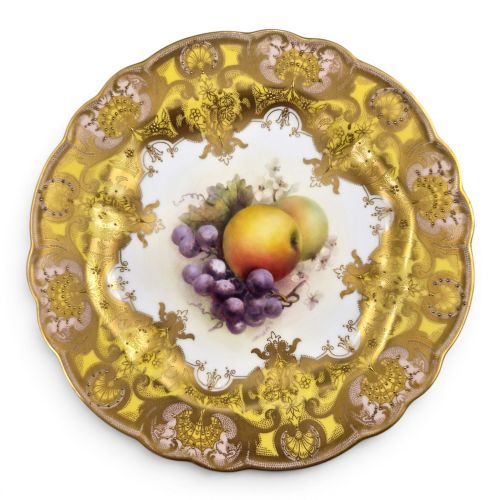
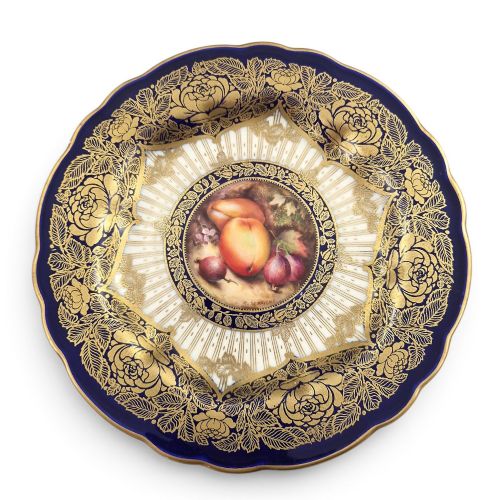
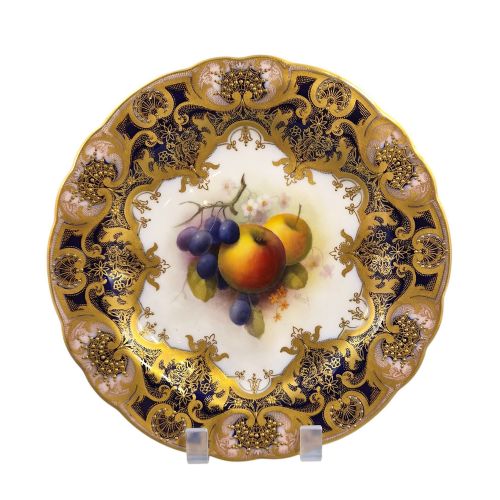
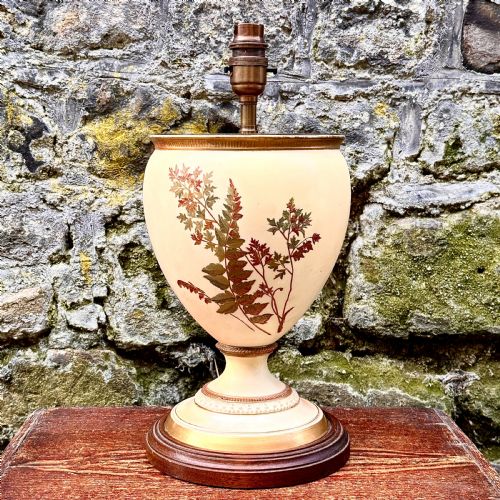
Blush ivory grounds, floral sprays, and scenic depictions of fruit, birds, and landscapes define the visual character of these objects. Many items bear the signature or monogram of notable factory artists who specialised in miniature watercolour techniques on ceramic surfaces.
Materials and Technique
Makers utilised fine porcelain, bone china, and ceramic bodies shaped into vessels, plates, and figurines before applying white or tinted glazes. Base coats such as blush ivory provided a matte or satin surface suited to absorbing delicate pigment layers.
Artists painted directly onto the unfired or biscuit surface using ceramic colours mixed with oils, firing the pieces multiple times in kilns to fix the pigments. Artisans then applied gold leaf, gilding, and enamel highlights to rims, handles, and borders to frame the central artwork.
Listings feature porcelain forms spanning the late nineteenth century through the Edwardian era and into the nineteen-thirties.
Evaluating the Pieces
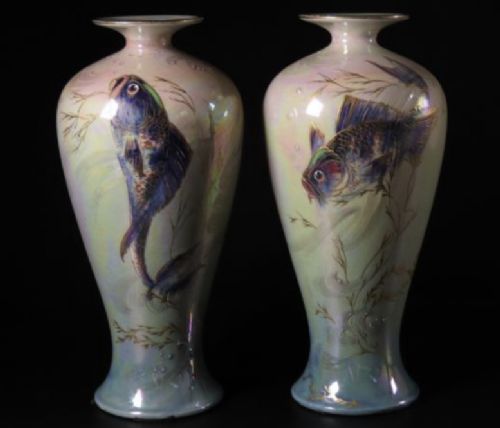
Quality rests primarily on the skill of the painter and the fidelity of the brushwork, distinguishing factory work produced by routine decorators from signed pieces by named studio artists. Detailed naturalistic studies of fruit, fish, or ornithological subjects executed by known hands command greater attention.
The sophistication of the gilding and the preservation of the enamel work further divide standard production from exceptional examples. Scratches, rubbing to gold edges, and hairline fractures diminish the integrity of the object, while crisp forms and intact factory marks maintain it.
Royal Worcester·Royal Doulton·Royal Crown Derby·Dresden·Coalport·Minton·Shelley·Doulton Burslem·Walker and Hall·John Ford
The Edwardian Hand Painted Porcelain Glossary
- Blush ivory
- A soft, creamy matte glaze developed by Royal Worcester in the late nineteenth century to mimic the tone of real ivory. It served as a popular background for hand-painted floral sprays.
- Cabinet plate
- A decorative ceramic plate intended for display in a cabinet or on a wall rather than for dining use. These pieces often feature elaborate painted scenes and gilded borders.
- Gilding
- The application of gold leaf or powdered gold suspended in a medium to the ceramic surface. It is typically fired onto rims, handles, and patterned accents.
- Imari
- A style of ceramic decoration originating in Japan, characterised by a palette of underglaze blue, iron red, and gold. European factories frequently copied these distinct patterns during the nineteenth and early twentieth centuries.
- Enamel
- Opaque glass-based pigment applied over the glaze and fired at a lower temperature to add raised colour details. It creates a tactile, colourful finish on porcelain surfaces.
Edwardian Hand Painted Porcelain: Frequently Asked Questions
How do I identify a signed piece?
Look closely at the corners or margins of the painted scene for artist signatures, initials, or monograms written in fine brushstrokes. These marks often match factory records of painters active during the Edwardian period.
Matching the signature with factory date codes stamped on the underside helps confirm the authenticity and exact production year of the painted artwork.
Were these items meant for daily use?
Most cabinet plates, decorative plaques, and ornamental vases were designed exclusively for visual display in drawing rooms and parlours. Tableware items such as breakfast sets and dessert dishes saw actual service.
Over time, handling and washing can wear away delicate gilding and surface enamel, making preservation a priority for collectors of purely decorative forms.
What is blush ivory porcelain?
Blush ivory refers to a proprietary matte cream glaze formula introduced by Royal Worcester that replicates the warm tone of elephant ivory. It provided a neutral backdrop for floral decoration.
This finish absorbed delicate water-based ceramic paints exceptionally well, allowing artists to blend soft pinks, yellows, and greens into the body.
How should I clean hand painted porcelain?
Dust items gently with a soft, dry brush to prevent accumulation of dirt without risking the fragile glaze or gold leaf. Avoid harsh chemical cleaners and abrasive cloths.
Submerging antique porcelain in water can moisture-penetrate hairline cracks and weaken old repairs, so washing should be avoided whenever possible.