

Gold Gilt Porcelain Vase
When you search for a gold gilt porcelain vase, you are looking at centuries of ceramic artistry combined with rich metallic ornamentation.
Gold Gilt Porcelain Vase
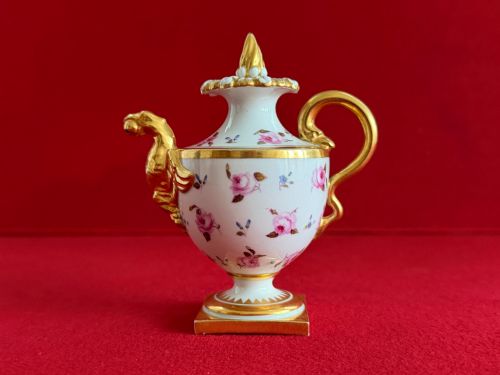
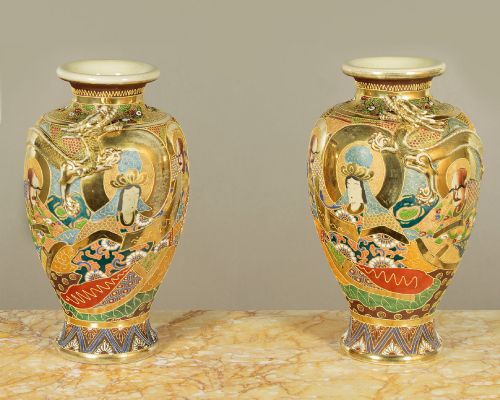
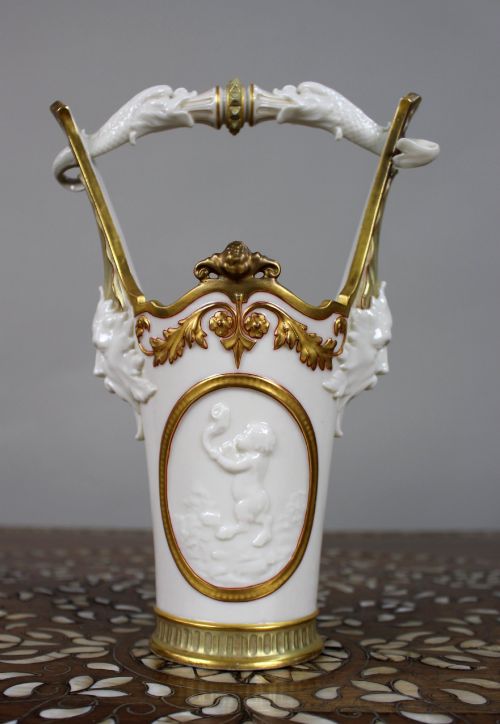
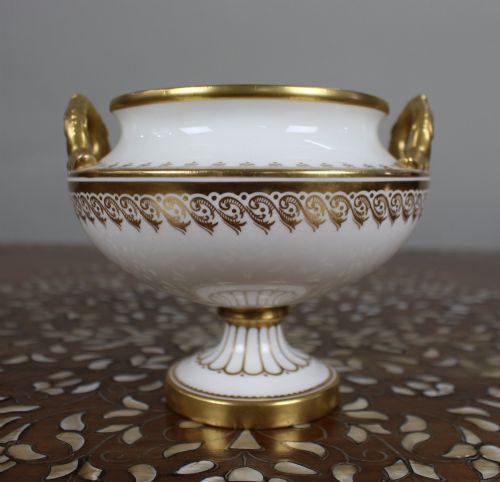
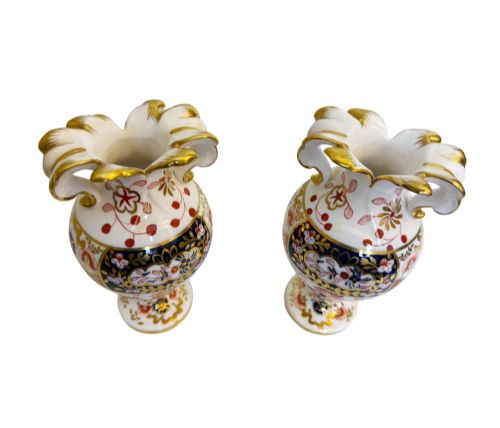
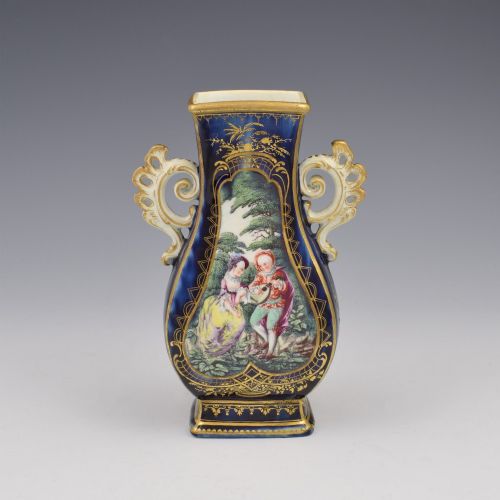
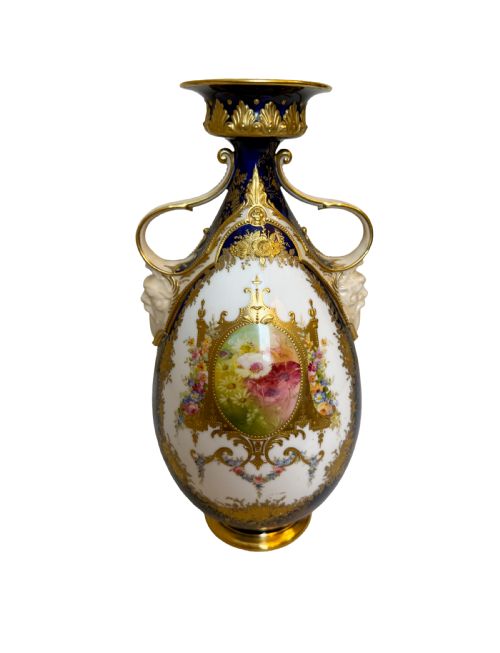
A gold gilt porcelain vase brings together fired ceramic bodies and lustrous metal finishes, taking forms from classical urns to campagna vessels and delicate ewers. When you examine a gold gilt porcelain vase on this page, you encounter pieces originating from English manufactories, French studios, and Japanese workshops spanning multiple centuries.
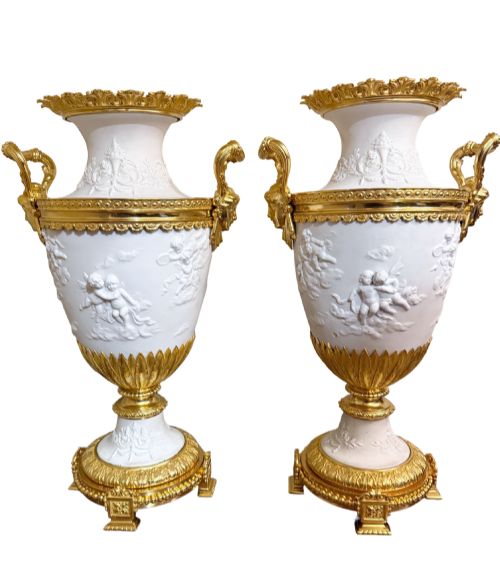
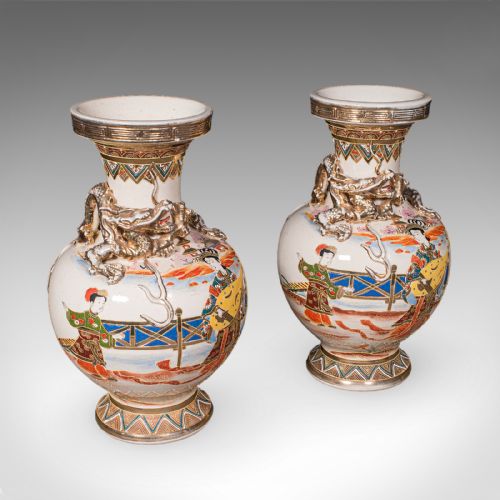
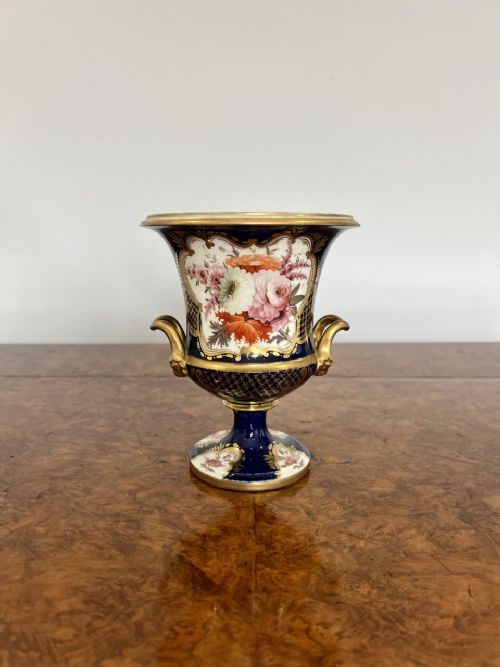
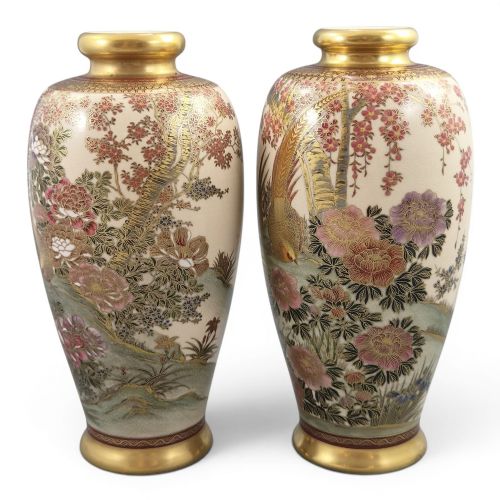
The selection ranges from early nineteenth-century Regency porcelain and Victorian decorative urns to intricate Meiji period Satsuma ceramics. Many examples integrate gilt bronze or ormolu mounts that elevate simple vessels into sculptural centrepieces for domestic display.
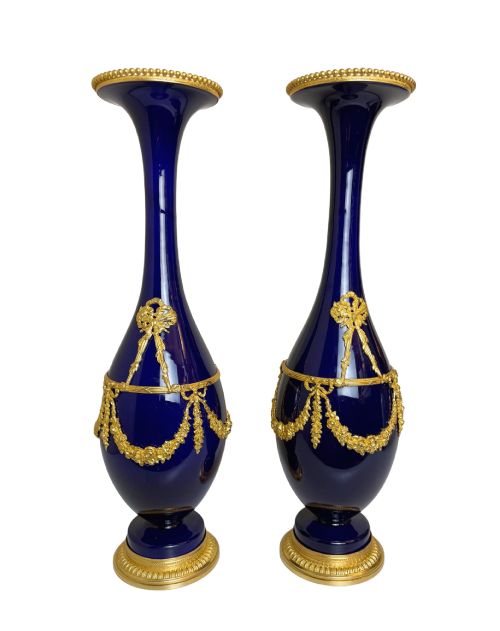
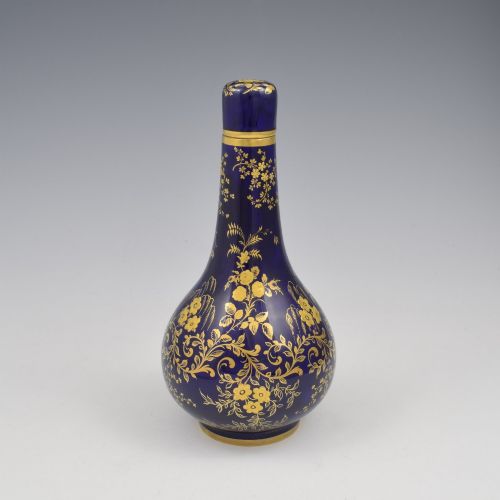
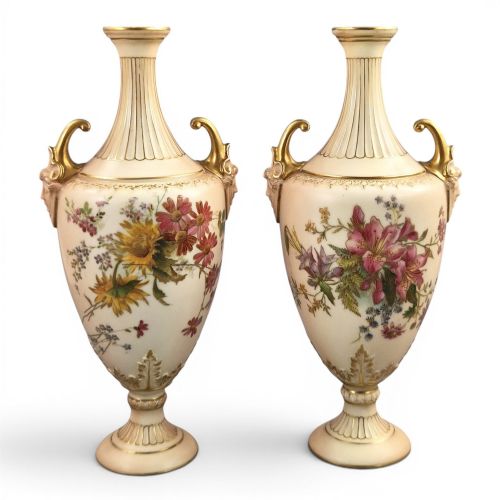
Makers utilised various grounds, from cobalt blue and blush ivory to crisp white porcelain, as canvases for hand-painted botanical studies, figural scenes, and elaborate gilding. Buyers frequently find matching pairs or garnitures designed originally for mantelpieces and grand dining interiors.
How they were made
Craftsmen shaped fine porcelain and earthenware bodies before applying base glazes and firing them in kilns at high temperatures. Artisans then hand-painted detailed scenes using enamel colours, incorporating gold leaf, liquid gilding, or moriage relief work onto the ceramic surface.
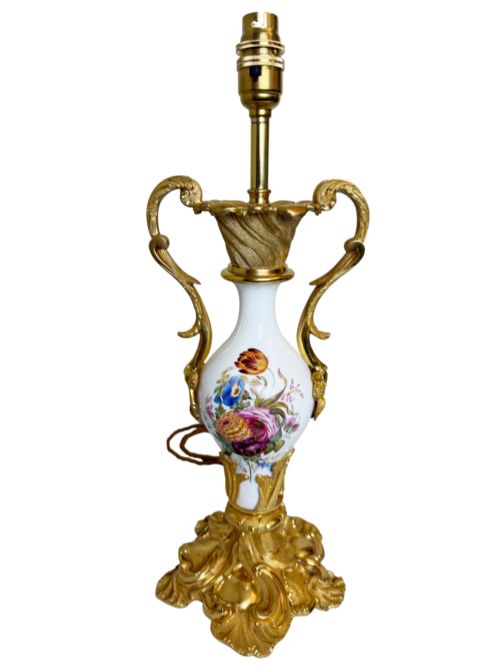
Many European and Asian pieces incorporated metal components, securing porcelain bodies within cast ormolu and gilt bronze mounts. These metal mounts required precise casting and chased detailing to complement the curves of the underlying ceramic vessel.
Several Victorian artisans painted delicate storks upon blush ivory porcelain, ensuring golden sunsets forever grace the mantelpiece.
What varies in quality
Quality rests heavily upon the execution of the hand-painted decoration and the crispness of the gilt work. Master painters from established potteries achieved subtle tonal gradations and precise linework that lesser workshops simply imitated with stencils.
The weight, casting definition, and finish of any accompanying ormolu or gilt bronze mounts also determine the piece's standing. Finer examples display meticulous chasing on the metalwork and well-balanced proportions between the ceramic body and its metallic framing.
Flight Barr and Barr·Royal Worcester·Kinkōzan Workshop·Martial Redon
The Gold Gilt Porcelain Vase Glossary
- Ormolu
- A gilding technique applied to finely cast bronze objects using a mercury-gilt method. It imparts a rich, golden finish to decorative mounts.
- Moriage
- A decorative ceramic technique using piped clay slips to build up raised patterns beneath glazes. This method creates textured surfaces often highlighted with gold leaf.
- Garniture
- A set of three or more matching vases or decorative urns intended for display together on a mantelpiece or sideboard.
- Campagna Urn
- A classical bell-shaped vessel with a wide rim and footed base, popular in Neoclassical design.
- Ewer
- A large jug with a flared spout and curved handle, often produced as a decorative display piece alongside matching basins.
Gold Gilt Porcelain Vase: Frequently Asked Questions
Were these vases meant for flowers?
Many historical vessels served primarily as decorative ornaments rather than functional flower holders. Forms like campagna urns and large garnitures were designed to enhance interior architecture and display status.
Some smaller spill vases and bottle shapes did accommodate cut blooms, but collectors today generally preserve them as standalone works of art.
How do I date a Japanese Satsuma vase?
Examine the crackle glaze and the style of the hand-painted figural scenes. Pieces produced during the Meiji period often feature intricate gold moriage work and artist signatures from notable Kyoto workshops.
Later productions from the early twentieth century shift slightly in palette and weight, reflecting changing export markets.
What does a gilt bronze mount indicate?
Metal mounts indicate collaboration between ceramic artists and bronze founders, particularly within nineteenth-century French and English decorative arts. These additions reinforced structural stability and added visual grandeur to the finished object.
The integration quality between the porcelain body and the bronze mount often signals the standard of the workshop.