




Gilt Porcelain Spill Vase
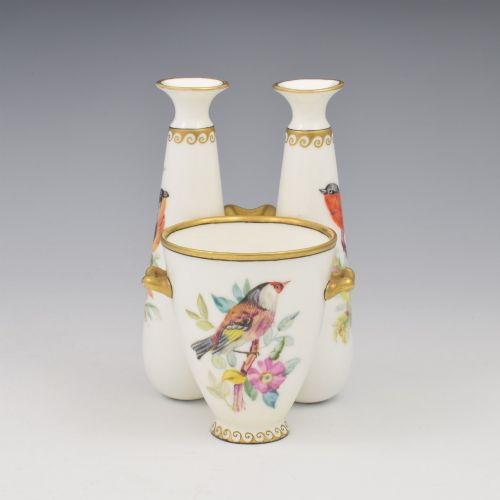
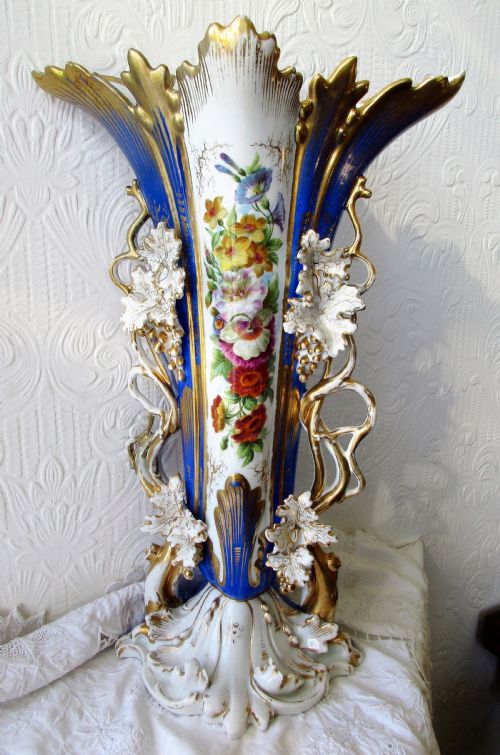
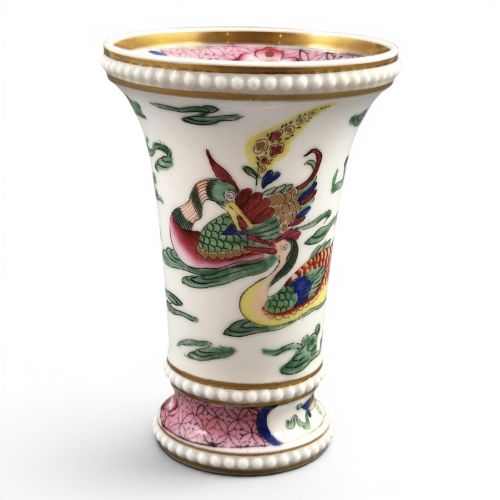
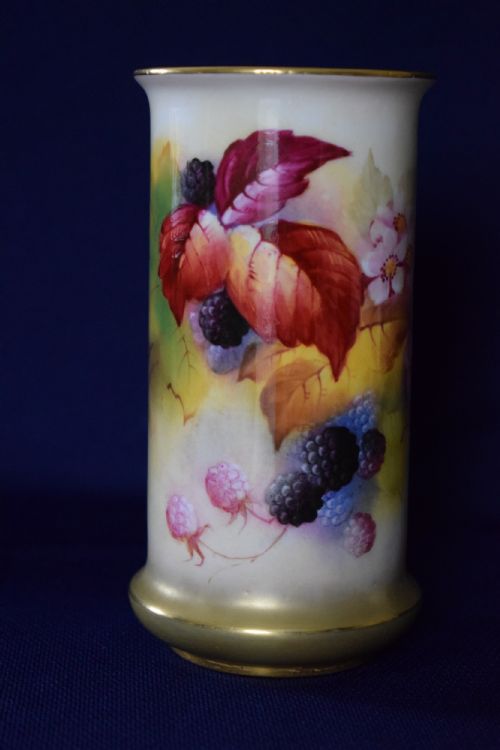
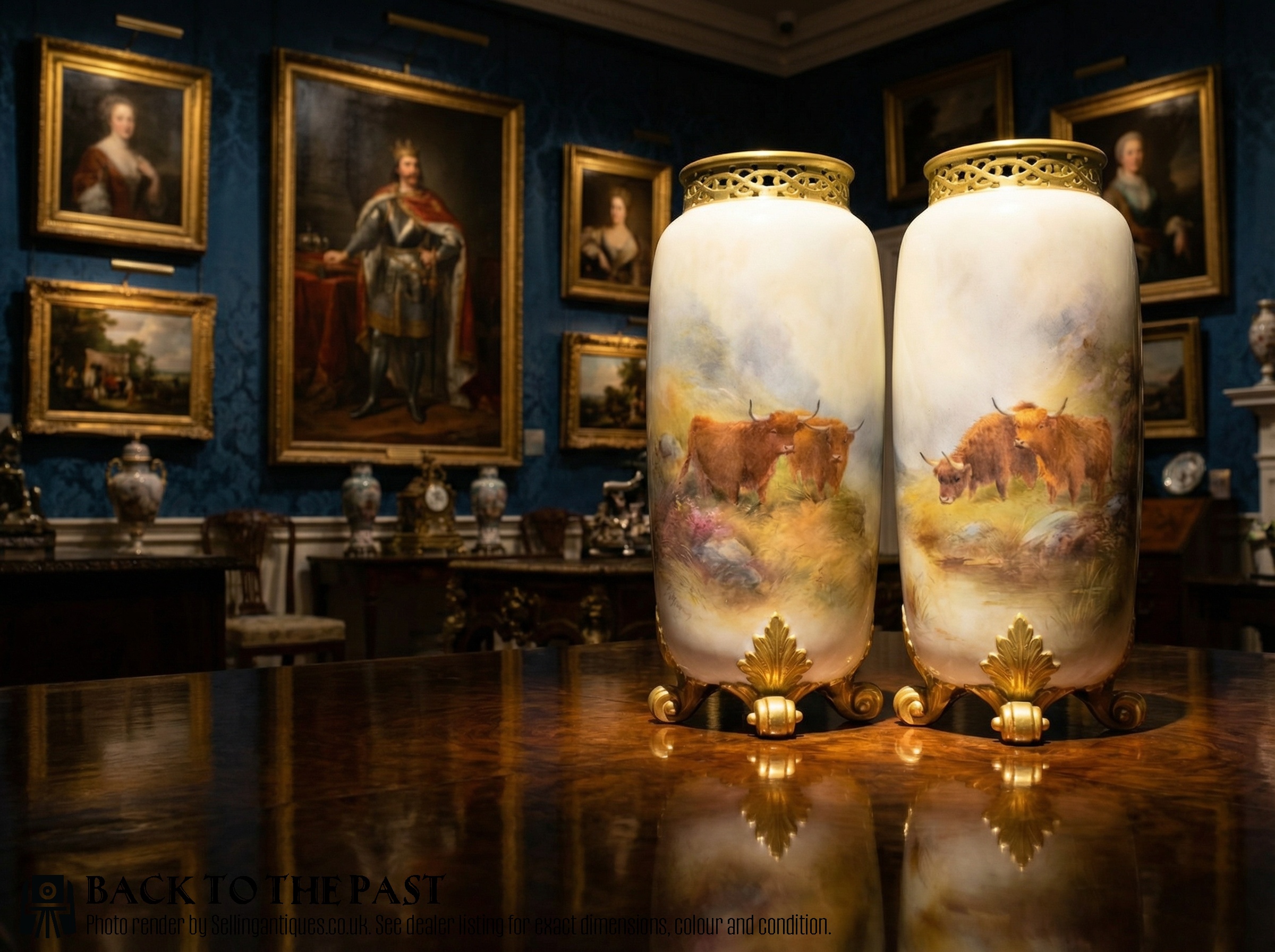
A gilt porcelain spill vase brings bright hand-painted colour and metallic shimmer to a mantelpiece, holding taper lights before the hearth.
Gilt Porcelain Spill Vase
When you search for a gilt porcelain spill vase, you find hollow cylindrical or flared vessels designed to hold thin wooden spills used for lighting candles and fires. These decorative containers appear across several periods, stretching from the Georgian era through the Victorian epoch and into the early twentieth century.
English manufactories dominate the selection, with numerous examples originating from Royal Worcester, alongside works by Spode and Flight Barr & Barr. You also encounter Japanese Satsuma and Imari pieces incorporating detailed gilt decoration alongside painted motifs.
How they were made
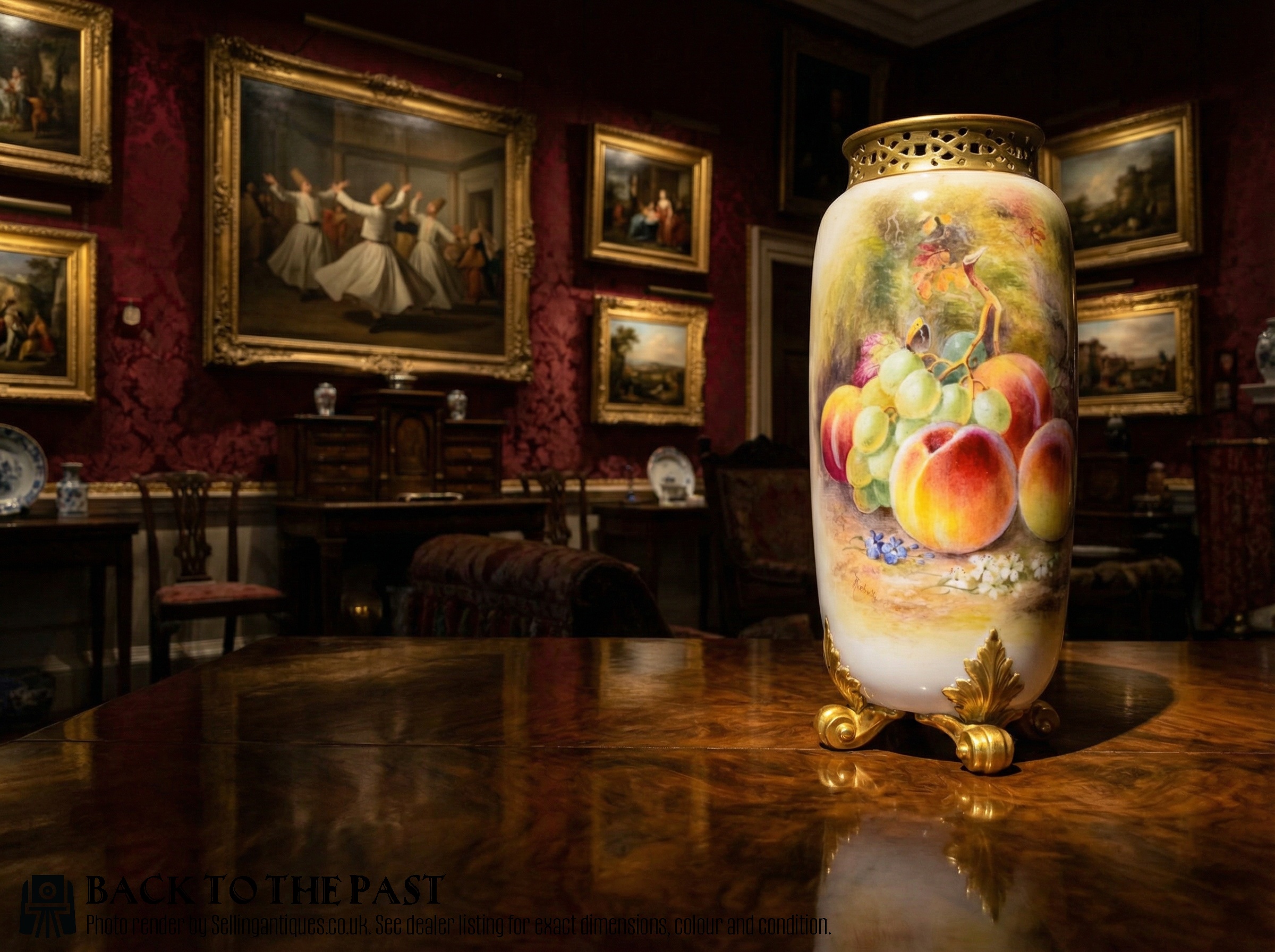
Ceramic bodies take shape using porcelain, bone china, earthenware, or glazed terracotta. Makers then apply intricate hand-painted designs using enamels before adding gold leaf or liquid gilding to rims, handles, and raised details.
Firing fixes the pigments and metallic lustre to the surface, creating durable layers that withstand repeated handling. Specialised techniques such as moriage build up raised slip decoration beneath the gilding to create textured relief patterns.
Makers represented include Royal Worcester, Spode, Flight Barr and Barr, and Ernst Wahliss alongside Japanese Satsuma and Imari works.
What varies in quality
The distinction between standard production and exceptional work rests on the skill of the painted decoration and the precision of the gilding. Named artists working for established factories produce work with finer brushwork and more detailed subject matter.
The crispness of the porcelain form and the preservation of the gold leaf across high-wear areas indicate the initial standard of manufacture. Pieces featuring complex multi-layered enamel work and signed artwork command greater attention from collectors.
Royal Worcester·Spode·Flight Barr And Barr·Ernst Wahliss
The Gilt Porcelain Spill Vase Glossary
- Spill
- A thin wooden shaving or rolled paper taper used for transferring flame from a hearth fire to candles or pipes. These vases sat on mantelpieces to keep the tapers close at hand.
- Gilding
- The application of gold leaf or powdered gold to the surface of porcelain. It highlights rims, handles, and painted borders with a metallic shine.
- Bone china
- A type of soft-paste porcelain containing bone ash, developed in England to improve strength and whiteness. It allows for thinner walls and a translucent finish.
- Moriage
- A Japanese ceramic technique using piped clay slip to create raised decorative patterns beneath glazes and gilding. It adds distinct tactile texture to the vessel surface.
- Enamel
- Vitreous coloured glass fused to the porcelain surface during firing. It provides the vibrant palette used for painting birds, flowers, and figures.
Gilt Porcelain Spill Vase: Frequently Asked Questions
What is a gilt porcelain spill vase used for?
These vessels held wooden tapers called spills on the mantelpiece near the fireplace. People used them to transfer flames safely from the hearth to candles and lamps.
Over time, they evolved into purely decorative ornaments displayed on tables and shelves. Their bright painted scenes and gold highlights added colour to period rooms.
How do I date a gilt porcelain spill vase?
Makers marks on the base provide the most reliable guide to age and origin. Factory ciphers and registration numbers link individual pieces to specific decades of production.
Stylistic clues such as floral painting styles, neoclassical shapes, or Art Nouveau curves also point toward particular periods like the Georgian or Victorian eras.
Are these vases always made of porcelain?
While porcelain and bone china are common, some examples utilise earthenware or glazed terracotta. British and Japanese makers selected different ceramic bodies depending on the intended form and decoration.
All shared the common requirement of a stable, cylindrical or flared interior suited to holding upright wooden spills.
How should I clean a gilt porcelain spill vase?
Dust the surface gently with a soft, dry brush to protect the delicate enamel painting and raised gold leaf. Avoid harsh chemical cleaners or abrasive cloths that can wear away the metallic gilding.
Water immersion should be minimal, especially if the piece has old repairs or unglazed base areas that might absorb moisture.