


Gilded Porcelain Jardiniere
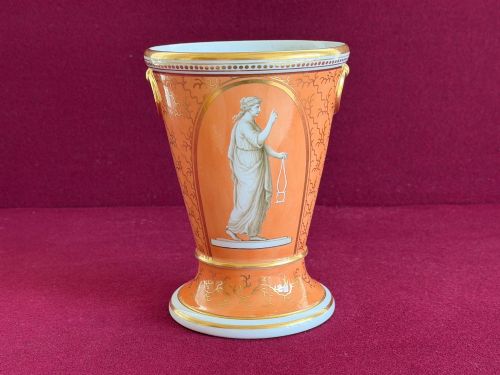
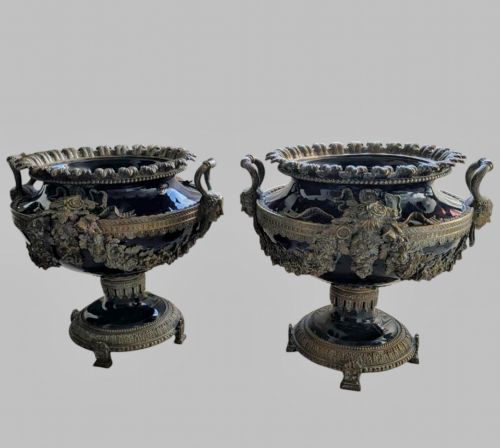
These gilded porcelain jardiniere pieces bring interior greenery to life with glazed ceramics, rich enamel colour, and gilt bronze mounts.
Gilded Porcelain Jardiniere
A gilded porcelain jardiniere sits on a table or stand, holding potted plants or cut flowers inside a decorative ceramic body. The forms range from simple cachepots to elaborate bough pots and centrepiece bowls supported by metal mounts.
The pieces seen here span the Georgian period through to the early twentieth century, taking in Victorian iterations and continental work. French Rococo Revival styles appear alongside English porcelain from Worcester and Coalport.
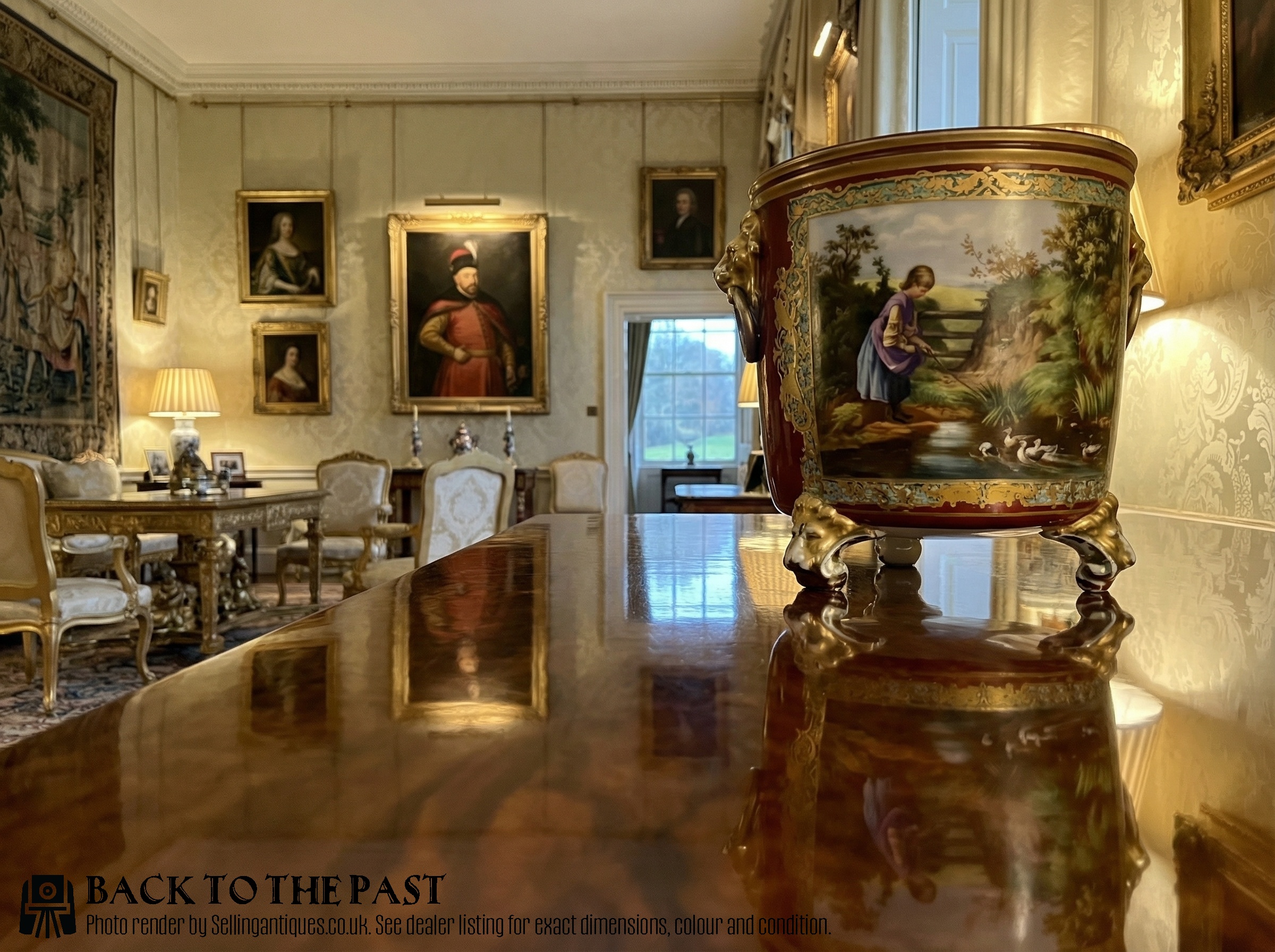
Buyers meet blue ceramic vessels, blush ivory glazes, and hand-painted scenes featuring figures at rustic fences. Ormolu mounts and kingwood stands frequently accompany the ceramic bodies in the nineteenth-century examples.
Materials and manufacture
Makers shaped hard or soft paste porcelain before applying white or coloured glazes, often embellishing the surface with hand-painted enamel decoration. Gold leaf and gilt bronze provide the metallic contrast seen across the period styles.
Cabinetmakers and metalworkers combined kingwood and ormolu to create stands and mounts that housed the porcelain plaques and planters. Kiln firing fixed the enamels and gilding to the ceramic body before final assembly.
Gilded Porcelain Jardiniere Retail Price Guide 2026
Typical asking prices for gilded porcelain jardiniere among the pieces listed under this phrase on Sellingantiques today, from the lower quarter to the upper quarter. They describe what is for sale here now, not the wider market.
Some nineteenth-century makers painted bucolic scenes of girls at rustic fences, ensuring your ferns share space with permanent rural drama.
Judging quality and execution
The crispness of the porcelain moulding and the delicacy of the hand-painted enamel work distinguish finer examples from standard production. Artisans who painted figurative scenes or intricate botanical details achieved a higher level of finish.
The integration of metal mounts, such as ormolu frames or cast handles, shows the standard of the workshop. Heavier bronze casting and carefully fitted kingwood cabinetry elevate the overall presence of the piece.
Flight and Barr·Barr Flight and Barr·Royal Worcester·Royal Doulton·Royal Crown Derby·Coalport
The Gilded Porcelain Jardiniere Glossary
- Jardiniere
- An ornamental pot or receptacle designed to hold plants or flowers. These vessels sit on tables or floor stands.
- Cachepot
- A decorative container used to conceal an ordinary flowerpot. The French term translates directly as hide-pot.
- Ormolu
- Gilded bronze used for furniture mounts and decorative hardware. The technique involves applying a gold amalgam to a bronze base.
- Bough pot
- A ceramic or metal vessel designed to hold cut branches and stems. They often feature pierced lids to keep stems upright.
- Kingwood
- A dense, richly figured timber utilised in fine cabinetmaking. It frequently appears in nineteenth-century French stands.
Gilded Porcelain Jardiniere: Frequently Asked Questions
What is a jardiniere used for?
These vessels hold potted plants or floral arrangements to display greenery within interior spaces. They act as decorative containers that elevate simple house plants.
Some forms include lids or liners to protect furniture surfaces from water damage. Others serve as centrepieces on large dining or entrance tables.
How do I clean a porcelain jardiniere?
Dust the glazed surface gently with a soft, dry cloth to remove everyday particles. Avoid harsh chemical cleaners that can damage enamel paintwork or strip gold leaf.
Take care around metal mounts like ormolu, keeping moisture away from joined areas. Use a damp cloth only where strictly necessary on durable ceramic glazes.
Are these pieces waterproof?
Many antique porcelain planters lack modern waterproof glazes on interior bases. Moisture can seep through hairline fractures in older ceramic bodies over time.
Use a secondary plastic or metal liner inside the vessel to hold water and soil safely. This practice protects the historic ceramic from mineral deposits and staining.
How do I date a porcelain jardiniere?
Examine the base for factory marks, painted ciphers, or impressed stamps that indicate specific manufacturing eras. Stylistic clues like Rococo Revival scrolls or Victorian blush ivory glazes point to particular decades.
The presence of ormolu mounts and secondary timbers like kingwood helps narrow down nineteenth-century French production periods.