

Decorative Porcelain Vessel
When you search for a decorative porcelain vessel, you enter a diverse field of ceramic art spanning centuries of global craftsmanship.
Decorative Porcelain Vessel
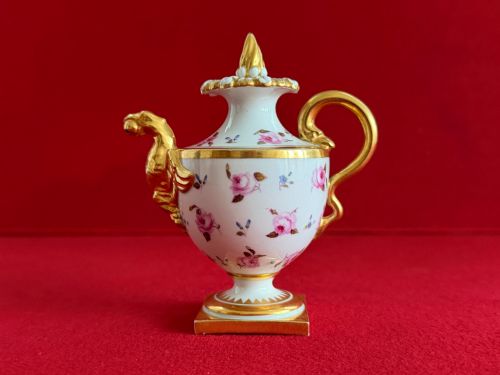
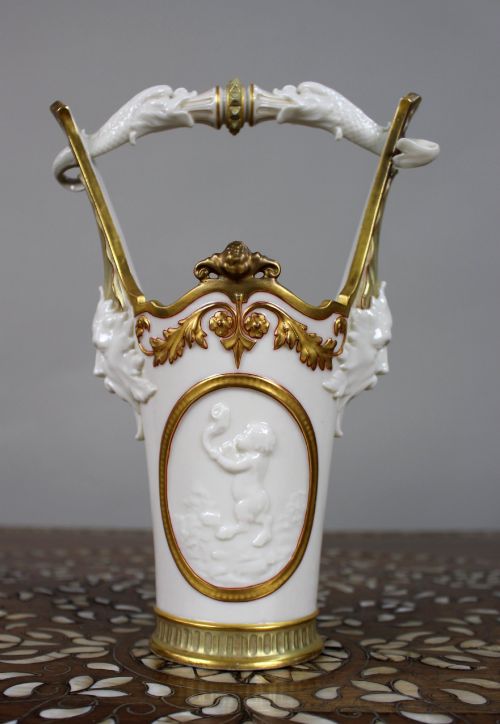
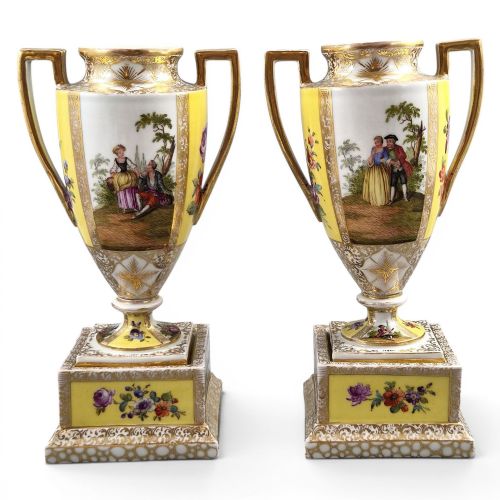
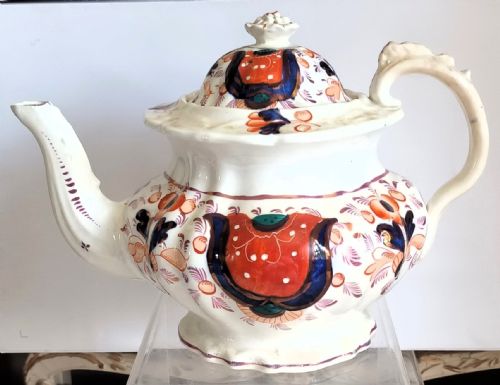
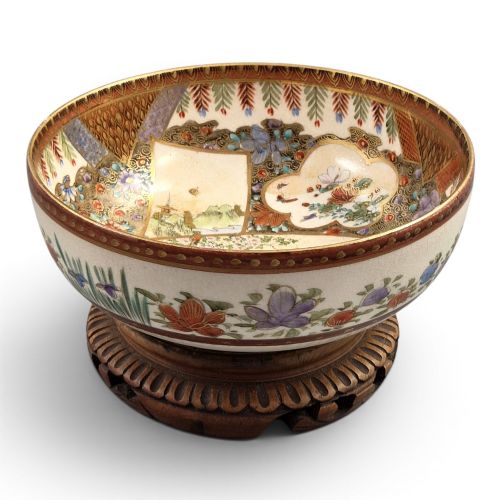
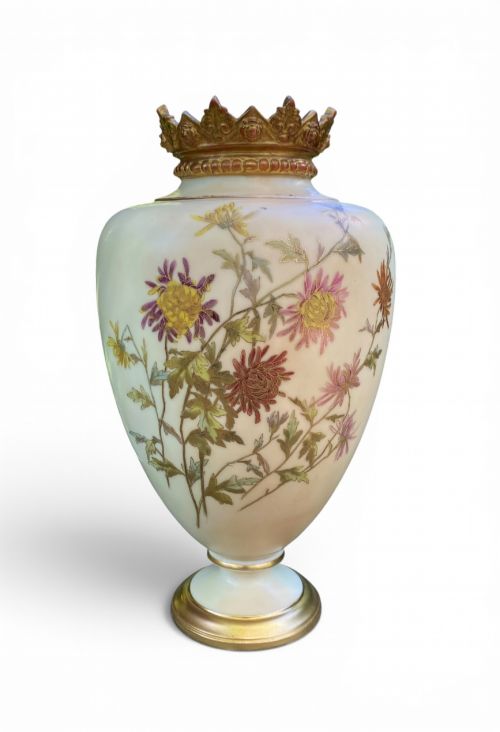
A decorative porcelain vessel encompasses a wide array of ceramic objects designed for display rather than utility, including vases, urns, ginger jars, and bowls. These pieces emerge from both British factories and Asian traditions, reflecting various historical periods from the Regency era through the early twentieth century.
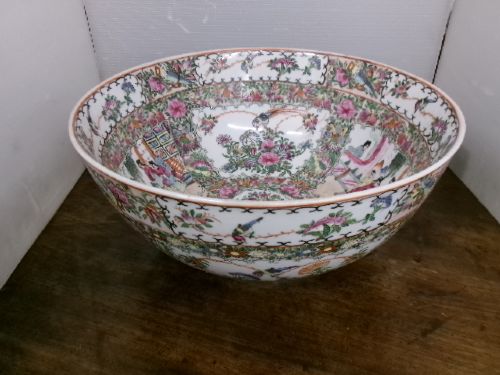
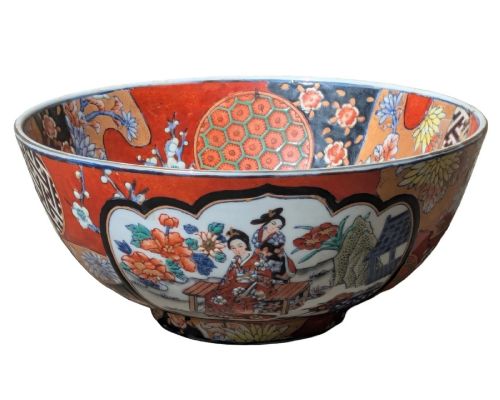
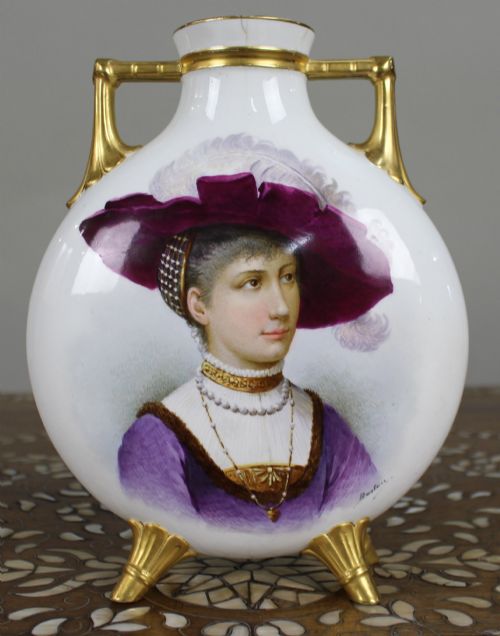
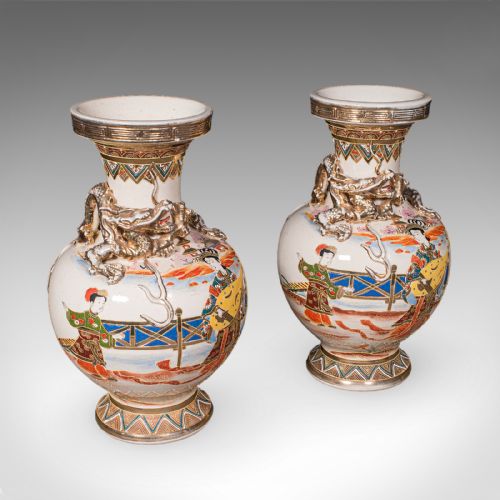
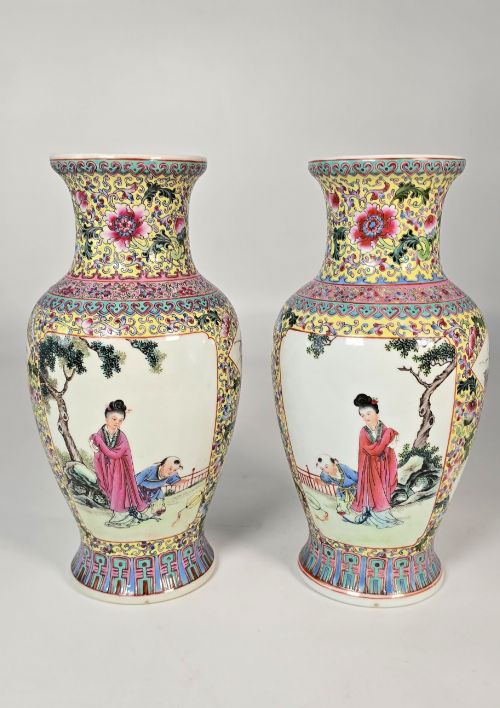
You will frequently encounter nineteenth-century pieces alongside early twentieth-century examples on this page. The forms range from classical campagna urns and moon flasks to Japanese satsuma vases and Chinese famille rose bowls.
Materials and methods
Makers utilised ceramic bodies formed from porcelain, earthenware, and pottery, shaping them into baluster, globular, or conical silhouettes. These structures served as the foundation for intricate surface work.
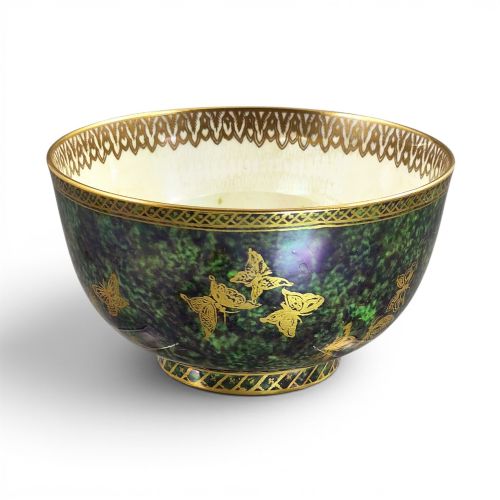
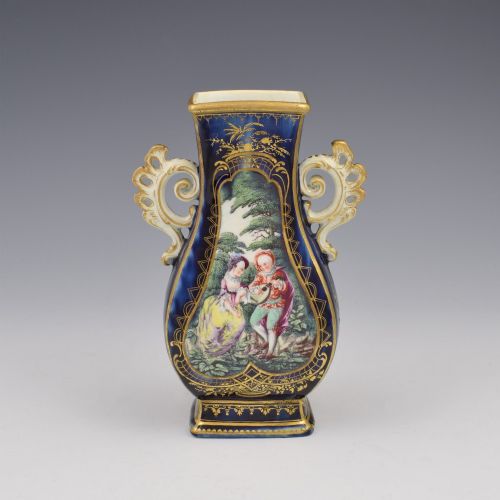
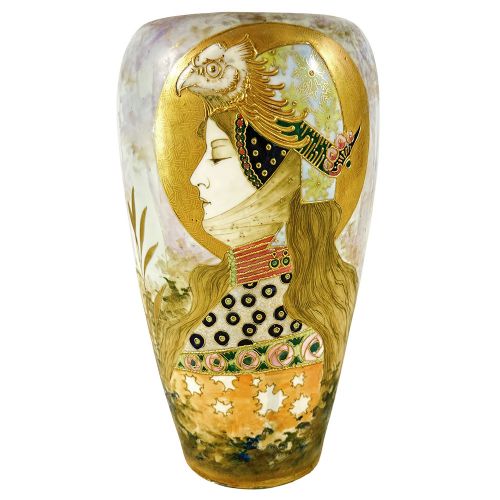
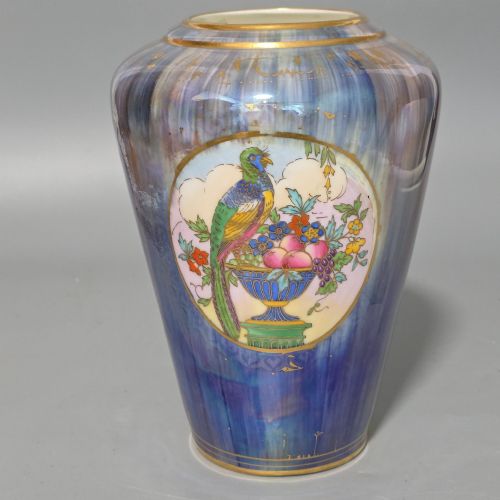
Craftsmen applied glaze, enamel, gold leaf, and gilding to decorate the surfaces. Hand painting frequently brought floral, figural, and abstract motifs to life across the pottery.
Parrots, butterflies, and storks occasionally peer out from the painted surfaces of these antique vessels.
Judging quality in ceramics
Quality rests in the precision of the hand painting and the crispness of the modelled form. Superior pieces demonstrate meticulous brushwork in enamels and gilding, while lesser examples show hurried execution.
The reputation of the maker or pottery and the clarity of any signature or crest also elevate a piece. Artisans who painted detailed scenes or applied specialised glazes achieved enduring distinction.
Flight Barr and Barr·Royal Worcester·Helena Wolfsohn·Nicholas Kannhauser·Samuel Alcock and Co
The Decorative Porcelain Vessel Glossary
- Baluster
- A tall vase or vessel shape that swells toward the bottom and tapers near the top. This classic silhouette provides a stable and balanced canvas for intricate painted scenes.
- Famille rose
- A Chinese porcelain palette dominated by opaque pink or rose enamel colours. Introduced in the Qing dynasty, it allowed artists to achieve subtle tonal gradations in floral and figural subjects.
- Imari
- A style of Japanese export porcelain characterised by underglaze blue, iron red, and added gold. These rich combinations create vibrant patterns that repeat across bowls and vases.
- Jardiniere
- A large ornamental pot or receptacle designed to hold plants or flowers. They often sit on low bases and feature prominent handles or relief decoration.
- Moon flask
- A flattened circular flask with a short neck and two loop handles. Originating in ancient metalwork, this form challenges ceramicists to maintain symmetry during firing.
Decorative Porcelain Vessel: Frequently Asked Questions
What is a decorative porcelain vessel?
A decorative porcelain vessel is an ornamental ceramic object made for display, encompassing forms like vases, bowls, urns, and ginger jars.
These items range from nineteenth-century British porcelain to Japanese satsuma ware and Chinese export pieces.
How were these vessels used historically?
Many of these pieces served purely as decorative centrepieces in grand interiors, mantel ornaments, or potpourri containers.
Some specialised forms, such as rose water sprinklers or apothecary jars, retained a functional root before becoming purely ornamental.
How do I identify the period of a piece?
Period identification relies on examining the specific ceramic body, glaze characteristics, and decorative style alongside any factory marks.
Signatures, crests, and known operational dates of makers help narrow down the decade of production.
How should I care for antique porcelain?
Antique porcelain requires gentle handling and placement away from direct sunlight and areas subject to sudden temperature shifts.
Dusting with a soft, dry cloth preserves the fragile hand-painted enamel and gilded surfaces without risking abrasion.