

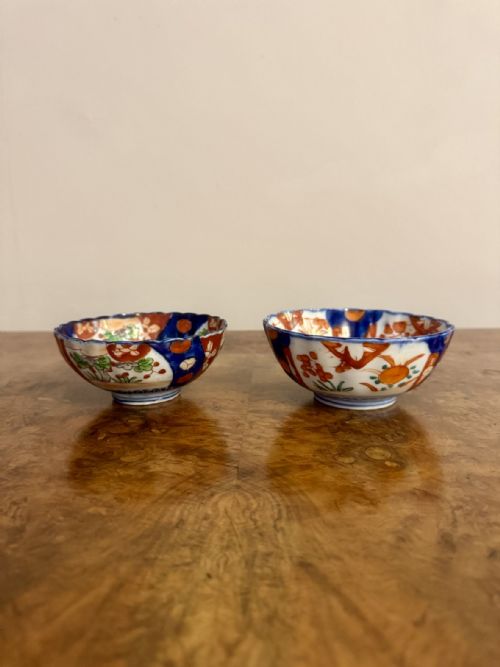
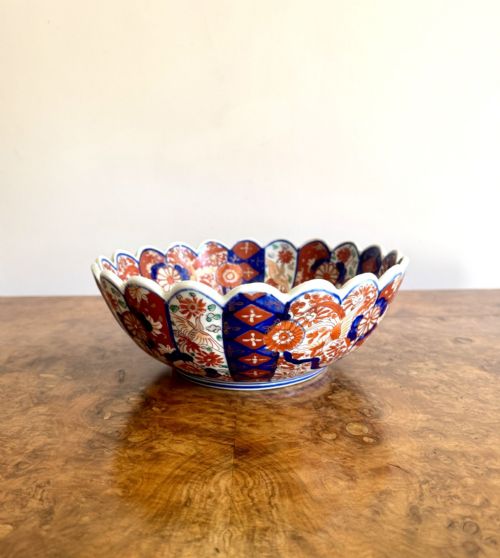

Cobalt Blue Decorative Bowl
A cobalt blue decorative bowl brings deep, striking colour to a room, offering both traditional craftsmanship and enduring visual appeal.
Cobalt Blue Decorative Bowl
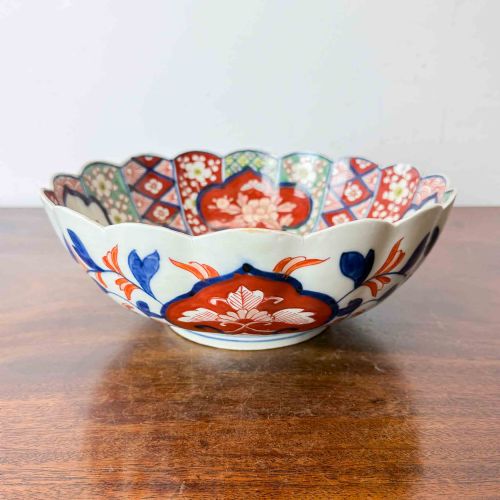
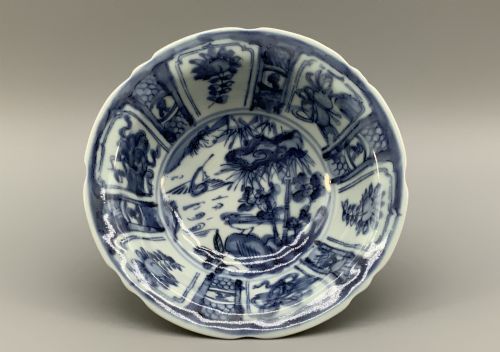
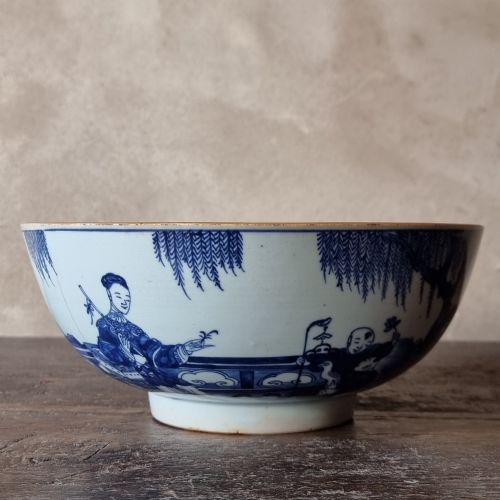
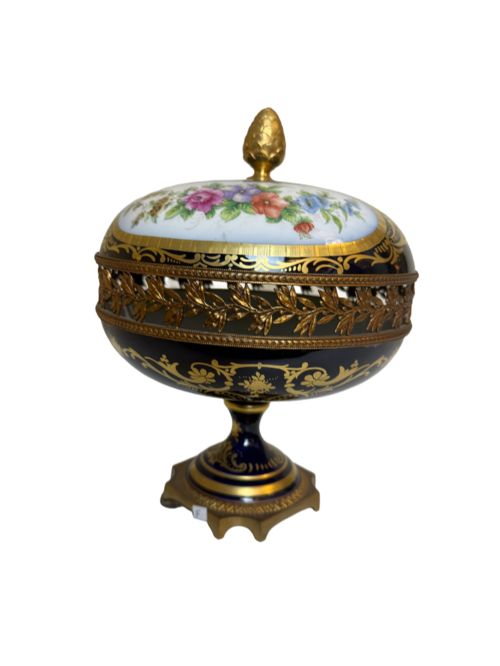
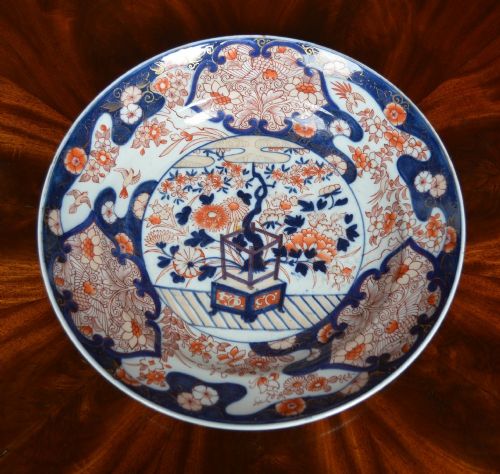
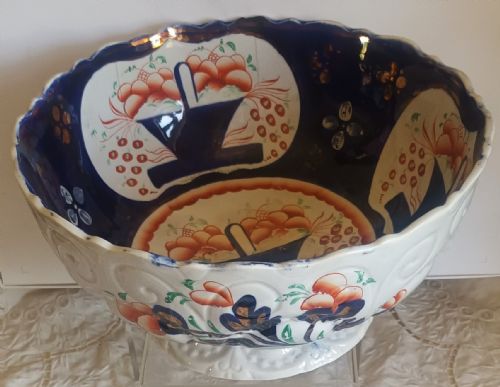
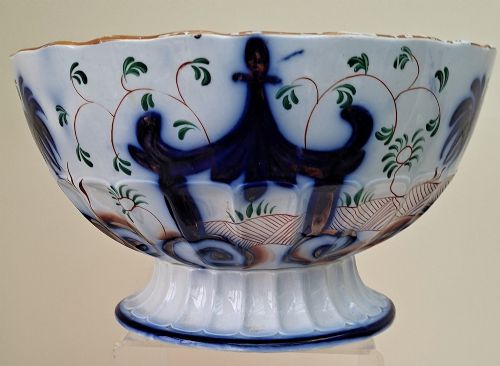
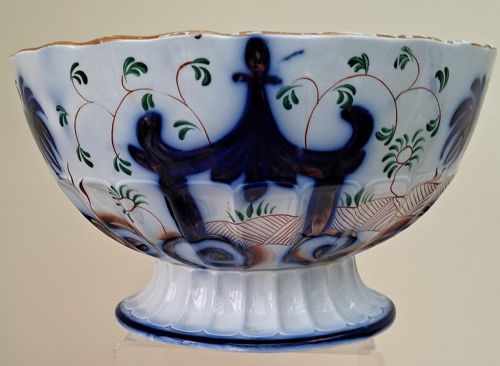
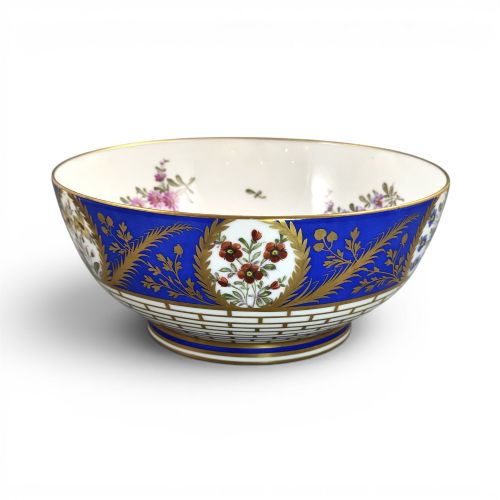
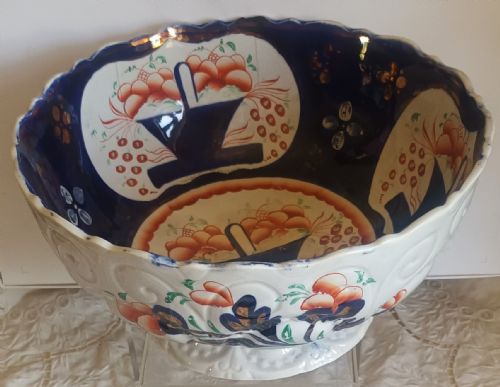
When searching for a cobalt blue decorative bowl, a buyer encounters a diverse selection of ceramics spanning multiple centuries and origins. The most common forms on this page include Japanese Imari pieces from the nineteenth century and early twentieth century, alongside Chinese porcelain and various European earthenware vessels.
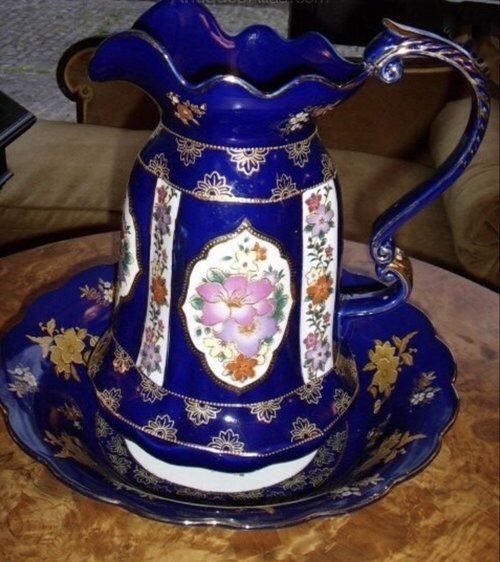
These items range from footed centrepiece bowls and scalloped display dishes to large punch bowls and washstand sets. The unifying characteristic across these varied styles is the rich blue pigment utilised beneath or within the glaze.
Originating from periods such as the Qing Dynasty, the Meiji period, and the Victorian era, these objects served various functions from formal dining display to domestic decoration. Buyers find everything from small patterned bowls to large hexagonal centrepieces reflecting distinct cultural aesthetics.
How they were made
Potters and artisans produced these vessels using porcelain, earthenware, and ironstone, shaping them into bowls, dishes, and comports. Cobalt glaze provided the deep blue foundation, applied by hand before firing.
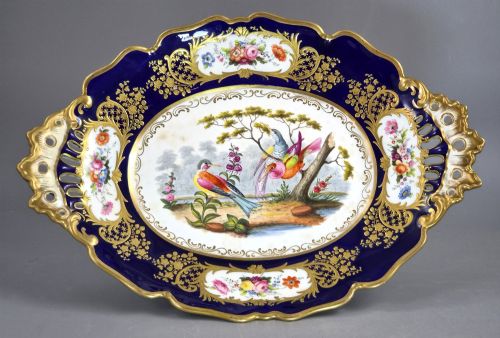
Many pieces incorporate gold leaf, gilding, or enamel details over the glaze to accentuate floral, bird, or architectural motifs. Japanese Imari and Chinese export wares typically combined this intense blue pigment with iron red and gilt highlights.
European factories employed comparable techniques, utilising cobalt blue glazes on majolica, faience, and transfer-printed pottery. Artisans painted motifs directly onto the ceramic body or applied them beneath a clear glossy coating.
Listings feature items spanning the eighteenth, nineteenth, and early twentieth centuries, including Edwardian and Art Deco periods.
What varies in quality
The sophistication of the hand-painted brushwork dictates the distinction between standard production items and superior examples. Fine pieces display crisp lines, detailed floral or figurative motifs, and precise control over the cobalt pigment during firing.
The application of gilding and enamel highlights also separates simpler domestic items from exhibition pieces. Superior bowls often feature rich gold leaf accents that remain bright and intact across intricate scalloped or fluted edges.
Form and proportion influence the standing of a vessel, with symmetrical potting and well-balanced foot rims indicating superior craftsmanship. Pieces bearing recognised signatures or attributable to notable potteries command greater attention from collectors.
Coalport·Samson Paris·Doulton Burslem·Kinkozan Kyoto·Maling·Gien·Sevres·Mason Ironstone·Moorcroft·Wedgwood
The Cobalt Blue Decorative Bowl Glossary
- Cobalt Glaze
- A deep blue ceramic colouring agent containing cobalt oxide that withstands high kiln temperatures without losing its intensity. This glaze forms the primary visual anchor for many traditional decorative vessels.
- Imari
- A style of Japanese porcelain exported from the port of Imari, typically featuring cobalt blue, iron red, and gilt decoration. These pieces often present complex floral and panel designs on white porcelain bodies.
- Punch Bowl
- A large, deep vessel originally designed for mixing and serving communal drinks during social gatherings. In ceramic form, these bowls often feature wide diameters and hand-painted interior motifs.
- Centrepiece Bowl
- A large decorative vessel placed at the centre of a table or sideboard for visual effect. These pieces frequently incorporate footed bases and elaborate scalloped rims.
- Gilding
- The application of gold leaf or powdered gold paint to the surface of ceramic objects to create metallic highlights. This technique often emphasises the rims and handles of fine porcelain dishes.
Cobalt Blue Decorative Bowl: Frequently Asked Questions
How do I date an antique Imari bowl?
Dating an Imari bowl involves examining the quality of the porcelain body, the depth of the cobalt blue tone, and the characteristics of the iron red and gilt highlights. Nineteenth-century examples often exhibit heavier potting and distinct hand-painted variations compared to later twentieth-century production.
Examining the foot rim for wear and observing the style of any painted marks helps place the piece within periods such as the Meiji era. Comparing the complexity of the panel designs also assists in determining the approximate decade of manufacture.
What is the difference between porcelain and earthenware bowls?
Porcelain is fired at a higher temperature, resulting in a vitrified, non-porous ceramic body that often produces a clear ringing sound when struck gently. Earthenware is fired at lower temperatures, yielding a more porous material that requires an opaque glaze, such as tin or lead glazes, to hold liquids.
In decorative bowls, porcelain allows for thinner walls and finer painted details, whereas earthenware often provides a heavier, more tactile form with rich surface textures. Both materials support cobalt blue decoration, though the visual depth differs significantly between the two.
How were large punch bowls used historically?
Historical punch bowls held mixed beverages containing spirits, citrus, water, and spices during social assemblies and dining occasions. Servants placed these large vessels centrally on tables so guests could ladle portions into individual cups.
Beyond dining use, these bowls functioned as display items on sideboards when not serving drinks. Their expansive interior surfaces provided artisans with ample space for elaborate hand-painted cobalt blue motifs.
Can I use an antique decorative bowl for food?
Using an antique decorative bowl for serving food depends on the glaze stability and the potential presence of lead or other heavy metals in older ceramic compositions. Many nineteenth-century and earlier pieces are intended strictly for display rather than culinary use.
Thermal shock from hot foods can also compromise delicate antique porcelain and earthenware bodies that have aged over centuries. Keeping these items to dry display preserves their surface glazes and structural integrity.
How do I display a footed centrepiece bowl safely?
Displaying a footed centrepiece bowl requires a stable, level surface away from heavy household traffic where accidental knocks might occur. Placing the vessel on a sturdy sideboard or table ensures the elevated base bears the weight evenly.
Direct sunlight should be avoided to prevent any degradation of enamel highlights or gilt decorations over time. Ensuring adequate clearance around the rim protects the scalloped or lobed edges from accidental impact.