




Antique Coalport Porcelain
Antique coalport porcelain brings together fine British ceramic history and delicate hand-painted motifs for the discerning collector.
Identifying Antique Coalport Porcelain
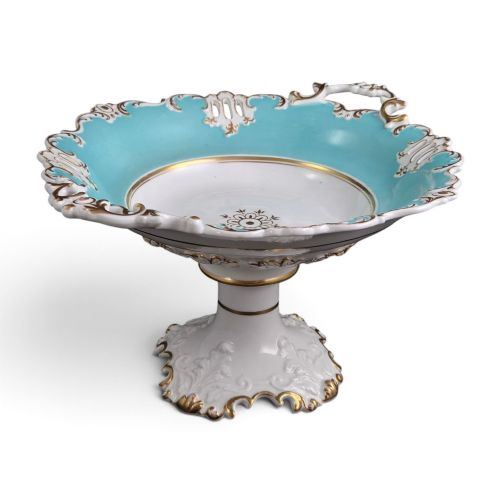
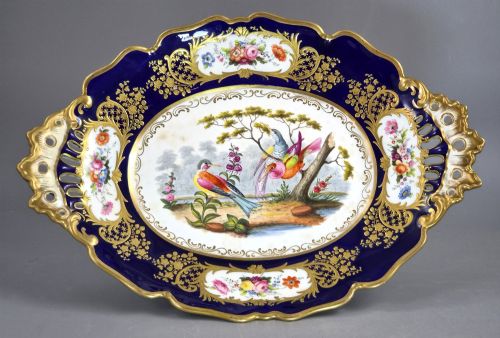
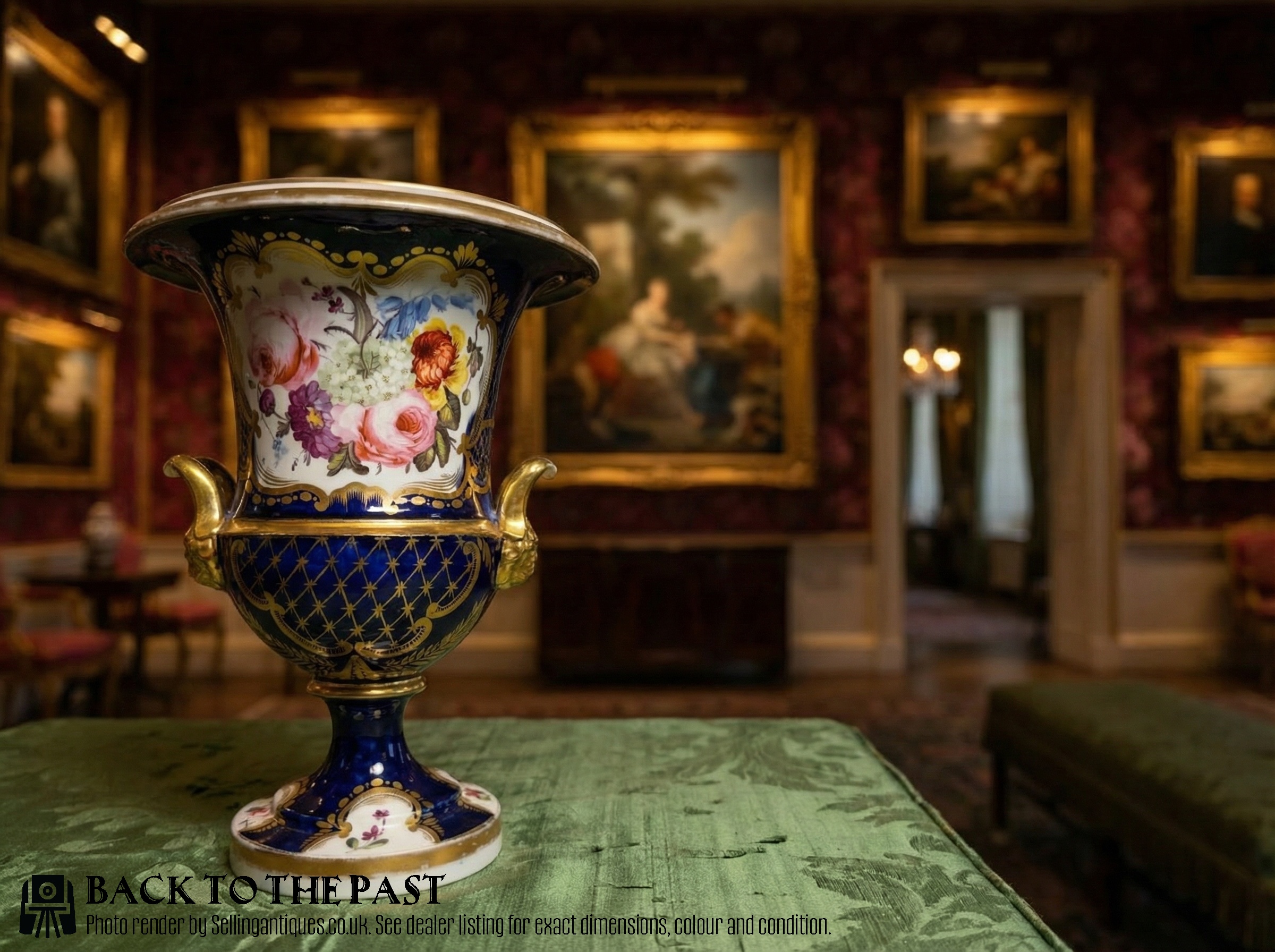
You are most likely to meet Victorian pieces, alongside Georgian examples and twentieth-century items. Forms vary from cobalt blue oval dishes with fancy birds to Campagna urns, jardiniers, and cabinet plates featuring hand-painted scenes such as Lake Menteith.
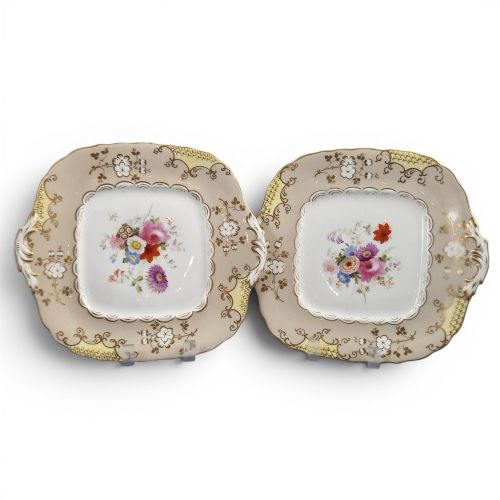
The objects reflect specific eras of British manufacturing, demonstrating shifts from Regency elegance through Victorian Rococo Revival to later decorative forms. Each piece carries the distinct aesthetic of its period, whether designed for ornamental display or functional use at tea.
Materials and Manufacture
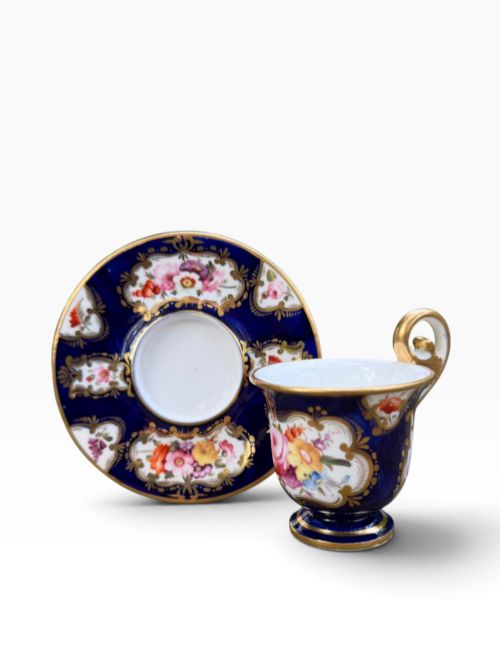
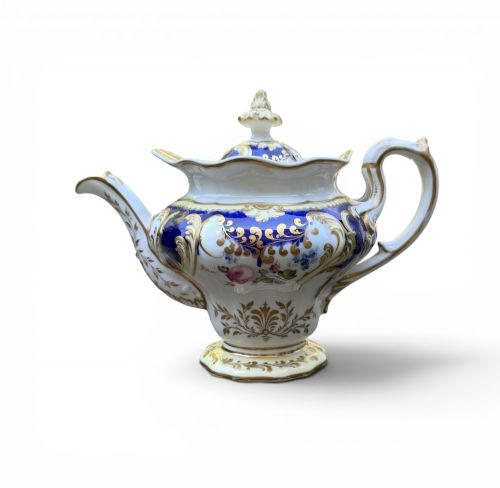
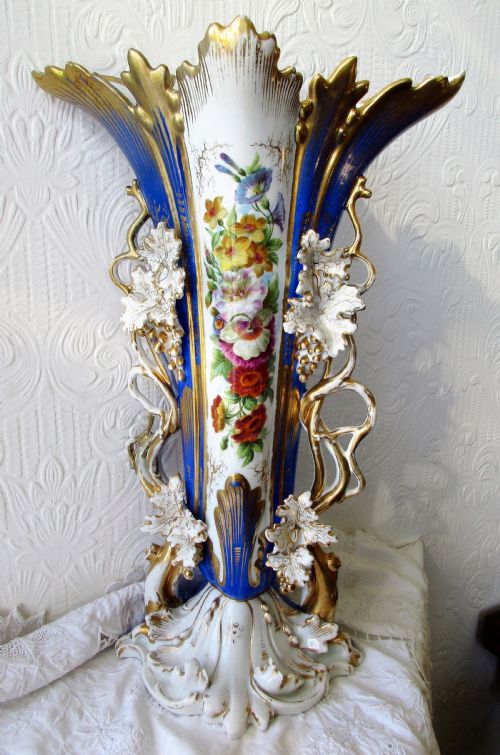
These pieces are fashioned from fine porcelain, often enriched with detailed hand-painting and polychrome enamel work. Artisans applied rich cobalt blue grounds and intricate patterns to surface bodies.
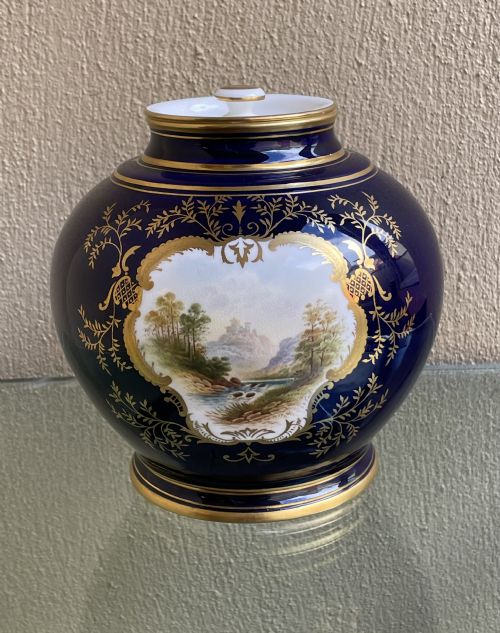
Decoration frequently incorporates gold leaf and delicate gilding to highlight rims, handles, and pictorial panels. Many items showcase meticulous hand-painted scenes, ranging from British landscapes like Kilchurn Castle to exotic fancy birds.
The physical construction balances decorative ambition with technical ceramic skill, utilising traditional firing and glazing methods across the Georgian, Victorian, and later periods.
Materials documented across the inventory include porcelain, enamel, gold leaf, and traditional gilding.
Assessing Quality and Merit
Quality in these ceramics rests upon the precision and artistic ambition of the hand-painting. Pieces featuring named views, such as the Hampton Boat or Lake Menteith, demand attention for their pictorial skill.
The application of gilding and enamel work dictates the refinement of a piece. Rich cobalt blue grounds paired with dense, unrubbed gold leaf separate standard domestic items from superior cabinet pieces.
The Antique Coalport Porcelain Glossary
- Porcelain
- A hard, white, vitrified ceramic material fired at high temperatures. It forms the base body for all pieces on this page.
- Campagna Urn
- A classical bell-shaped vessel on a pedestal base, popular for decorative display during the nineteenth century. This form echoes ancient Roman bronze models.
- Gilding
- The application of gold leaf or gold dust to the ceramic surface. It is used extensively to accent handles, rims, and pictorial borders.
- Cabinet Plate
- A decorative ceramic plate intended for display in a cabinet rather than for dining use. These often feature elaborate hand-painted landscapes or birds.
Frequently Asked Questions
What is antique coalport porcelain?
Antique coalport porcelain refers to ceramic items produced by the Coalport manufactory in Shropshire, England. The factory earned renown for producing decorative dishes, urns, tea wares, and cabinet plates.
Surviving pieces reflect changing British tastes across the Georgian and Victorian eras. They showcase sophisticated painting, gilding, and moulding techniques.
How do I identify a Coalport piece?
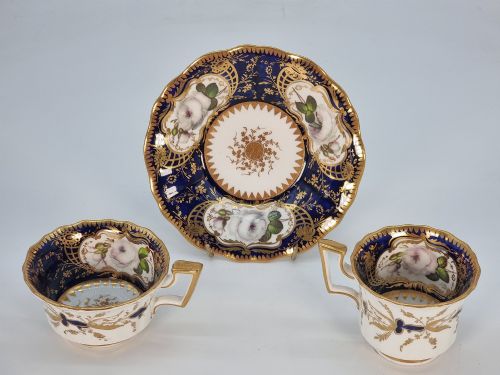
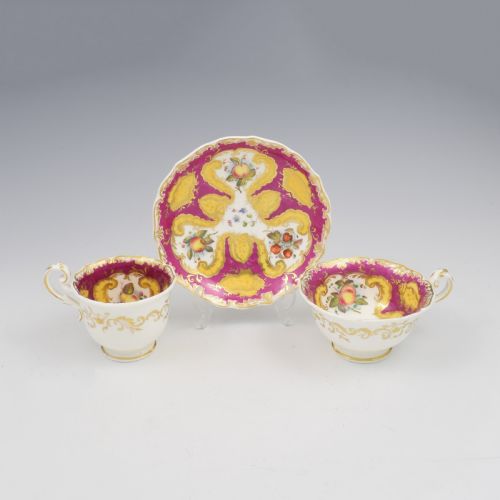
Identification relies on stylistic cues, pattern numbers, and occasionally painted or impressed factory marks. The forms range from campagnas to jardiniers and cabinet trios.
Many items feature distinct hand-painted subjects like British scenery or exotic birds. Comparing decorative motifs with documented archive pieces helps confirm origin.
How should I display these porcelain items?
Display these ceramics in stable environments away from direct sunlight to protect enamel colours and delicate gilding. Cabinet plates and cabinet trios suit enclosed display shelving.
Larger items like urns and jardiniers work well on sturdy side tables or mantels. Ensure they sit safely away from heavy household traffic.
Are these pieces suitable for daily use?
Most antique porcelain pieces on this page are intended for collection and display rather than heavy everyday dining. Historic tea cups, saucers, and cabinet plates require gentle handling.
Hand washing in lukewarm water with mild soap is necessary when cleaning is required. Avoid dishwashers and harsh abrasive materials entirely.