

Antique Plant Pot
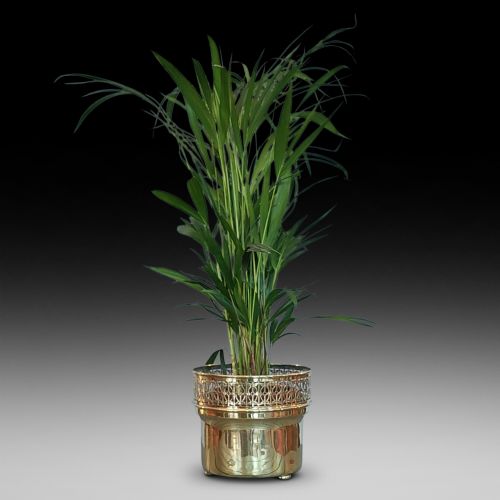
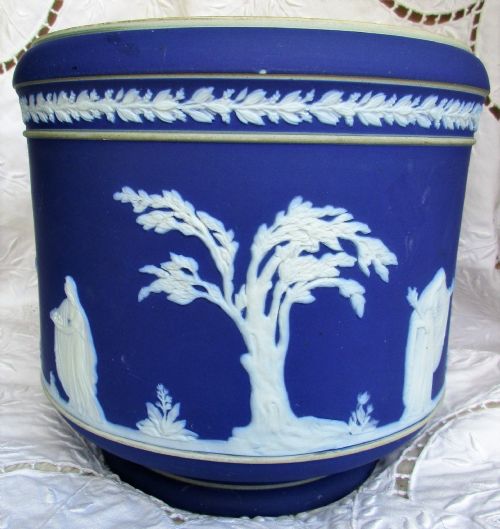
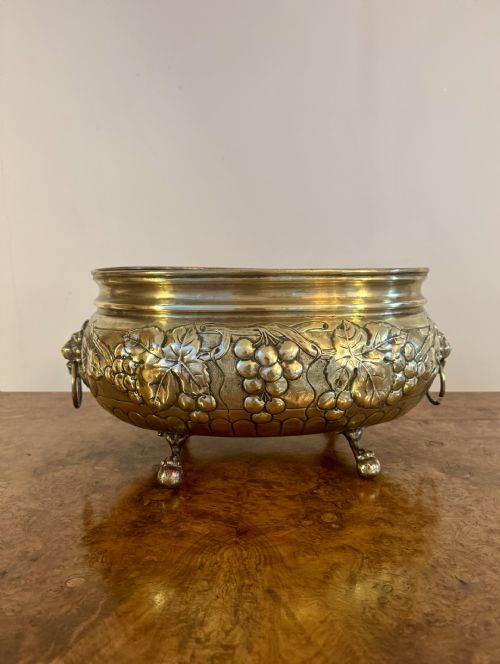
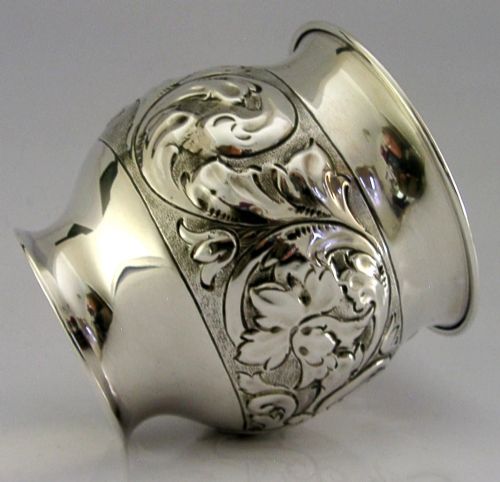
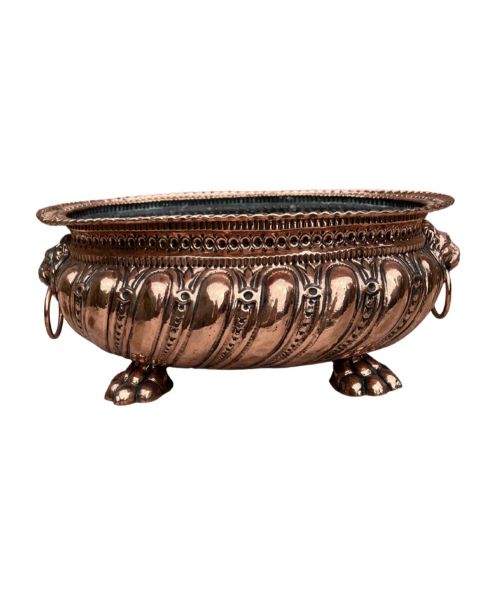
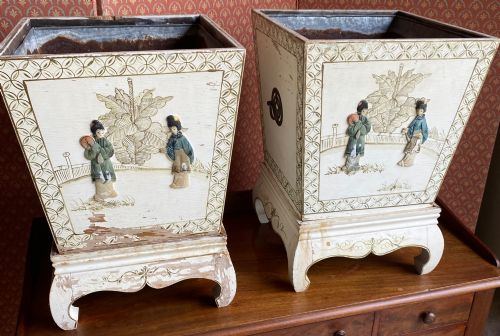
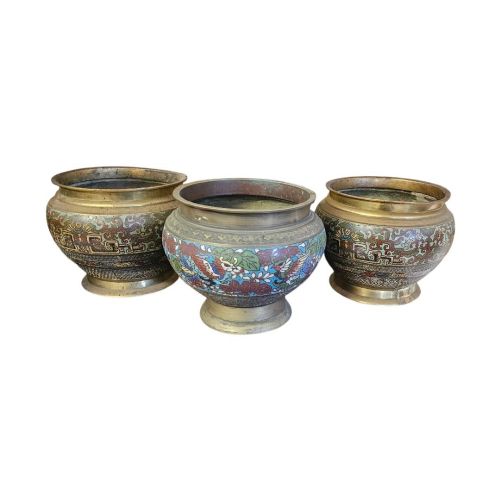
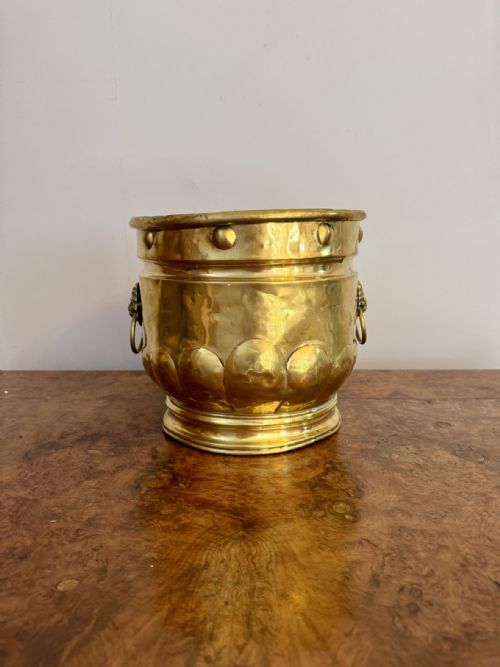
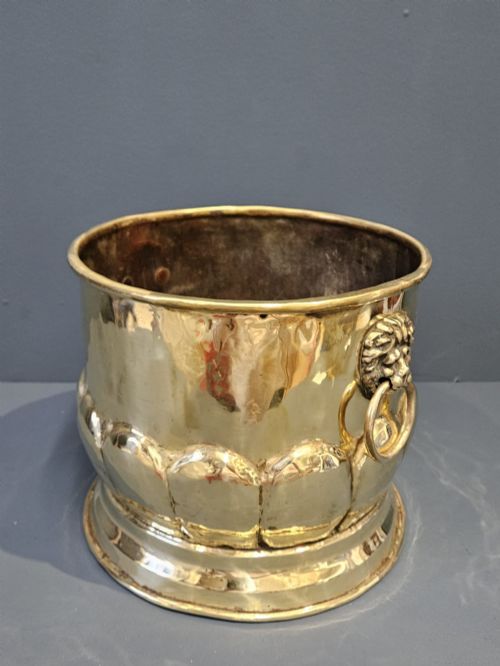
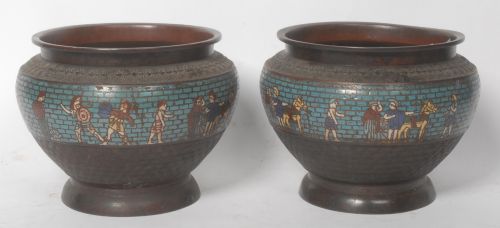
When you search for an antique plant pot, you uncover vessels designed to hold greenery, ranging from heavy brass jardinieres to carved timber plant stands.
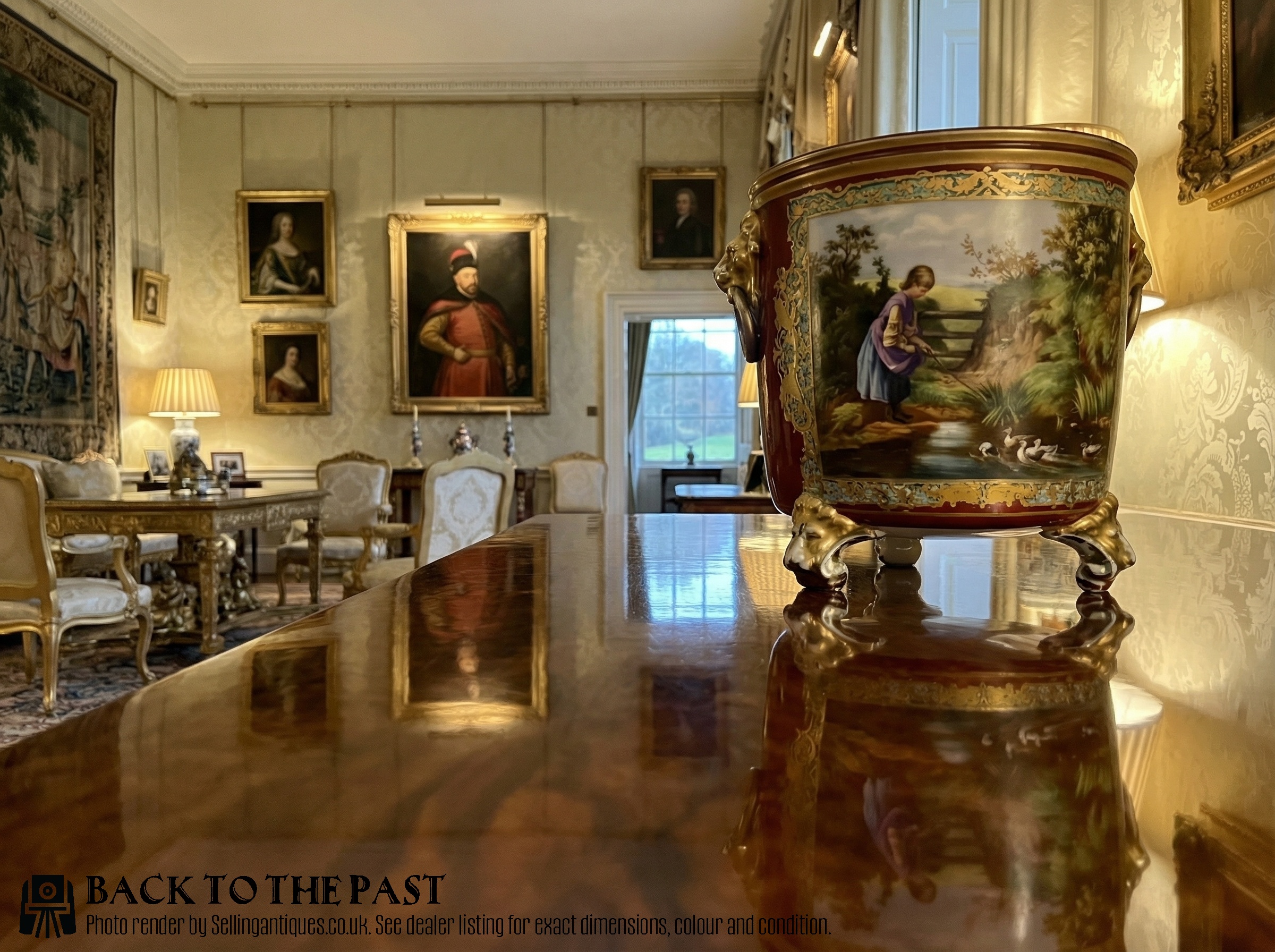
Antique Plant Pot
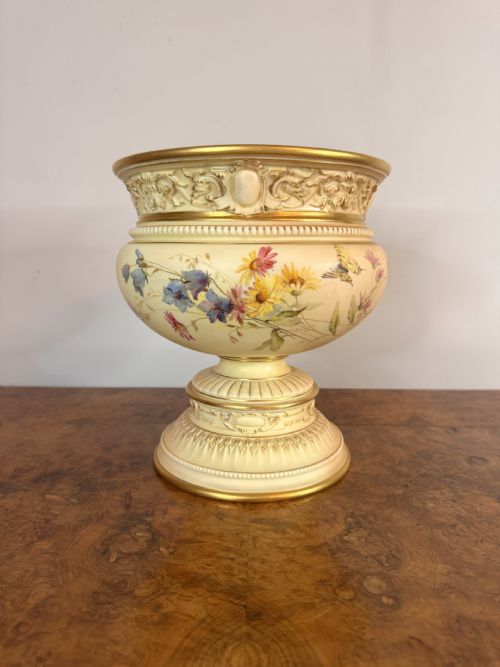
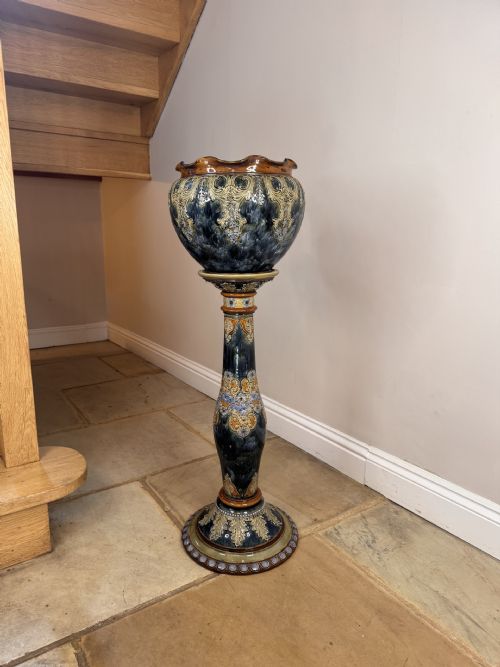
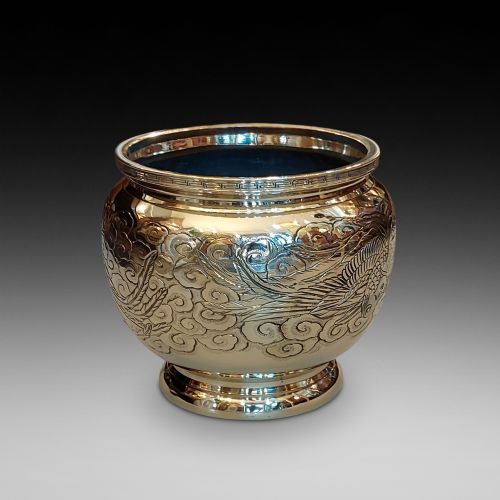
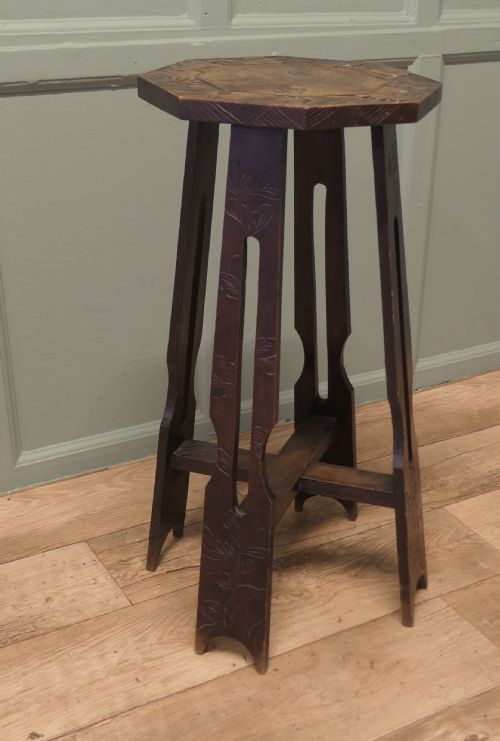
The antique plant pot category embraces a broad sweep of functional vessels designed to display indoor foliage and garden displays. Buyers encounter everything from floor-standing plant pedestals to tabletop ceramic cachepots and heavy metal jardinieres.
Vessels span multiple centuries and stylistic traditions, including Victorian and Edwardian brass work, Arts and Crafts oak stands, and imported porcelain. Many items blur the line between indoor display pots and hardy outdoor garden urns or troughs.
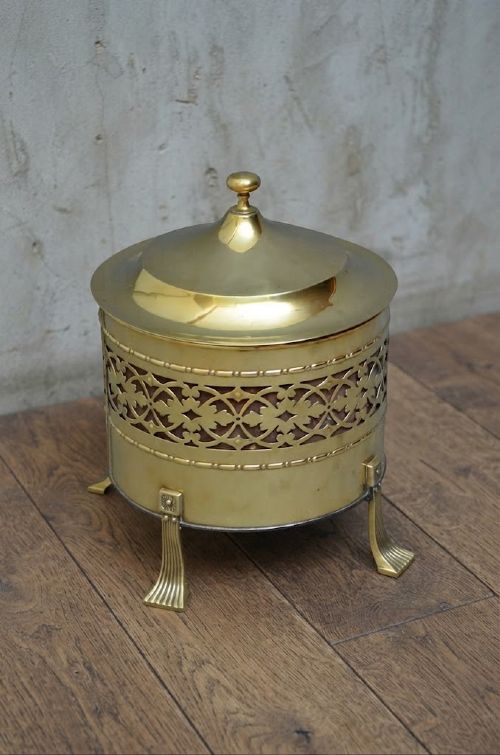
The most common survivals on the market date from the nineteenth and early twentieth centuries. These encompass utilitarian terracotta, copper coal buckets repurposed as planters, and decorative ceramic bowls made for domestic parlours.
What varies in quality
Quality rests upon the weight of the metal gauge, the crispness of moulded or hand-carved details, and the preservation of original surfaces like paint or patinated copper. Finer examples display deliberate craftsmanship, such as cleanly pierced fretwork, intricate marquetry, or well-defined crests.
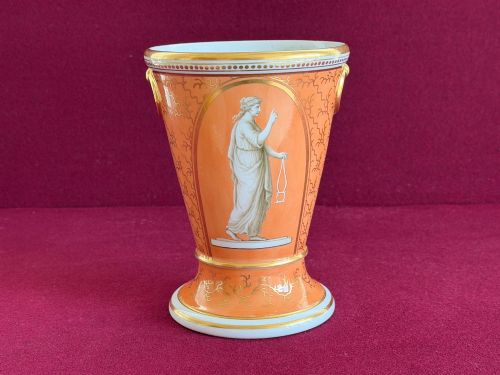
The pedigree of the maker or pottery elevates certain ceramic and porcelain pieces above standard domestic wares. Artisans working for established names applied higher artistic standards in glaze formulation, hand painting, and structural joinery.
Antique Plant Pot Retail Price Guide 2026
Typical asking prices for plant pot among the pieces listed under this phrase on Sellingantiques today, from the lower quarter to the upper quarter. They describe what is for sale here now, not the wider market.
Some Victorian gardeners used large terracotta rhubarb forcers as unusual forcing pots in the kitchen garden.
Flight & Barr Worcester·Minton Majolica·Doulton Lambeth·Royal Doulton·Henry Loveridge·William Adams & Sons·W.A. Adderley·Liberty of London
The Antique Plant Pot Glossary
- Jardiniere
- A large ornamental pot or stand for holding flowers and plants, typically ceramic or metal. These vessels often sit on floors or low tables within a room.
- Cachepot
- An ornamental pot used to hold an ordinary flowerpot and conceal the drainage saucer. The term derives from the French for hidden pot.
- Plant Stand
- A tall piece of furniture designed to elevate a potted plant. They appear in wood, bamboo, and metal across various historical periods.
- Majolica
- A type of earthenware glazed with tin enamel and painted with colourful metal oxide designs. It gained popularity during the Victorian era for decorative planters.
- Transferware
- Pottery decorated by applying a printed design from an engraved copper plate to the ceramic surface. This technique created intricate blue and white patterns on cachepots.
Antique Plant Pot: Frequently Asked Questions
What is the difference between a jardiniere and a cachepot?
A jardiniere usually acts as the primary container for soil and plants, while a cachepot serves as an outer sleeve to hide a plain plastic flowerpot.
Both items fulfill similar decorative functions in period interiors, though jardinieres tend to be larger and heavier.
How were antique plant stands used in period homes?
Victorian and Edwardian households positioned plant stands in bay windows, hallways, and corners to display ferns and exotic palms.
They lifted foliage off cold floors and introduced vertical variety into domestic interior decoration.
Can I use antique metal planters outdoors?
Many copper, brass, and cast iron vessels were made for heavy domestic use or garden displays, but historical pieces require care against weathering.
Placing a modern liner inside protects fragile antique metal and prevents moisture damage to the original material.
How do I identify a Victorian plant pot?
Victorian pieces often feature characteristic design motifs such as Gothic revival shields, heavy cast iron feet, majolica glazes, or elaborate brass fretwork.
Examining the materials and construction methods helps distinguish these nineteenth-century items from later reproductions.