


Old Paris Porcelain
Old paris porcelain represents the height of French decorative ceramics, offering buyers exquisite hand-painted details and rich gilding from past centuries.
Old Paris Porcelain
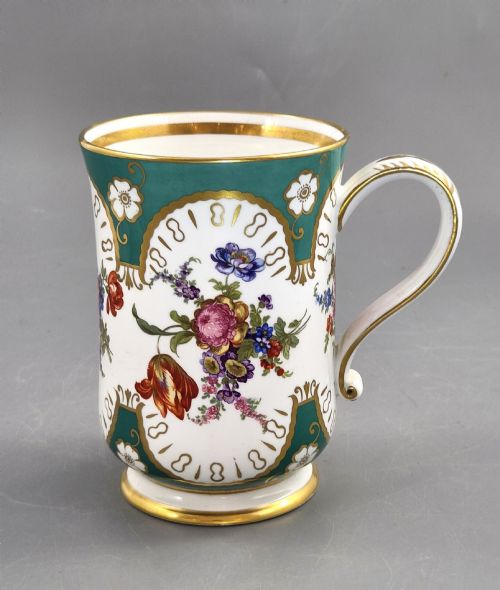
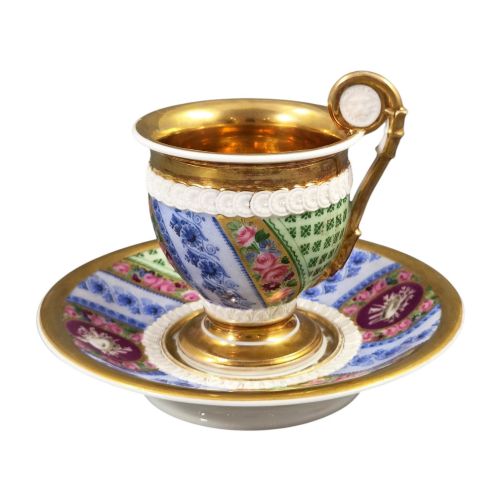
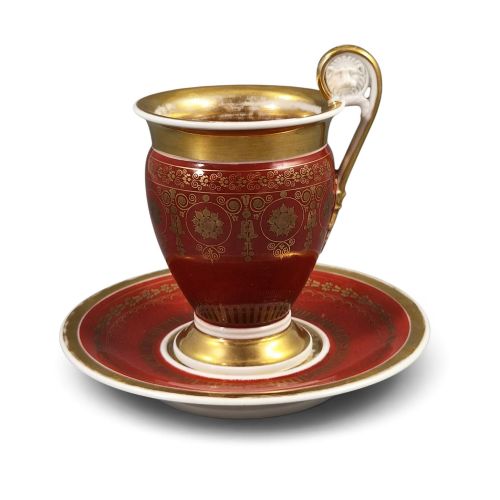
Old paris porcelain encompasses a diverse range of decorative and functional ceramics produced across various independent workshops in and around Paris during the eighteenth and nineteenth centuries. When exploring this category, buyers frequently encounter distinctive items such as cabinet cups and saucers, vases, and detailed figurines originating from periods like the Georgian and Victorian eras.
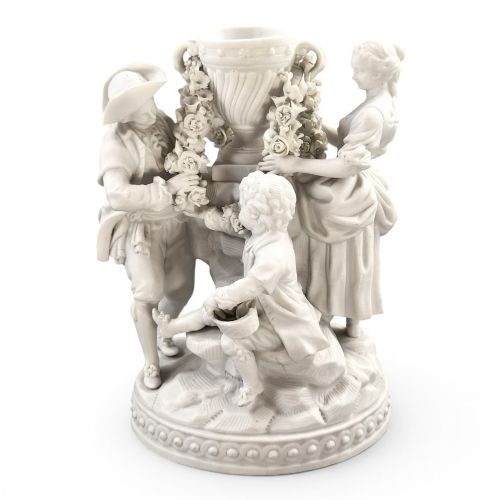
The objects span multiple stylistic movements, including French Empire, French Rococo Revival, and Neoclassical designs. Many pieces display specific forms like lion mask handles, green ground colourways, and elaborate sculptural groups adorned with floral garlands.
Surviving examples reflect the output of both anonymous studios and documented factories operating throughout the nineteenth century. These ceramics serve primarily as decorative focal points or cabinet display pieces rather than everyday tableware.
How They Were Made
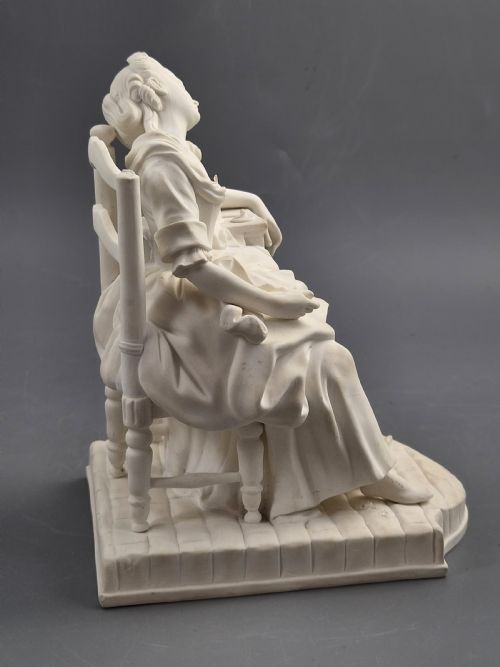
Production relied heavily upon hard-paste porcelain and biscuit porcelain bodies, which provided a durable and smooth foundation for subsequent decoration. Biscuit porcelain offered an unglazed, matte finish ideal for sculptural figures, while hard-paste formulations supported complex vessel shapes like vases and cache-pots.
Artisans applied hand-painted enamels alongside generous amounts of gold leaf and gilding to accentuate sculptural reliefs and surface motifs. Bronze mounts were occasionally integrated into specific cache-pots to enhance the overall structural presence of the decorative object.
Listings feature hard-paste porcelain, biscuit porcelain, and parian porcelain across the nineteenth century.
What Varies in Quality
The structural ambition of the piece also dictates its standing, distinguishing simpler utilitarian vessels from complex sculptural groups, biscuit porcelain figures, and large-scale vases with intricate handles or bronze mounts.
La Coutille Factory·Jacob Petit·Jean-Pierre Feuillet
The Old Paris Porcelain Glossary
- Hard-Paste Porcelain
- A durable ceramic composition fired at high temperatures, consisting of kaolin and petuntse. This material forms the sturdy base for the majority of painted and gilded pieces.
- Biscuit Porcelain
- Unglazed porcelain fired to achieve a smooth, matte white surface resembling marble. It is frequently utilised for detailed figures and sculptural groups.
- Gilding
- The application of gold leaf or gold paint to highlight specific decorative elements such as rims, handles, and floral medallions. This technique adds rich contrast to enamelled grounds.
- Empire Style
- A neoclassical design movement influenced by the stylistic preferences of the First French Empire. Pieces in this style often incorporate formal symmetry and classical motifs.
- Cache-Pot
- An ornamental decorative container designed to hold a flowerpot. These items frequently feature bronze mounts or vibrant turquoise glazes.
Old Paris Porcelain: Frequently Asked Questions
How do I identify old paris porcelain?
These pieces are identified through their characteristic hard-paste porcelain bodies, hand-painted floral designs, and prominent gilding. Many examples also reflect distinct periods such as the French Empire or Rococo Revival.
Examining the underside for specific manufacturing traits and noting the application of gold leaf helps confirm the origin and era of the ceramic.
How should I clean my porcelain?
Cleaning requires gentle dusting with a soft, dry cloth to prevent accumulation on painted surfaces and gilded areas. Moisture and harsh cleaning agents should be avoided entirely to protect fragile enamels.
Displaying pieces away from direct sunlight preserves the vibrancy of the hand-painted colours and the integrity of the gold leaf over time.
What is the difference between biscuit and glazed porcelain?
Biscuit porcelain is fired without a glaze, leaving a matte, white surface that resembles carved marble. This finish was particularly favoured for sculptural figures and groups.
Glazed porcelain receives a vitreous coating before firing, creating a glossy, non-porous surface suitable for painted vessels, vases, and tea wares.