
Antique Porcelain Cup
An antique porcelain cup brings tactile grace to a morning routine, offering delicate forms shaped by early kilns.
What they are
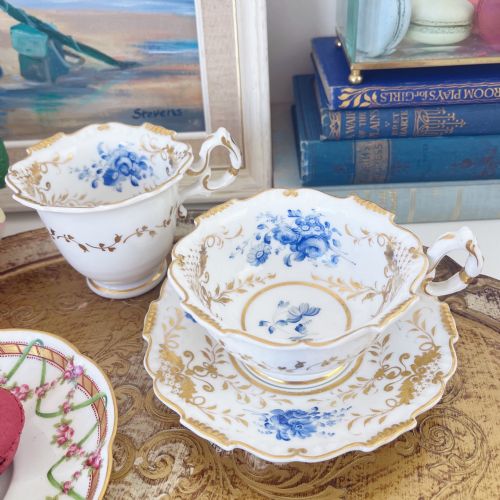
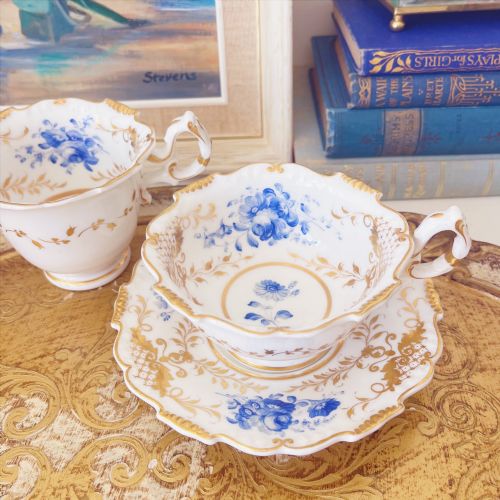
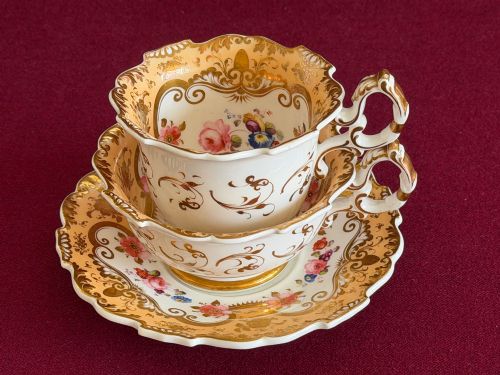
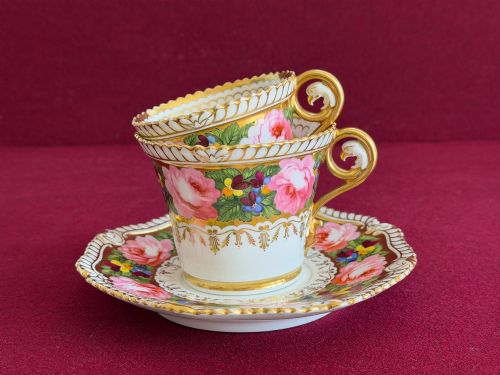
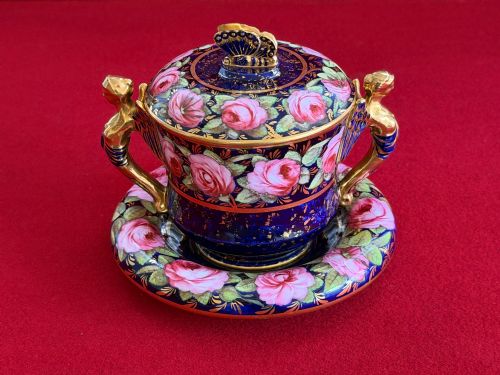
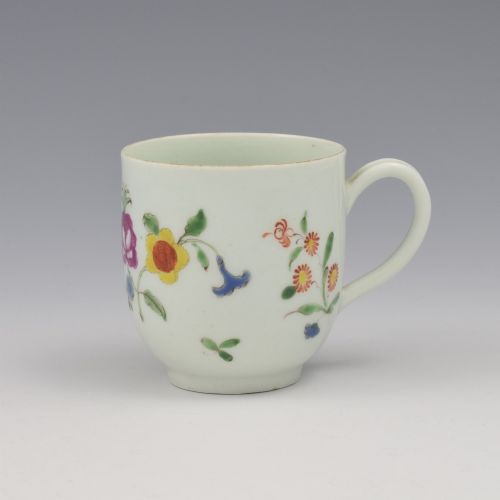
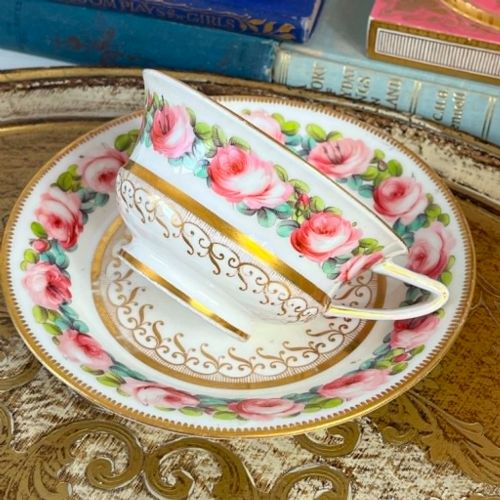
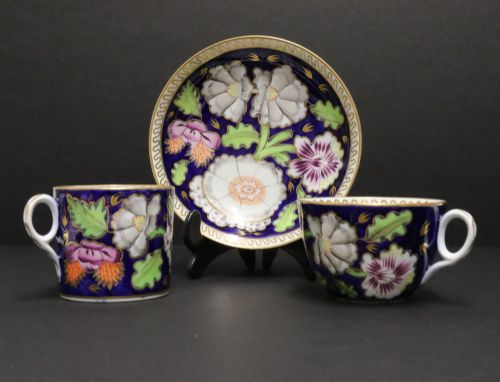
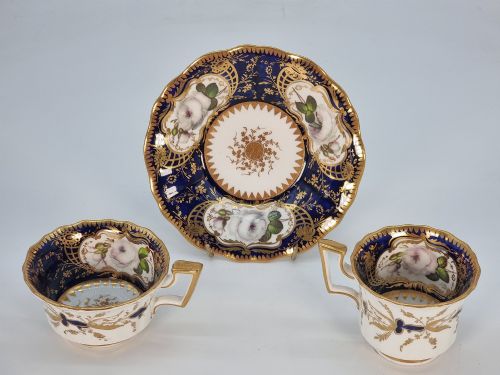
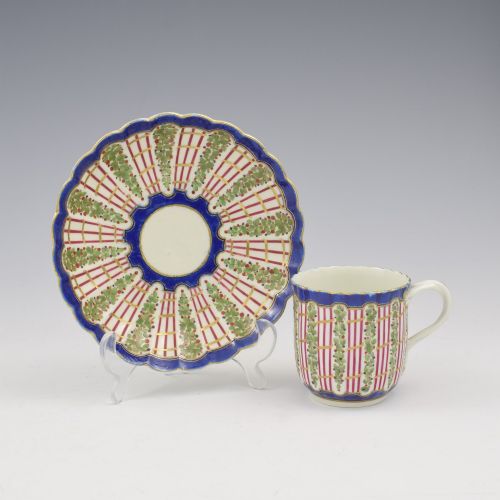
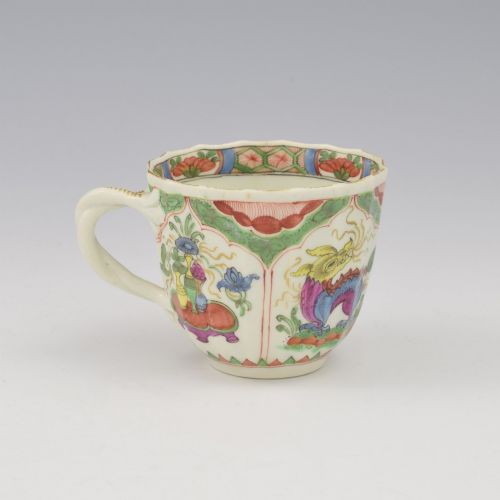
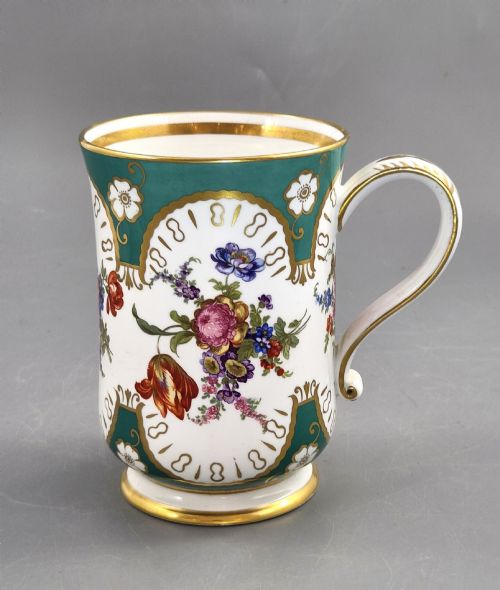
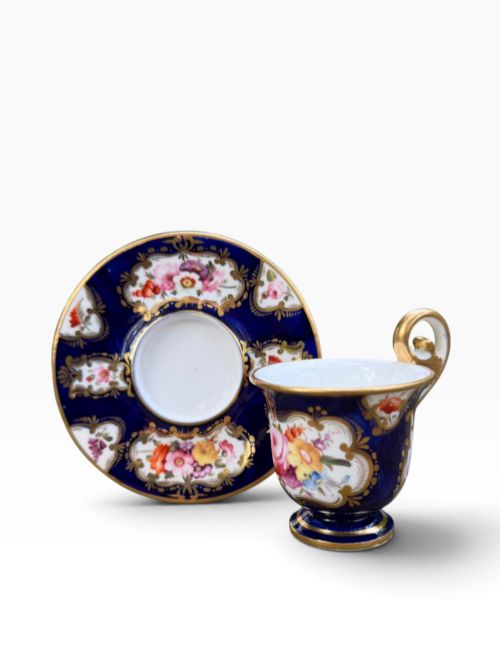
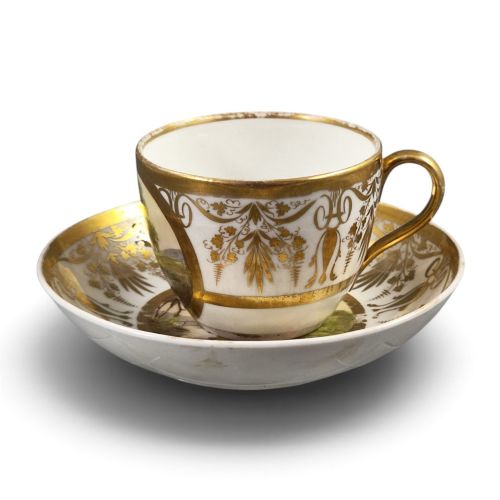
An antique porcelain cup spans coffee cans, cabinet cups, and teacups, frequently paired with matching saucers across the Georgian, Regency, and Edwardian periods. These drinking vessels serve as miniature canvases for ceramic artistry, often produced in pairs or larger sets.
English and continental factories dominate these examples, ranging from Derby and Worcester to French Old Paris and Berlin workshops. Buyers encounter forms designed for morning coffee or formal tea, some mounted in sterling silver holders or enriched with gilt handles.
How they were made
Potters shaped these pieces using porcelain and bone china bodies, firing them to achieve a translucent and durable fabric. Artisans then applied hand-painted enamels, iron-red motifs, and gold leaf highlights.
Specialised mounts such as sterling silver holders frame specific ceramic cups, while sculptural elements like lion mask handles require separate moulding before attachment.
Retail Price Guide 2026
Typical UK retail prices for porcelain cup, calculated from the Sellingantiques database of over a million retail prices indexed since 2003. This retail price guide relies exclusively on Sellingantiques data; no external sources or auction records are used, so the figures do not describe the wider market.
Cupid frequently guards these vessels, appearing hand-painted on porcelain surfaces or moulded as a tiny playful handle.
What varies in quality
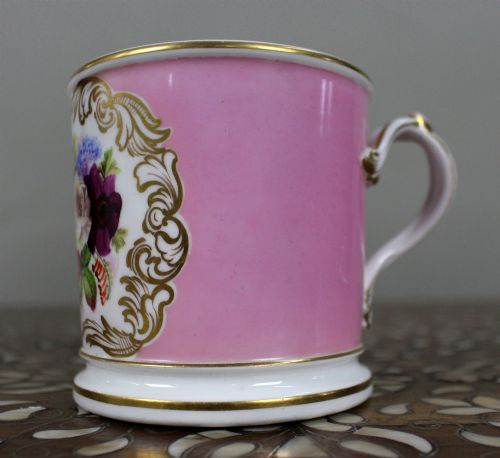
The refinement of the ceramic body and the precision of the hand-painted enamel decoration distinguish the finest pieces. Crisp gilding and well-preserved armorial or floral motifs elevate an example above standard production.
The sophistication of moulded details, such as figural lion mask handles or delicate saucer profiles, demonstrates the skill of the original factory workshop.
George Jones Crescent·Walker And Hall·Duesbury And Kean·Royal Crown Derby·Dihl And Guerhard·Kpm Berlin·Volkstedt·Sevres·Coalport·Chamberlains Worcester
The Antique Porcelain Cup Glossary
- Coffee can
- A straight-sided cylindrical cup intended for drinking strong coffee, popular during the Georgian period. These vessels usually feature simple loop handles.
- Cabinet cup
- An ornamental cup made primarily for display in a cabinet rather than daily tea drinking. They often rest on matching saucers and carry elaborate hand-painted scenes.
- Bone china
- A type of porcelain incorporating bone ash for enhanced strength and whiteness. English factories utilised this material extensively for teacups and saucers.
- Gilt
- A thin layer of gold applied to the surface of porcelain or handles. This metallic decoration catches the light and frames painted compartments.
- Enamel
- Opaque vitreous paint fused to the porcelain surface during firing. It provides vibrant colours for botanical and abstract patterns.
Frequently Asked Questions
How do I use an antique porcelain cup?
These delicate vessels handle warm liquids gently, though many collectors prefer to display them to protect the hand-painted enamel and gold leaf. Hand washing in tepid water preserves the ceramic body and any attached metal holders.
Avoid dishwashers and harsh abrasives entirely, as thermal shock and modern detergents damage nineteenth-century glazes.
Can I date a cup by its handle?
Straight-sided cylindrical coffee cans typically point toward the early nineteenth century, while flared cabinet cups often suggest French or German manufacture from the same era. Handle shapes evolve from simple loops to elaborate figural forms like lion masks.
Factory marks on the underside provide the firmest guide to precise chronology.
What is the difference between a coffee can and a teacup?
Coffee cans feature straight, vertical walls designed to retain heat for concentrated brews. Teacups tend to have wider, flared bowls intended for infusions sipped with milk.
Both forms almost invariably include a matching saucer in surviving antique sets.