
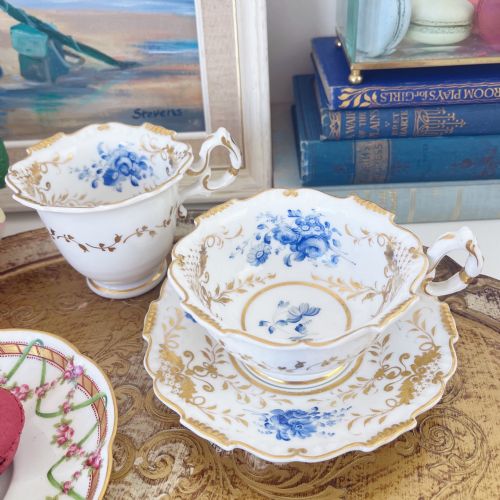
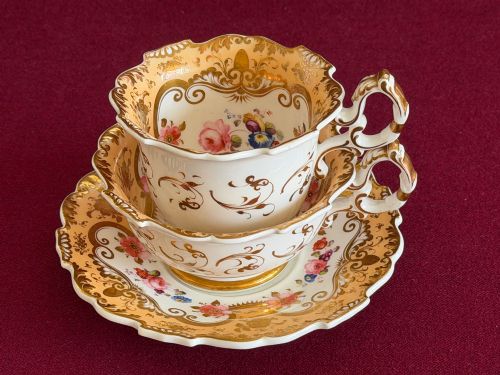
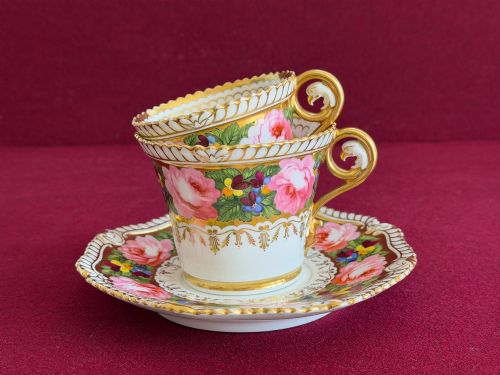
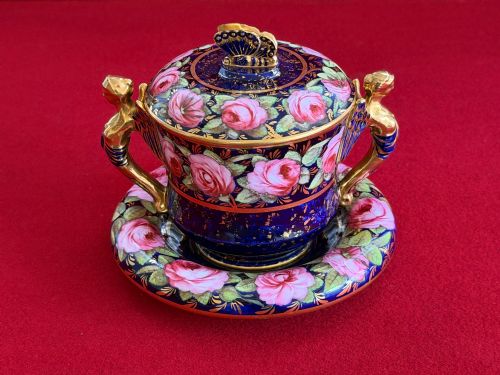

Georgian Porcelain Saucer
When you search for a georgian porcelain saucer, you enter a world of delicate handpainted tea wares from the eighteenth and early nineteenth centuries.
Georgian Porcelain Saucer
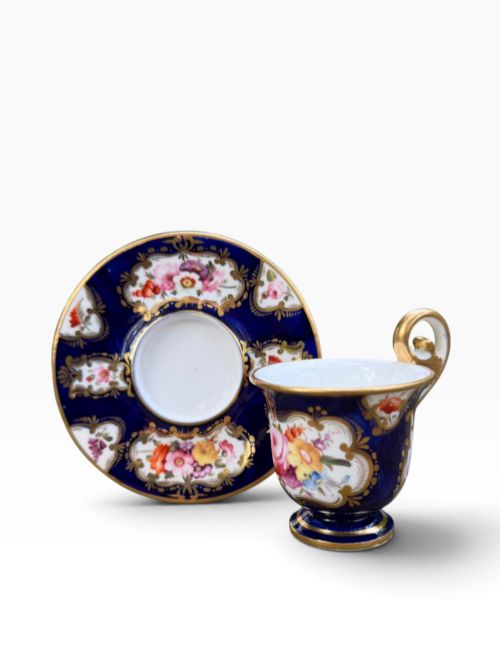
A georgian porcelain saucer is a small ceramic dish designed to hold a tea cup, coffee can, or tea bowl, originating primarily from the eighteenth and early nineteenth centuries. These pieces emerge from periods spanning the 18th Century, Regency, and Georgian eras, reflecting the social rituals of tea drinking.
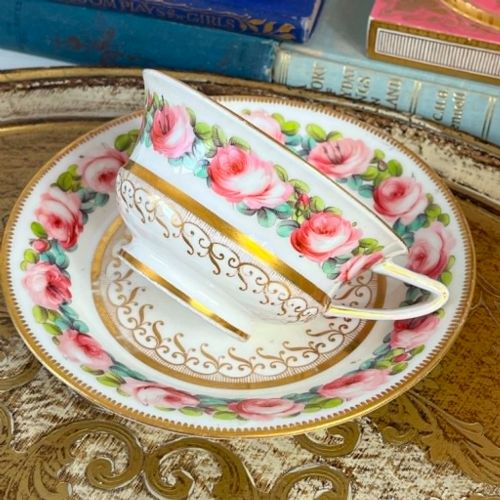
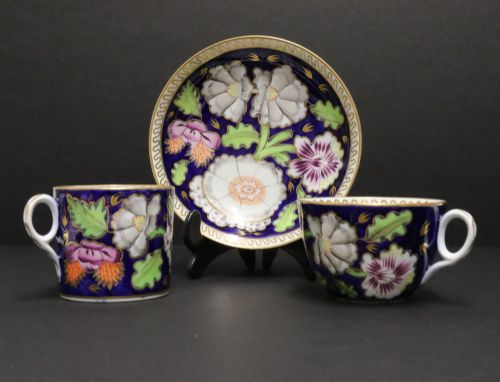
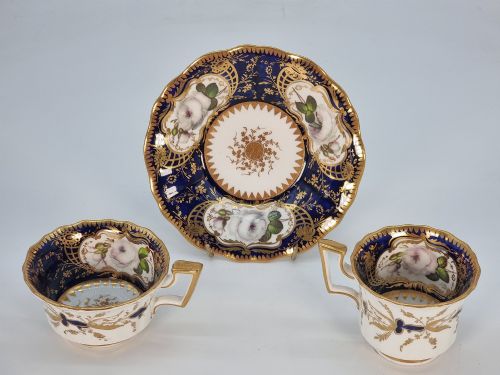
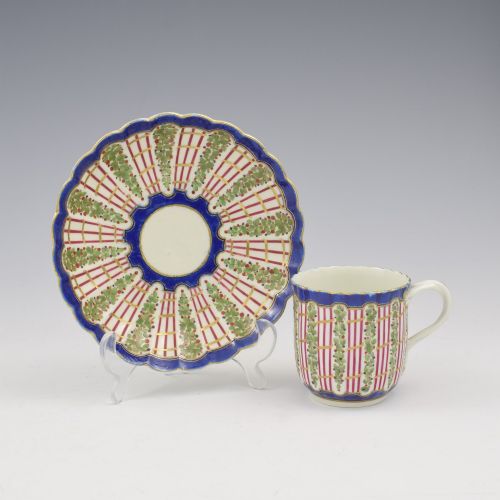
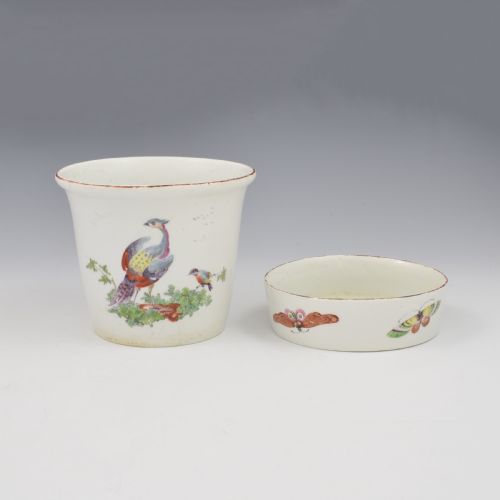
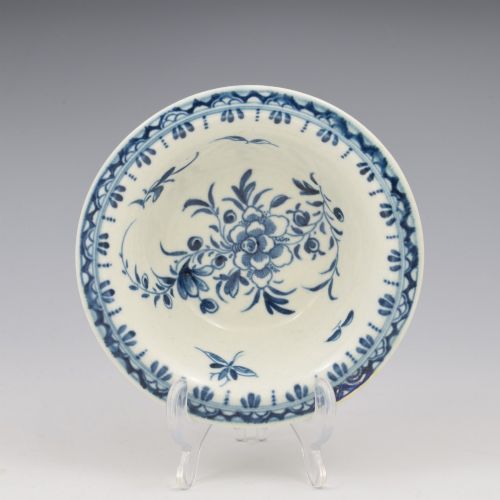
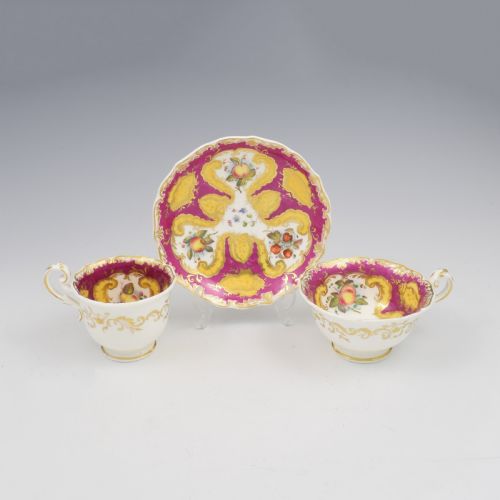
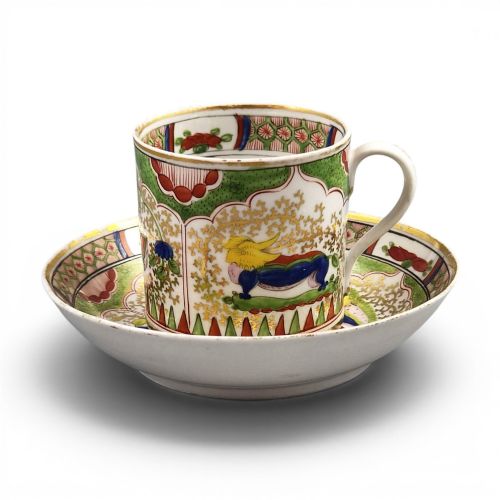
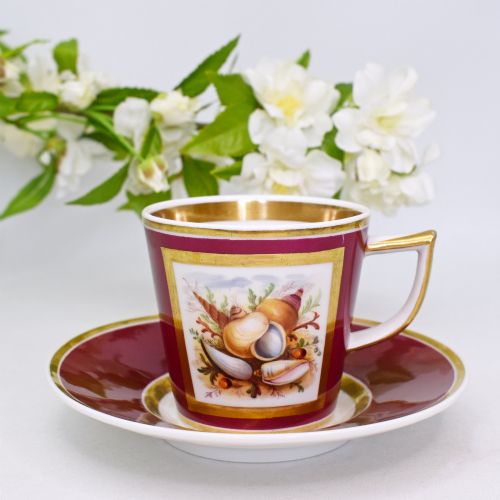
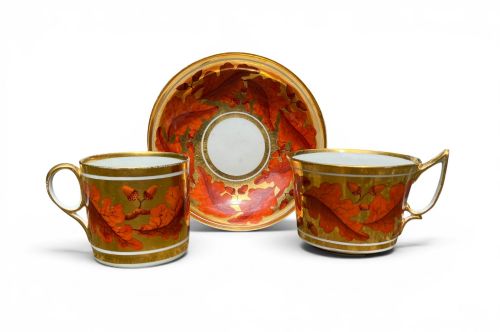
The specimens met on this page range from early Worcester blue and white tea bowls with saucers to later Regency bone china and soft-paste pieces from factories like Coalport and New Hall. Many survive as part of trios or duos, while others appear as individual saucer dishes decorated with handpainted birds, landscapes, or floral motifs.
Makers represented in the evidence include prominent English potteries such as Worcester in its various periods, Derby, Spode, and Davenport. The forms encompass fluted tea bowls, cabinet saucers, and saucer dishes displaying Chinoiserie, Rococo, and Georgian Neoclassical styles.
Evaluating Quality
The standard of a piece depends heavily on the crispness of the porcelain body and the precision of the handpainting. Superior examples display finely executed brushwork in complex patterns such as fancy birds or landscape scenes, rather than simple repetitive motifs.
Gilding execution also separates the fine ends of the range, with thick, burnished gold leaf indicating high factory standards compared to flat, worn golden applications. The translucency of the paste and the absence of firing warping further distinguish the superior cabinet pieces.
Georgian Porcelain Saucer Retail Price Guide 2026
Typical asking prices for georgian porcelain saucer among the pieces listed under this phrase on Sellingantiques today, from the lower quarter to the upper quarter. They describe what is for sale here now, not the wider market.
Listings feature porcelain bodies ranging from eighteenth-century soft-paste formulas to nineteenth-century bone china.
H & R Daniel·Chamberlain Worcester·Spode·New Hall·Coalport·Dr Wall Worcester·Derby Porcelain·Flight and Barr·Rockingham·Grainger's Worcester·Minton·Hicks Meigh Johnson·Ridgway
The Georgian Porcelain Saucer Glossary
- Soft-Paste Porcelain
- An artificial porcelain composition fired at lower temperatures than hard-paste, common in early English ceramics. It produces a warm, slightly creamy body with high translucency.
- Bone China
- A porcelain type containing bone ash, developed in England to increase strength and whiteness. This material dominated nineteenth-century production.
- Tea Bowl
- A small, handleless cup used for drinking tea during the eighteenth century. It is typically paired with a matching saucer.
- Coffee Can
- A straight-sided, cylindrical cup designed for drinking coffee, often featuring a loop handle and sold with a dedicated saucer.
- Gilding
- The application of gold leaf or gold paint to ceramic surfaces for decoration. It is often found highlighting rims, handles, and borders.
Georgian Porcelain Saucer: Frequently Asked Questions
What is the difference between a tea bowl and a teacup?
Tea bowls are small, handleless vessels typical of earlier eighteenth-century tea sets. Teacups feature applied handles and became more common into the nineteenth century.
Both forms served the same function of holding tea and were manufactured to rest securely inside a matching saucer.
How do I identify Dr Wall period Worcester?
Dr Wall period pieces date from the earliest years of the Worcester factory in the eighteenth century. They often feature delicate blue and white transfer printing or handpainted floral motifs.
Look for early paste characteristics and crescent or disguised numeral marks on the underside.
Can I use these saucers for daily dining?
These pieces are historic antiques fragile in nature, intended for collection and display rather than robust daily use. Hand washing in tepid water without harsh detergents helps preserve the delicate enamel and gilding.
Thermal shock from boiling liquids should be avoided to protect the aged ceramic body.
What does cabinet cup and saucer mean?
Cabinet pieces were decorative items intended for display in a cabinet rather than everyday tea service use. They often feature finer painting, more elaborate gilding, and superior porcelain bodies.
These items frequently survive in exceptional condition due to their lack of active use.