



Antique Ceramic Coffee Can
An antique ceramic coffee can is a small, handleless cylindrical drinking vessel made for morning caffeine, prized by collectors for its intricate hand-painted patterns.
Antique Ceramic Coffee Can
When you search for an antique ceramic coffee can, you encounter small, straight-sided cylindrical vessels designed specifically for serving strong coffee during the eighteenth and nineteenth centuries. These pieces often arrive paired with matching saucers or as part of larger cabinet trios alongside teacups.
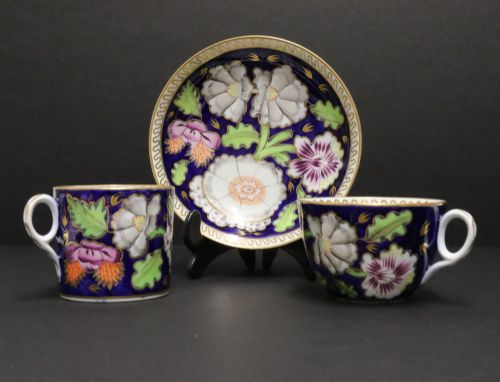
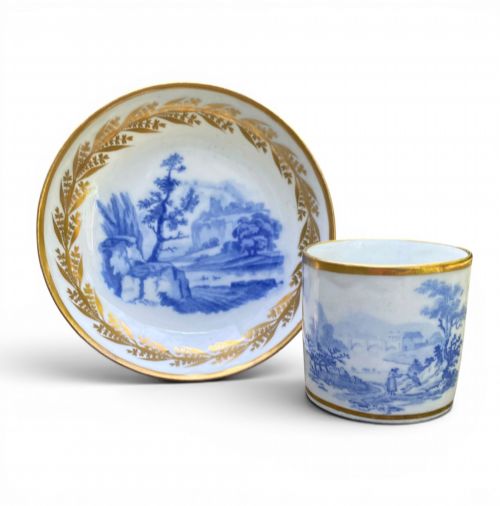
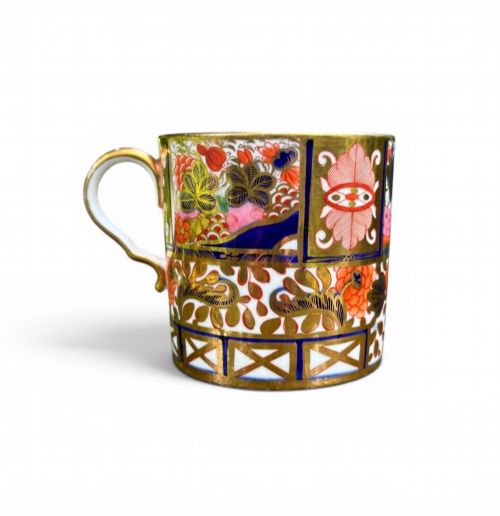
The versions most likely to meet you on this page originate from notable English factories spanning the Georgian and Regency periods, featuring hand-painted Chinese figures, landscapes, or Imari palettes. Makers such as Worcester, New Hall, and Minton dominate the forms, reflecting the height of domestic porcelain production.
How they were made
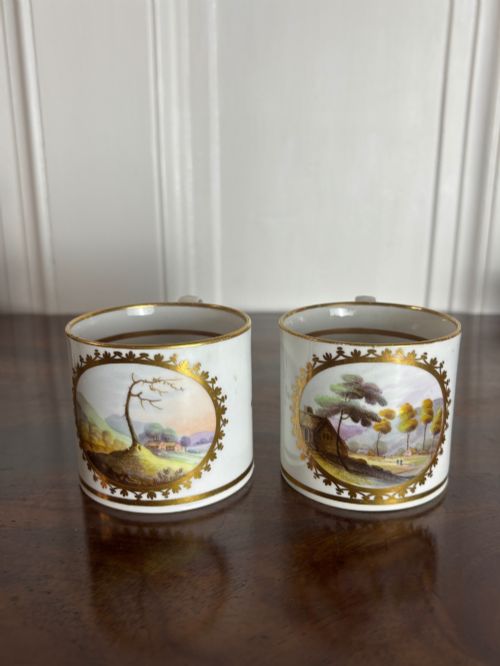
Potters shaped these vessels using hard-paste porcelain, soft-paste porcelain, or bone china, throwing or casting the slender bodies before applying intricate underglaze blue or polychrome enamels. Skilled hands added hand-painted motifs, ranging from delicate Chinese figures and birds to landscape paintings.
Gilding and gold leaf often highlight the rims and handles, requiring a secondary firing in the kiln to bond the precious metal permanently to the glazed ceramic surface.
Listings span multiple eras from the 18th century through the 1950s, featuring porcelain, bone china, and gold leaf.
What varies in quality
The distinction between standard domestic wares and the finest cabinet pieces lies in the precision of the hand-painting and the complexity of the pattern, such as detailed landscape miniatures or hand-painted botanical studies by named artists. Earlier eighteenth-century examples often display greater artistic individuality in brushwork compared to later mass-produced sets.
The purity of the porcelain body and the crispness of the gilding further separate ordinary utilitarian vessels from exceptional collector pieces intended purely for display.
New Hall·Flight and Barr Worcester·Minton·Spode·Royal Worcester·Royal Crown Derby
The Antique Ceramic Coffee Can Glossary
- Cabinet trio
- A matching set comprising a coffee can, a teacup, and a saucer. Collectors prize these combined sets for their complete decorative harmony.
- Soft-paste porcelain
- A ceramic composition fired at lower temperatures than hard-paste porcelain, common in eighteenth-century English factories. It yields a warmer, slightly creamy body.
- Imari
- A decorative style inspired by Japanese export wares featuring iron red, cobalt blue, and gold. This palette recurs frequently on Regency and Georgian porcelain.
- Wet blue
- A rich, deep underglaze blue applied to porcelain fields, often contrasted with gilded motifs. Worcester pieces frequently utilise this distinctive ground colour.
Antique Ceramic Coffee Can: Frequently Asked Questions
What is a coffee can?
A coffee can is a small, handleless cylindrical vessel produced primarily during the eighteenth and nineteenth centuries for drinking strong coffee.
Unlike standard teacups, their tall and straight-sided profile helped retain the heat of the beverage during fashionable morning routines.
Did these pieces always have saucers?
Many coffee cans were originally sold alongside matching saucers to catch drips and provide stability on wooden tabletops.
Over the centuries, cans and saucers frequently became separated, making matched pairs found today particularly desirable for collectors.
How do I date an antique coffee can?
Dating relies heavily on factory marks, ceramic bodies, and stylistic indicators such as Regency or Georgian hand-painted motifs.
Soft-paste bodies and cobalt blue Chinese figures typically point towards the eighteenth century, while bone china and bolder polychrome enamels suggest the nineteenth.
How should I display porcelain coffee cans?
These small vessels display best within glass-fronted cabinets or on dedicated plate stands to highlight their intricate miniature paintings.
Keeping them away from direct sunlight protects vulnerable enamel colours and gold leaf gilding from fading over time.