


Blue White Landscape Porcelain
Blue white landscape porcelain brings together centuries of painted scenery on fired clay, offering a glimpse into distant rivers, mountains and pavilions.
Blue White Landscape Porcelain
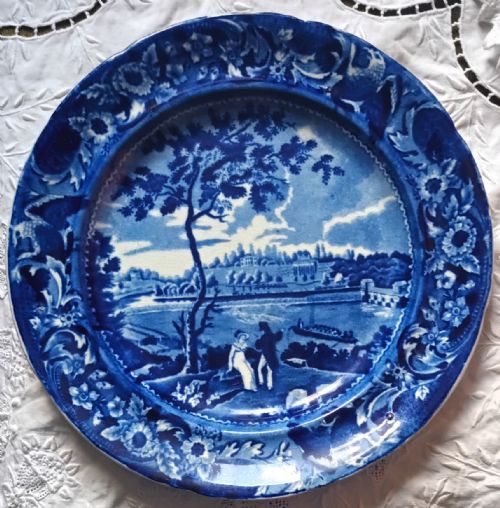
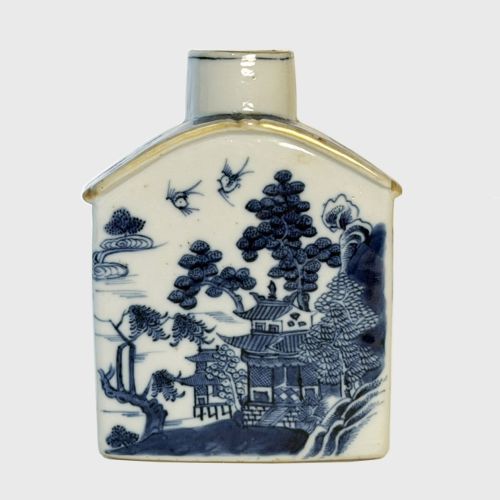
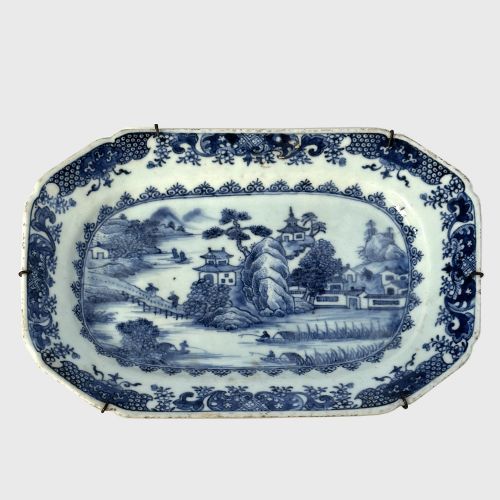
When you search for blue white landscape porcelain, you encounter items designed for serving tea, dining, and interior decoration from various centuries.
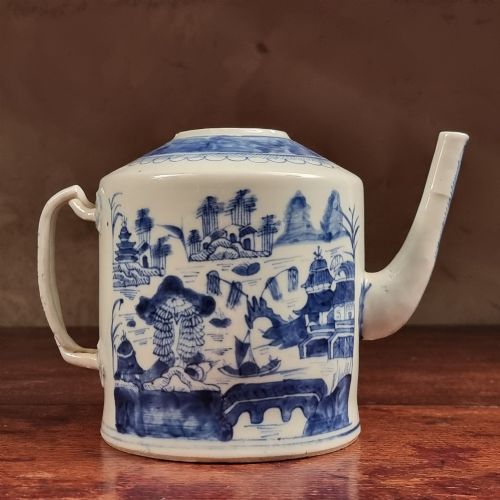
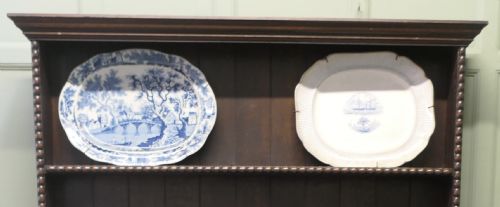
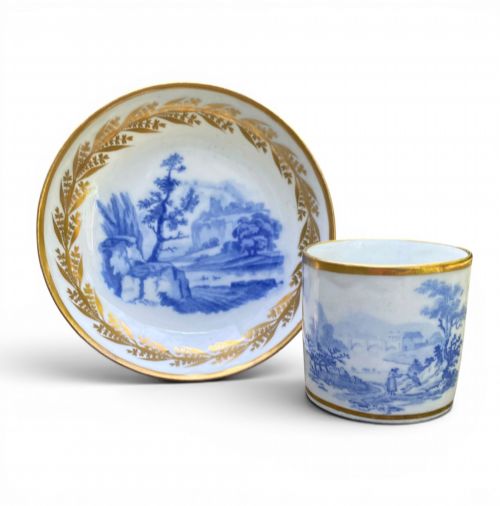
The selection ranges from Chinese Export platters and teapots to Japanese vases, English transferware plates, and Staffordshire ceramics.
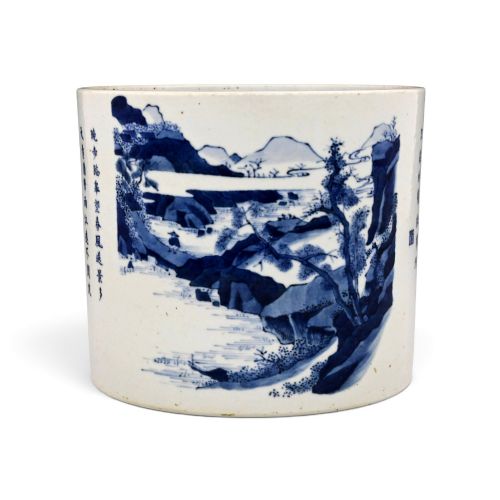
Tea caddies, chargers, brush pots, and ginger jars dominate the forms, reflecting both utilitarian and decorative domestic use.
How they were made
Potters shaped porcelain, earthenware, and ceramic bodies before applying cobalt underglaze or pigment beneath a glossy glaze.
Firing at high temperatures fixed the cobalt pigment to produce the characteristic blue motifs against a white ground, occasionally accented with gold leaf.
Some scholars used brush pots decorated with rivers and mountains simply to keep their writing desks orderly.
What varies in quality
Quality rests in the crispness of the brushwork and the depth of the cobalt pigment within the glaze.
Purity of the white ceramic body and balance in the vessel form distinguish masterwork output from standard production.
Stubbs·Makuzu Kozan·Mintons
The Blue White Landscape Porcelain Glossary
- Cobalt Underglaze
- A metallic pigment applied to ceramic pieces before glazing and firing at high temperatures. This technique ensures the blue decoration remains permanent under the glossy surface.
- Chinese Export
- Porcelain manufactured in China specifically for Western markets from the seventeenth to the nineteenth century. These wares often combined traditional Eastern forms with motifs tailored for European tastes.
- Transferware
- A pottery decoration method where a design is engraved on a copper plate, inked, transferred to paper, and then stamped onto the ceramic body. It allowed detailed landscape scenes to be replicated efficiently on plates and teapots.
- Charger
- A large decorative plate or platter used primarily for presentation or serving during grand meals. In blue and white ceramics, these often feature expansive river or mountain scenes.
Blue White Landscape Porcelain: Frequently Asked Questions
How do I care for antique porcelain?
Wash these pieces by hand using lukewarm water and mild soap, avoiding dishwashers and harsh scrubbers entirely.
Keep them away from direct sunlight and sudden temperature changes to protect the glaze and body.
Where were these landscape scenes made?
The pieces originate from multiple regions including China, Japan, and English potteries such as Staffordshire.
Each region adapted landscape painting traditions to suit local ceramic materials and international trade demands.
How can I tell the age of a piece?
Examine the base, potting technique, and glaze characteristics to find clues about the period of manufacture.
Style markers, such as Kangxi designs or Victorian transfer patterns, also help narrow down the production era.
Were these items meant for daily use?
Many items like teapots, cups, and plates served practical functions in tea and dining rituals.
Other forms, such as large chargers, brush pots, and jardinières, were created primarily for display in homes.