


Blue White Porcelain Cup
A blue white porcelain cup brings centuries of refined table rituals straight to your hands.

Blue White Porcelain Cup
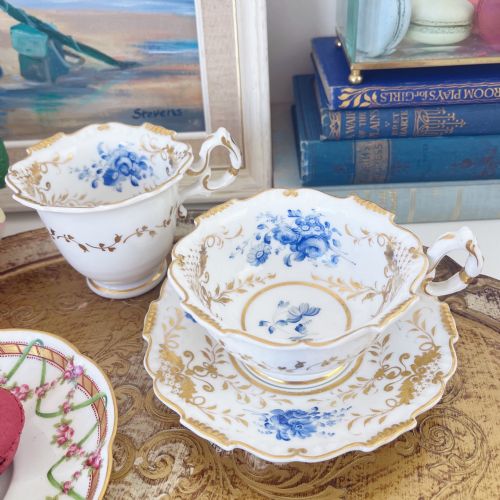
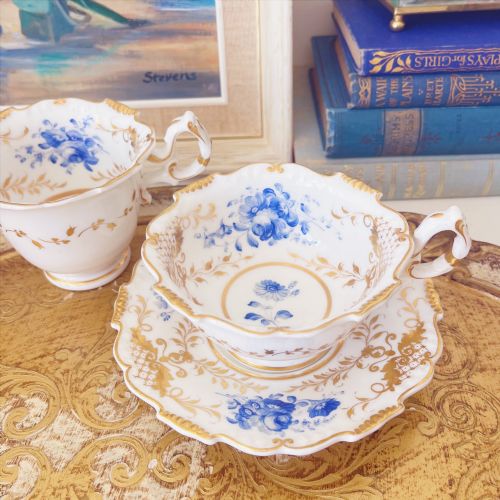
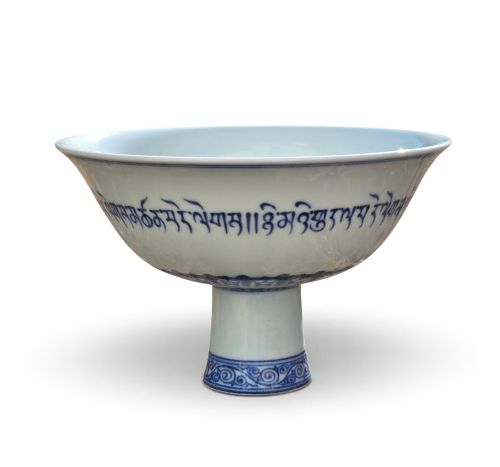
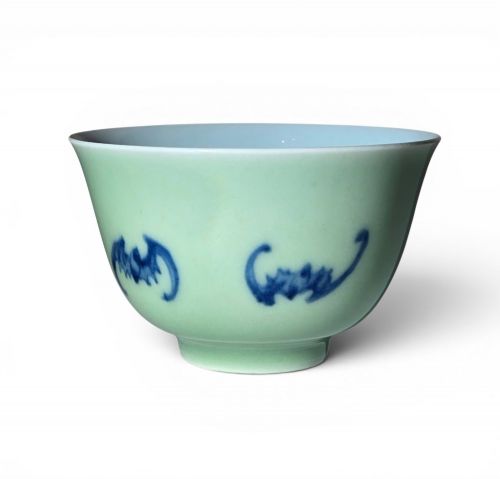
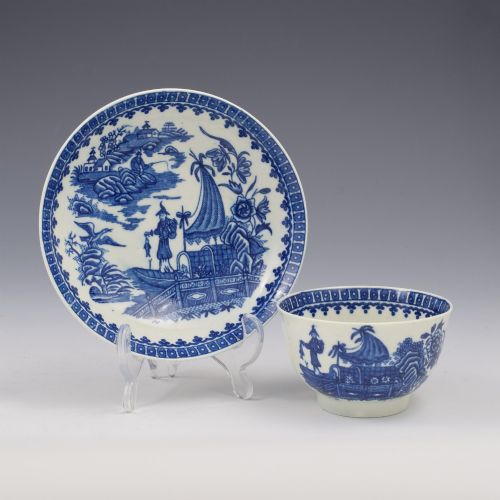
A blue white porcelain cup spans delicate eighteenth-century English tea bowls and nineteenth-century Chinese stem cups. When you search for a blue white porcelain cup, you encounter forms designed for tea, coffee, and wine across Georgian and later periods.
English factories such as Worcester, New Hall, and Derby produced domestic tea wares influenced by imported styles. Chinese and Japanese pieces bring imperial marks, celadon grounds, and Tibetan script traditions into the same gathering.
The tea bowl without handles appears alongside handled coffee cups, trios, and saucers. These pieces represent the core of historical domestic porcelain production.
Factors of quality
Purity of the white body and precision of the cobalt underglaze painting set the foundation of a finer piece. Cobalt that stays sharp without bleeding into the surrounding glaze denotes superior kiln control.
Handpainted intricacies in Chinese figures, Mandarin patterns, or floral motifs reflect the skill of individual artists. Early English porcelain bodies exhibit distinct translucency and weight variations depending on the factory recipe.
Blue White Porcelain Cup Retail Price Guide 2026
Typical asking prices for blue white porcelain cup among the pieces listed under this phrase on Sellingantiques today, from the lower quarter to the upper quarter. They describe what is for sale here now, not the wider market.
Some nineteenth-century tables hosted tea sets affectionately named after farmyard animals like the Bengal tiger and crazy cow.
H and R Daniel·New Hall Porcelain·Coalport Porcelain·Lowestoft Porcelain
The Blue White Porcelain Cup Glossary
- Cobalt Underglaze
- A blue pigment applied to the unfired ceramic body before glazing and firing. This technique protects the decoration beneath a glassy layer.
- Soft-Paste Porcelain
- An artificial ceramic paste fired at lower temperatures than true porcelain. It produces a warm creamy tone and high translucency.
- Tea Bowl
- A handleless drinking vessel designed for early tea service. Holders cradled the small bowl directly in their hands.
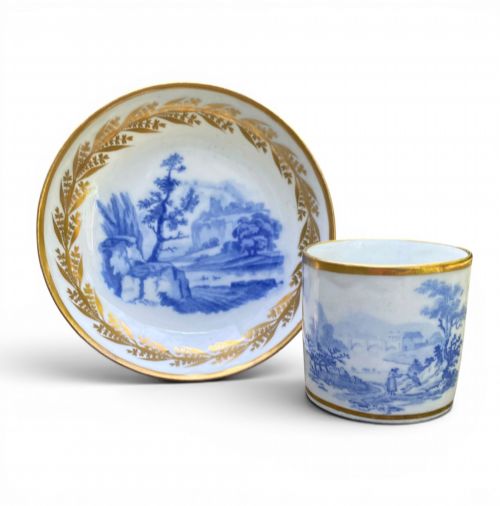
- Coffee Can
- A straight-sided cylindrical cup used during the Georgian period for drinking strong coffee. These vessels often accompanied matching saucers.
- Stem Cup
- A chalice-like vessel raised on a central foot. This form draws on ancient ritual shapes adapted in later dynasties.
Blue White Porcelain Cup: Frequently Asked Questions
How do I use an antique cup safely?
Wash historical porcelain by hand in warm water using mild soap rather than placing it in a modern dishwasher.
Avoid sudden temperature shifts that can stress old ceramic bodies or crack delicate glazes.
Why do some cups lack handles?
Early tea bowls followed Asian traditions where handleless vessels allowed drinkers to feel the warmth of the tea.
Handles became more common on European coffee cans and later teacups as serving habits evolved.
How can I tell Worcester porcelain apart?
First Period Worcester pieces often feature specific crescent or workman marks alongside delicate underglaze blue painting.
Examine the base and body translucency under a light to check for the characteristic greenish hue of early English soft-paste.
What is a coffee can?
A coffee can is a straight-sided cylindrical cup produced around the turn of the nineteenth century.
These vessels served strong black coffee and were frequently paired with matching saucers in tea and coffee trios.