




18th Century Ceramic Cup
An 18th century ceramic cup is a tangible piece of domestic history, prized for its hand-painted glaze and delicate form.
18th Century Ceramic Cup
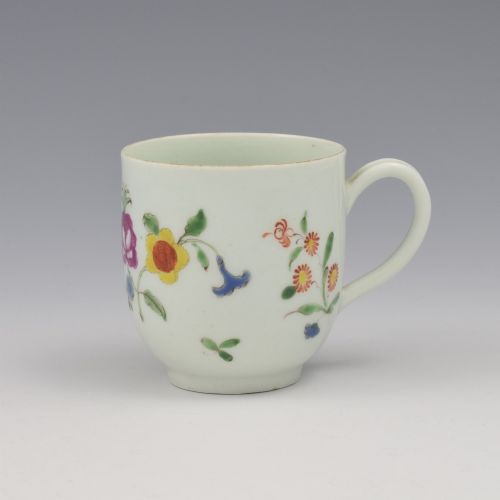
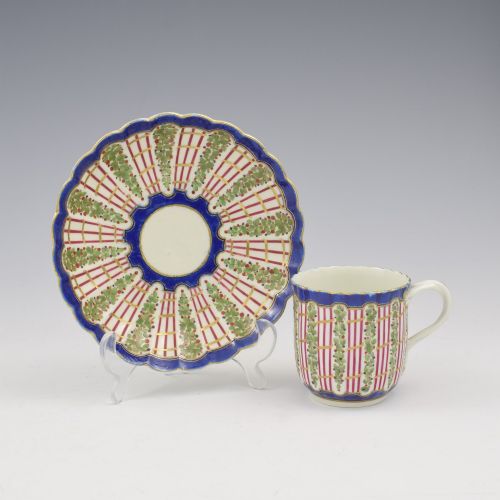
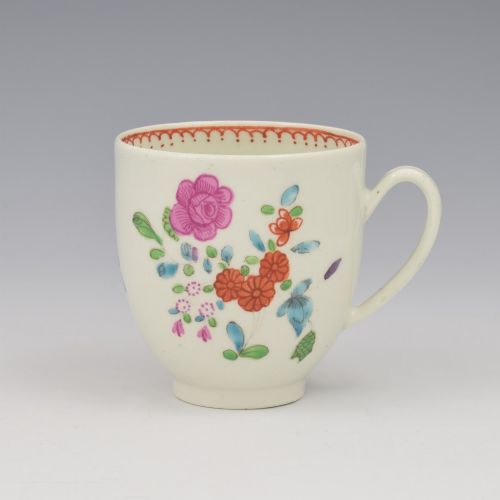
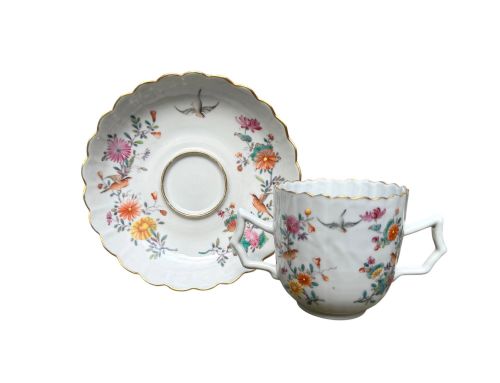
When you search for an 18th century ceramic cup, you encounter delicate tea bowls, coffee cups, and mugs shaped during the Georgian era. These vessels served the expanding consumption of tea, coffee, and chocolate across British and international households.
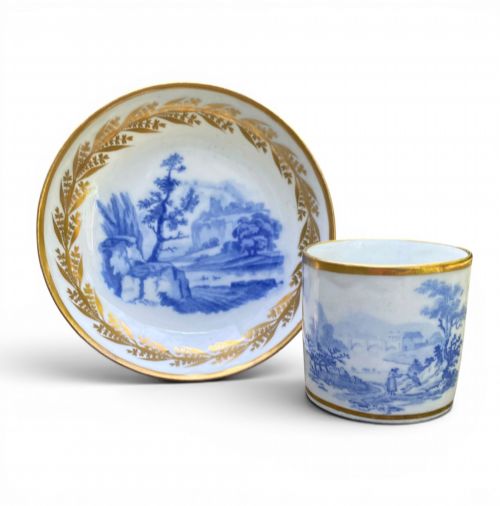
The selections span English factories and Chinese export wares made for Western markets. You find teacups paired with saucers, coffee cans, posset pots, and larger mugs displaying hand-painted patterns.
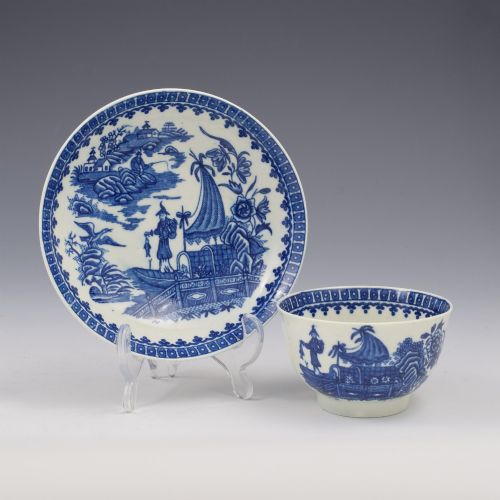
English soft-paste porcelain and creamware sit alongside Chinese porcelain decorated with famille rose, famille verte, and blue and white designs. The forms reflect both domestic utility and decorative ambition.
How they were made
Potters shaped these vessels using soft-paste porcelain, earthenware, and creamware, often throwing them on a wheel or forming them in moulds. English factories like Worcester and Liverpool developed complex paste recipes that required careful kiln management.
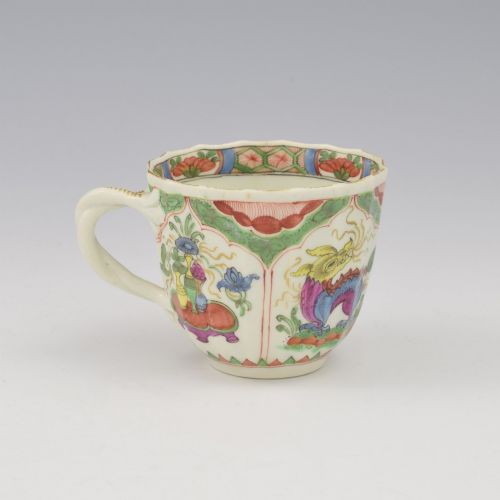
Decoration relied on hand-painting using enamel colours, cobalt glaze, and occasional gold leaf or gilding. Potters applied detailed motifs such as Chinese figures, floral sprays, and landscapes before secondary firing to fix the pigments.
Some cups record distant trade routes by placing cheerful European butterflies above hand-painted Chinese rivers.
What varies in quality
Quality rests upon the crispness of the moulding and the skill of the brushwork. Hand-painted motifs executed with fine line work and balanced palettes distinguish superior examples from simpler production pieces.
The stability of the glaze and the purity of the porcelain body also separate standard wares from exceptional items. Factories achieved different levels of success in controlling kiln temperature, which affected the consistency of blue scale grounds and enamel adhesion.
Richard Chaffers·Flight And Barr·Duesbury And Kean·Robert Browne
The 18th Century Ceramic Cup Glossary
- Soft-Paste Porcelain
- A ceramic material composed of clay and glass-like frits fired at lower temperatures than hard paste. It produces a warm, slightly translucent body common in early English factories.
- Cobalt Glaze
- A blue metallic oxide pigment applied under the glaze before firing. It reacts to high kiln heat to produce a deep, durable blue colour.
- Chinoiserie
- European artistic interpretations of Chinese and East Asian decorative styles. Artisans applied these imaginative scenes to ceramics, furniture, and textiles throughout the Georgian period.
- Creamware
- A refined earthenware developed in England with a pale yellow or cream-coloured lead glaze. It offered a durable and affordable alternative to porcelain.
- Coffee Can
- A straight-sided cylindrical cup designed specifically for drinking coffee. These pieces often lack handles and appear alongside matching saucers.
18th Century Ceramic Cup: Frequently Asked Questions
How do I identify a First Period Worcester cup?
First Period Worcester pieces typically display characteristic paste bodies, crescent marks, or specific decorative schemes like blue scale grounds and hop trellis patterns. They date between the founding of the factory and the late eighteenth century.
Examine the base for underglaze blue marks and look closely at the enamel application. The weight and translucency of the soft-paste porcelain also help distinguish these pieces from later reproductions.
What is the difference between a tea bowl and a teacup?
Tea bowls are small, handleless drinking vessels modelled after traditional Chinese prototypes. Teacups feature applied handles for easier gripping.
During much of the eighteenth century, tea bowls remained the standard form for serving green and black tea. Handles appeared more frequently on coffee cups and later tea service configurations.
How were these cups used originally?
Households used these vessels for consuming hot caffeinated beverages such as tea, coffee, and chocolate during formal social gatherings. They formed part of matching sets that included saucers, teapots, and waste bowls.
Tea drinking was a ritual display of status and hospitality in Georgian society. Guests held small bowls or cups while conversing in parlours and drawing rooms.
How do I care for an eighteenth century ceramic cup?
Wash these pieces strictly by hand using warm water and mild soap. Avoid dishwashers, abrasive sponges, and sudden temperature changes that can crack the antique glaze.
Display or store them securely away from direct sunlight and heavy vibrations. Gentle handling preserves both the fragile ceramic body and the delicate hand-painted enamel decorations.