
Dr Wall Period Ceramics
When you search for dr wall period ceramics, you enter the refined world of eighteenth-century English porcelain produced under the early management of the Worcester manufactory.
Dr Wall Period Ceramics
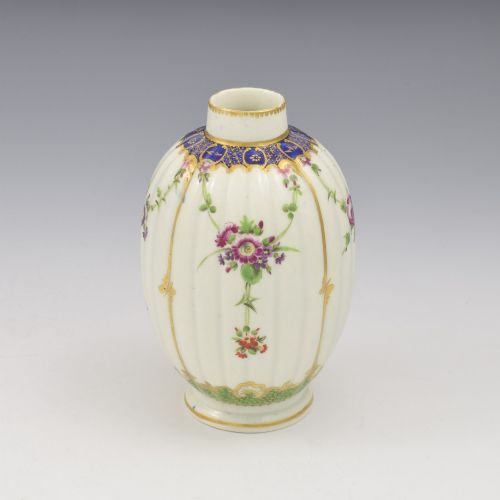
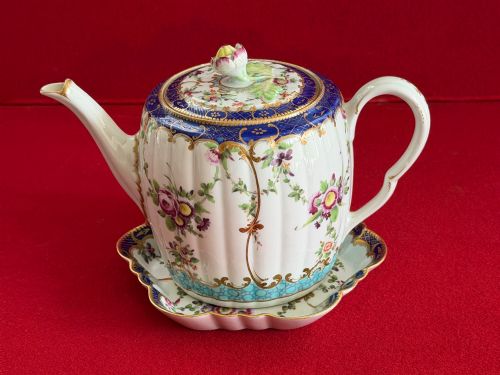
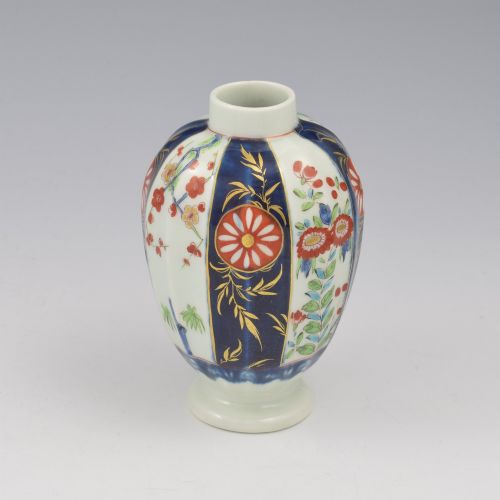
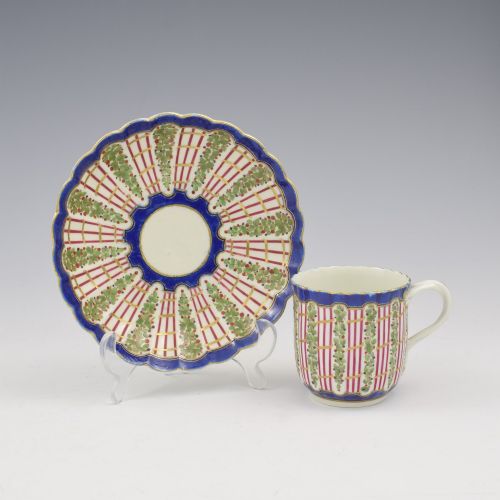
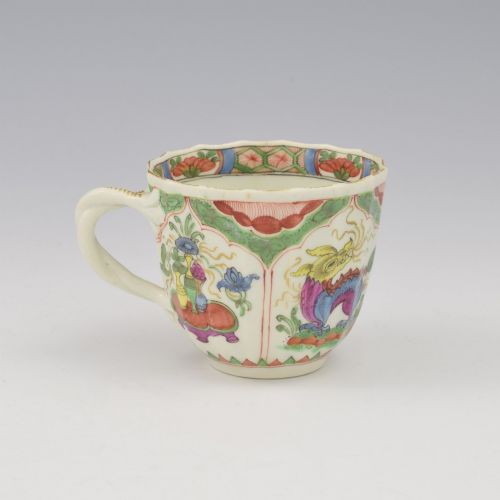
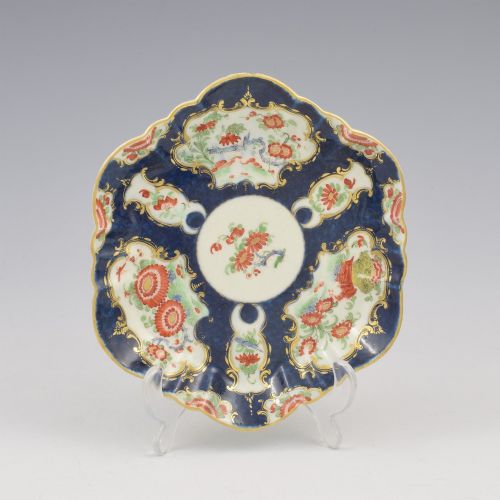
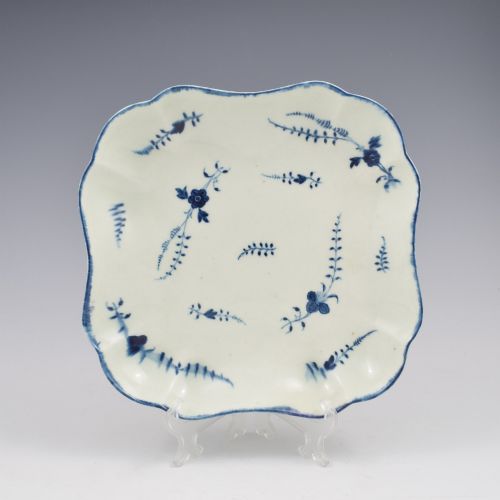
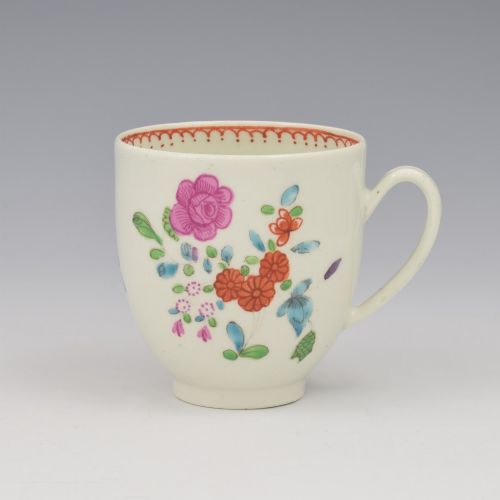
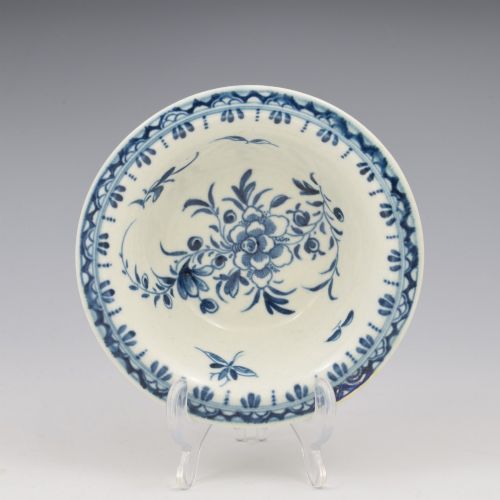
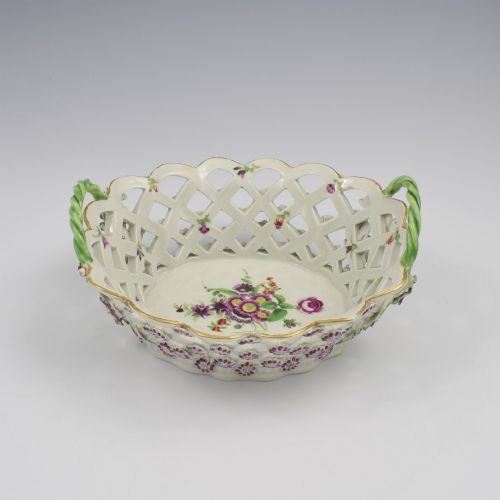
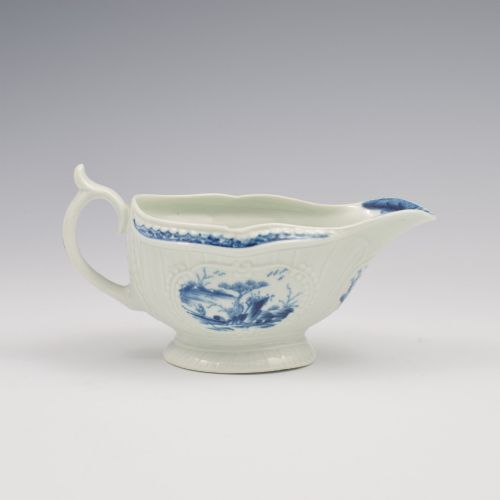
The pieces grouped under dr wall period ceramics comprise delicate eighteenth-century tableware and decorative vessels originating from the foundational decades of the Worcester factory, spanning roughly from 1750 through the 1780s. Collectors searching this phrase encounter practical forms designed for Georgian dining habits, including teapots, coffee cups, sauce boats, junket dishes, and pierced chestnut baskets.
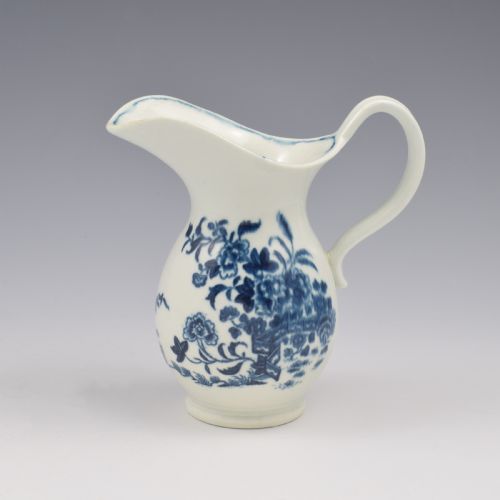
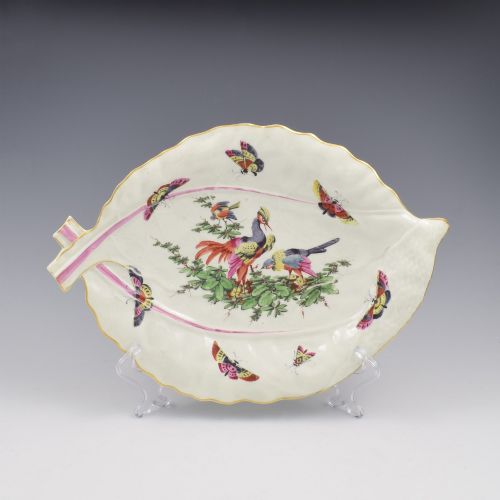
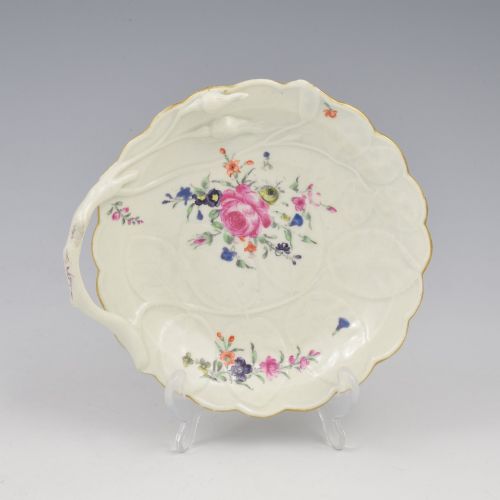
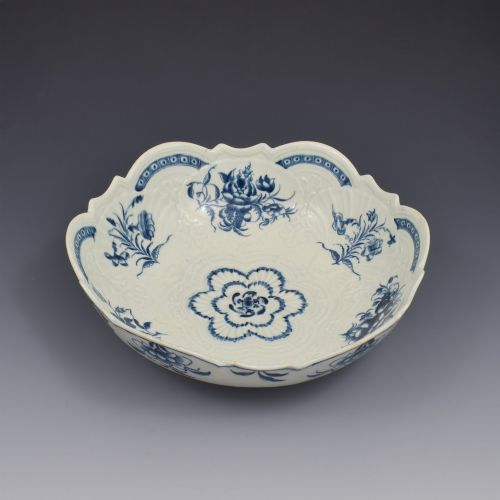
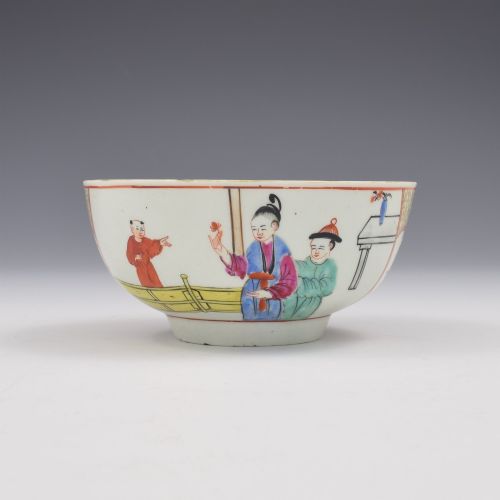
Vessels on this page showcase both underglaze cobalt blue painting and polychrome enamel decoration, frequently incorporating Chinoiserie scenes, European floral sprays, or exotic birds. Domestic serving forms such as leaf pickle dishes, milk jugs, and shell sweetmeat stands dominate the selection, reflecting the intricate modelling characteristic of the Georgian Rococo period.
Materials and production methods
Makers of dr wall period ceramics utilised a soft-paste porcelain recipe that created a warm, slightly translucent body suited to intricate moulding and fluid glaze application. Artisans shaped these wares using a combination of wheel-throwing and pressing into carved moulds, particularly for complex items like shell dishes and pierced baskets.
Decoration relied on cobalt glaze applied beneath the transparent lead glaze for blue and white designs, or overglaze enamel colours combined with gold leaf gilding for richer polychrome effects. Firing took place in wood or coal-burning kilns, requiring careful placement inside saggers to protect the soft body from warping and kiln debris.
Pickle dishes shaped like actual cabbage leaves let Georgian diners pass condiments with botanical precision.
Assessing quality in early Worcester
The division between ordinary and exceptional dr wall period ceramics rests primarily upon the crispness of the moulding and the discipline of the painting. Pieces featuring hand-pencilled exotic birds or detailed Chinese figures demonstrate superior brushwork compared to repetitive factory patterns.
The application of ground colours, such as wet blue or green grounds, and the precision of the gilding further elevate certain examples. Potter's marks and square seal imitations on the base also guide the evaluation of factory standards from this era.
The Dr Wall Period Ceramics Glossary
- Soft-paste porcelain
- A ceramic composition made from white clay, glass frit, and ground minerals rather than true kaolin and petuntse. This formula fires at lower temperatures and yields a creamy body.
- Cobalt glaze
- An oxide preparation used to paint underglaze blue designs that withstand high kiln temperatures. It produces the deep indigo tones seen on early tea wares.
- Chinoiserie
- A European artistic style reflecting Chinese motifs and imaginary oriental landscapes. It appears frequently on eighteenth-century Worcester porcelain.
- Sweetmeat dish
- A small moulded dish or compartmented tray designed for serving confectioneries, nuts, or preserved fruits during Georgian dessert courses.
- Sagger
- A protective fireclay box used to enclose porcelain vessels during kiln firings. It prevents direct flame and ash from damaging the glazed surfaces.
Dr Wall Period Ceramics: Frequently Asked Questions
What defines dr wall period ceramics?
These items represent eighteenth-century porcelain manufactured at Worcester during the tenure of Dr John Wall and his partners from 1751 onwards. The category encompasses both blue and white domestic wares and polychrome decorative pieces.
Craftsmen produced these objects using a soft-paste body that predated the introduction of soapstone and bone china formulations. The aesthetic draws heavily from Chinese export porcelain and contemporary European styles like Rococo.
How were these porcelain pieces used?
Georgian households utilised these ceramics for serving tea, coffee, and elaborate dessert courses during formal meals. Items like sauce boats and jugs held liquids at the dining table.
Smaller dishes functioned as receptacles for sweetmeats, pickles, or fruit, while punch bowls served communal beverages during social gatherings. Many forms were displayed on sideboards when not in active use.
How do I care for soft-paste porcelain?
Owners should wash these fragile vessels by hand in warm water using mild soap, avoiding modern dishwashers entirely. Soft cloths prevent scratching the eighteenth-century glaze and delicate gilding.
Display cabinets protect the pieces from accidental knocks and airborne dust accumulation. Sudden temperature changes must be avoided to protect the aged ceramic body from thermal shock.
How do I identify early Worcester marks?
Many pieces feature underglaze blue crescent marks, open or closed square seal marks, or simulated Chinese characters. These symbols indicate factory origin rather than individual artists.
Unmarked domestic items often rely on body characteristics, potting style, and palette matching to confirm attribution. Early pieces frequently display pooling in the glaze and small firing speckles on the base.