

Georgian Porcelain Coffee Cup
A georgian porcelain coffee cup brings eighteenth-century elegance to the table, offering tangible history and fine ceramic artistry.
Understanding the georgian porcelain coffee cup
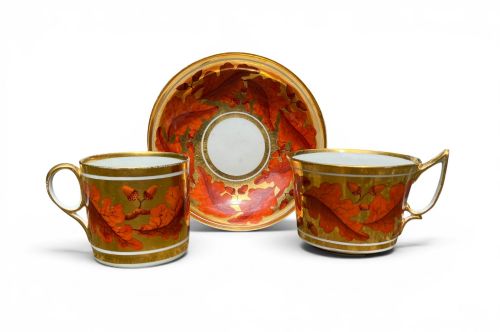
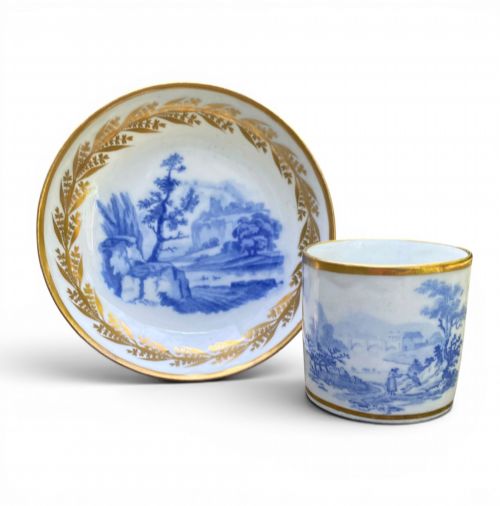
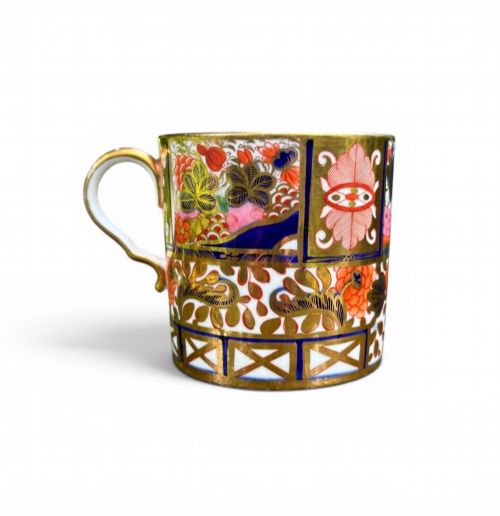
These pieces are eighteenth-century teaware and coffee cups, encompassing forms from the 18th century. When searching for a georgian porcelain coffee cup, buyers encounter early British ceramic production characterised by distinct aesthetic movements.
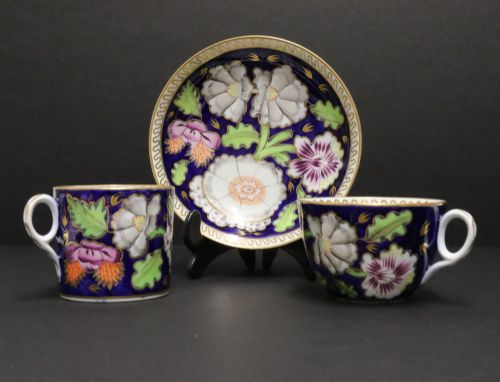
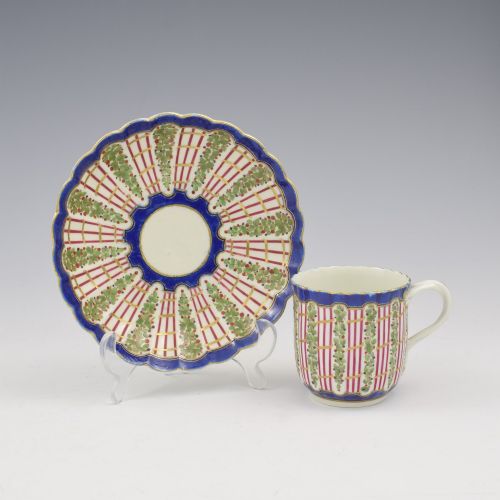
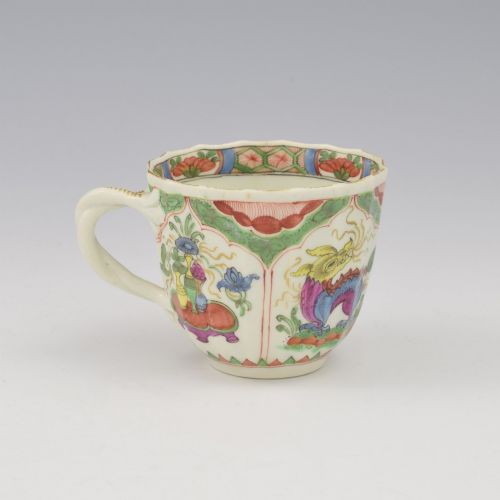
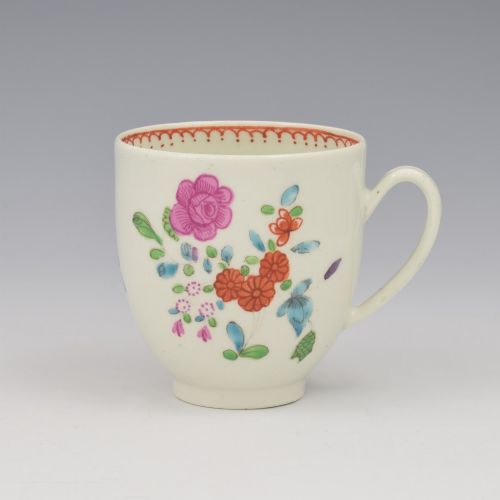
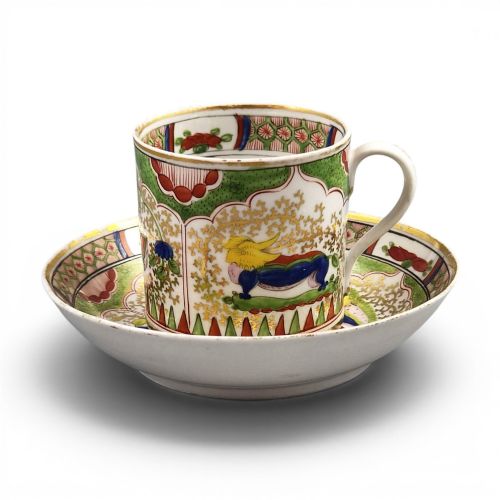
The selections span distinct stylistic traditions, notably Georgian Chinoiserie and standard Georgian designs. Examples include specific patterns such as the Hop Trellis, Chinese Figures, Mandarin, and Fancy Birds with wet blue grounds.
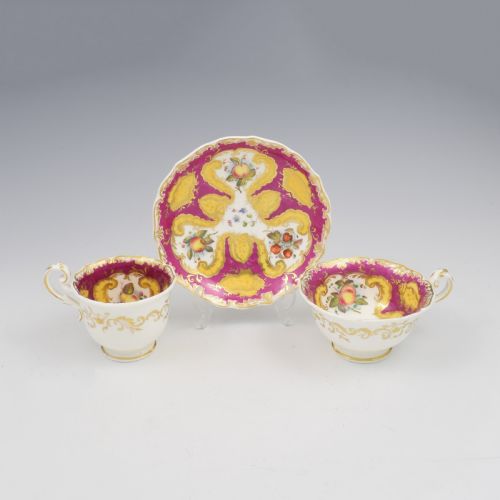
Originating primarily from the 18th century, these items reflect the era's taste for decorative tablewares. Surviving examples often appear as isolated coffee cups or paired with matching saucers.
Materials and Manufacture
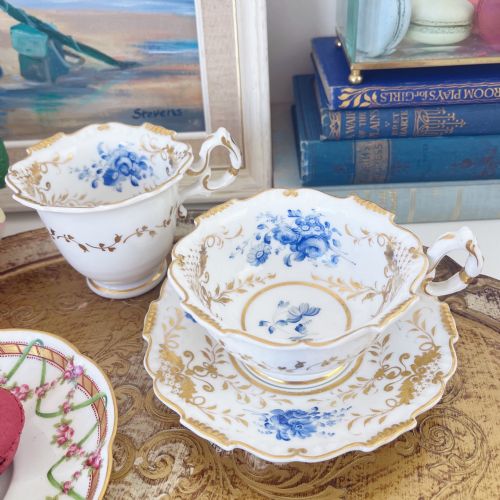
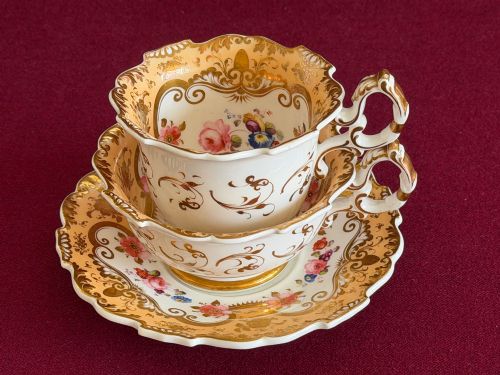
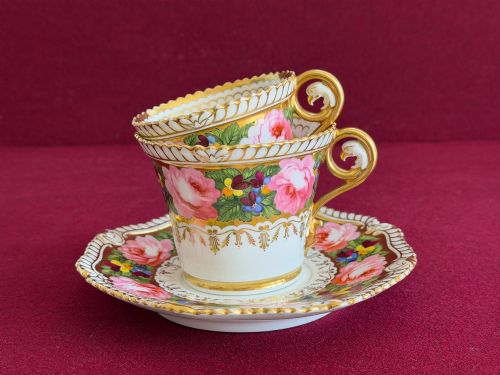
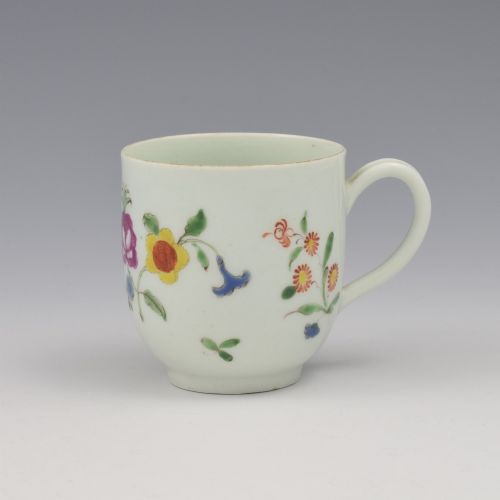
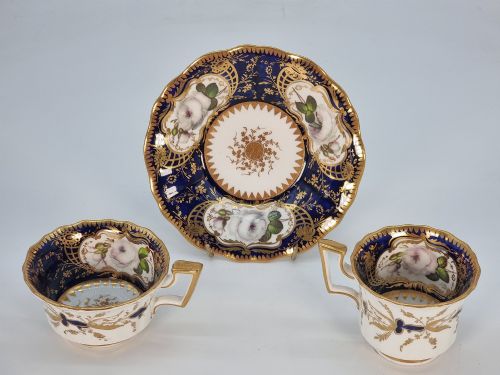
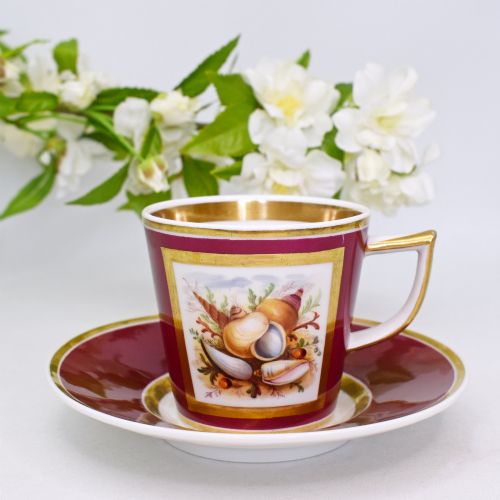
These vessels utilise soft-paste porcelain as their foundational ceramic body, shaped into specialised coffee cup forms. Manufacturers applied hand-painted enamel colours and rich gilding, including gold leaf accents, to decorate the glazed surfaces.
The decorative schemes rely on detailed hand application, combining complex enamel palettes with underglaze or overglaze painting techniques. Artisans integrated oriental motifs and naturalistic subjects directly onto the soft-paste bodies before final firing.
Retail Price Guide 2026
Typical UK retail prices for georgian porcelain coffee cup, calculated from the Sellingantiques database of over a million retail prices indexed since 2003. This retail price guide relies exclusively on Sellingantiques data; no external sources or auction records are used, so the figures do not describe the wider market.
Early porcelain collectors occasionally discover tiny workmen's marks hidden beneath the glaze.
Judging Quality
Quality in these ceramics rests upon the crispness and complexity of the painted decoration. Superior examples display finely rendered motifs such as intricate Chinoiserie figures, detailed bird studies, and precise hop trellis patterns executed with confident brushwork.
The application of gilding and enamel stability also differentiate standard wares from finer productions. Rich, well-preserved gold leaf and vibrant, stable enamel colours elevate a piece above simpler, less articulated designs.
Dr Wall·Coalport Porcelain·Ridgway Porcelain
The Georgian Porcelain Coffee Cup Glossary
- Soft-paste porcelain
- An early ceramic composition fired at lower temperatures than hard-paste, resulting in a warmer body often suited to delicate enamels.
- Chinoiserie
- A European artistic style reflecting Chinese motifs and aesthetic traditions, frequently utilised in Georgian ceramic decoration.
- Wet blue
- A rich, deep underglaze blue colour applied in a distinctive mottled or wash effect on eighteenth-century porcelains.
- Gilding
- The application of gold leaf or gold paint to ceramic surfaces for decorative enhancement.
Frequently Asked Questions
What is a georgian porcelain coffee cup?
A georgian porcelain coffee cup is a ceramic drinking vessel produced during the eighteenth century, typically formed from soft-paste porcelain and decorated with hand-painted enamels or gilding.
These pieces reflect the period's social rituals surrounding coffee consumption and showcase period artistic styles like Chinoiserie.
How do I care for my cup?
Wash these fragile eighteenth-century ceramics strictly by hand using lukewarm water and mild soap, avoiding dishwashers and harsh abrasives entirely.
Store them securely away from direct sunlight and temperature fluctuations to protect the delicate soft-paste body and hand-painted enamels.
Are saucers always included?
Not every coffee cup retains its original saucer, as many survive independently in the current market.
Listings specify whether a saucer accompanies the cup or if the piece is offered on its own.
How are periods identified?
Period attribution relies on ceramic paste composition, glaze characteristics, pattern styles, and historical workshop markers.
Characteristics like soft-paste bodies and specific painting styles align these items with eighteenth-century production methods.