


18th Century Worcester China
These delicate vessels of 18th century worcester china bring Georgian refinement and exquisite hand-painted detail directly to the tea table.
18th Century Worcester China
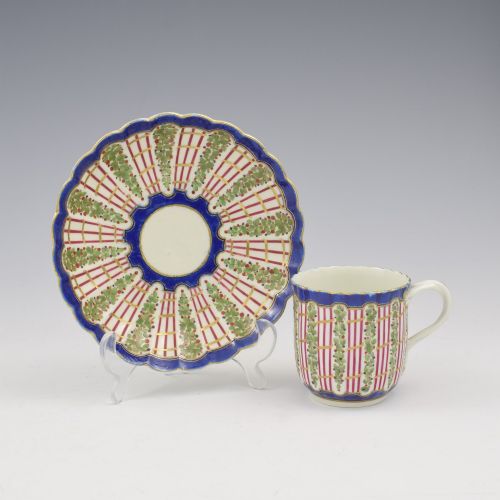
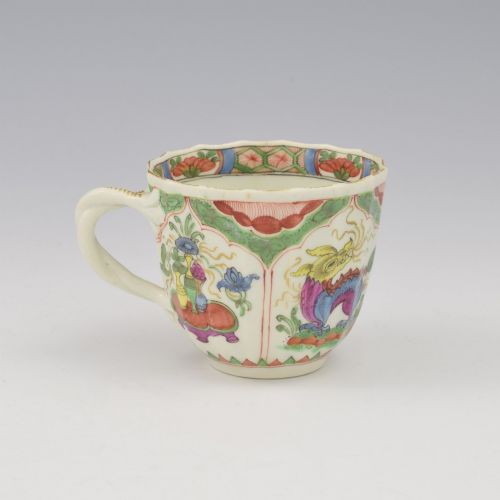
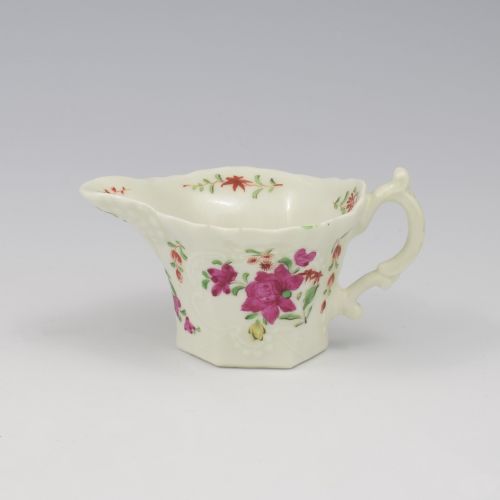
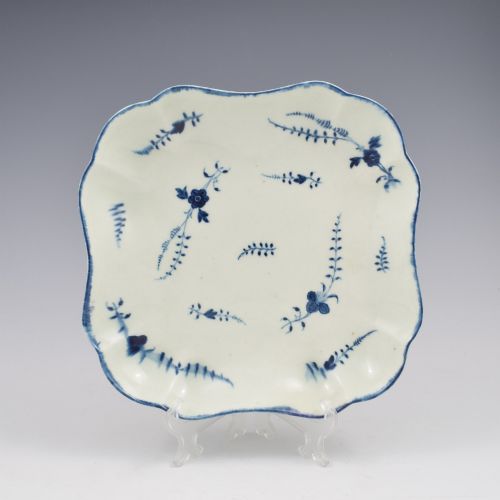
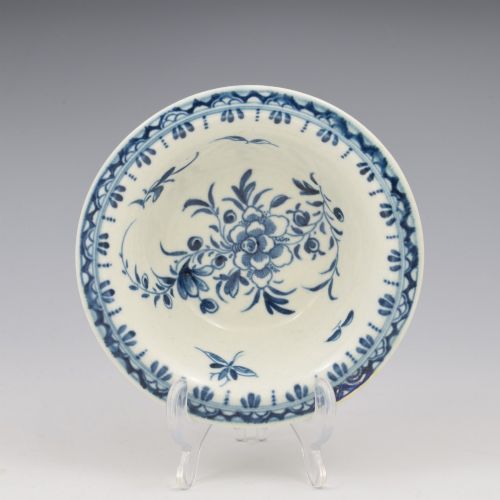
When you search for 18th century worcester china, you encounter tea bowls, saucers, coffee cups, sauce boats, and decorative dishes originating from the Georgian era. The selection centres heavily upon First Period and Dr Wall pieces, alongside Flight period wares dating from the mid to late eighteenth century.
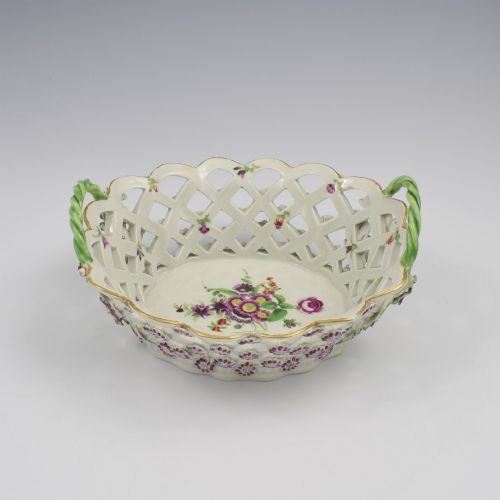
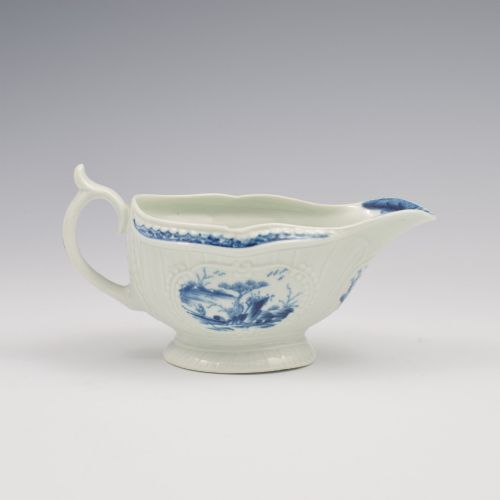
Buyers frequently meet items decorated in cobalt glaze blue and white, as well as polychrome enamels and gold leaf highlights. Forms range from hexagonal sauce boats and small patty pans to chestnut baskets with lids and scalloped dessert dishes.
Materials and Manufacture
Potters shaped these objects using soft-paste porcelain, a vitreous composition that reacts distinctly under heat and accepts glazes with a characteristic warmth. Artisans applied cobalt glaze beneath the surface or painted polychrome enamels and gilding over the fired glaze.
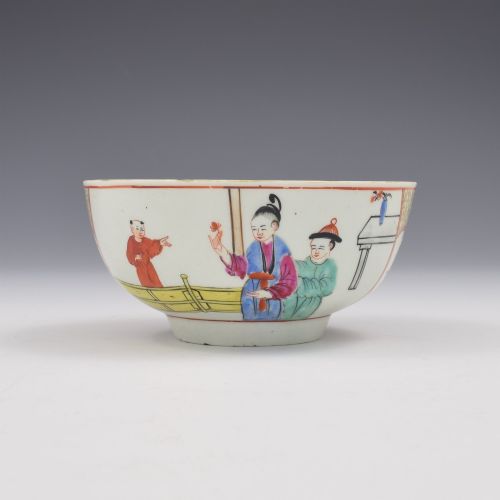
Many pieces display moulded elements, such as fluting or basket-weave textures, combined with hand-painted Chinese figures, floral sprays, or transfer-printed scenes like the fisherman and billboard island.
Listings feature soft-paste porcelain forms spanning tea bowls, saucers, chestnut baskets, and sauce boats across the eighteenth century.
Assessing Quality and Execution
The division between standard output and superior pieces rests upon the crispness of the moulding and the precision of the hand-painting. Superior examples exhibit finely detailed brushwork on complex subjects such as fancy birds and mandarin figures, whereas lesser items show simpler transfer prints or hurried decoration.
The uniformity of the soft-paste body and the brilliance of the wet blue grounds or gold leaf application further separate ordinary domestic wares from exceptional display pieces.
Dr Wall
The 18th Century Worcester China Glossary
- Soft-paste porcelain
- A ceramic composition made from white clay, glass frit, and other ingredients, fired at lower temperatures than hard-paste porcelain. This material produces a warm, slightly creamy body often seen in early English ceramics.
- Cobalt glaze
- A metallic oxide pigment used to produce a deep blue colour under the glaze before firing. It remains stable at high temperatures and defines the classic blue and white Worcester aesthetic.
- Wet blue
- A rich, mottled underglaze blue ground colour applied to porcelain before enamelling and gilding. It provides a textured backdrop for panels decorated with birds or flowers.
- Sauce boat
- A small ceramic vessel with a spout and handle used for serving gravies or sauces at the dining table. Eighteenth-century Worcester examples often feature moulded leaf or scroll designs.
- Tea bowl
- A handleless small cup used for drinking tea during the Georgian period. They typically form matched sets with small saucers.
18th Century Worcester China: Frequently Asked Questions
How do I identify First Period Worcester?
First Period pieces generally date from the establishment of the Worcester porcelain manufactory under Dr John Wall until the late eighteenth century. Look for characteristic soft-paste bodies, delicate hand-painted Chinoiserie scenes, and crescent or square fret marks.
Examination under magnification often reveals the characteristic tiny bubbles and imperfections within the soft-paste glaze that separate these early pieces from later nineteenth-century revivals.
What is the difference between tea bowls and teacups?
Eighteenth-century tea bowls were produced without handles, designed to be held in the hands while drinking hot tea. Teacups of the period introduced small loop handles for easier gripping.
Both forms were invariably paired with matching saucers and served as central components of Georgian teaware sets.
How should I care for soft-paste porcelain?
Soft-paste porcelain is softer and more porous than modern ceramics or hard-paste porcelain. Wash these pieces strictly by hand in lukewarm water using mild soap, avoiding abrasive sponges and dishwashers.
Store them securely away from temperature extremes to protect the delicate glaze and any surface gilding or enamel decoration.
What are transfer-printed Worcester designs?
Transfer printing involved pulling an engraved design from a copper plate onto tissue paper and transferring it onto the ceramic surface before firing. This technique allowed factories to produce consistent patterns like the fisherman and billboard island rapidly.
Many printed pieces were subsequently enhanced with hand-applied enamel colours or gold highlights by factory decorators.