
Polychrome Porcelain Bowl
When you handle a polychrome porcelain bowl, you hold centuries of diverse firing traditions from English factories and East Asian kilns.
Polychrome Porcelain Bowl
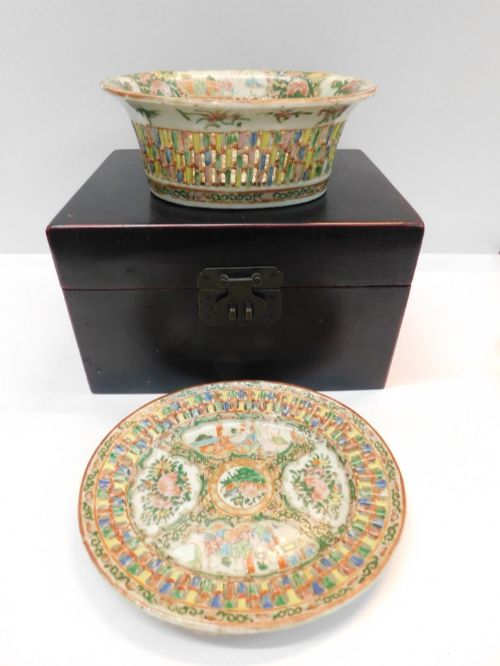
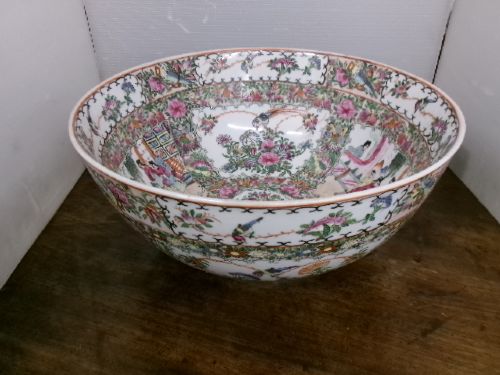
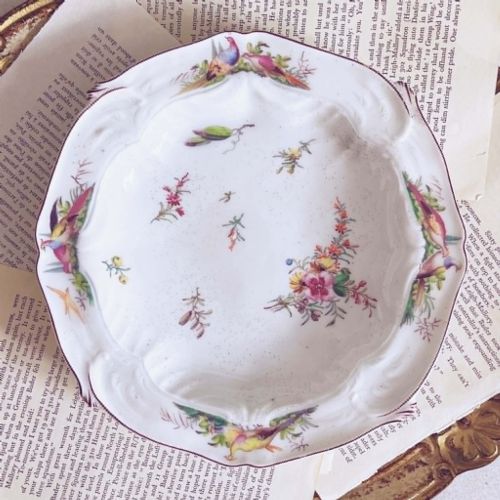
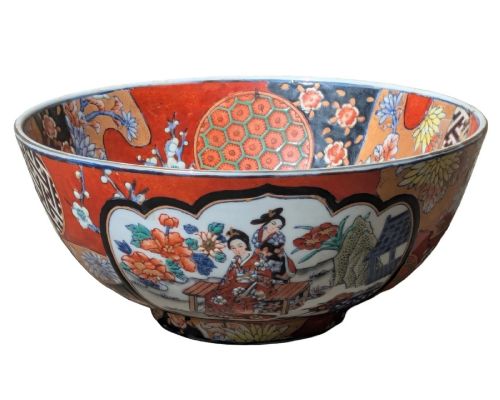
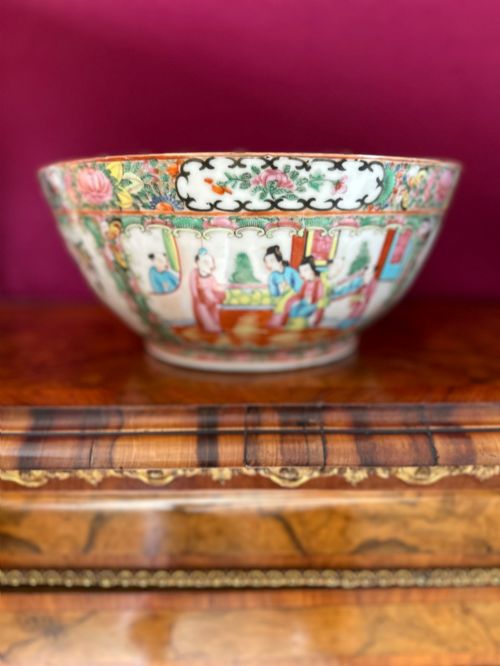
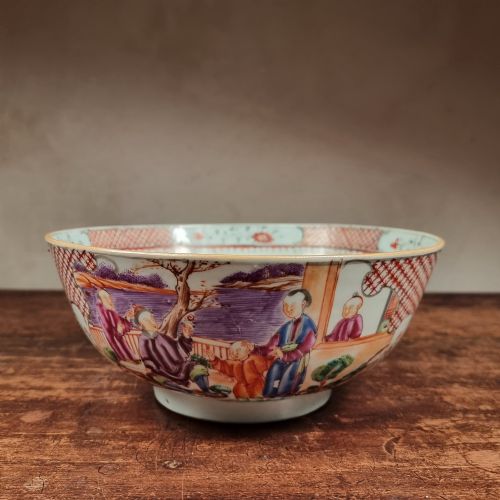
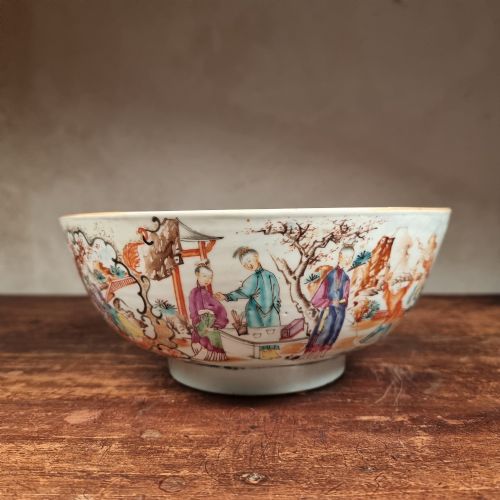
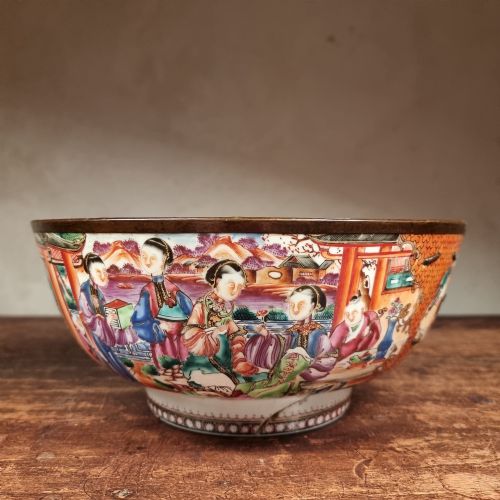
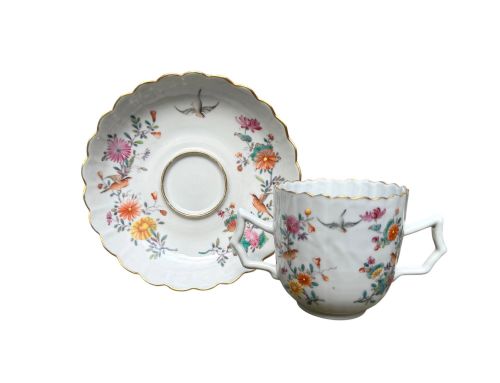
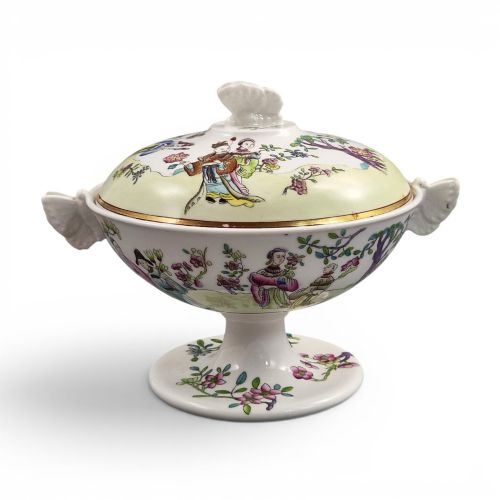
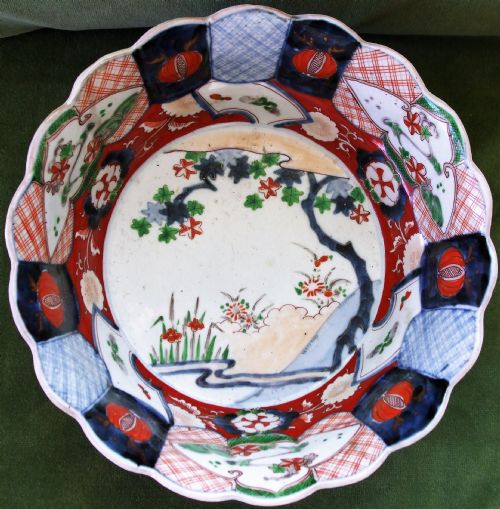
A polychrome porcelain bowl brings together varied forms such as large punch bowls, dessert dishes, and delicate tea wares from the eighteenth, nineteenth, and early twentieth centuries. You will encounter English domestic factories alongside Chinese export pieces and Japanese Imari, Satsuma, and Kutani wares.
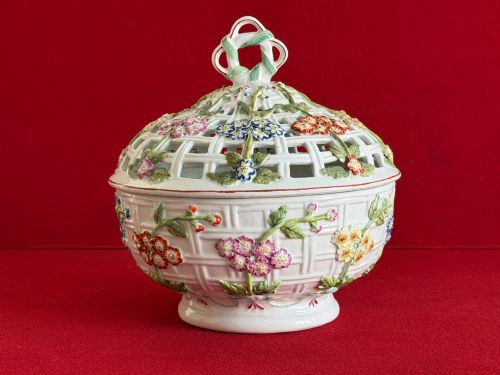
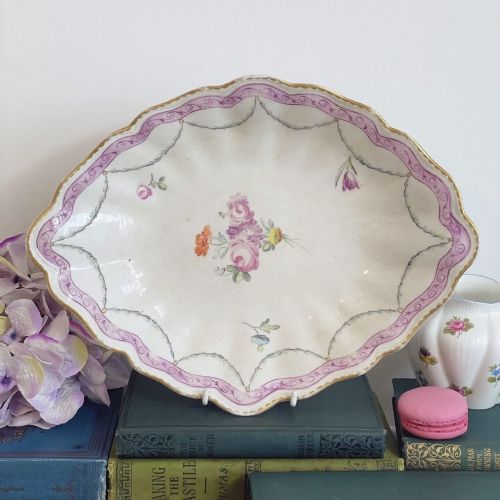
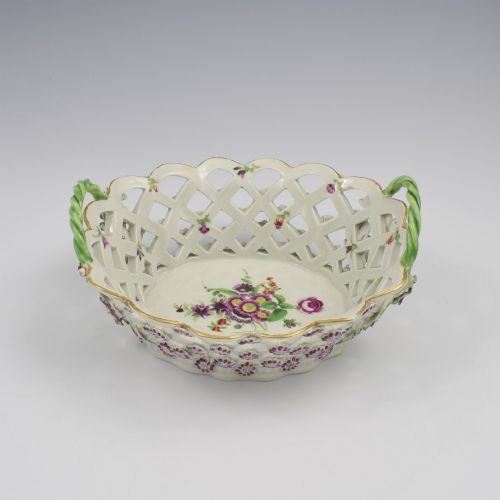
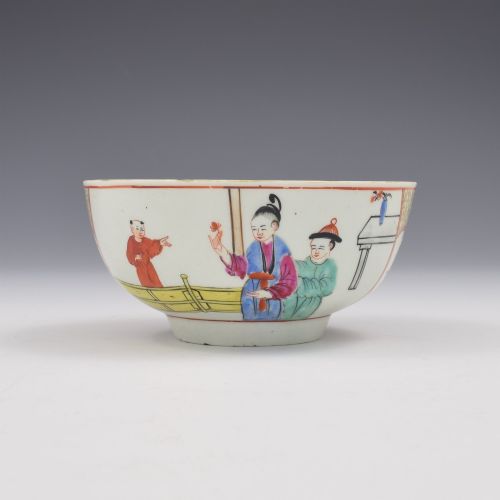
The selection ranges from Georgian soft-paste chestnut baskets and Derby serving dishes to extensive nineteenth-century Chinese Canton famille rose vessels and Showa period Japanese pieces. These diverse origins reflect global trade routes and shifting aesthetic preferences across multiple dynasties and reigns.
Materials and construction
Potters shaped these vessels using porcelain, soft-paste porcelain, earthenware, and ceramic, often applying lead-glazed surfaces to receive handpainted polychrome decoration. Workshops then utilised vibrant enamels, gold leaf, gilt, and gilding to enrich the painted scenes.
Firing techniques varied between European kilns and Asian centres, resulting in bodies ranging from translucent eggshell porcelain to heavier earthenware. Painters applied pigments by hand, sometimes mounting the finished porcelain in ormolu or pairing it with stands.
Polychrome Porcelain Bowl Retail Price Guide 2026
Typical asking prices for polychrome porcelain bowl among the pieces listed under this phrase on Sellingantiques today, from the lower quarter to the upper quarter. They describe what is for sale here now, not the wider market.
Listings feature porcelain, earthenware, and soft-paste ceramic bodies decorated with enamel, gilding, and gold leaf across the eighteenth and nineteenth centuries.
Distinctions in quality
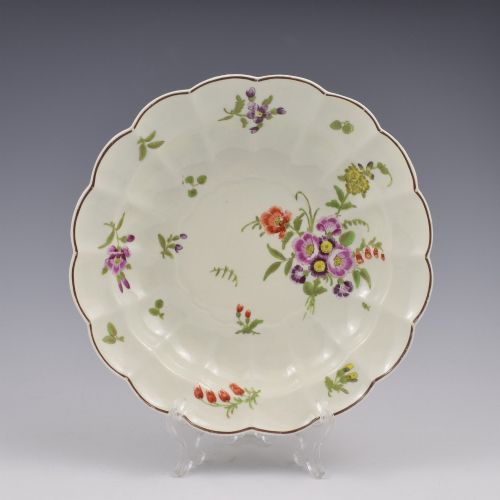
Quality rests in the precision of the handpainted brushwork, particularly the detail within polychrome figures, flowers, and natural motifs. Crisp enamel application and well-defined gilding distinguish superior examples from standard production pieces.
The crispness of the porcelain moulding, whether reticulated, scalloped, or cast with figural elements, dictates the refinement of the finished form. Signed pieces and those retaining specific period marks demonstrate greater workshop accountability and artistic ambition.
Derby Porcelain·Dr Wall Worcester·Chelsea·Meissen·Spode·Sitzendorf·Plaue Schierholz
The Polychrome Porcelain Bowl Glossary
- Polychrome
- Decoration executed in multiple colours, usually applied as enamels over the glaze. This technique allows for complex pictorial scenes and vibrant floral patterns.
- Famille Rose
- A major palette of Chinese ceramic glazes introduced in the eighteenth century, characterised by pink or opaque rose enamel. It frequently depicts figures, birds, and botanical arrangements.
- Imari
- A style of Japanese porcelain decorated in underglaze blue and overglaze red, gold, and other colours. Production centred on the town of Arita for both domestic use and export.
- Soft-paste Porcelain
- An artificial porcelain composition fired at lower temperatures than true hard-paste porcelain. English factories utilised this material extensively during the eighteenth century.
- Reticulated
- Openwork or net-like patterns formed in the ceramic body before firing. Potters used this method to create decorative pierced walls on baskets and stands.
Polychrome Porcelain Bowl: Frequently Asked Questions
Were these bowls used daily?
Many larger examples served functional roles at dining tables for punch, fruit, or sweetmeats, while smaller vessels functioned as slop bowls or tea wares. Others served primarily as decorative centrepieces or jardinières within formal rooms.
Usage depended heavily on the scale and material strength of the piece, with delicate eggshell porcelain reserved for display. Practical dining vessels often show light wear appropriate to their service history.
How can I tell English from Asian porcelain?
English pieces from the eighteenth and nineteenth centuries typically employ soft-paste or bone-infused bodies with domestic floral or landscape motifs. Look for factory marks such as anchor symbols or crescent shapes associated with English kilns.
Asian export pieces, including Chinese Canton and Japanese Satsuma, feature distinct decorative canons like famille rose palettes or thousand flowers patterns. The paste, potting weight, and base finish also provide clear indications of origin.
What does Dr Wall period mean?
The Dr Wall period refers to the early phase of the Worcester porcelain factory, operating from the mid-eighteenth century under the leadership of Dr John Wall. Pieces from this era are celebrated for fine potting and early polychrome painting.
Collectors prize these items for their sophisticated aesthetic and association with early English ceramic achievement. Look for characteristic square or crescent marks on the underside.