
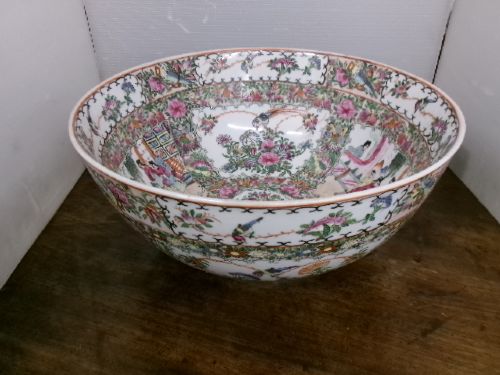
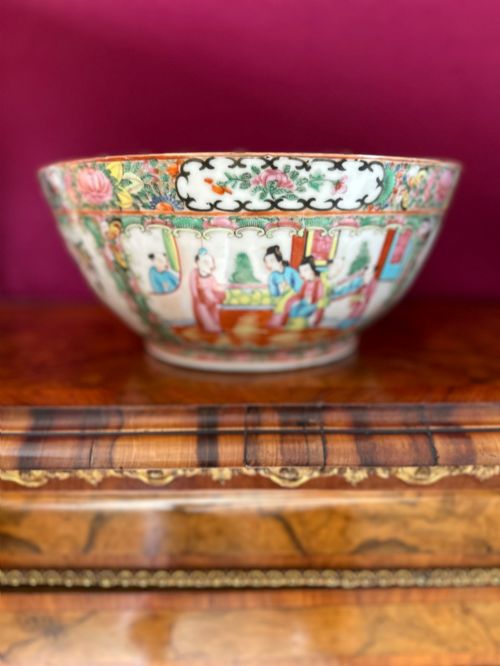
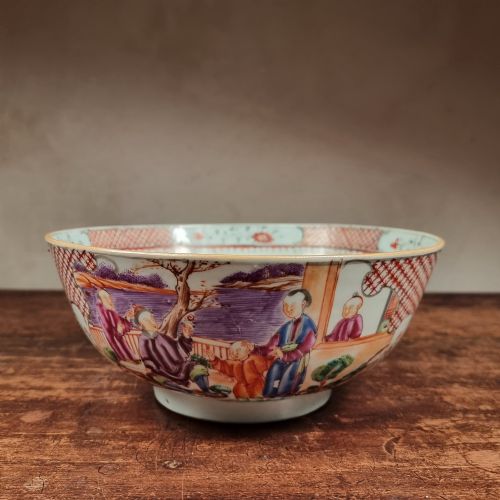
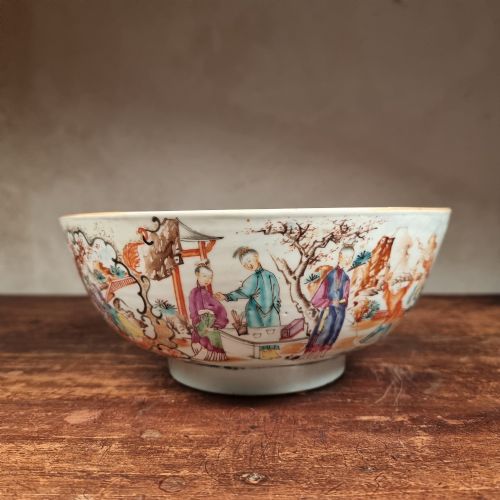
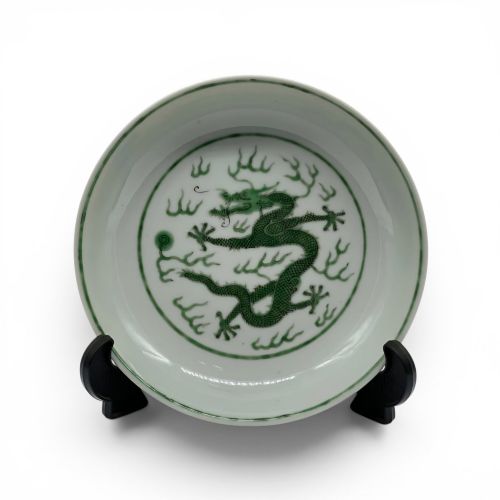


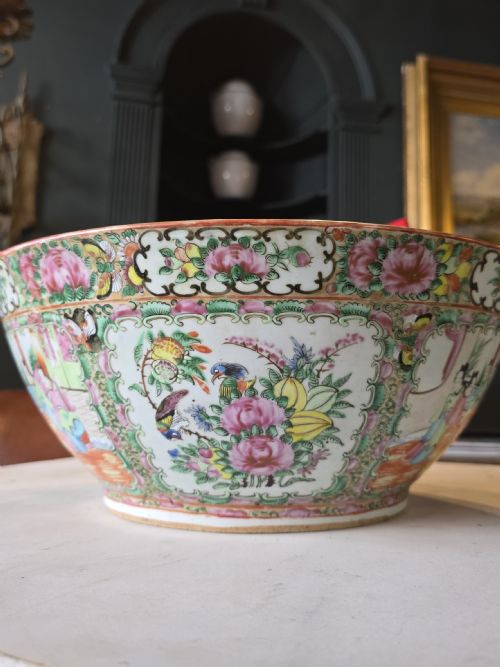


Hand Painted Chinese Bowl
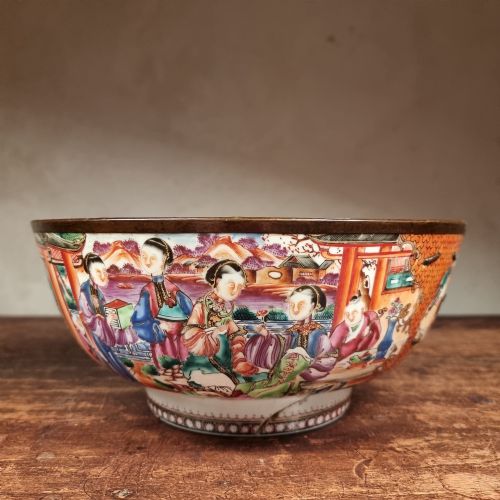
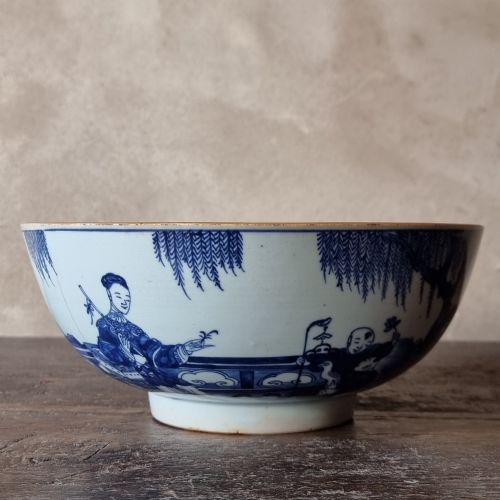
These hand painted chinese bowl examples range from eighteenth-century armorials to nineteenth-century Canton wares, offering rich colour and historic table presence.
What they are
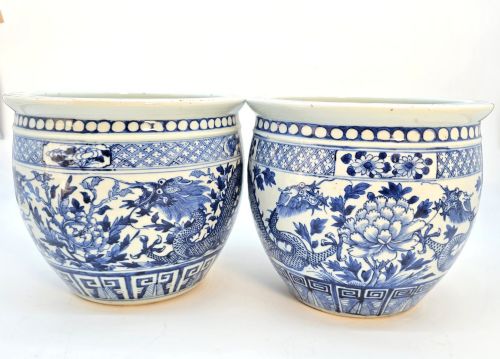
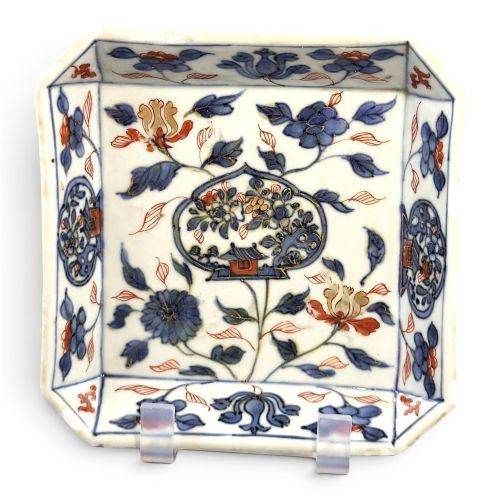
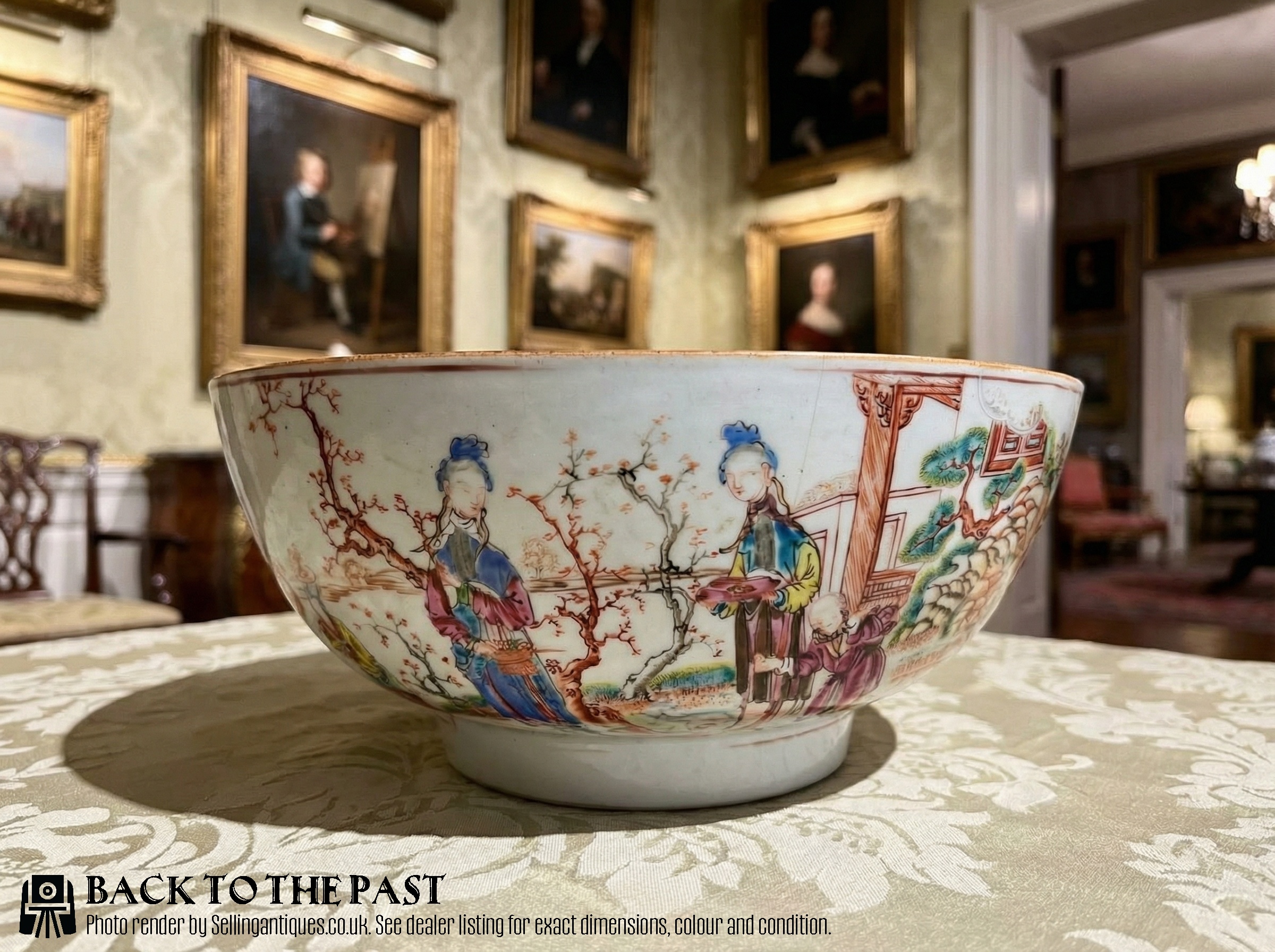
When you search for a hand painted chinese bowl, you encounter a variety of forms spanning centuries of export and domestic production. The selection encompasses decorative bowls, tableware, punch bowls, and dishes with covers and stands.
You are most likely to meet nineteenth-century Canton pieces alongside eighteenth-century porcelain examples. The styles extend from Qing Dynasty works and Chinese Export porcelain to Georgian Chinoiserie.
The assortment captures both grand punch bowls intended for social dining and smaller decorative vessels. Each piece demonstrates traditional Asian and European-influenced design idioms executed by skilled hands.
How they were made
Potters shaped these items from porcelain, applying glaze to create a smooth vitreous surface before further artistic intervention. Artisans then utilised enamel, overglaze enamel, and blue and white pigments to build up complex pictorial scenes.
Many examples incorporate gilding, gold leaf, and brass components to highlight rims and decorative motifs. The application of these metallic accents requires precise brushwork that complements the underlying ceramic body.
Retail Price Guide 2026
Typical UK retail prices for hand painted chinese bowl, calculated from the Sellingantiques database of over a million retail prices indexed since 2003. This retail price guide relies exclusively on Sellingantiques data; no external sources or auction records are used, so the figures do not describe the wider market.
Listings feature porcelain pieces spanning the eighteenth and nineteenth centuries, incorporating materials like enamel, gold leaf, and brass.
What varies in quality
The distinction between standard items and superior examples lies in the finesse of the brushwork and the complexity of the painted narratives. Finer pieces display confident, detailed figures and floral arrangements that reveal a master decorator's hand.
Material richness also dictates quality, particularly the depth of the glaze, the vibrancy of the enamel palette, and the generous integration of gold leaf. Heavier, larger vessels such as punch bowls command attention through their substantial presence and balanced proportions.
The Hand Painted Chinese Bowl Glossary
- Canton
- A major production centre in China known for vibrant export porcelain featuring detailed figures and botanical motifs. These pieces often utilise the Famille Rose palette.
- Famille Rose
- A palette of opaque rose-pink enamel introduced in the Qing Dynasty. It allows for subtle shading and realistic depiction of flowers and robes.
- Armorial
- A design incorporating a European family crest or coat of arms painted onto Chinese porcelain. These were commissioned specially for wealthy Western patrons.
- Overglaze enamel
- Pigments applied on top of a fired and glazed ceramic surface, requiring a second, lower-temperature firing to fix the colours. This technique permits a wide spectrum of bright hues.
- Chinoiserie
- A European artistic style reflecting Chinese motifs and techniques, popular in the eighteenth century. Georgian examples blend local furniture or ceramic traditions with orientalist fantasies.
Frequently Asked Questions
What is a Chinese punch bowl?
A Chinese punch bowl is a large vessel traditionally used for mixing and serving communal drinks during social gatherings. These substantial bowls frequently feature elaborate interior and exterior painted scenes.
In historic settings, they sat at the centre of the table as both functional tableware and status symbols. Their generous proportions allowed guests to observe the detailed artistry while partaking in the contents.
How do I identify Canton porcelain?
Canton porcelain is typically identified by its busy, colourful decoration depicting people, birds, and butterflies amid dense foliage. The palette relies heavily on rose pinks and greens.
These nineteenth-century pieces often showcase Mandarin scenes and gilt highlights. The overall visual effect is dense and decorative rather than sparse.
What is Chinese export porcelain?
Chinese export porcelain refers to ceramics made in China specifically for the Western market from the sixteenth to the nineteenth centuries. The designs often cater to European tastes while retaining traditional Eastern manufacturing techniques.
Such pieces include armorial services, punch bowls, and decorative tableware shipped via trading companies. They bridge two distinct decorative traditions.
How do I care for antique porcelain?
Antique porcelain requires gentle handling and should be washed by hand in lukewarm water using mild soap. Avoid soaking pieces with gilt or overglaze enamel decoration to protect the surface.
Display them away from direct sunlight and areas subject to sudden temperature shifts. Stable placement prevents accidental knocks to fragile rims and handles.