
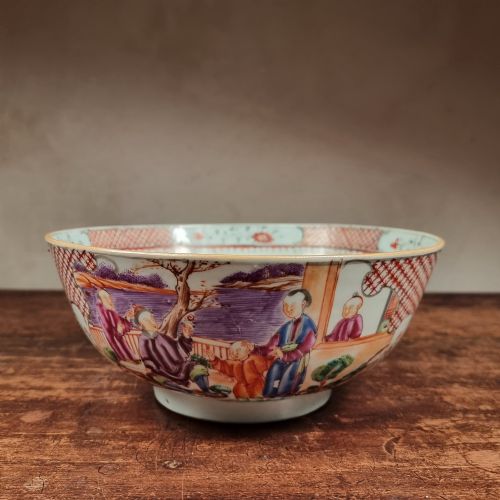
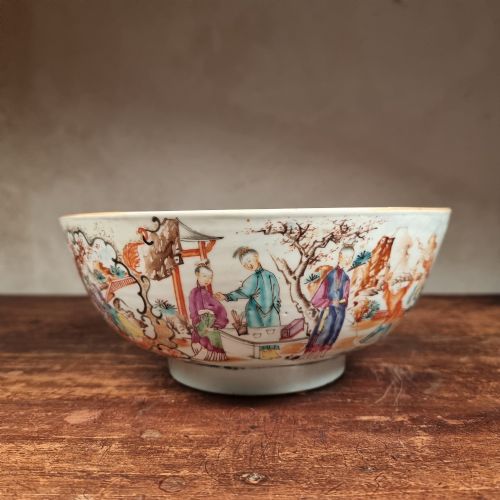
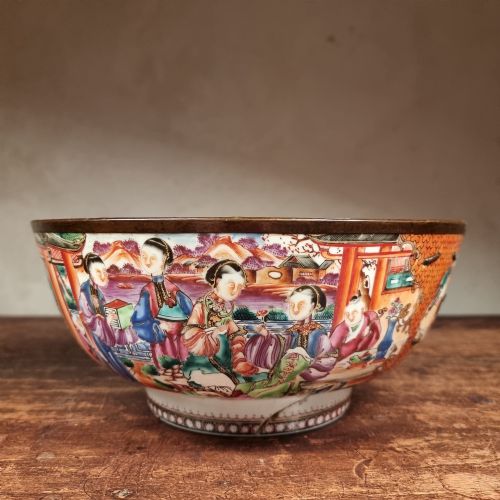
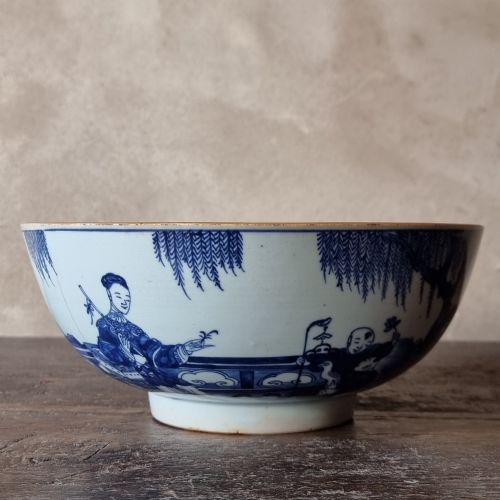

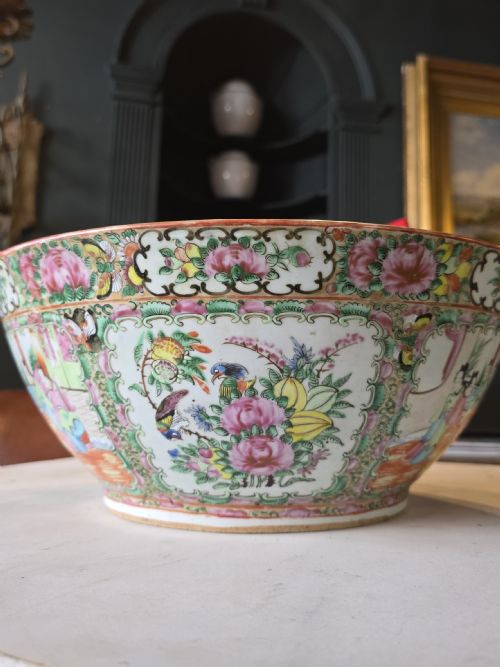


Qing Dynasty Punch Bowl
A qing dynasty punch bowl is a grand ceramic vessel made for communal drinking, prized for its intricate hand-painted detail and generous scale.
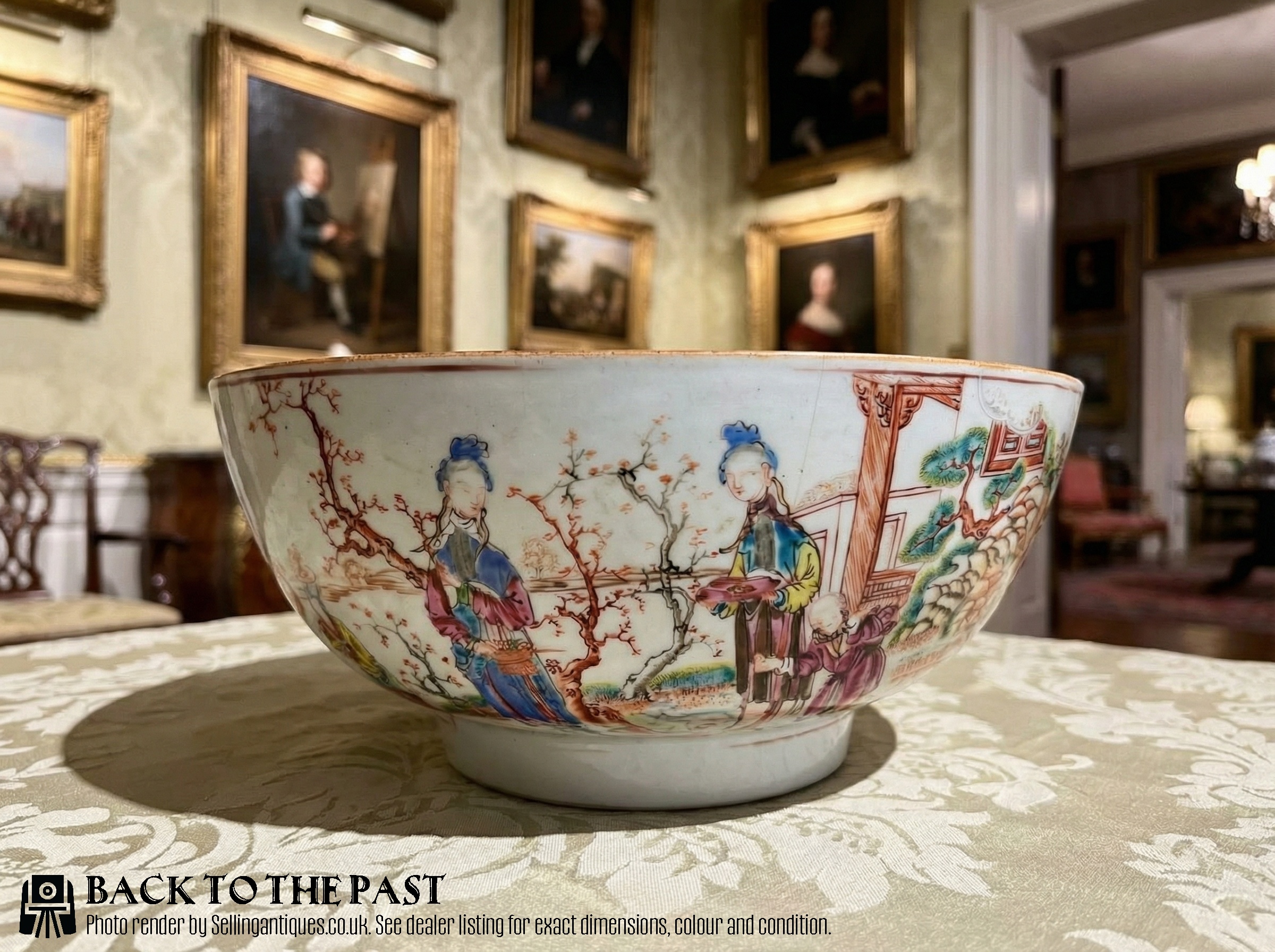
Qing Dynasty Punch Bowl
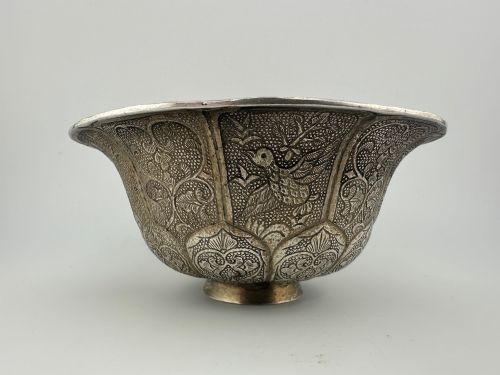
A qing dynasty punch bowl represents the height of imperial and export ceramic production, designed to anchor a table with substantial presence. These generous vessels take the form of large bowls, centrepiece bowls, and decorative bowls intended for display or communal service.
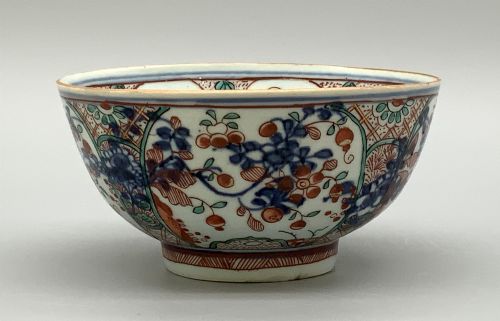
Most examples encountered here originate from the eighteenth and nineteenth centuries, spanning eras from the Kangxi period through to the late Canton and Rose Medallion styles. Buyers frequently find pieces decorated with Chinese export designs, famille rose palettes, and cobalt glaze motifs.
How they were made
Potters shaped these large vessels from fine porcelain, throwing or moulding the clay before applying cobalt glaze or overglaze enamel decoration by hand. Artisans then utilised gold leaf, gilt, and gilding to accentuate specific borders and figural scenes.
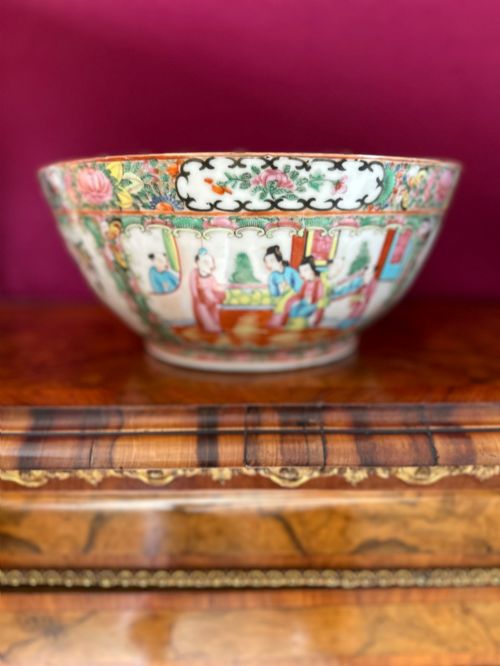
Many items incorporate elaborate details such as hand-painted panels depicting scholarly figures or floral arrangements. Certain nineteenth-century examples also feature white metal mounts or ormolu settings.
Qing Dynasty Punch Bowl Retail Price Guide 2026
Typical asking prices for qing dynasty punch bowl among the pieces listed under this phrase on Sellingantiques today, from the lower quarter to the upper quarter. They describe what is for sale here now, not the wider market.
Listings span the eighteenth and nineteenth centuries, featuring porcelain and white metal materials shaped into decorative bowls, centrepieces, and punch bowls.
What varies in quality
Quality rests upon the precision of the hand-painted brushwork and the clarity of the porcelain body. Superior examples display crisp definition in the famille rose enamels and balanced composition across the entire diameter.
The density and richness of the gilding further distinguish finer pieces, alongside the structural stability of large bowls spanning up to twenty inches. Pieces bearing deliberate scholar motifs or complex Canton narratives command particular attention.
The Qing Dynasty Punch Bowl Glossary
- Famille rose
- A major palette of Chinese ceramic enamels introduced in the eighteenth century, characterised by pink or rose opaque colours. This technique allowed for subtle gradations of tone in floral and figural subjects.
- Canton
- A style of Chinese export porcelain decorated in vibrant polychrome enamels, typically featuring panels of figures alternating with birds and flowers. Much of this ware was painted in the workshops of Canton for Western markets.
- Cobalt glaze
- A blue pigment applied directly to the porcelain body beneath a transparent glaze before firing. It produces the deep cobalt blue motifs seen on traditional blue and white scholar bowls.
- Rose medallion
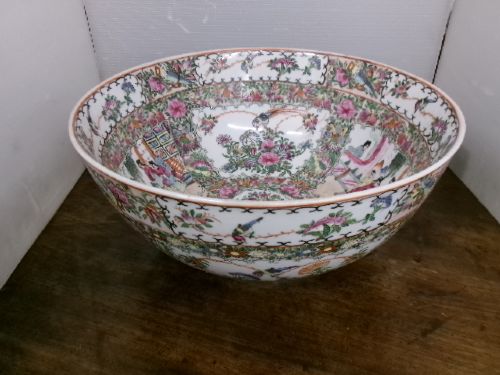
- A distinctive pattern featuring panels of figures, birds, and insects set against a background of gilt and green foliage. This style appeared frequently on large nineteenth-century export bowls.
- Chinese export
- Porcelain manufactured in China specifically for trade and export to European and American markets. These pieces often combined traditional Chinese forms with Western decorative preferences.
Qing Dynasty Punch Bowl: Frequently Asked Questions
What is a qing dynasty punch bowl?
A qing dynasty punch bowl is a large porcelain vessel created during the Qing period, often featuring hand-painted enamels or cobalt blue designs.
These pieces were made for social gatherings and large-scale serving, functioning today as decorative centrepieces.
How were these bowls used?
Historically, these large vessels held mixed drinks and punch during communal dining and social events in elite households.
Today, collectors use them primarily as decorative objects or centrepieces on large tables and sideboards.
How do I identify a Canton bowl?
Canton bowls typically display segmented panels filled with human figures, birds, and botanical motifs rendered in bright famille rose enamels.
They often incorporate dense borders of green and gold foliage surrounding the central painted scenes.
What size do these bowls reach?
These bowls vary significantly in diameter, with larger export examples measuring up to twenty inches across.
Their substantial scale allows the detailed hand-painted narratives and floral motifs to unfold fully around the exterior and interior walls.