



19th Century Chinese Bowl
A 19th century chinese bowl brings vibrant Qing dynasty colour and intricate handwork to a room.
What They Are
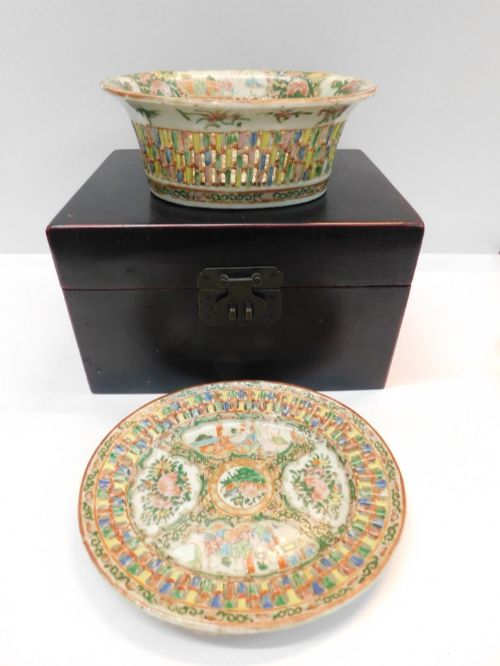
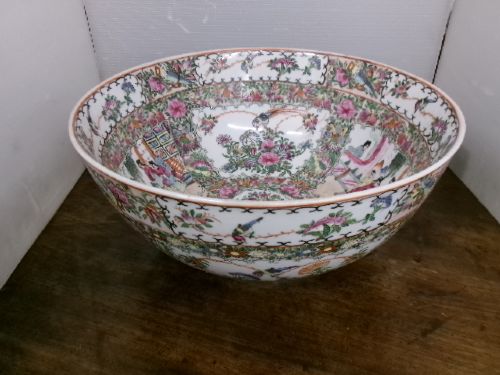
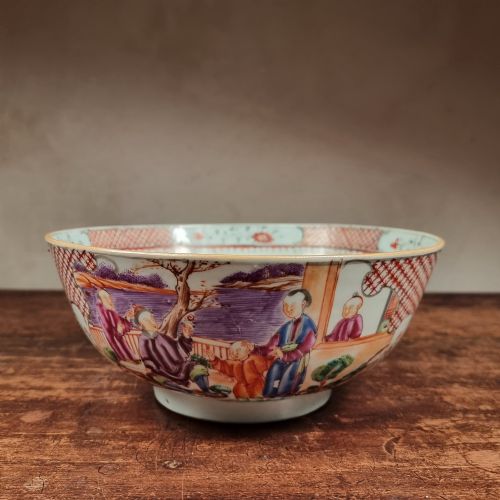
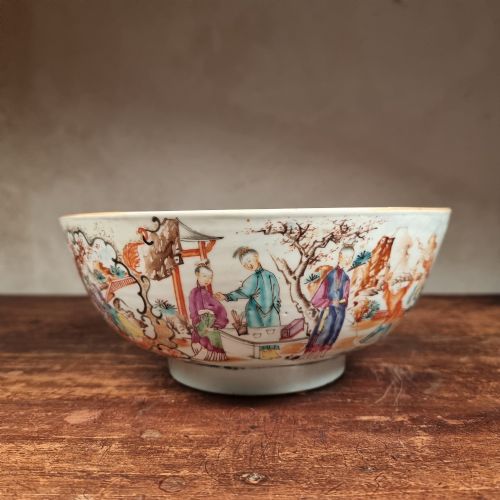
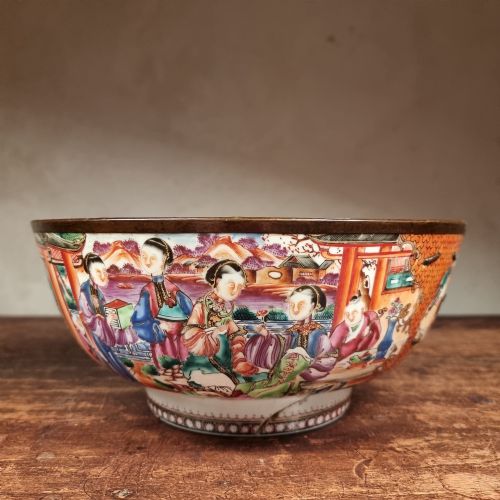
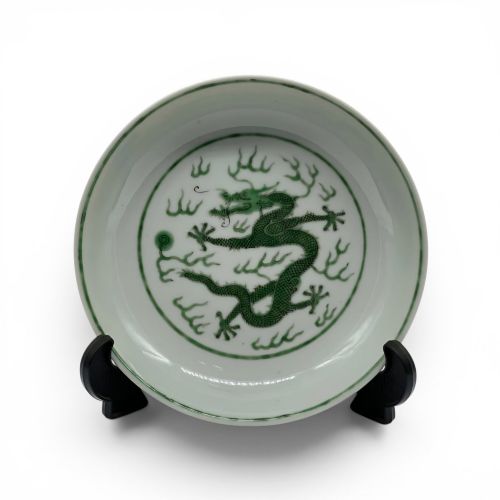
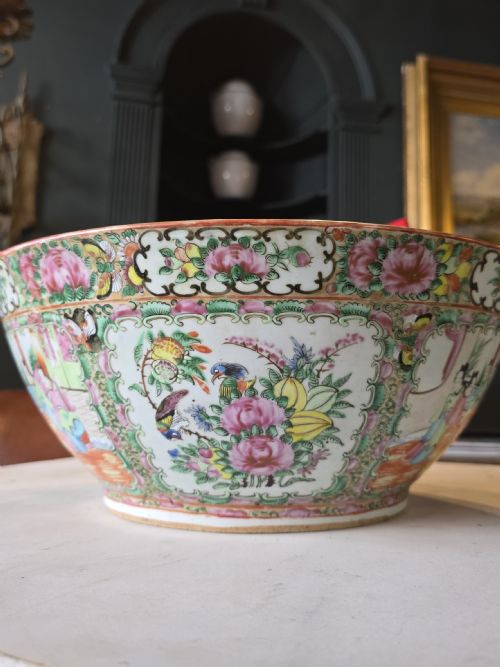
A 19th century chinese bowl encompasses a diverse array of decorative vessels, from large porcelain punch bowls to bronze planters and carved coconut shells. The most common examples met here belong to the Qing dynasty and Chinese export traditions, particularly Cantonese famille rose and rose medallion styles.
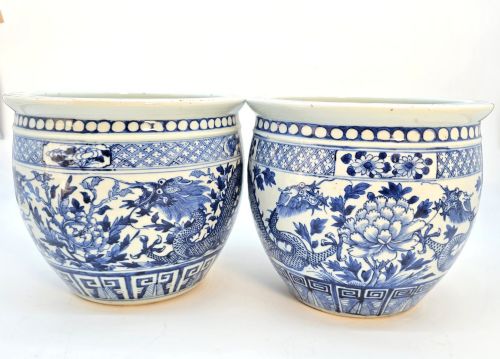
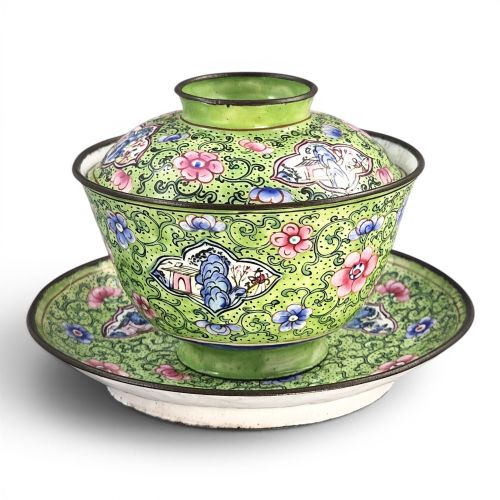
Buyers encounter everything from delicate porcelain tea and saucer bowls to substantial fish bowls and jardinieres resting on stands. These pieces served functional roles in historic households, functioning as punch bowls, planters, or ceremonial vessels before entering the decorative market.
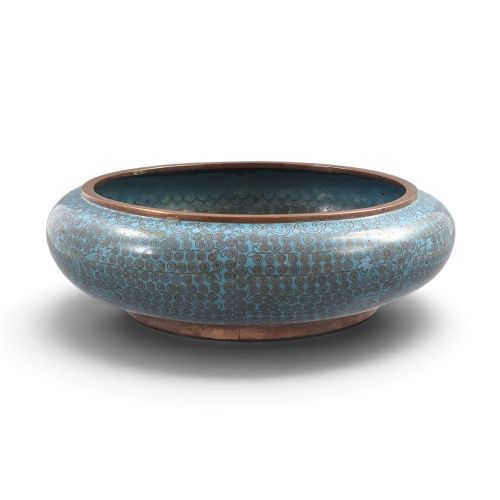
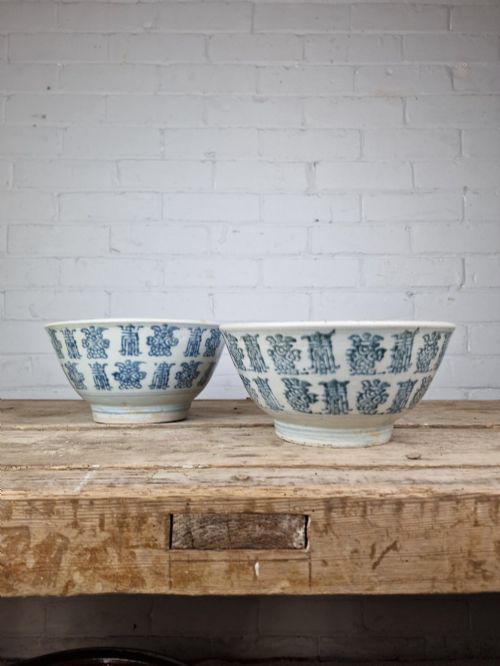
The aesthetic ranges from vibrant overglaze enamel palettes featuring intricate figural scenes to restrained blue and white designs and heavy bronze cloisonné work. Regional and material variations mean collectors find both fragile porcelain and robust metalwork bearing traditional motifs.
How They Were Made
Ceramic pieces rely on porcelain bodies decorated with overglaze enamel, gilding, and gold leaf, often finished with detailed hand-painted scenes characteristic of the Qing dynasty. Bronze and brass examples utilise cloisonné and champleve techniques, embedding enamel within wire cells or cast recesses to create intricate patterns.
Alternative materials demonstrate varied craftsmanship, including carved coconut shells accented with gilt Chou symbols and copper vessels embellished with semi-precious stones. Artisans combined casting, hammering, carving, and firing methods depending on whether the vessel was formed from clay, metal, or organic material.
Retail Price Guide 2026
Typical UK retail prices for 19th century chinese bowl, calculated from the Sellingantiques database of over a million retail prices indexed since 2003. This retail price guide relies exclusively on Sellingantiques data; no external sources or auction records are used, so the figures do not describe the wider market.
Listings feature porcelain, bronze, brass, copper, and coconut shell, alongside decorative styles from the Qing dynasty and Chinese export traditions.
What Varies in Quality
Quality rests upon the precision of the hand-painted details in the enamel work and the crispness of the casting in bronze or brass vessels. Finer porcelain bowls display controlled brushwork and balanced compositions within their famille rose or Imari palettes.
The weight and ambition of the piece also distinguish the range, as larger punch bowls, heavy bronze jardinieres with intricate dragon decoration, and items featuring applied elements like elephant masks or lion handles represent more complex craftsmanship.
Samson
The 19th Century Chinese Bowl Glossary
- Famille Rose
- A palette of opaque pink and rose enamels introduced in the Qing dynasty. It allowed artists to render nuanced tonal gradations in floral and figural motifs.
- Cloisonné
- A metalworking technique where enamel paste is applied within compartments created by soldering flat metal wire onto a bronze or copper base.
- Jardiniere
- A large ornamental pot or bowl designed to hold live plants or flowers. These sturdy vessels frequently rest on raised feet or dedicated stands.
- Canton
- Referring to goods produced in Guangzhou for export to Western markets. These pieces are typically characterised by dense, colourful medallion patterns.
- Champleve
- An enamelling method where troughs or cells are carved directly into a metal surface to hold coloured glass paste before firing.
Frequently Asked Questions
How were these bowls originally used?
Historic households utilised these vessels for multiple purposes, ranging from serving punch at large gatherings to holding water and plants as jardinieres.
Heavier bronze and brass bowls often functioned as planters or censors, while delicate porcelain pieces served dining and display roles in both Asian and European homes.
How do I distinguish bronze cloisonné from porcelain?
Bronze cloisonné involves metal vessels decorated with wired enamel cells, resulting in a tactile, metallic surface structure.
Porcelain bowls are ceramic objects fired at high temperatures, offering a smooth glazed body painted with overglaze enamels or cobalt blue.
Where were these export pieces made?
Many export pieces were produced in kilns and workshops around Guangzhou, historically known as Canton, specifically for Western trade.
Other items originated from broader Qing dynasty production centres, reflecting tastes influenced by both domestic Chinese traditions and foreign market demands.