
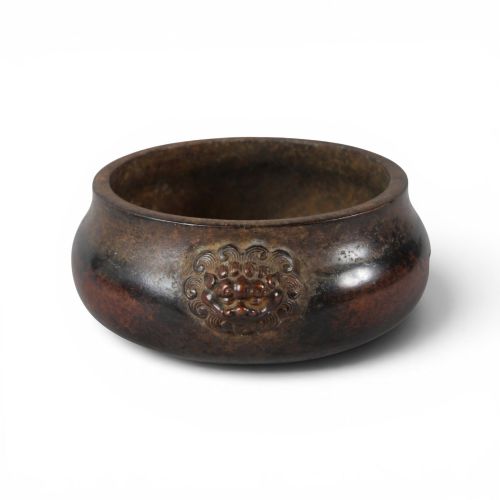
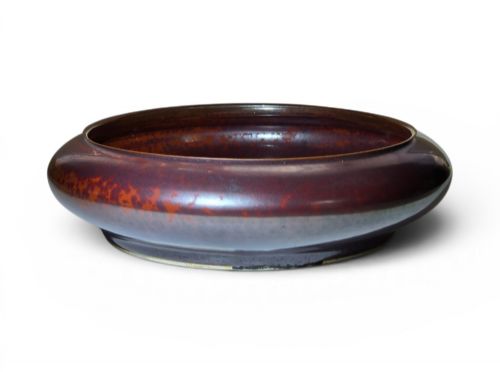
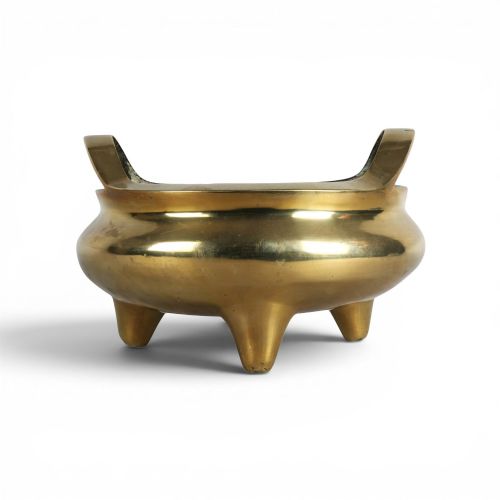


18th Century Chinese Bowl
An 18th century chinese bowl brings tangible Qing Dynasty artistry into your home, offering hand-painted detail and centuries of heritage.
What an 18th century chinese bowl is
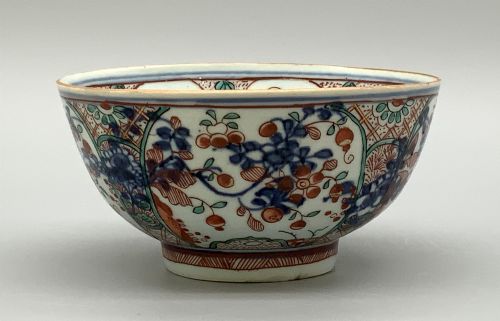
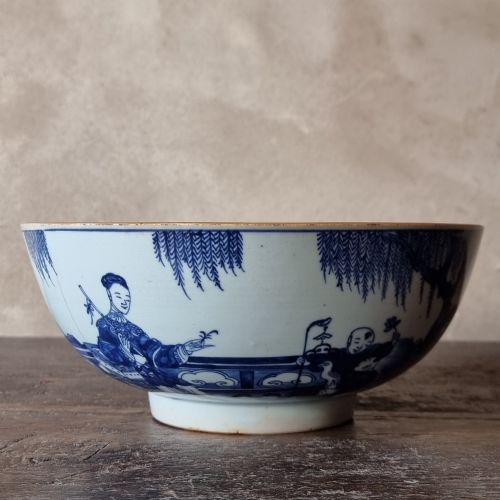
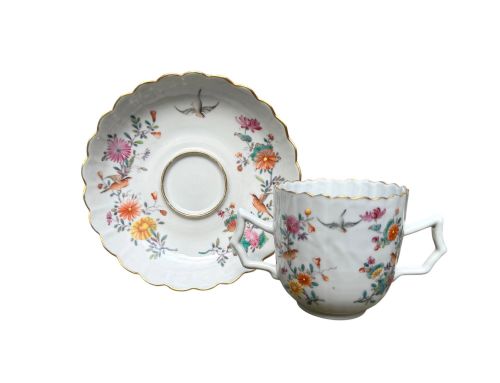
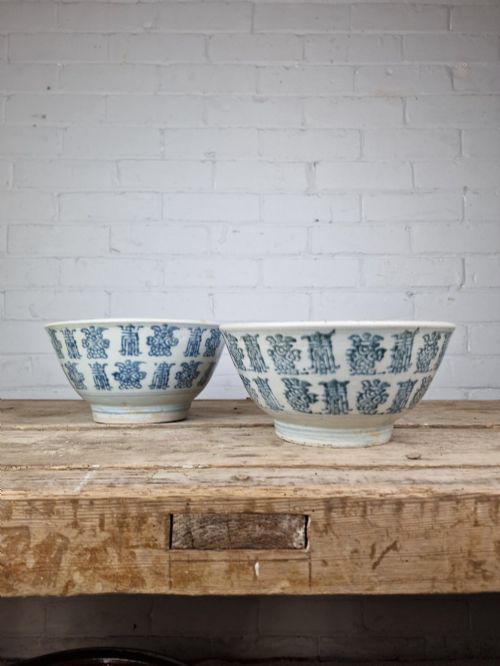
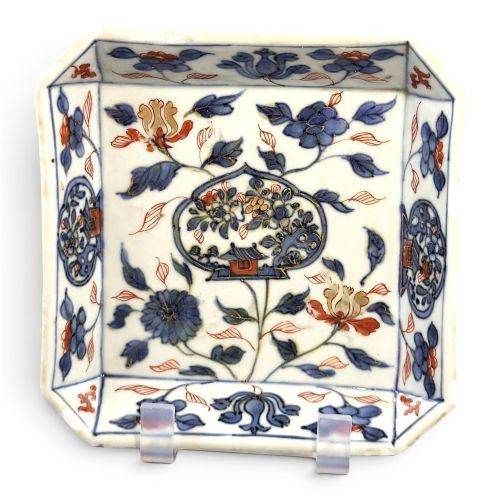
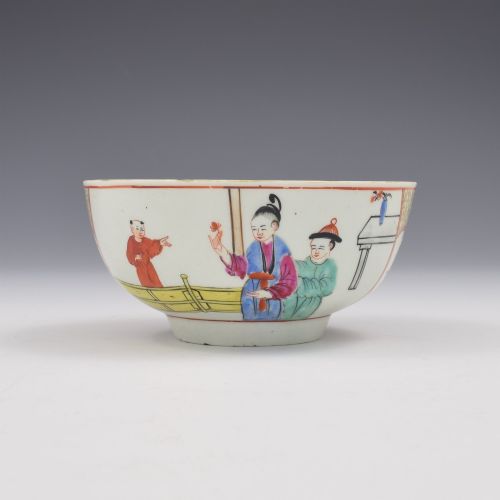
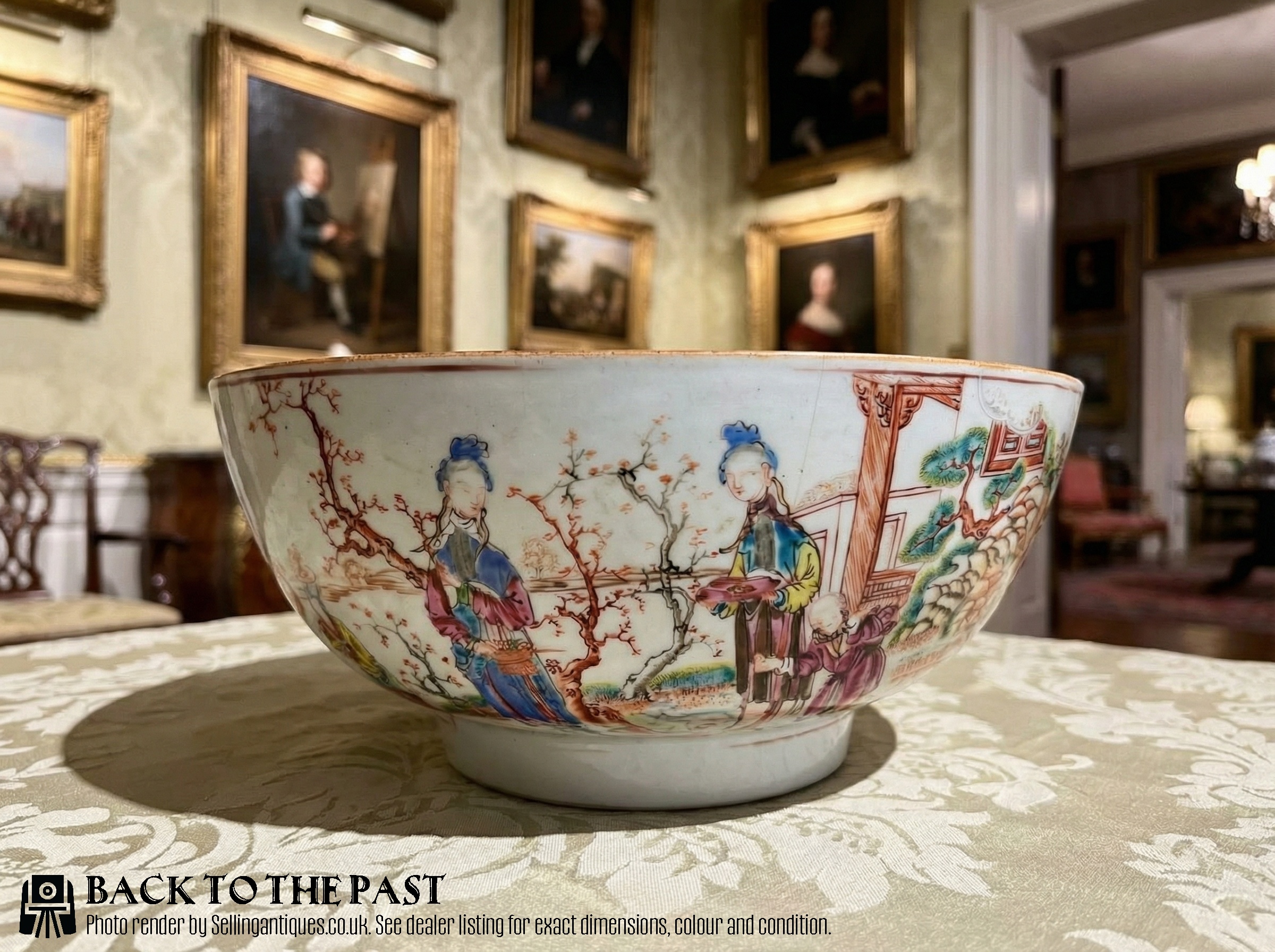
An 18th century chinese bowl comprises various porcelain vessels originating from the Qing Dynasty, including large punch bowls, decorative bowls, and smaller tea bowls. You will frequently encounter blue and white export wares, Imari patterns, and Famille Rose enamel decorations among these listings.
The evidence shows examples spanning the Kangxi period, featuring specific period marks alongside provincial porcelain bowls and armorial designs. These vessels served both functional dining roles and decorative display purposes across domestic and export markets.
How they were made
Potters shaped fine porcelain clay before applying cobalt glaze or enamel decoration by hand. Many pieces underwent high-temperature kiln firing to fuse the metallic oxides and coloured glazes to the ceramic body.
Some decorative vessels received metal mounts or detailed hand-painted floral motifs executed over the underlying glaze. Provincial pieces display the more direct brushwork typical of regional kilns operating during the period.
Retail Price Guide 2026
Typical UK retail prices for 18th century chinese bowl, calculated from the Sellingantiques database of over a million retail prices indexed since 2003. This retail price guide relies exclusively on Sellingantiques data; no external sources or auction records are used, so the figures do not describe the wider market.
Some punch bowls were built large enough to float a small armada of tea cups.
What varies in quality
Quality in an 18th century chinese bowl rests upon the precision of the hand-painted brushwork and the clarity of the cobalt glaze or enamel ground. Pieces with vibrant yellow grounds or crisp armorial details represent the upper end of the range.
The refinement of the porcelain body and the control demonstrated during the kiln firing process distinguish standard provincial output from finely potted Kangxi or export wares.
The 18th Century Chinese Bowl Glossary
- Famille Rose
- A palette of opaque enamel colours introduced in the Qing Dynasty, dominated by pink and rose hues. This technique allowed for nuanced shading on floral and figurative motifs.
- Imari
- A decorative style combining underglaze blue with overglaze iron red and gold. It originated in Japan but was extensively replicated in Chinese export porcelain.
- Punch Bowl
- A large vessel originally designed for mixing and serving communal punch drinks at social gatherings. These pieces often feature wide basins and elaborate interior and exterior decoration.
- Cobalt Glaze
- A blue mineral pigment applied under the transparent glaze before firing. It produces the characteristic deep blue coloration seen in traditional Chinese porcelain.
Frequently Asked Questions
How were these bowls used?
These vessels served practical functions such as serving punch or tea during social occasions. Larger examples held liquids or displayed food, while smaller tea bowls were used for daily consumption.
Over time, many transitioned into purely decorative objects, displayed in cabinets or on tables to showcase their hand-painted artistry and historical significance.
How do I date an 18th century piece?
Dating relies on stylistic markers, potting techniques, and specific reign marks applied to the base of the porcelain. Examining the brushwork and the chemical composition of the glaze helps narrow the production window.
Comparing the decorative motifs, such as Famille Rose or Imari palettes, against documented period examples provides further confirmation of age.
Are these bowls dishwasher safe?
These antique porcelain vessels require hand washing with mild soap and warm water. Modern dishwashers utilise harsh detergents and abrasive cycles that will damage fragile overglaze enamels and historic ceramic bodies.
Careful manual cleaning preserves the delicate hand-painted decoration and prevents structural stress to the centuries-old material.
What is Chinese export porcelain?
Chinese export porcelain refers to wares manufactured in China specifically for the European and American markets. These pieces often incorporated Western armorial designs or shapes tailored to foreign tastes.
They reflect global trade patterns of the period, bridging Eastern manufacturing techniques with Western decorative demands.