


Antique Asian Ceramic Bowl
An antique asian ceramic bowl brings centuries of East Asian kiln craft into a modern interior.
Antique Asian Ceramic Bowl
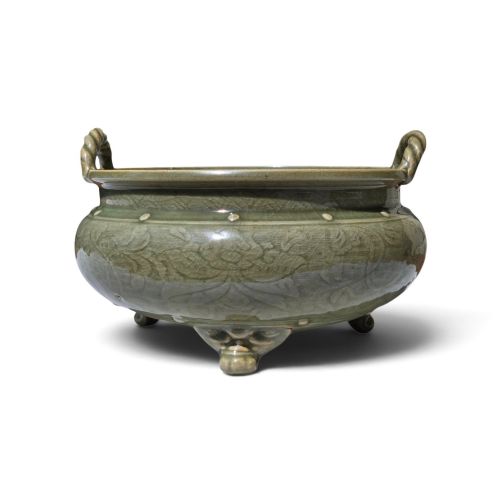
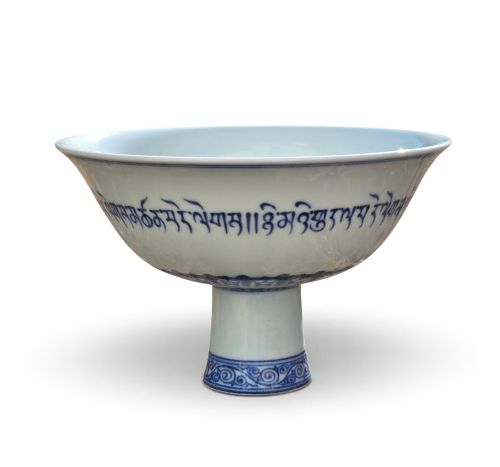
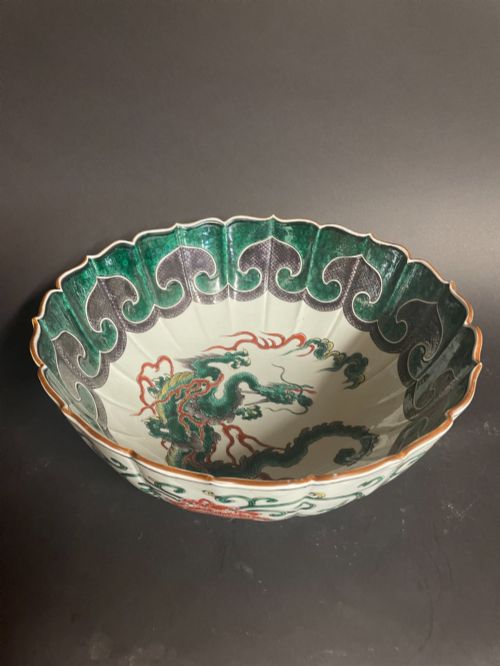
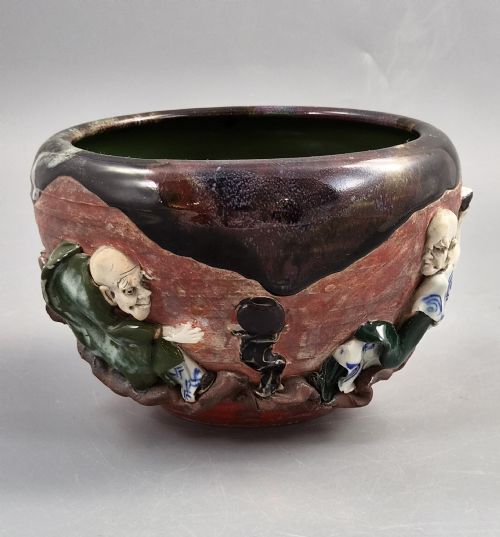
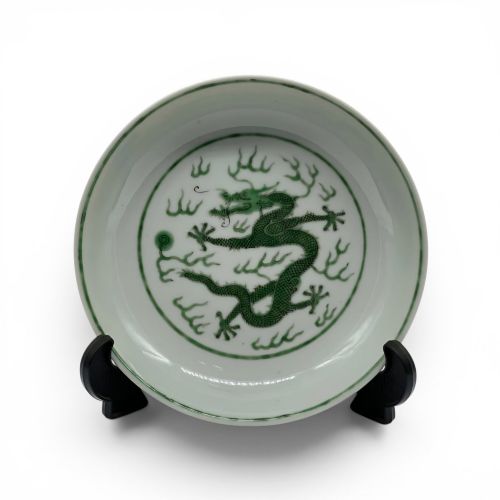
When you search for an antique asian ceramic bowl, you encounter a diverse range of vessels spanning the Ming and Qing dynasties as well as the Edo and Meiji periods. The forms include deep decorative bowls, scalloped dishes, stem cups, and tripod censers shaped by Chinese and Japanese makers.
Most examples on this page date from the eighteenth and nineteenth centuries, alongside pieces from early twentieth-century decades. These vessels served functional roles in tea ceremonies, dining, and display, utilising porcelain, earthenware, and pottery.
Materials and methods
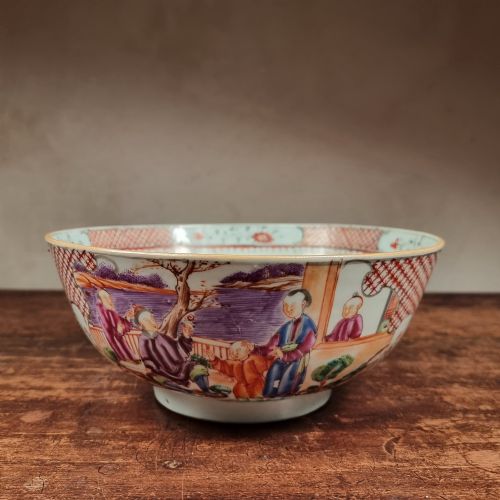
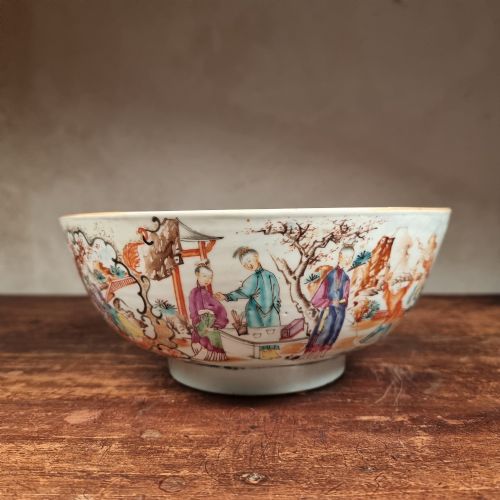
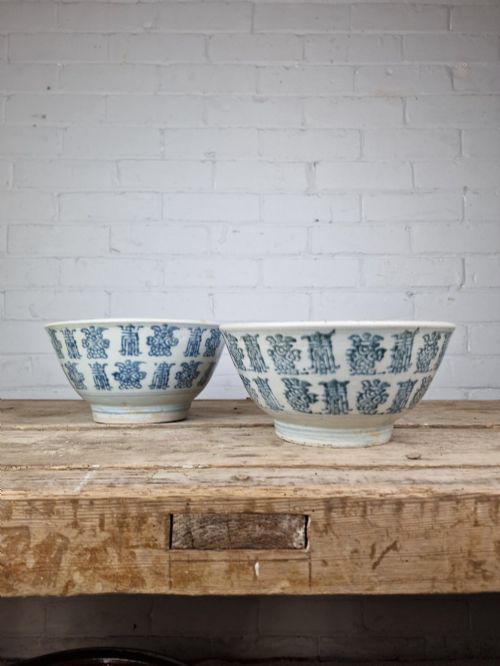
Potters shaped these vessels from fine porcelain or earthenware, applying glaze and cobalt underglaze before kiln firing. Many pieces incorporate enamel, gold leaf, and painted motifs rendered in palettes such as blue and white or famille rose.
Techniques range from incised floral and animal motifs to raised relief figures and intricate gilt enamelling. Workshops across regions like Arita, Kyoto, and regional Chinese kilns developed distinct traditions of decoration and form.
Antique Asian Ceramic Bowl Retail Price Guide 2026
Typical asking prices for asian ceramic bowl among the pieces listed under this phrase on Sellingantiques today, from the lower quarter to the upper quarter. They describe what is for sale here now, not the wider market.
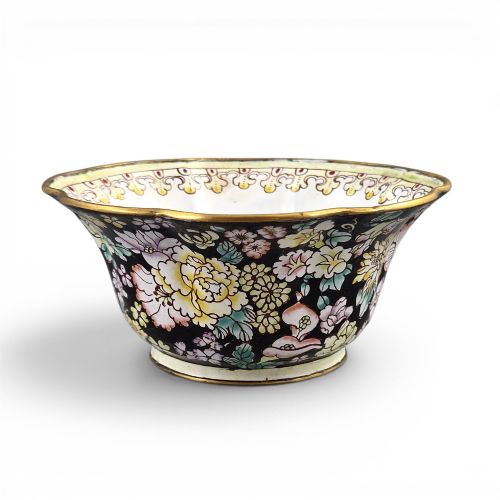
Several Meiji period bowls manage to squeeze a thousand individual painted flowers onto a single miniature surface.
Distinctions in craftsmanship
The division between standard output and superior work rests on the precision of the throwing and the execution of the painted or incised decoration. Finer pieces demonstrate control in cobalt underglaze lines, enamel placement, and the application of gold leaf.
Makers who signed their work, particularly during the Meiji period or under imperial kilns, often achieved greater refinement in glaze texture and detail. The crispness of moulded elements like scallop edges or tripod supports distinguishes masterwork from routine production.
Inoue Ryōsai·Gyokkō·Kozan·Shizan·Ryuzan·Kinkozan·Hododa
The Antique Asian Ceramic Bowl Glossary
- Celadon
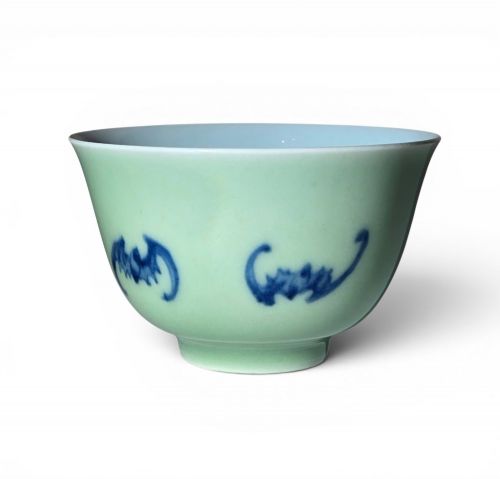
- A type of transparent green glaze applied over porcelain or stoneware, often with subtle crackle patterns. It originated in China and became prized across Asia for its jade-like appearance.
- Imari
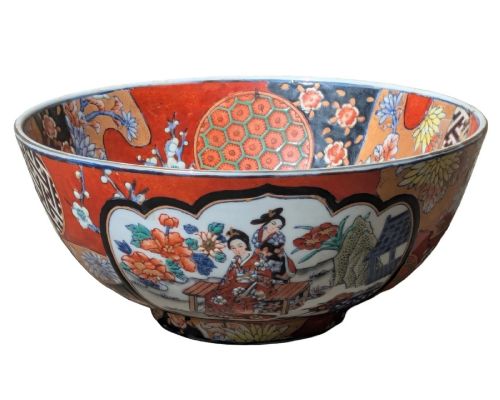
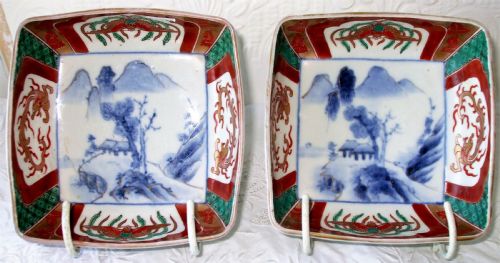
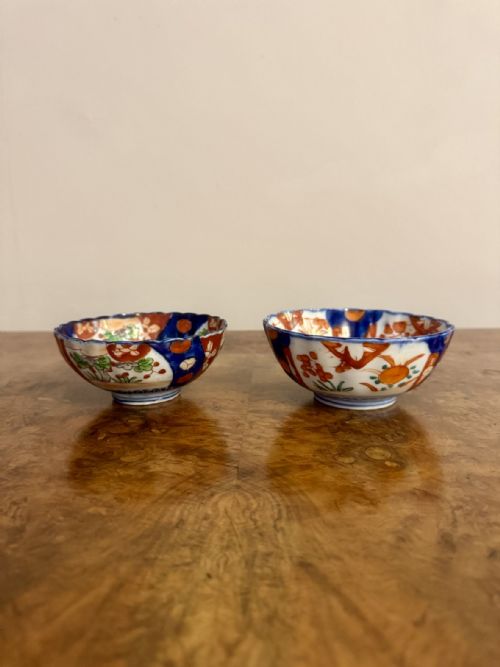
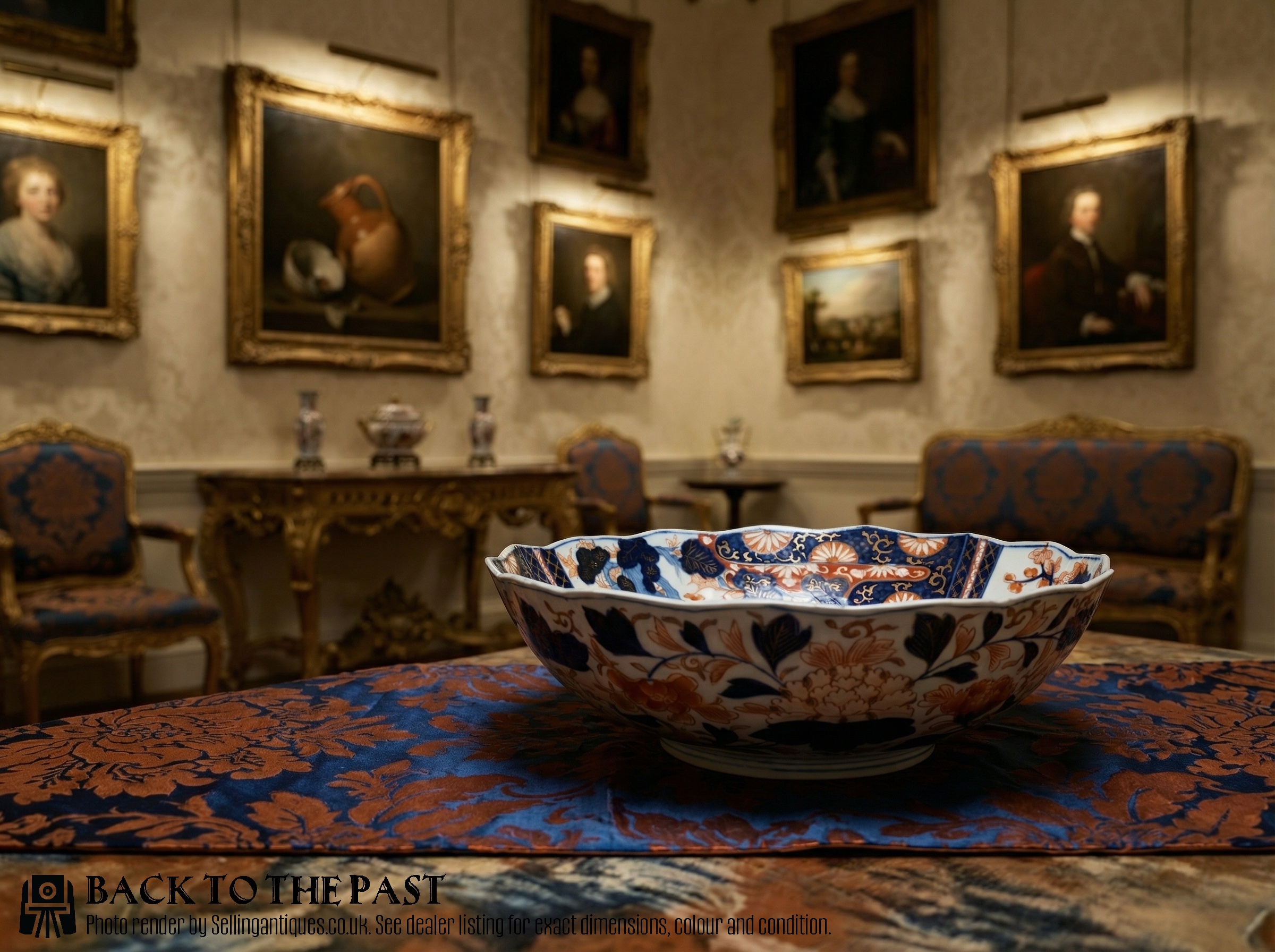
- A style of Japanese export porcelain featuring deep cobalt blue, iron red, and gold highlights. These vessels were produced primarily in Arita from the Edo period onward.
- Satsuma
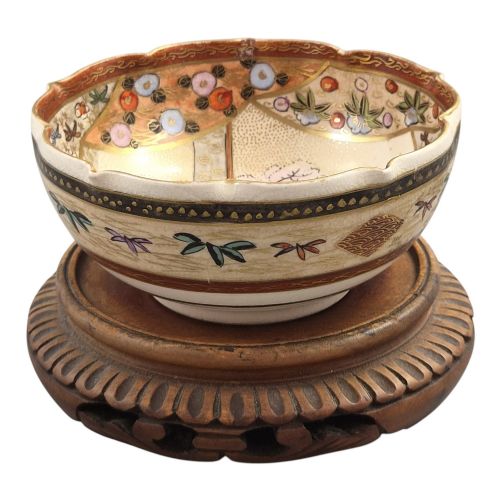
- Earthenware pottery originating from Satsuma Province in Japan, characterised by an ivory crackle-glaze and intricate polychrome enamel and gilt decoration. It gained prominence during the Meiji period.
- Doucai
- A Chinese porcelain technique involving underglaze blue outlines filled in with contrasting overglaze enamels. This method reached high levels of refinement during the Ming and Qing dynasties.
- Stem Cup
- A ceremonial or ritual vessel raised on a tall central foot rather than a flat base. These forms appear in various ceramic traditions across East Asian history.
Antique Asian Ceramic Bowl: Frequently Asked Questions
How do I identify a Japanese Imari bowl?
Japanese Imari pieces typically combine cobalt blue underglaze with iron red and gold leaf overglaze decoration. They often feature floral or brocade motifs on porcelain bodies.
These bowls were largely produced in Arita for export and domestic use, evolving through distinct stylistic phases from the Edo period to the Meiji era.
What is Satsuma ware?
Satsuma ware is a type of Japanese earthenware defined by its pale, finely cracked glaze and elaborate enamel paintings. Artisans frequently added dense floral patterns and gilt highlights.
Originally from Satsuma Province, production later expanded to Kyoto and Yokohama by master workshops catering to Western collectors during the late nineteenth century.
How were antique Chinese bowls decorated?
Chinese makers employed diverse decorative techniques including cobalt underglaze painting, famille rose enamels, and monochrome glazes such as celadon or Qingbai. Motifs ranged from dragons and bats to incised phoenix and peony designs.
Imperial and provincial kilns utilised these methods across dynasties, leaving distinct marks and stylistic signatures that indicate their period of origin.
Can I use an antique ceramic bowl for food?
While these vessels were originally made for domestic or ritual use, historic ceramics often develop hairline fractures, glaze wear, or lead content in older enamels. Most collectors prefer to exhibit them as decorative objects rather than for daily dining.
Gentle cleaning with a soft cloth and mild soap suffices for maintenance, avoiding abrasive scrubbers that might harm fragile gold leaf or enamel.