


Chinese Floral Porcelain Bowl
A chinese floral porcelain bowl brings centuries of ceramic artistry to a room, offering both decorative presence and historical depth.
Chinese Floral Porcelain Bowl
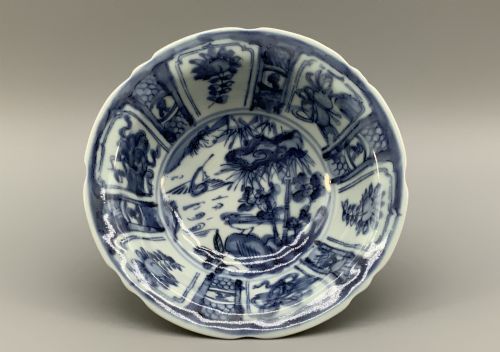
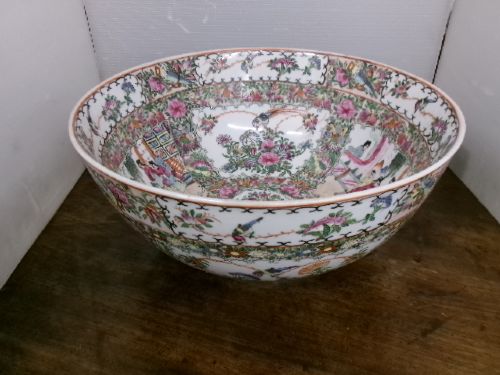
A chinese floral porcelain bowl is a vessel shaped from ceramic materials, often decorated with botanical motifs that span multiple dynasties and centuries. The pieces collected under this search phrase range from early wares of the Song and Ming periods to export and decorative bowls of the Qing dynasty and later centuries. Forms include lobed vessels, foliate-rim dishes, and large centre bowls designed for display.
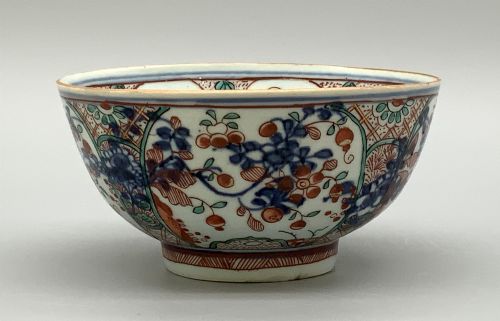
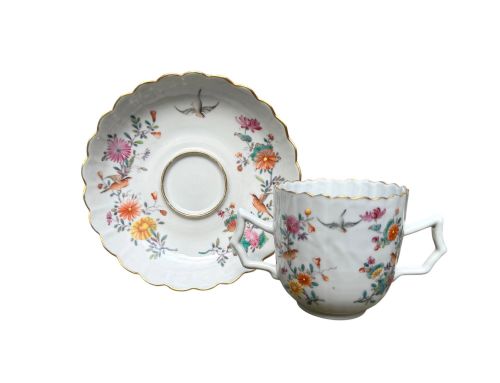
The varieties on this page encompass blue and white underglaze decoration, Imari palettes, Canton styles, and famille rose enamel work. Alongside standard circular bowls, the selection includes teacups, lidded jars, and rectangular pieces sharing similar floral themes. Each period contributes distinct potting techniques and glaze characteristics that define its origin.
What Varies in Quality
Quality in these porcelain vessels rests upon the crispness of the potting, the control of the glaze, and the precision of the hand-painted decoration. Early celadon and blue and white pieces derive their standing from the purity of the clay and the fluidity of the form, such as foliate rims and lobed sides. Later Canton and famille rose examples are judged by the density and vibrancy of the enamel work and the integration of gilding.
Subtlety of brushwork and balance in composition separate standard decorative items from exceptional examples of period craftsmanship. The consistency of the glaze finish and the refinement of the foot rim further distinguish superior pieces across all centuries.
Object forms on this page include lobed bowls, teacups, lidded jars, and large centre dishes designed for decorative display.
The Chinese Floral Porcelain Bowl Glossary
- Celadon
- A transparent green glaze applied to a porcelain or pottery body, often associated with early dynasties. The glaze pools in carved or incised decorative recesses to create varied shades of green.
- Famille rose
- A palette of opaque enamel colours dominated by pink, introduced during the Qing dynasty. This technique allowed for nuanced shading in floral and figural motifs.
- Cobalt underglaze
- A blue pigment painted onto the raw ceramic body before glazing and firing. It withstands high temperatures without fading and remains locked beneath the glassy surface.
- Imari
- A style of ceramic decoration combining underglaze blue with overglaze iron red and gold. Originating in Japan, the aesthetic was widely adopted in Chinese export porcelain.
- Foliate rim
- An edge shaped to resemble leaves or flower petals, creating a scalloped profile. This treatment appears frequently on bowls from various periods to enhance decorative movement.
Chinese Floral Porcelain Bowl: Frequently Asked Questions
Can I use these bowls for serving food?
Many older porcelain bowls are porous or feature overglaze enamels that can be damaged by acidic foods and frequent washing. Historic export and decorative pieces are generally intended for display rather than daily culinary use.
Displaying them on stable surfaces prevents accidental knocks that could chip the rim or glaze. Use stands designed for porcelain to distribute weight evenly.
How do I identify the period of a bowl?
Examine the characteristics of the foot rim, the composition of the clay body, and the style of the painted decoration. Different dynasties and centuries utilised distinct potting methods, blue tones, and enamel palettes.
Compare the piece against established examples from the same era to check potting weight and glaze texture. Signatures or reign marks, where present, offer further clues to dating.
What is Chinese export porcelain?
Chinese export porcelain refers to wares made specifically for western markets from the Ming dynasty through the Qing dynasty. These pieces often combined traditional Chinese forms and techniques with shapes and motifs requested by European buyers.
The resulting designs bridge eastern and western aesthetics, incorporating floral sprays, heraldic symbols, and familiar table shapes. They survive in significant numbers across collections today.