


Antique Porcelain Slop Bowl
An antique porcelain slop bowl brings practical table history into the modern home as a striking decorative bowl.
What these pieces are
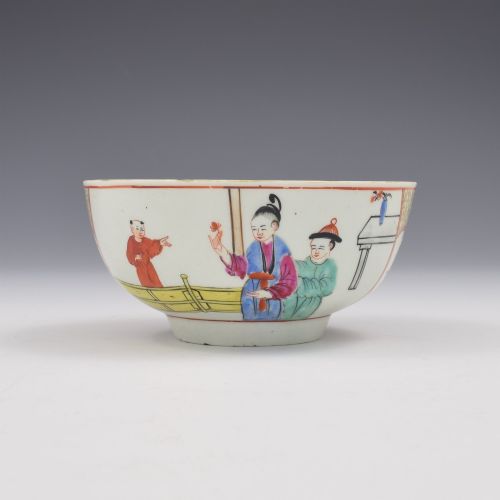
An antique porcelain slop bowl is a domestic vessel originally designed to receive tea dregs during formal service. The pieces recorded here span the eighteenth century, the Regency period, and nineteen hundred.
The forms found in these listings range from standard bowls to decorative punch bowls. Styles vary across Georgian chinoiserie, Regency chinoiserie, and nineteenth century continental designs.
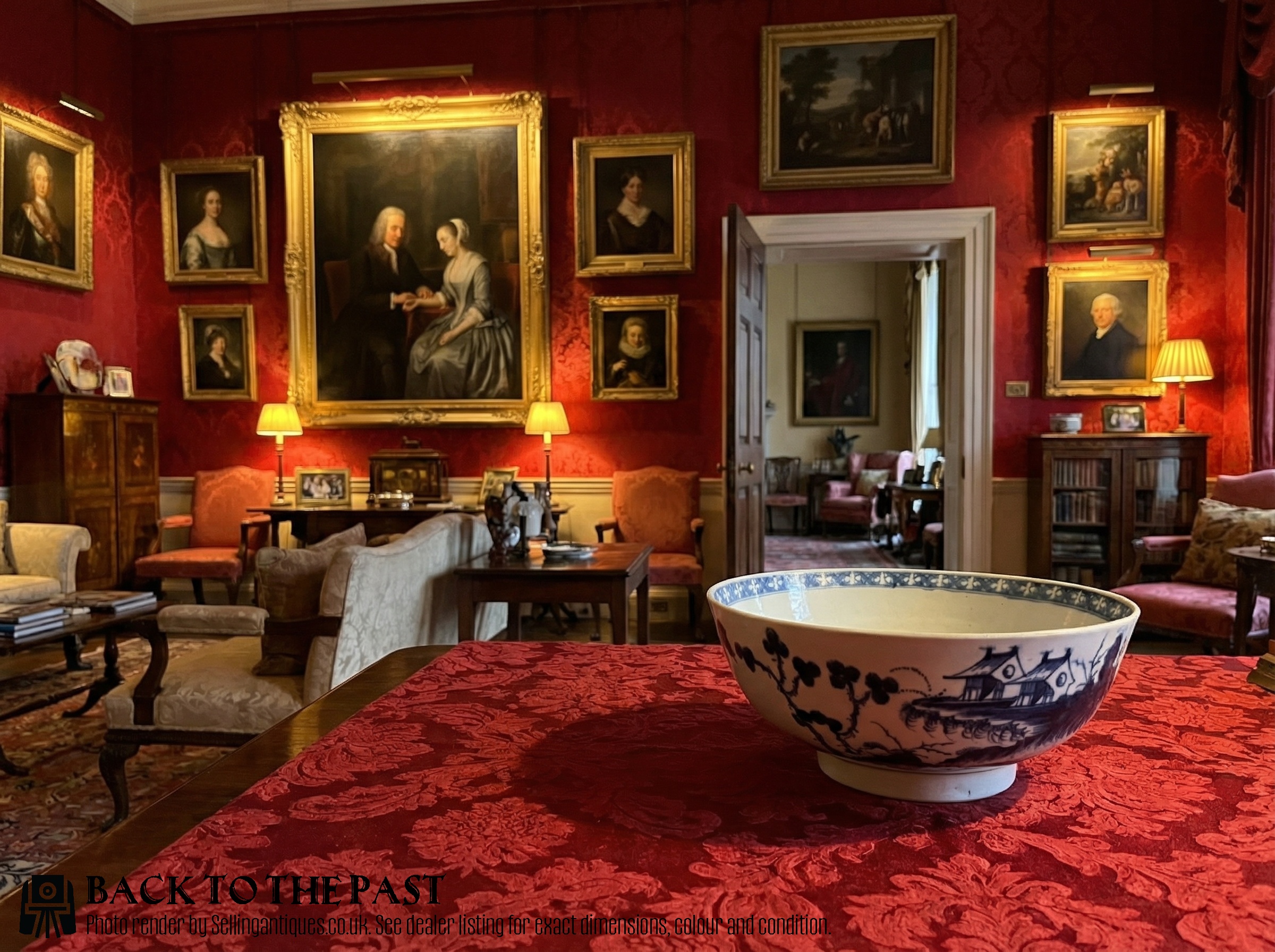
Buyers exploring this search phrase encounter porcelain and soft-paste porcelain bodies decorated with enamel, gold leaf, and cobalt underglaze. These varied materials reflect the shifting manufacturing priorities of their respective periods.
How they were made
The fabrication of these vessels relies upon traditional ceramic bodies including standard porcelain and soft-paste porcelain. Makers shaped the wet clay and fired it to create a stable base before applying any decorative schemes.
Decoration is achieved through cobalt underglaze painting, applied enamel colours, and delicate applications of gold leaf. These surface treatments often follow regional styles such as Georgian chinoiserie or continental aesthetics.
Tea drinkers once relied on these bowls to empty their lukewarm dregs before receiving a fresh pour of hot tea.
What varies in quality
Quality in these vessels rests upon the crispness of the cobalt underglaze painting and the precision of the enamel work. Finer examples show careful brush control and well-defined motifs rather than rushed execution.
The sophistication of the gilding and the purity of the porcelain body further separate standard items from superior pieces. Early soft-paste pieces and detailed Regency chinoiserie ornamentation demonstrate the heights of period craftsmanship.
The Antique Porcelain Slop Bowl Glossary
- Soft-paste porcelain
- A glassy ceramic composition fired at lower temperatures than true hard-paste porcelain. It produces a warm texture and was common in early English factories.
- Cobalt underglaze
- A blue decorative pigment applied to the raw ceramic body before glazing and firing. This technique protects the pigment under a glassy layer for lasting durability.
- Gold leaf
- Extremely thin sheets of beaten gold applied to the surface for enrichment. It catches the light and highlights prominent decorative borders.
- Chinoiserie
- European artistic interpretation of Chinese and East Asian decorative motifs. This style was particularly popular during the Georgian and Regency periods.
- Punch bowl
- A large vessel originally used for mixing and serving communal drinks. These substantial bowls often feature elaborate painted scenes across their exterior walls.
Frequently Asked Questions
What is an antique porcelain slop bowl?
An antique porcelain slop bowl is a historic ceramic vessel created to hold discarded tea leaves and liquid during formal tea service.
Over time, these bowls transitioned from active tea table utility to decorative cabinet pieces and table centerpieces.
How do I date an antique porcelain slop bowl?
Dating relies upon examining the ceramic paste, the painting technique, and the stylistic motifs present on the body.
Pieces range from eighteenth century Georgian forms to Regency chinoiserie and later nineteenth century continental examples.
Were these bowls always used for tea?
While tea service was their primary domestic function, larger examples served as punch bowls for communal beverages.
Their robust porcelain construction accommodated both liquid contents and repeated handling during social gatherings.
How should I display an antique bowl?
These bowls can be placed on sideboards, tables, or open shelves where their enamel and gold leaf details remain visible.
Positioning them away from high traffic areas protects their historical surfaces from accidental impact.