

Georgian Blue White Porcelain
Georgian blue white porcelain pieces are soft-paste vessels and tableware decorated with cobalt underglaze, prized for their eighteenth-century origins and domestic utility.
Identifying Georgian blue white porcelain
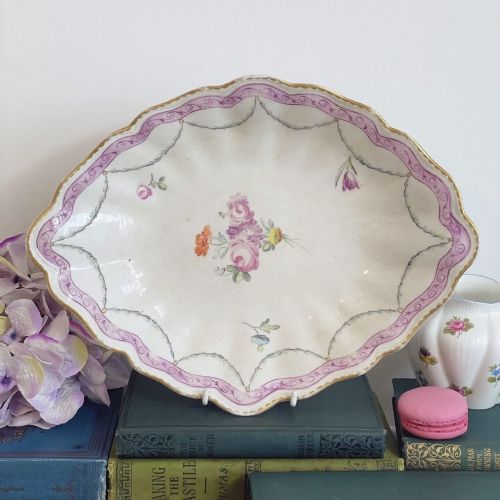
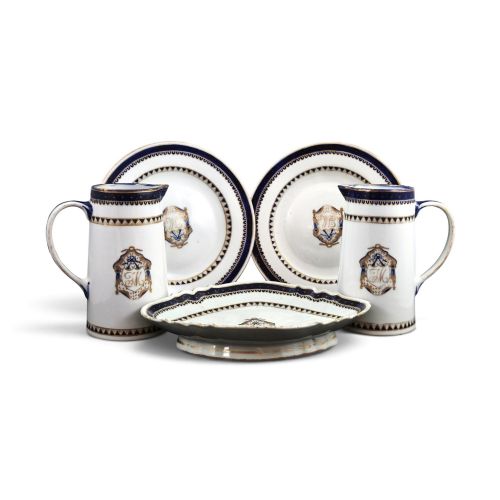
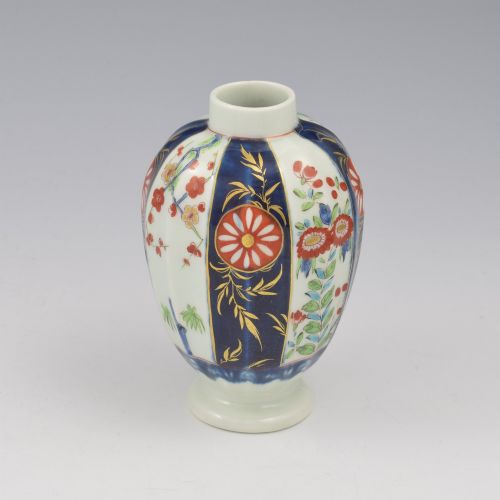
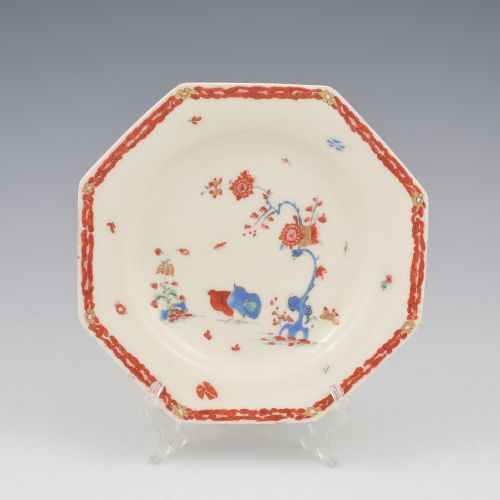
Georgian blue white porcelain encompasses eighteenth-century tableware and serving vessels created during the Georgian period. When exploring these items, collectors encounter domestic forms that reflect the refinement of Georgian dining.
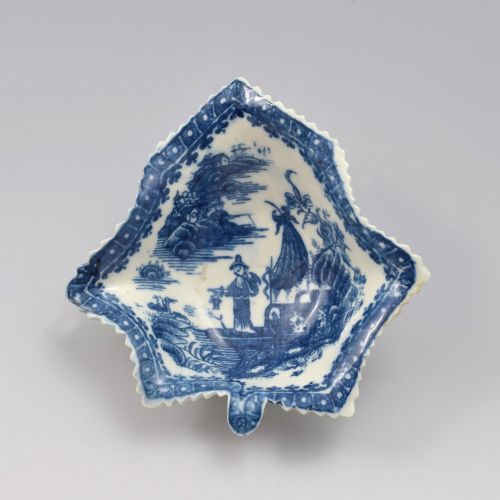
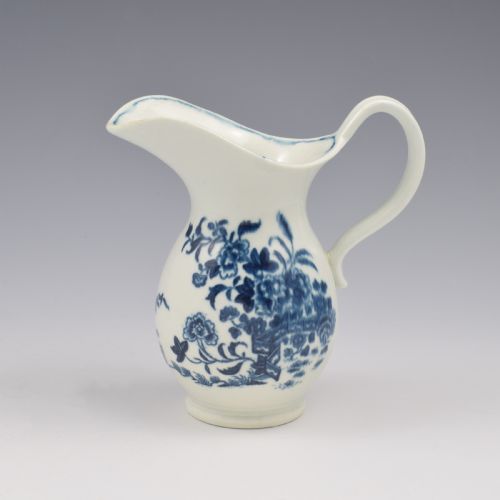
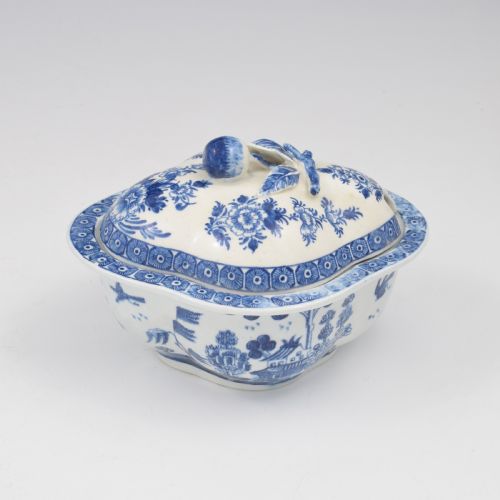
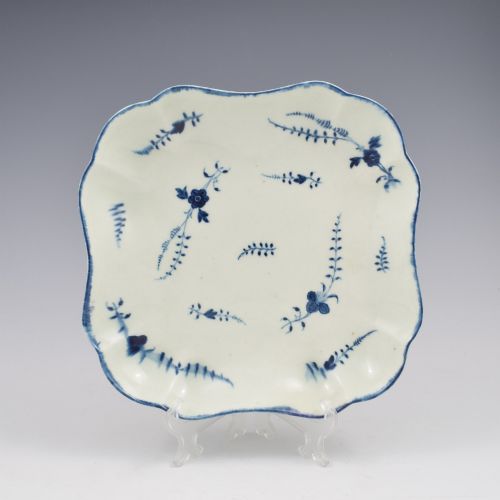
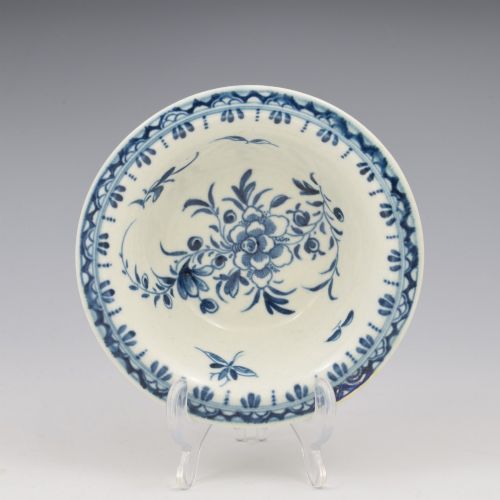
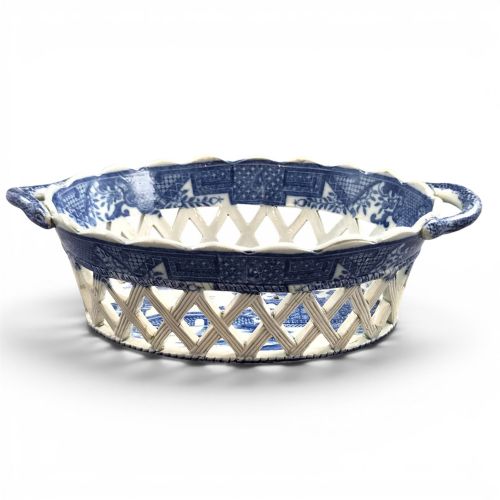
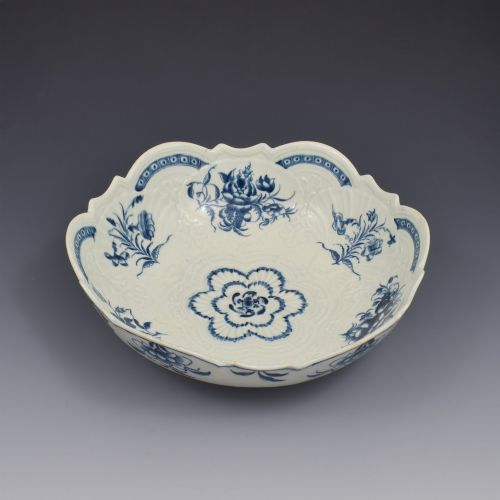
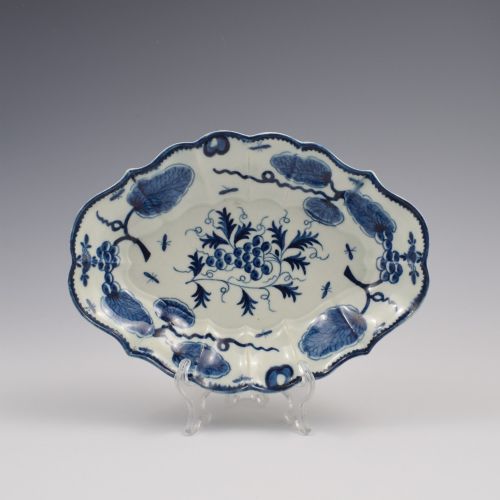
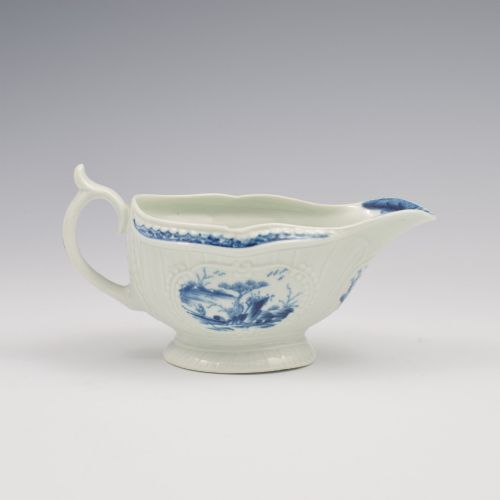
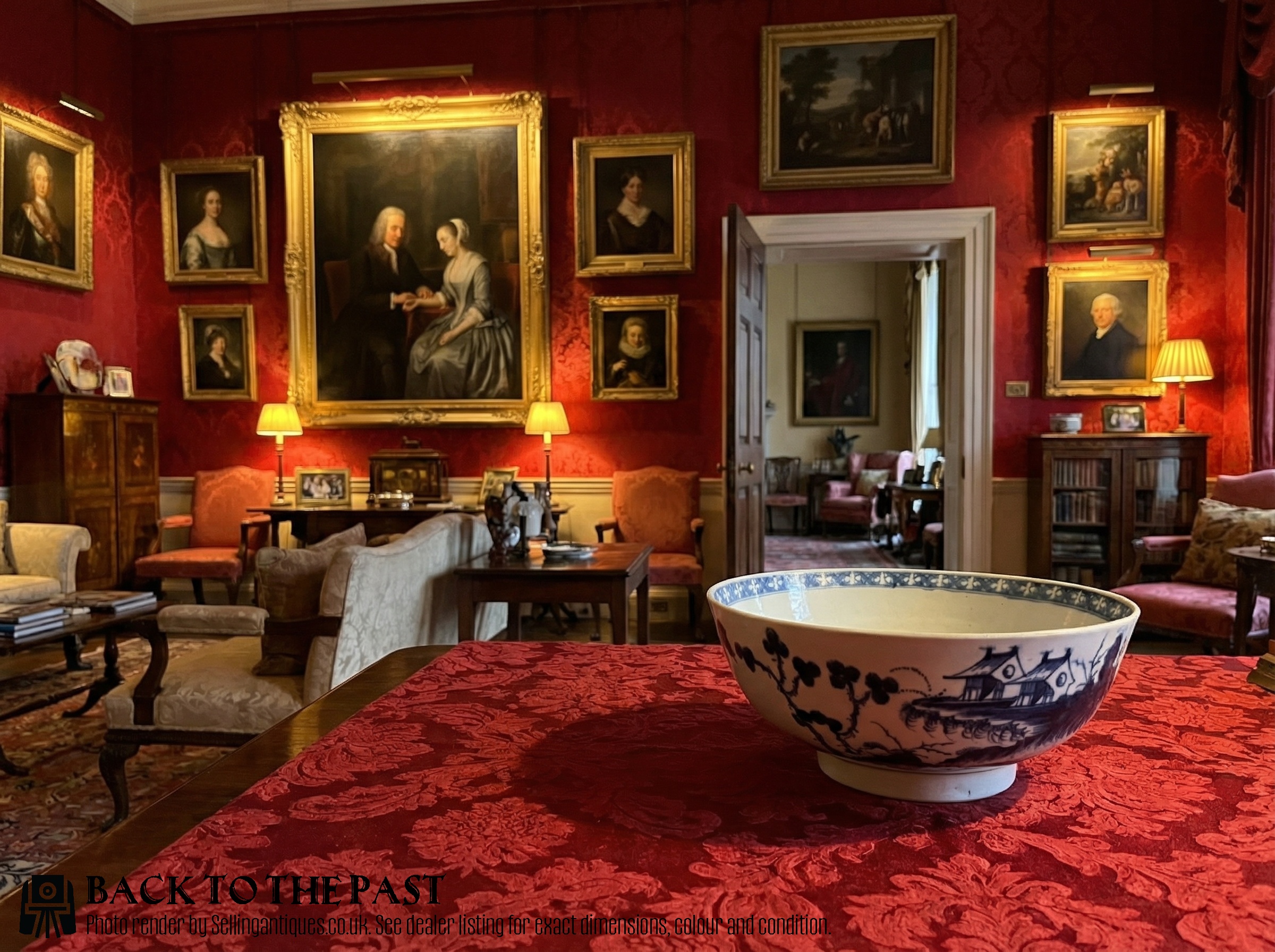
The objects listed on this page include condiment dishes, pickle dishes in leaf designs, wine tasters, and punch bowls. These pieces demonstrate the varied forms produced by early British factories utilising cobalt underglaze decoration on soft-paste porcelain bodies.
Manufacturing and materials
These items are constructed from soft-paste porcelain, a ceramic body composed of white clay mixtures, glass frit, and other materials that fired at lower temperatures than hard paste. Potters applied cobalt underglaze pigments to the unglazed or bisque body before covering the piece in a transparent glaze and firing it.
The union of cobalt underglaze and soft-paste porcelain produces a characteristic depth in the blue decoration. Glazing techniques seal the porous body, rendering the tableware suitable for domestic service.
Retail Price Guide 2026
Typical UK retail prices for georgian blue white porcelain, calculated from the Sellingantiques database of over a million retail prices indexed since 2003. This retail price guide relies exclusively on Sellingantiques data; no external sources or auction records are used, so the figures do not describe the wider market.
Early porcelain makers shaped tiny condiment dishes to resemble pickled leaves, bringing garden foliage directly to the Georgian dining table.
Judging quality and execution
Quality in these soft-paste vessels rests upon the clarity of the cobalt underglaze painting and the crispness of the moulded form. Superior examples display precise brushwork and well-defined contours on items such as leaf-moulded pickle dishes.
The refinement of the soft-paste porcelain body and the smoothness of the glaze also separate exceptional items from standard production. Firing blemishes and warping indicate the technical challenges faced by eighteenth-century potteries.
Worcester·Derby
The Georgian Blue White Porcelain Glossary
- Soft-paste Porcelain
- A ceramic body invented in Europe as an imitation of Chinese porcelain, composed of clay and glass frit. It fires at lower temperatures and has a warmer, softer appearance than hard paste.
- Cobalt Underglaze
- A blue pigment applied to pottery before the glaze is fired. This oxide withstands high kiln temperatures without losing its colour.
- Pickle Dish
- A small tableware vessel used in the eighteenth century for serving pickles or relishes at the table. These often took whimsical forms such as leaves or shells.
- Wine Taster
- A small bowl or vessel utilised for sampling wine. Georgian examples in porcelain demonstrate the domestic breadth of early factories.
- Punch Bowl
- A large vessel used for mixing and serving punch during social gatherings. These pieces often feature prominent cobalt underglaze decoration.
Frequently Asked Questions
What is soft-paste porcelain?
Soft-paste porcelain is a ceramic material made from a mixture of clays and glass frit rather than true china clay and petuntse. It was widely utilised by eighteenth-century British potteries before hard-paste formulas became common.
The body is less vitreous than hard paste and absorbs light differently, giving Georgian pieces a distinct warmth under the glaze.
How were these dishes used?
These items served functional roles in eighteenth-century dining, from holding condiments and relishes at the table to sampling wine or mixing punch for guests. Tableware of this period formed an essential part of formal and domestic hospitality.
Pickle dishes and wine tasters illustrate the specialised nature of Georgian dining equipment.
What defines Georgian blue and white?
Georgian blue and white refers to ceramics produced during the Georgian era decorated with cobalt underglaze on a porcelain body. The blue pigment creates striking contrasts against the white ceramic surface.
This aesthetic was influenced by imported Chinese porcelain while developing distinct British factory styles.
How do I care for eighteenth-century porcelain?
Eighteenth-century soft-paste porcelain requires gentle handling due to its age and the composition of the ceramic body. Hand washing in lukewarm water with mild soap is essential, avoiding modern dishwashers and harsh chemicals.
Displaying pieces away from direct sunlight and extreme temperature fluctuations protects the glaze and body.