
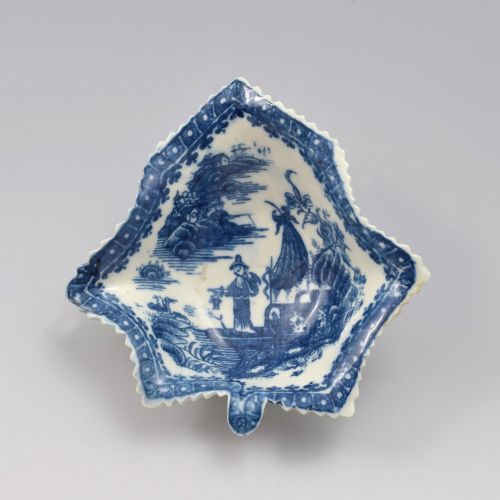
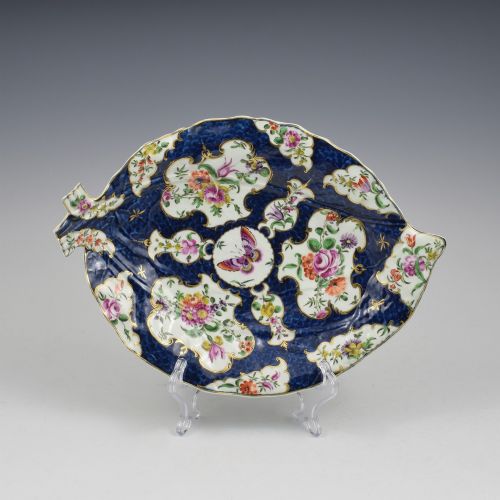
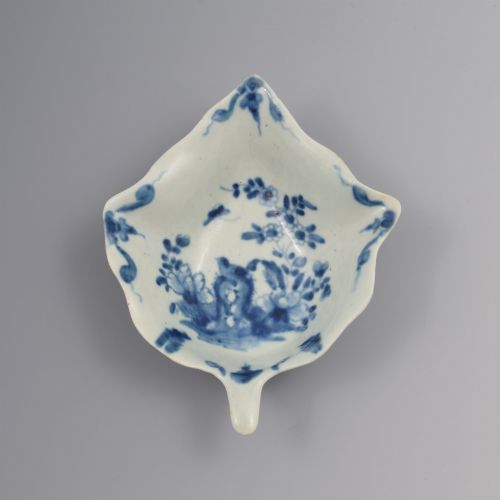


Antique Leaf Shaped Dish
These antique leaf shaped dish examples bring botanical charm to the table, offering clever form and period craftsmanship that collectors prize.
Antique Leaf Shaped Dish
An antique leaf shaped dish takes botanical inspiration from nature, capturing the curves and veins of foliage in ceramics and metal. These pieces serve multiple roles on the dining table, functioning as pickle dishes, condiment holders, and decorative plates.
Most examples found here date from the eighteenth century through to the Victorian era. Buyers frequently encounter eighteenth-century porcelain pickle dishes alongside later ironstone and silver tableware.
Makers shaped these items to resemble cabbage leaves, floral patterns, and gathered foliage. The smaller pickle dishes sit alongside larger serving dishes and soup tureens within the broader category.
Materials and construction methods
Potters relied on soft-paste porcelain and ironstone to shape these botanical forms. Workers also utilised solid silver for specific hollowware productions.
Decoration involved cobalt underglaze painting, hand-applied enamel colours, and delicate gilding with gold leaf. Craftsmen moulded the clay to mirror natural veining before applying transparent glaze.
Antique Leaf Shaped Dish Retail Price Guide 2026
Typical asking prices for leaf shaped dish among the pieces listed under this phrase on Sellingantiques today, from the lower quarter to the upper quarter. They describe what is for sale here now, not the wider market.
Current listings feature porcelain, ironstone, and silver materials spanning from the eighteenth century to the mid-twentieth century.
Assessing quality in botanical tableware
Quality rests upon the crispness of the moulded leaf form and the precision of the hand-painted details. Finer examples display sharp veining and clear transfer or brush work beneath the glaze.
The sophistication of the palette distinguishes better pieces. Cobalt underglaze depth and carefully burnished gilding elevate the status of an item above standard production wares.
Caughley·Minton·Masons Patent Ironstone·Turner
The Antique Leaf Shaped Dish Glossary
- Pickle dish
- A small vessel designed for serving pickles or condiments at the dining table. These items often feature shaped edges and botanical motifs.
- Soft-paste porcelain
- An artificial porcelain composition fired at lower temperatures than hard-paste porcelain. This material characterises many eighteenth-century English tablewares.
- Cobalt underglaze
- A blue pigment applied to ceramic bodies before glazing and firing. The technique produces a durable decoration that withstands high heat.
- Ironstone
- A heavy, durable earthenware patented in the nineteenth century. It provides a robust alternative to porcelain for everyday service.
Antique Leaf Shaped Dish: Frequently Asked Questions
What were leaf shaped dishes used for?
These vessels held small portions of pickles, relishes, and condiments during formal dining courses. Their charming forms also suited decorative display on sideboards.
Over time, collectors adapted them for serving nuts, sweets, or small finger foods during gatherings.
How do I date an early porcelain dish?
Dating relies on examining the paste consistency, glaze characteristics, and underglaze blue painting styles. Eighteenth-century pieces often exhibit distinct soft-paste qualities and hand-painted motifs.
Maker marks, where present, help narrow the production window alongside typical period shape profiles.
Are silver and ceramic dishes cleaned differently?
Ceramic pieces require gentle washing in warm soapy water without abrasive sponges to protect the glaze and enamel. Silver vessels need specialised polish formulated for precious metals.
Both materials benefit from careful handling to preserve delicate moulded edges and surface decoration.
What styles influence these botanical designs?
Georgian and Victorian aesthetics heavily influence the naturalistic shaping of these items. Makers drew inspiration from actual foliage to create functional tableware.
Later Victorian interpretations incorporated bolder industrial techniques while maintaining the organic leaf inspiration.