
English Blue White Porcelain
English blue white porcelain brings domestic tables and cabinets the hand-painted and transfer-printed cobalt decoration of eighteenth and nineteenth century production.
What They Are
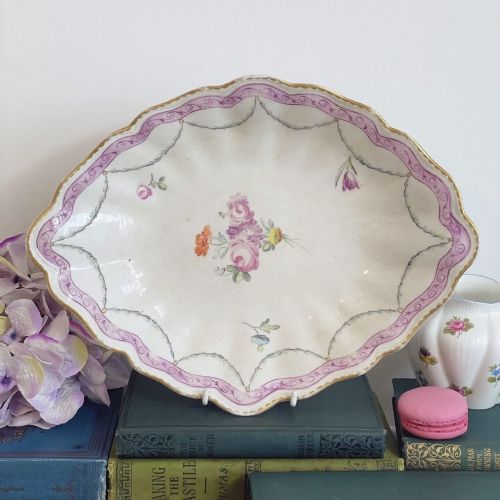
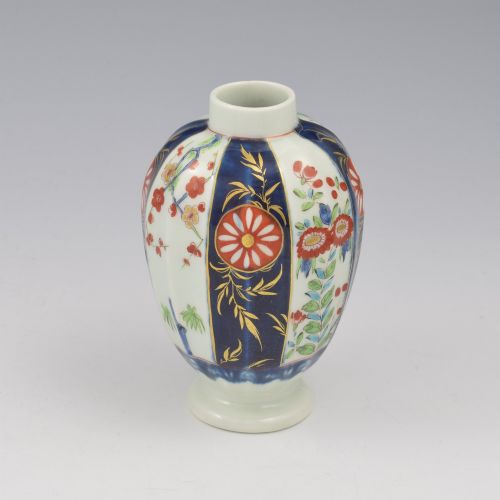
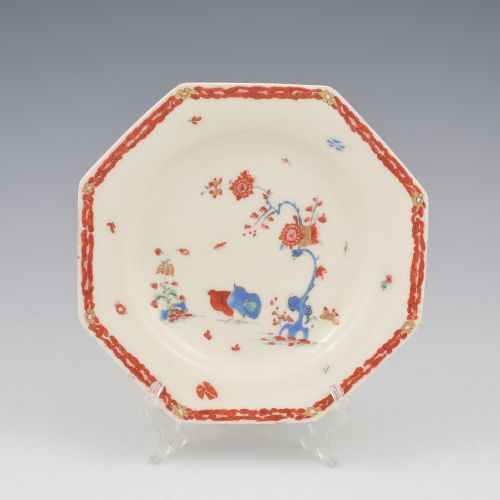
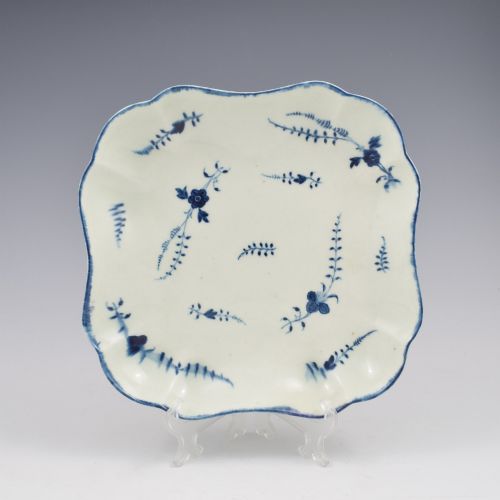
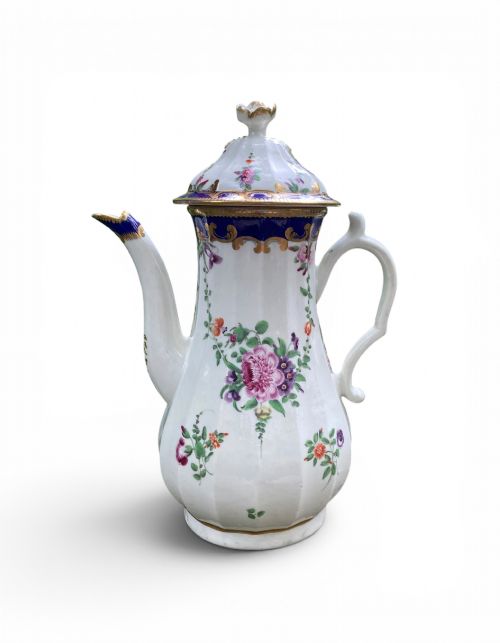
When buyers search for english blue white porcelain, they encounter domestic table wares and decorative objects created in workshops across Georgian and Victorian Britain. These pieces encompass functional vessels and serving items intended for display or daily dining.
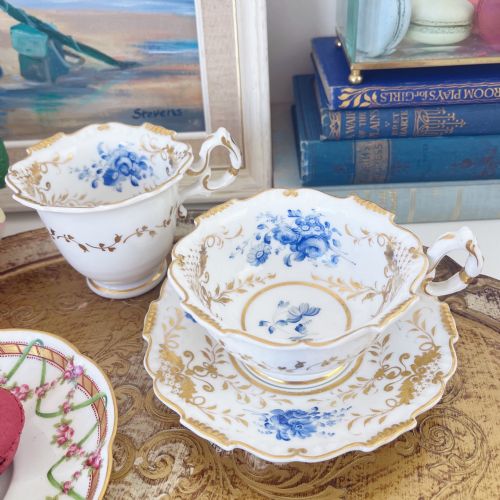
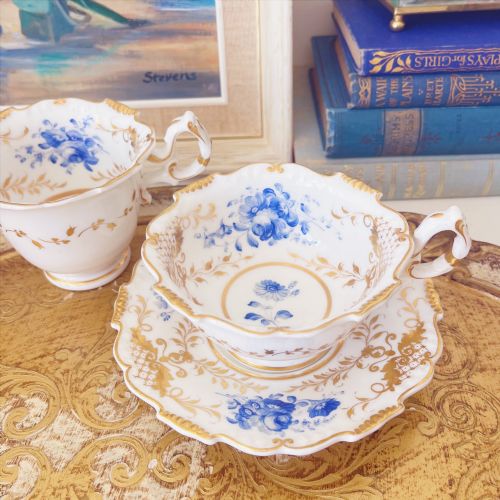
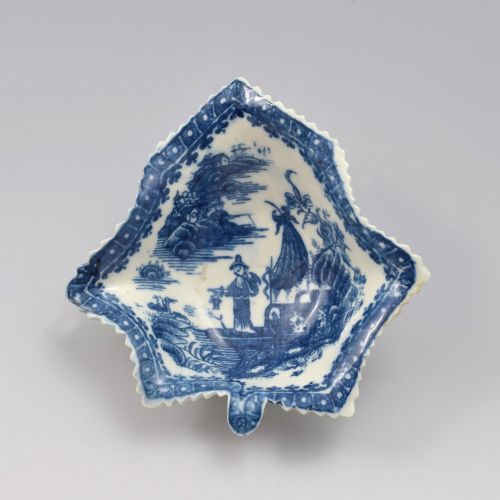
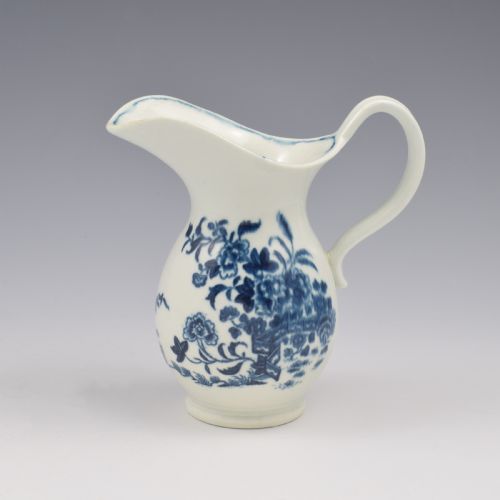
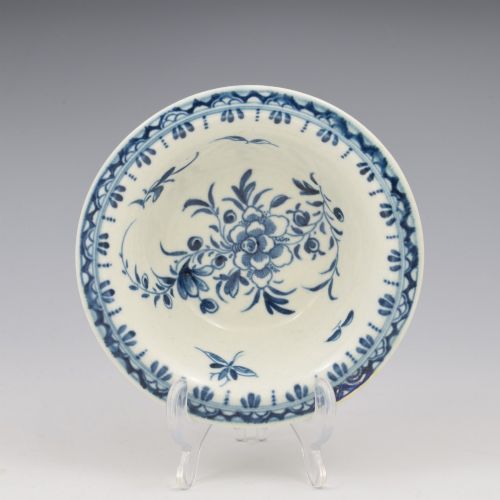
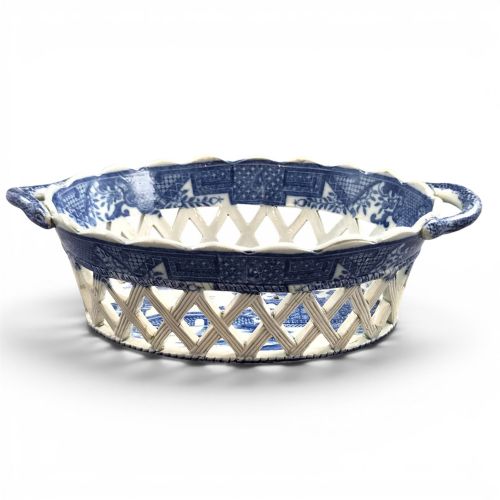
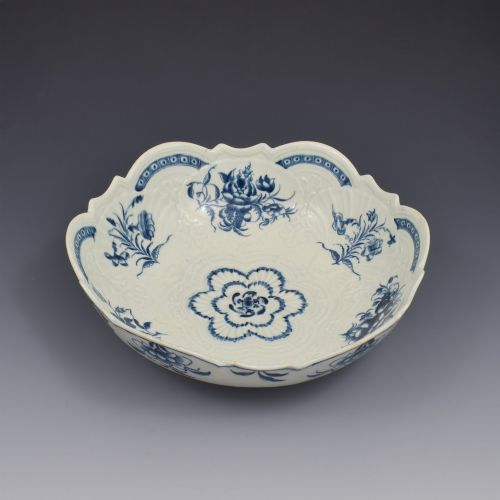
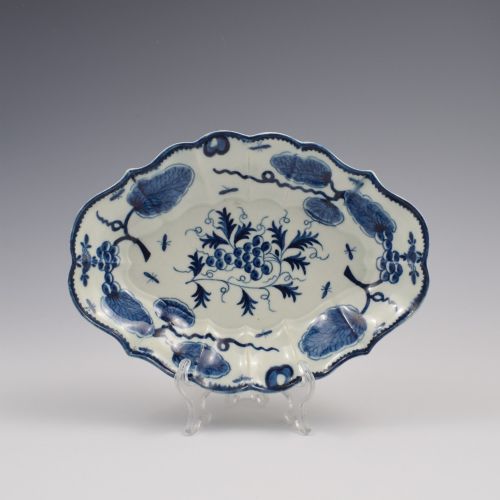
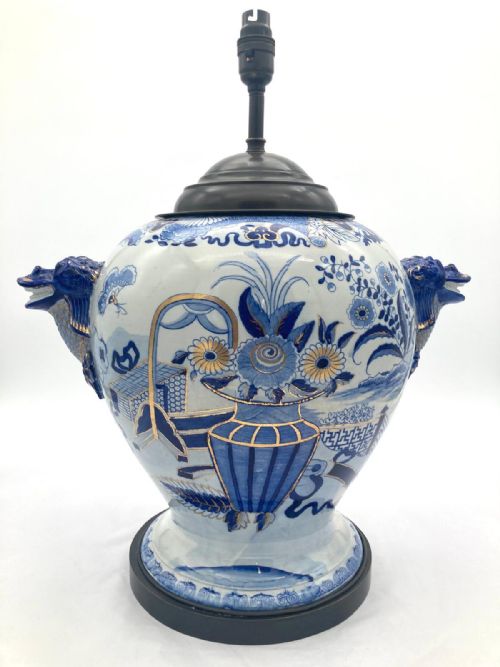
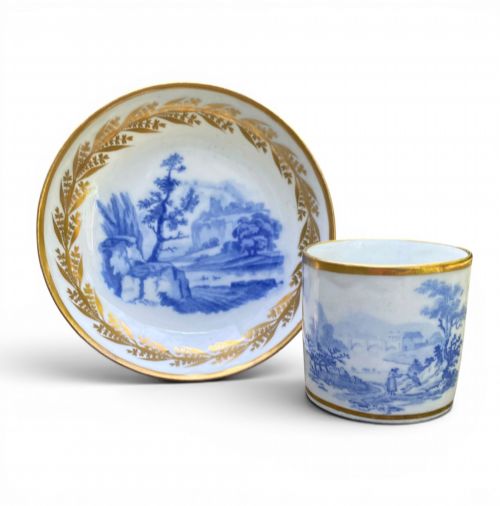
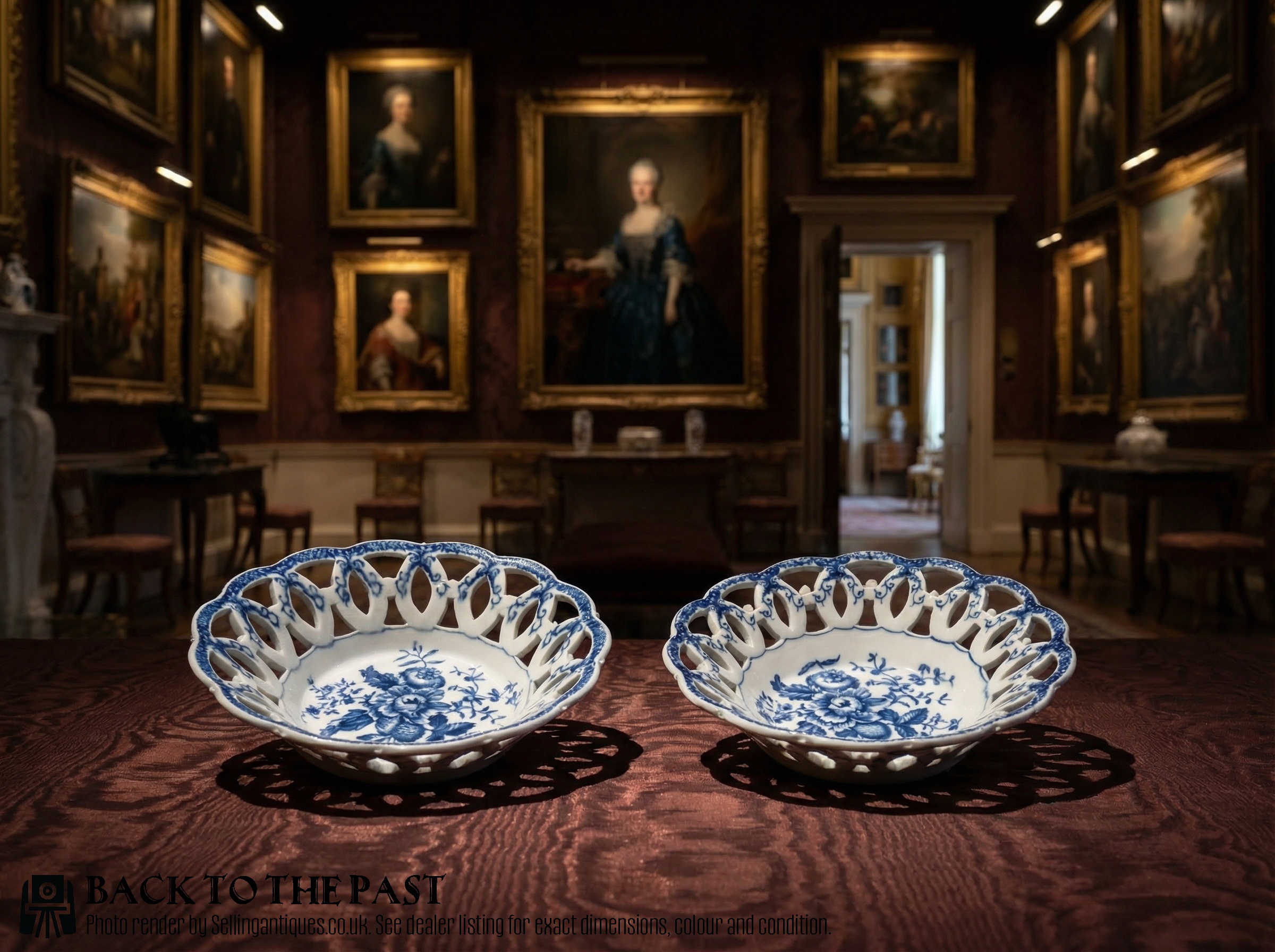
The objects on this page include pickle dishes, vases and urns, decorative bowls, tea bowls and saucers, and decorative baskets. Surviving examples range from small individual tea services to large ornamental display pieces.
Origins span from eighteenth century factories through to mid-nineteenth century Staffordshire production. Common patterns incorporate Chinese-inspired motifs, botanical studies, and the ubiquitous willow design rendered in deep cobalt shades.
How They Were Made
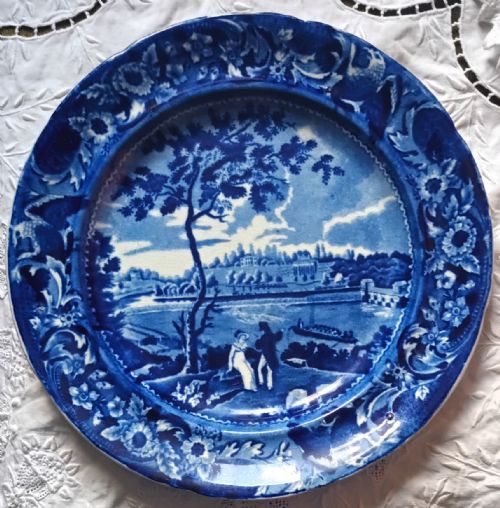
Potters shaped these objects using soft-paste porcelain, earthenware, and pearlware bodies, applying cobalt glaze or cobalt ink beneath a clear transparent glaze before firing. Early pieces often relied on hand-painted brushwork, whilst later iterations utilised transfer printing to apply intricate repeating scenes.
Finishing touches on select vessels include hand-applied gilt highlights framing the cobalt decoration. The firing process fixed the metallic oxides into the glaze, producing durable blue hues that resisted fading over centuries of use.
Retail Price Guide 2026
Typical UK retail prices for english blue white porcelain, calculated from the Sellingantiques database of over a million retail prices indexed since 2003. This retail price guide relies exclusively on Sellingantiques data; no external sources or auction records are used, so the figures do not describe the wider market.
Listings feature earthenware, soft-paste porcelain, and pearlware glaze across eighteenth and nineteenth century periods.
What Varies in Quality
Quality rests in the crispness of the cobalt application and the refinement of the ceramic body. Finer examples show precise brushwork or sharp transfer printing without blurring, alongside smooth glaze surfaces free from excessive kiln blemishes.
The distinction between standard domestic items and superior cabinet pieces also lies in the delicacy of the moulding and the translucency of the paste. Early soft-paste bodies and expertly potted baskets exhibit a lightness and balance absent in heavier utilitarian wares.
Caughley·Staffordshire Adams·Worcester·Lowestoft
The English Blue White Porcelain Glossary
- Cobalt Glaze
- A metallic oxide colourant applied to ceramics that fires to a deep, permanent blue under high temperatures. It forms the primary decorative pigment for all traditional blue and white wares.
- Soft-paste Porcelain
- An artificial porcelain composition fired at lower temperatures than hard-paste, featuring a creamy body and vitreous texture. It was widely utilised by eighteenth-century English factories.
- Pearlware
- An refined earthenware body developed in the late eighteenth century featuring a subtle bluish glaze that pooled in recesses to mimic Chinese porcelain. It served as a popular canvas for transfer-printed willow patterns.
- Transfer Printing
- A mechanical method of applying complex designs to ceramic surfaces by pressing paper engravings inked with cobalt onto the biscuit or glazed body prior to firing. This technique revolutionised volume production in the pottery districts.
Frequently Asked Questions
How do I clean antique blue and white porcelain?
Wash these pieces by hand using warm water and mild soap, avoiding dishwashers and harsh abrasive sponges. Soft cloths protect fragile gilt highlights and aged ceramic bodies from unnecessary surface wear.
Dry each item thoroughly with a lint-free towel before returning it to the display cabinet. Sudden temperature changes should be avoided to prevent stress fractures in the historical glaze.
Are these blue and white items safe for food use?
Most antique pieces are best reserved for display or light decorative service rather than daily dining. Historic glazes may contain trace materials, and centuries of micro-fissures can absorb liquids over time.
Gentle handling preserves the fragile soft-paste bodies and delicate earthenware edges. Enjoying them visually connects modern spaces with historic domestic traditions safely.
How can I tell early porcelain from pearlware?
Early porcelain bodies often show translucency when held to a strong light source, whereas pearlware is opaque earthenware. Examining the base helps identify the distinct ceramic composition and glaze pooling.
Examining the weight and ring of the vessel provides further clues to its material origins. Porcelain feels lighter and more resonant compared to denser pearlware dishes.
What is the willow pattern on these wares?
The willow pattern is a romantic landscape design featuring traditional Chinese architectural motifs, bridges, birds, and figures. It became the most prolific blue and white transfer-printed motif in British ceramic history.
Potteries adapted the design endlessly across chestnut baskets, tea bowls, and large platters. Its familiar narrative scene remains instantly recognisable to collectors today.